
Botanical Name: Allium sativum L.
Extraction Method: Usually obtained through steam distillation and cold press methods.
Parts Used: Garlic cloves
Note Classification: Top note
Aroma : Strong, sharp, and characteristic garlic-like smell.
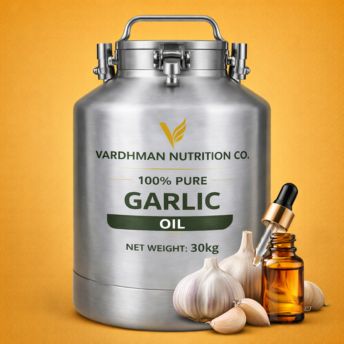
Garlic oil is a well-known and powerful natural essential oil obtained from the garlic plant. The botanical name of garlic is Allium sativum L., and it has been used around the world both as food and as a traditional remedy. In India, garlic has been part of daily cooking and home remedies for centuries. The oil extracted from garlic carries many of the same natural benefits, which is why it has become increasingly popular in health and wellness products. Garlic oil usually appears light yellow to reddish-orange in color and has a strong, sharp garlic-like aroma. This distinctive smell is also a sign of its natural origin. The oil contains natural compounds that help protect the body from infections, support the immune system, and contribute to overall well-being. Today, garlic oil is widely used in herbal formulations, aromatherapy products, natural health care preparations, and various nutritional supplements.
Garlic oil is mainly extracted from the cloves of the garlic bulb. A single garlic bulb typically contains between five and fifteen small cloves. These cloves are separated, cleaned, and processed to obtain the oil. Two primary methods are commonly used for extracting garlic oil: steam distillation and cold pressing. In the steam distillation method, garlic cloves are exposed to steam, which helps release the natural oil present in the plant material. The oil vapors are then condensed and collected carefully. This is one of the most common techniques used for extracting essential oils from plants. The cold press method, on the other hand, uses mechanical pressure to extract the oil at lower temperatures. This method helps preserve the natural components and aroma of the oil. Both processes aim to maintain the natural characteristics and beneficial compounds of garlic.
The effectiveness of garlic oil largely comes from its unique chemical composition. It contains several sulfur-based compounds that give it its strong aroma and beneficial properties. Some of the key components include diallyl sulfide (DAS), allyl methyl compounds, and dimethyl sulfides. These compounds belong to a group known as sulfur compounds and are responsible for the strong smell of garlic as well as many of its health-supporting properties. Because of these compounds, garlic oil is often recognized for its ability to help fight microbes and support the body’s natural defense mechanisms. It is also believed to assist the body in removing unwanted substances. This chemical profile is one of the reasons why garlic oil is valued in herbal health products and natural wellness formulations.
Garlic oil has several physical characteristics that make it easy to identify. Its color can range from light yellow to orange or sometimes slightly reddish. The aroma is very strong and unmistakably similar to fresh garlic. One notable property of garlic oil is that it is not completely soluble in ethanol. At a temperature of 20 degrees Celsius, its specific gravity generally falls between 1.050 and 1.095. The refractive index usually ranges between 1.550 and 1.580. These parameters are important for laboratory testing and quality assessment. High-quality garlic oil normally has a stable composition, a clear appearance, and a natural strong aroma that reflects the quality of the raw material used in its production.
Garlic oil is widely appreciated for its various practical uses. It is known for its natural antibacterial and antiseptic properties, which may help protect the body from infections. Many people consider it helpful during seasonal conditions such as colds, coughs, bronchitis, and flu-like symptoms. Garlic oil is also believed to support the body’s natural detoxification process by helping remove unwanted substances. Some people use it to support digestion and maintain digestive comfort. In addition, garlic oil is often associated with supporting healthy blood circulation. Good circulation helps deliver oxygen and nutrients to different parts of the body more effectively. For these reasons, garlic oil is frequently included in herbal health products, wellness supplements, and natural formulations.
Garlic oil contains several properties that make it valuable in natural wellness applications. It is commonly associated with antibacterial, antifungal, and antiviral characteristics. These qualities may help the body defend itself against different types of microorganisms. Garlic oil also contains antioxidant compounds, which help protect cells from damage caused by environmental factors. In many traditional health systems, garlic oil is believed to support the immune system and maintain overall vitality. Some people also value garlic oil for its potential role in supporting cardiovascular wellness because it may help maintain healthy blood circulation. When used responsibly, garlic oil can be a useful component in natural health and wellness routines.
Although garlic oil is natural, it should be used carefully. Because it is quite strong, it is generally not recommended to apply it directly on very sensitive or damaged skin. If irritation or discomfort occurs, its use should be discontinued. Extra care should be taken when using garlic oil near sensitive areas such as the eyes, nose, or mouth. Due to its strong aroma, garlic oil does not always blend easily with other essential oils. For this reason, it is often used alone or in very small quantities in blends. Proper handling and moderate use help ensure that the oil remains safe and effective for various applications.