.webp)
Amla Powder Manufacturer, Supplier & Exporter from India
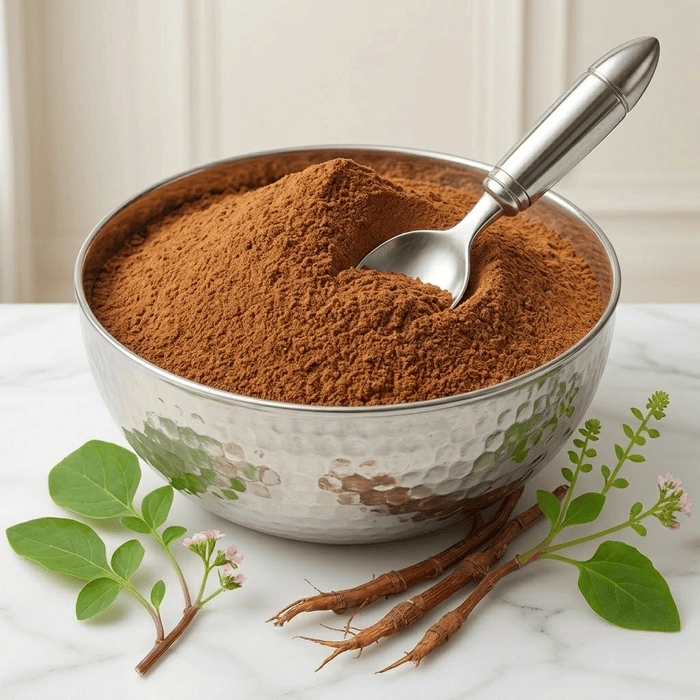
Amla Powder is a natural botanical ingredient prepared from carefully selected and processed fruits of Phyllanthus emblica, commonly known as Amla, Indian Gooseberry, or Emblica. The fruit has a long-standing association with Ayurveda and traditional Indian herbal practices. After suitable cleaning, drying, grinding, and sieving, the fruit is converted into a convenient powder form for use in appropriate commercial formulations.
Vardhman Nutrition Co. is an Amla Powder Manufacturer in India, Amla Powder Supplier from India, and Amla Powder Exporter from India, supplying India-origin botanical ingredients to international B2B buyers. The company works with importers, wholesalers, distributors, herbal manufacturers, Ayurvedic businesses, nutraceutical brands, cosmetic companies, pharmaceutical organizations, food businesses, personal-care manufacturers, and private-label companies.
Our business is focused on international B2B bulk supply from India. Product specifications, mesh or particle size, packaging, technical documentation, intended application, destination country, and customized commercial requirements can be discussed according to individual buyer needs.
Indian-Origin Amla for Global Botanical Ingredient Buyers
India is closely associated with Amla and its traditional botanical use. Indian Amla Powder provides international manufacturers with a fruit-derived botanical ingredient that can be evaluated for herbal, Ayurvedic, nutraceutical, food, cosmetic, personal-care, and wellness formulations.
For professional procurement, the correct botanical identity and plant part are important. Amla Powder is prepared from the fruit of Phyllanthus emblica. Raw Amla is cleaned and processed under suitable conditions before being converted into powder. Buyers can specify the required form, particle size, moisture parameters, packaging format, quantity, and intended application when making a commercial enquiry.
As an Amla Powder Supplier from India, Vardhman Nutrition Co. can discuss requirements related to:
- Bulk order quantity
- Mesh and particle size
- Moisture specification
- Botanical identity
- Product application
- Packaging format
- Destination country
- Technical documentation
- Customized commercial specifications
International buyers can share their requirements before confirming a commercial order so that the product can be evaluated against their internal specifications.
Amla Fruit: Botanical Source and Commercial Identity
Amla is scientifically identified as Phyllanthus emblica and belongs to the Phyllanthaceae family. It is commonly called Amla, Indian Gooseberry, and Emblica. The fruit is generally round and greenish-yellow, with a naturally sour and slightly astringent taste.
The commercial powder is produced from dried fruit material. Natural variations in colour, aroma, taste, and physical characteristics can occur due to fruit maturity, geographical origin, raw-material quality, drying conditions, and processing methods.
Amla Powder Product Profile
- Product Name: Amla Powder
- Botanical Name: Phyllanthus emblica
- Common Names: Amla, Indian Gooseberry, Emblica
- Botanical Family: Phyllanthaceae
- Plant Part: Fruit
- Form: Dried Fruit Powder
- Origin: India
For commercial procurement, buyers should confirm botanical identity, plant part, processing requirements, and technical specifications according to their intended application.
Amla Fruit Powder and Indian Gooseberry Powder Terminology
International procurement teams may search for Amla under different common and botanical names. Using alternative terminology alongside the scientific identity can help buyers identify the required raw material accurately.
Relevant product-specific terms include:
- Amla Powder
- Amla Fruit Powder
- Indian Gooseberry Powder
- Indian Gooseberry Fruit Powder
- Emblica Powder
- Emblica Fruit Powder
- Dried Amla Powder
- Amla Herbal Powder
- Indian Amla Powder
- Phyllanthus emblica Powder
- Phyllanthus emblica Fruit Powder
These terms can be useful when international buyers compare suppliers, prepare purchase specifications, or communicate botanical requirements.
Amla Powder in Traditional Indian Herbal Practices
Amla has an established traditional association with Ayurveda and Indian herbal practices. It is traditionally known by names such as Amritphal and Dhatri and is regarded as an important botanical in traditional Ayurvedic knowledge.
The fruit is traditionally incorporated into various herbal preparations and combinations, including Triphala. Amla Powder for Ayurvedic Products can be considered by manufacturers developing suitable traditional formulations, botanical blends, herbal powders, capsules, tablets, and wellness products.
Potential applications include:
- Ayurvedic powder blends
- Herbal formulations
- Botanical preparations
- Herbal capsules
- Tablets
- Multi-herb formulations
- Traditional wellness products
Traditional use should not be interpreted as a guaranteed therapeutic result. Finished products should be formulated, tested, labeled, and marketed according to the applicable regulations of the destination market.
Amla as a Botanical Raw Material for Formulators
The powdered fruit format makes Amla a practical botanical raw material for businesses developing herbal products. Amla Powder for Herbal Formulations may be considered for suitable powders, botanical blends, capsules, tablets, and other formulations.
Manufacturers can evaluate the ingredient according to:
- Botanical identity
- Particle size
- Moisture
- Appearance
- Microbiological parameters
- Intended formulation
- Finished-product requirements
Amla can be used as an individual botanical ingredient or combined with other compatible materials according to the manufacturer's formulation design.
Nutraceutical Product Development with Amla
The nutraceutical sector uses a wide range of plant-based ingredients in dietary supplements, nutritional powders, botanical blends, capsules, and tablets. Amla Powder for Nutraceutical Industry applications may include suitable nutritional and wellness formulations where a fruit-derived botanical ingredient is required.
Amla naturally contains vitamin C and other plant-derived compounds. However, the nutritional composition of commercial material may vary according to fruit variety, maturity, geographical origin, cultivation conditions, harvesting, drying, and processing.
Potential applications include:
- Nutraceutical powders
- Herbal supplements
- Botanical capsules
- Nutritional blends
- Herbal tablets
- Wellness formulations
- Multi-botanical products
Where a specific nutritional value or botanical marker is required, buyers should rely on appropriate batch-specific laboratory analysis.
Food and Beverage Uses of Amla Fruit Powder
Amla fruit has a naturally characteristic sour profile that can be suitable for selected food and beverage concepts. Amla fruit powder may be considered for products where a dried fruit-based botanical ingredient is appropriate.
Potential commercial uses include:
- Herbal beverages
- Botanical drink mixes
- Fruit-based powder blends
- Traditional beverages
- Wellness drinks
- Functional food formulations
- Herbal tea combinations
Food manufacturers should independently verify permitted applications, usage levels, labeling requirements, and destination-market regulations before commercializing products containing Amla Powder.
Amla Powder for Hair-Care Product Manufacturing
Amla is traditionally associated with Indian hair-care and beauty practices. This makes Amla Powder for Cosmetic Industry applications relevant to manufacturers developing botanical personal-care and beauty formulations.
Potential formulation areas include:
- Herbal hair masks
- Hair packs
- Botanical shampoos
- Scalp-care products
- Hair-conditioning blends
- Herbal personal-care products
- Botanical skin-care formulations
Cosmetic manufacturers should evaluate the raw material for compatibility, stability, microbial quality, and intended use before commercial production.
Amla Hair Powder for Botanical Hair-Care Products
Amla Hair Powder is a commercially relevant form for businesses developing herbal hair-care products. The powdered fruit can be considered for hair masks, herbal hair packs, botanical blends, shampoos, scalp-care products, and Ayurvedic hair formulations.
Potential applications include:
- Herbal hair masks
- Hair packs
- Botanical hair blends
- Ayurvedic hair formulations
- Herbal shampoos
- Scalp-care preparations
- Hair-conditioning products
Manufacturers may combine Amla Powder with other compatible botanical ingredients according to their formulation requirements and finished-product specifications.
Naturally Occurring Nutrients and Phytochemicals
Amla fruit contains naturally occurring nutrients and phytochemicals that contribute to its botanical profile.
Reported constituents include:
- Vitamin C
- Polyphenolic compounds
- Tannins
- Flavonoids
- Organic acids
- Natural carbohydrates
- Minerals
- Other plant-derived phytochemicals
Botanical and scientific literature has also discussed naturally occurring compounds such as emblicanin-A, emblicanin-B, gallic acid, ellagic acid, corilagin, quercetin, and kaempferol.
The actual composition of a commercial batch can vary depending on cultivar, fruit maturity, geographical origin, cultivation conditions, harvesting practices, drying, and processing. Buyers requiring a specific nutritional or botanical marker should therefore refer to suitable laboratory analysis rather than relying only on general literature values.
Amla and Antioxidant Research Interest
Amla has been investigated in laboratory, animal, and limited human research for various biological properties associated with its naturally occurring compounds.
Scientific interest has included antioxidant activity, oxidative stress, metabolic parameters, immune-related mechanisms, inflammatory pathways, liver-related research, and cardiovascular parameters.
Some studies have reported promising findings; however, evidence can differ according to study design, population, preparation, and dosage. Laboratory or animal findings should not automatically be considered confirmed clinical benefits in humans.
For international product manufacturers, research information should therefore be used responsibly. Any health-related claim made on a finished product should be supported by appropriate evidence and comply with the laws and regulations of the target market.
Traditional Wellness Positioning of Amla
Within Ayurveda and traditional Indian herbal practices, Amla is traditionally valued as a Rasayana botanical and is associated with general wellness formulations.
Traditional descriptions commonly associate Amla with areas such as digestion, vitality, skin care, hair care, and overall wellness. Modern research has also generated interest in its antioxidant and other biological characteristics.
These traditional descriptions provide botanical and cultural context but should not be presented as guaranteed medical outcomes. Commercial product claims should be developed according to applicable regulatory standards.
Preparation of Commercial-Grade Amla Powder
A consistent dried fruit powder requires appropriate raw-material selection and controlled processing. A typical production sequence may include:
- Selection of suitable Amla fruits
- Cleaning of raw material
- Sorting and grading
- Removal of unsuitable material
- Controlled drying
- Size reduction
- Grinding
- Sieving
- Foreign-matter control
- Laboratory quality evaluation
- Final packaging
The exact processing method can vary according to product grade, intended application, buyer specifications, and manufacturing requirements.
Controlled drying is particularly important because excessive moisture can influence the stability, handling, and storage characteristics of powdered botanical ingredients.
Physical Characteristics of Indian Amla Powder
Indian Amla Powder generally has the natural characteristics associated with dried Amla fruit. Colour, aroma, taste, and particle characteristics may vary according to raw-material quality and processing conditions.
Typical product characteristics include:
- Fine powdered form
- Natural fruit-derived appearance
- Characteristic Amla aroma
- Naturally sour and slightly astringent taste
- Colour influenced by fruit maturity and drying
- Particle size according to processing or buyer specification
For commercial orders requiring a defined mesh or particle-size range, buyers should communicate their specifications before order confirmation.
Technical Requirements for Amla Powder Procurement
Professional B2B buyers often require technical details before approving a botanical ingredient for manufacturing.
Depending on the application, specifications may include:
- Botanical identity
- Plant part
- Appearance
- Colour
- Aroma
- Taste
- Particle size
- Mesh
- Moisture
- Foreign matter
- Microbiological parameters
- Heavy metals, where applicable
- Pesticide residues, where applicable
- Nutritional markers
- Botanical markers
Exact acceptance limits should be established according to the agreed product specification and the requirements of the destination market.
Bulk Amla Powder Supplier for International Buyers
Vardhman Nutrition Co. provides Bulk Amla Powder for international buyers requiring commercial quantities from India.
Bulk sourcing can be suitable for:
- Ayurvedic manufacturers
- Herbal product companies
- Nutraceutical manufacturers
- Pharmaceutical businesses
- Cosmetic manufacturers
- Personal-care brands
- Botanical distributors
- Importers
- Wholesalers
- Private-label companies
As an Amla Powder Wholesale Supplier, Vardhman Nutrition Co. can discuss quantity, particle size, moisture specifications, packaging, technical documentation, and customized commercial requirements.
The company's B2B model is designed for professional and international procurement rather than domestic retail distribution.
Amla Powder B2B Manufacturer and Supplier
Companies searching for an Amla Powder B2B Supplier, Amla Powder B2B Manufacturer, or Amla Powder B2B Exporter from India can discuss commercial sourcing requirements with Vardhman Nutrition Co.
B2B procurement discussions can include:
- Bulk orders
- Wholesale supply
- Product specifications
- Packaging requirements
- Private-label sourcing
- OEM requirements
- Contract supply
- Technical documentation
- Destination-country requirements
This approach allows international businesses to communicate their specifications before commercial order confirmation.
Amla Powder Manufacturer in India for International Buyers
Vardhman Nutrition Co. provides India-origin Amla products for overseas buyers searching for an Amla Powder Manufacturer in India.
Relevant commercial search phrases include:
- Amla Powder Manufacturer in India
- Amla Powder Supplier from India
- Amla Powder Exporter from India
- Amla Fruit Powder Manufacturer in India
- Amla Fruit Powder Supplier from India
- Indian Gooseberry Powder Supplier
- Indian Amla Powder Exporter
- Bulk Amla Powder Supplier from India
- Amla Powder Wholesale Supplier in India
- Phyllanthus emblica Powder Supplier from India
- Phyllanthus emblica Fruit Powder Exporter
- Amla Herbal Powder Supplier
These terms reflect the different ways international procurement teams may search for an Indian manufacturer, supplier, or exporter of Amla-based botanical ingredients.
Amla Powder Exporter from India for Global Markets
Vardhman Nutrition Co. is an Amla Powder Exporter from India, supporting international B2B enquiries for India-origin botanical ingredients.
Commercial export enquiries can include buyers from:
- USA
- UK
- Europe
- Germany
- UAE
- Australia
- South Korea
Export feasibility and documentation depend on the product specification, buyer requirements, shipment terms, and regulations applicable to the destination country.
Amla Powder Export to USA
Businesses looking for Amla Powder Export to USA can discuss bulk sourcing requirements for suitable herbal, nutraceutical, food, cosmetic, personal-care, and wellness applications.
US importers should independently verify applicable import, labeling, ingredient, and finished-product requirements before commercialization.
Amla Powder Export to UK
Businesses seeking Amla Powder Export to UK can discuss bulk botanical sourcing requirements, packaging and technical documentation according to the intended application.
Amla Powder Export to Europe
For Amla Powder Export to Europe, buyers can communicate their product specifications, quantity, packaging and documentation requirements before shipment.
Amla Powder Export to Germany
Companies searching for Amla Powder Export to Germany can provide their intended application, required specifications, packaging preference, quantity, and documentation requirements for commercial evaluation.
Amla Powder Export to UAE
For Amla Powder Export to UAE, international buyers can discuss bulk quantities, packaging, technical requirements, and destination-specific documentation.
Amla Powder Export to Australia and South Korea
Vardhman Nutrition Co. can also discuss B2B sourcing enquiries involving Amla Powder Export to Australia and Amla Powder Export to South Korea, subject to applicable destination requirements and shipment feasibility.
Amla Powder Private Label Supplier and OEM Supply
International brands may require Amla as a raw material for their own branded product ranges. Amla Powder Private Label sourcing can be considered for herbal, cosmetic, wellness, personal-care, and botanical products.
Relevant commercial requirements include:
- Amla Private Label Supplier
- Amla Powder Private Label Manufacturer
- Amla Powder OEM Supplier
- Customized packaging
- Buyer-specific labeling
- Contract botanical supply
- Bulk private-label sourcing
Private-label and OEM arrangements should be finalized according to quantity, specifications, packaging, labeling requirements, and destination-market regulations.
Export Packaging for Amla Powder
Suitable packaging helps protect dried botanical powder during handling, storage, and international transportation.
Packaging requirements can be discussed according to:
- Order quantity
- Product grade
- Moisture protection
- Transportation conditions
- Storage duration
- Buyer preference
- Destination requirements
Protective packaging can help reduce exposure to moisture, contamination, environmental conditions, and external odours during international transportation.
Amla Powder Export Documentation
International B2B buyers may require technical and commercial documents as part of their procurement process.
Depending on the product and destination, documentation may include:
- Certificate of Analysis (COA)
- Technical Data Sheet (TDS)
- Material Safety Data Sheet (MSDS), where applicable
- Certificate of Origin
- Phytosanitary documentation, where applicable
- Microbiological analysis
- Buyer-specific technical documentation
The exact documentation package should be confirmed according to the individual product, order, buyer requirements, and destination country.
Storage Requirements for Amla Powder
Proper storage is important for maintaining the quality of dried Amla Powder.
General storage recommendations include:
- Store in a clean and dry environment.
- Protect from excessive humidity.
- Keep in suitable airtight packaging.
- Avoid direct sunlight.
- Protect from excessive heat.
- Keep away from strong-smelling materials.
- Prevent contamination during handling.
- Reseal packaging after opening.
For bulk storage, appropriate warehouse conditions and protective packaging should be maintained according to the applicable product documentation.
Shelf-Life Factors Affecting Amla Powder
The shelf life of Amla Powder can depend on several factors, including raw-material quality, fruit maturity, drying conditions, processing method, moisture level, packaging, storage environment, and microbiological quality.
A universal shelf-life period should not be assumed for every grade. Buyers should refer to the applicable batch-specific product specification and documentation.
Moisture, oxygen, heat, and light can influence the stability of dried fruit powder. Appropriate packaging and controlled storage conditions are therefore important for maintaining product quality throughout the documented shelf-life period.
Quality-Focused India-Origin Supply
Vardhman Nutrition Co. is an India-based manufacturer and global B2B exporter of Essential Oils, Cold Pressed Virgin Seed Oils and Botanical Herbs. Established in 2018, the company supplies natural ingredients to international importers, distributors, nutraceutical brands, herbal manufacturers, cosmetic businesses, pharmaceutical companies, and other professional buyers.
The company identifies itself as an ISO 9001:2015 certified organization and focuses on quality management throughout its production and packaging activities.
For international businesses seeking an Amla Powder Manufacturer, Amla Powder Supplier, or Amla Powder Exporter from India, Vardhman Nutrition Co. provides an India-origin sourcing option for commercial botanical ingredient requirements.
Who Can Buy Amla Powder in Bulk?
Amla Powder can be relevant to professional businesses purchasing botanical ingredients for manufacturing, distribution, formulation, or further processing.
Potential buyers include:
- International importers
- Botanical ingredient distributors
- Wholesale suppliers
- Ayurvedic manufacturers
- Herbal product companies
- Nutraceutical manufacturers
- Pharmaceutical businesses
- Cosmetic manufacturers
- Personal-care brands
- Food and beverage businesses
- Private-label companies
The appropriate product specification should be established according to the buyer's intended application and destination requirements.
How to Enquire for Amla Powder from India
International buyers interested in commercial Amla Powder sourcing can provide important procurement details when submitting an enquiry.
Recommended information includes:
- Required quantity
- Preferred mesh or particle size
- Product specification
- Intended application
- Packaging requirement
- Destination country
- Required technical documents
- Private-label or OEM requirement, where applicable
Providing these details helps the supplier understand the buyer's commercial requirement and prepare suitable product information.
Frequently Asked Questions About Amla Powder
What is Amla Powder?
Amla Powder is a dried fruit powder prepared from Phyllanthus emblica, commonly known as Amla, Indian Gooseberry, or Emblica.
What is the botanical name of Amla?
The botanical name is Phyllanthus emblica, and the plant part used for this product is the fruit.
Is Indian Gooseberry Powder the same as Amla Powder?
Indian Gooseberry Powder is a commonly used commercial name for powdered Amla fruit derived from Phyllanthus emblica.
What industries use Amla Powder?
It can be considered as a botanical raw material for suitable Ayurvedic, herbal, nutraceutical, food, cosmetic, personal-care, hair-care, and wellness formulations.
Can I buy Amla Powder in bulk from India?
Yes. Vardhman Nutrition Co. focuses on international B2B sourcing and can discuss commercial quantities with importers, wholesalers, distributors, and manufacturers.
Can Amla Powder be supplied for private-label products?
Private-label and OEM requirements can be discussed according to quantity, product specifications, packaging, labeling, and destination-market regulations.
Does Vardhman Nutrition Co. export Amla Powder?
Vardhman Nutrition Co. supports international B2B enquiries for India-origin Amla Powder and can discuss export requirements according to product specifications and destination requirements.
What documents may be available for export orders?
Depending on the product and destination, documentation may include COA, TDS, MSDS where applicable, Certificate of Origin, microbiological analysis, and other relevant technical documentation.
How should Amla Powder be stored?
Amla Powder should generally be kept in suitable airtight packaging in a clean, dry environment protected from excessive moisture, heat, direct sunlight, and strong external odours.
Contact Us for Amla Powder Bulk Supply & Export from India
If you are searching for an Amla Powder Manufacturer in India, Amla Powder Supplier from India, Amla Powder Exporter from India, Bulk Amla Powder Supplier, Amla Powder Wholesale Supplier, Amla Fruit Powder Supplier, Indian Gooseberry Powder Supplier, or Phyllanthus emblica Powder Supplier from India, contact Vardhman Nutrition Co. for your international B2B sourcing requirement.
We supply Amla Powder, Amla Fruit Powder, Indian Gooseberry Powder, Indian Amla Powder, Emblica Powder, and Phyllanthus emblica Powder for suitable commercial applications.
Amla Powder Bulk Export Enquiry
For a quotation, international buyers can share:
- Required quantity
- Preferred mesh or particle size
- Product grade or specification
- Intended application
- Packaging requirement
- Destination country
- Technical documentation requirements
- Private-label or OEM requirement
This information helps our team understand your Amla Powder bulk supply from India requirement and discuss suitable commercial options.
International Amla Powder Sourcing from India
If your business requires an Amla Powder B2B Supplier, Amla Powder B2B Manufacturer, Amla Powder B2B Exporter from India, Amla Powder Private Label Supplier, Amla Powder Private Label Manufacturer, or Amla Powder OEM Supplier, share your complete requirement with our international B2B export team.
Vardhman Nutrition Co. focuses on India-origin botanical ingredient supply for importers, wholesalers, distributors, herbal manufacturers, nutraceutical companies, cosmetic businesses, pharmaceutical organizations, food businesses, and private-label brands.
Vardhman Nutrition Co.
India-Based Manufacturer & Global B2B Exporter
Essential Oils | Cold Pressed Virgin Seed Oils | Botanical Herbs
Amla Powder Bulk Supply | Wholesale | B2B Export | Private Label | OEM
Contact us today for your Amla Powder export and bulk sourcing requirement from India.
Our B2B export team can discuss your required quantity, specification, packaging, intended application, destination, and documentation requirements.
Product Information Disclaimer
Amla has a long history of traditional use in Ayurveda and Indian herbal practices. Information regarding traditional applications, naturally occurring constituents, nutritional components, and scientific research is provided for botanical and formulation context only. It should not be interpreted as medical advice, a guaranteed therapeutic result, or a substitute for professional healthcare guidance.
Finished-product claims, dosage, labeling, permitted applications, and marketing statements should be independently evaluated and must comply with the laws and regulations applicable to the intended market.





.webp)



.webp)
.webp)
.webp)
.webp)
.webp)
.webp)
.webp)
.webp)
.webp)
.webp)
.webp)
.webp)
.webp)