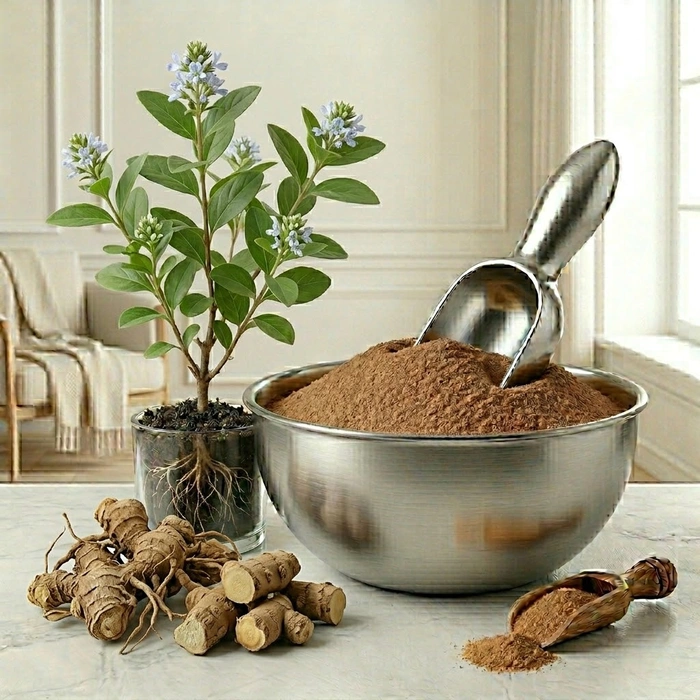
Kutki Root Powder – India-Origin Himalayan Botanical for Global B2B Buyers
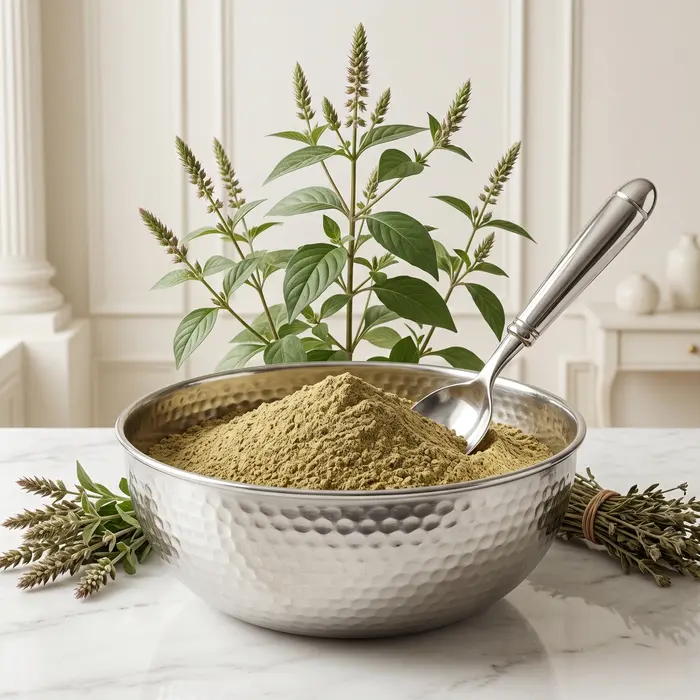
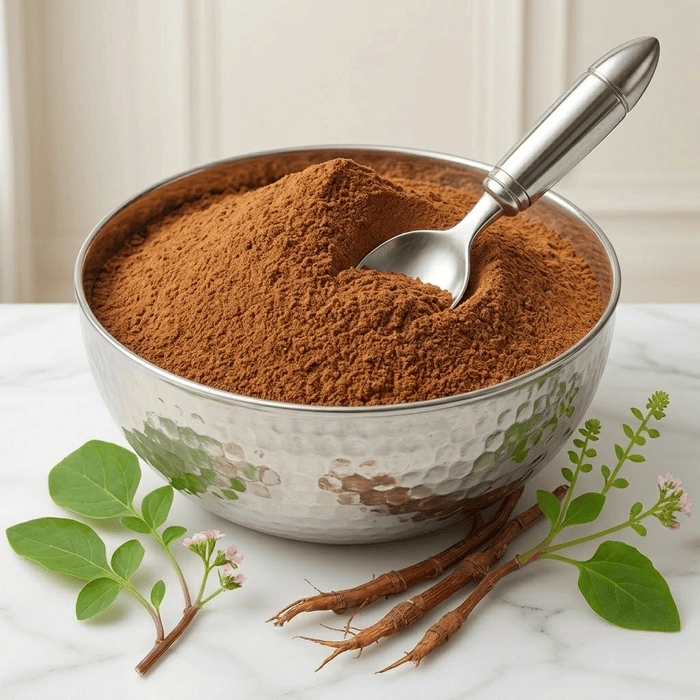
Kutki Root Powder is a traditional botanical raw material obtained from the dried roots and rhizomes of Picrorhiza kurroa. Native to high-altitude Himalayan regions, this perennial herb belongs to the Plantaginaceae family and has been valued in Ayurveda and other traditional herbal systems for generations. The plant is naturally associated with India, Nepal and Bhutan and generally grows at elevations of approximately 3,000–5,000 metres.
The underground portions are carefully selected, cleaned, dried and finely ground to create a convenient powdered ingredient for commercial formulation. Its intensely bitter character is a distinctive botanical feature. The material is relevant to Ayurvedic preparations, herbal supplements, nutraceutical concepts, botanical wellness products, selected cosmetic formulations and international raw-material sourcing.
For overseas procurement, botanical authentication, responsible sourcing, controlled processing, consistent particle size, moisture management, packaging and destination-specific documentation are important considerations.
Scientific Identity and Himalayan Raw Material
The botanical name of Kutki is Picrorhiza kurroa, while traditional names include Katuki, Kutaki and Katuki Jadd. The plant part used commercially is the root and rhizome, supplied in dried powdered form.
For buyers searching for Picrorhiza kurroa Root Powder, scientific identification provides a clear reference when purchasing an India-origin botanical ingredient. This is particularly important for international buyers because common names can differ between regions and markets.
Kutki is closely connected with the Himalayan ecosystem. Since natural populations can experience pressure from harvesting, responsible sourcing and authentication are important considerations for maintaining dependable commercial availability.
Ayurvedic Formulation Potential
Kutki has a long history of traditional Ayurvedic use, particularly in formulations associated with liver wellness, digestive balance, Pitta management and traditional cleansing concepts. Manufacturers may incorporate the powdered material into churna, herbal powders, decoctions, capsules, tablets, syrups, digestive blends and traditional wellness combinations.
For businesses developing traditional Indian botanical products, Kutki Ayurvedic Ingredient sourcing provides an India-origin raw material for suitable formulations.
The fine powder format makes handling, weighing and blending convenient for manufacturers. Final formulation composition, dosage and labeling should be established according to the intended application and regulations applicable in the destination market.
Liver and Digestive Formulation Applications
One of Kutki's most recognized traditional applications is its association with liver wellness. Ayurvedic preparations have traditionally incorporated the herb into concepts surrounding normal liver function, natural detoxification and bile-flow support. Research has also examined picrosides for their potential hepatoprotective activity, although scientific findings should not be presented as guaranteed therapeutic outcomes.
Kutki is also traditionally associated with digestion and appetite. Its bitter botanical profile has contributed to its use in preparations developed around normal digestion, appetite support, occasional indigestion, gas, bloating and bowel wellness.
These characteristics make the material relevant for manufacturers looking for a Kutki Herbal Raw Material for traditional digestive and botanical wellness formulations.
Herbal Supplement Manufacturing
The dried root material can be evaluated for herbal supplement development. Its naturally occurring iridoid glycosides, phenolic compounds and other constituents contribute to its botanical profile.
Potential formats include:
- Herbal supplement powders
- Botanical capsules
- Herbal tablets
- Ayurvedic churna
- Traditional wellness blends
- Botanical combinations
A Kutki Herbal Supplement can be developed only according to the intended product category, formulation requirements and applicable destination-market rules.
For international manufacturers seeking a Kutki Botanical Ingredient, the powdered form offers a practical raw material for blending and further processing.
Nutraceutical Ingredient Applications
Nutraceutical manufacturers may explore Picrorhiza kurroa in plant-based wellness formulations. The roots and rhizomes contain naturally occurring compounds, especially picrosides and related iridoid glycosides, that have attracted scientific interest.
Potential applications include botanical wellness supplements, liver-focused concepts, digestive formulations, antioxidant-oriented blends and traditional botanical combinations.
A Kutki Nutraceutical Ingredient specification can be established according to the intended application. Natural constituent levels can vary with geographical origin, growing conditions, harvesting stage, processing and storage, so buyers requiring particular analytical parameters should define them before procurement.
Phytochemical Composition of Kutki
Kutki contains several naturally occurring compounds that contribute to its characteristic botanical profile.
Important constituents include:
- Picroside-I
- Picroside-II
- Picroside-III
- Kutkoside
- Kutkin
- Picrorrhizin
- Apocynin
- Vanillic acid
- Ferulic acid
- Caffeic acid
Other reported components include iridoid glycosides, flavonoids, alkaloids, sterols, tannins, mannitol, resins, carbohydrates, proteins, dietary fibre and trace minerals.
The actual phytochemical profile may vary according to botanical origin and processing conditions. Therefore, commercial specifications should be based on the particular grade and buyer requirements.
Traditional Characteristics and Botanical Profile
Ayurvedic descriptions associate Kutki with a bitter taste, light and dry qualities, cooling potency and a pungent post-digestive effect. Traditional use also associates the botanical with Pitta and Kapha balancing.
The material has traditionally been described in relation to digestive support, cleansing concepts, antioxidant characteristics and liver wellness.
These descriptions belong to traditional herbal practice and should not be interpreted as guaranteed medical outcomes.
Skin and Personal-Care Development
Kutki may also be evaluated for selected plant-based cosmetic and personal-care formulations. Traditional herbal practices have associated the botanical with skin wellness and purification-oriented preparations.
Potential applications include:
- Herbal face packs
- Botanical skin powders
- Natural cleansing formulations
- Herbal creams
- Botanical personal-care blends
- Traditional skin-care preparations
A Kutki Cosmetic Ingredient can be assessed by cosmetic manufacturers according to formulation compatibility, stability, microbiological quality and destination-market requirements.
Companies sourcing a Kutki Skin Care Ingredient should establish the intended cosmetic application and required technical specifications before commercial production.
Respiratory and Seasonal Botanical Concepts
Traditional herbal systems have also used Kutki in respiratory-oriented preparations. The botanical may be considered for formulations developed around general respiratory comfort and seasonal wellness.
Potential formats include herbal powders, capsules, traditional syrups and botanical combinations.
Manufacturers considering a Kutki Respiratory Wellness Ingredient should establish the finished-product formulation and marketing claims according to applicable regulations. Traditional use and preliminary research should not be presented as proof of treatment for medical conditions.
Herbal Tea and Functional Botanical Blends
Kutki has an intensely bitter character, making it more appropriate for carefully balanced botanical blends than for conventional flavour applications.
Manufacturers may explore it in selected herbal tea combinations or functional botanical preparations where its traditional profile is suitable. It can be combined with other appropriate botanical materials to develop a balanced formulation.
The final inclusion level, formulation design and labeling should be determined by the finished-product manufacturer.
Research Interest in Picrorhiza kurroa
Scientific investigations have examined Picrorhiza kurroa and its naturally occurring constituents, particularly picrosides. Research has explored antioxidant, anti-inflammatory, immunomodulatory and antimicrobial properties. Some preliminary studies have also investigated respiratory, metabolic and other biological pathways.
However, research outcomes can vary according to plant material, extraction method, concentration and experimental model. Laboratory and animal findings should not automatically be interpreted as evidence of clinical effectiveness in humans.
For international product development, scientific information should therefore be distinguished from traditional Ayurvedic applications.
From Himalayan Root to Commercial Powder
Consistent processing is important for maintaining the physical quality of dried botanical material.
A typical sequence may involve:
- Selection of authenticated roots and rhizomes
- Removal of foreign material
- Cleaning and sorting
- Controlled drying
- Inspection
- Grinding
- Sieving to the required mesh
- Quality evaluation
- Suitable packaging
Controlled handling can help maintain natural colour, aroma, bitterness, moisture level and physical consistency.
For buyers comparing a Kutki Powder Bulk Supplier, particle-size consistency and batch-level quality can be important considerations for further manufacturing.
Technical Requirements for Global Procurement
International buyers may establish specifications covering botanical identity, root/rhizome authentication, appearance, colour, aroma, moisture, foreign matter and particle size.
Additional requirements may include microbiological parameters, heavy-metal limits, pesticide residues and packaging specifications.
A professional Kutki Root Powder Supplier can therefore be evaluated on botanical authenticity, processing controls, technical communication and ability to meet buyer-specific requirements.
Exact acceptance criteria should be established according to the finished application and destination-market regulations.
Bulk B2B Sourcing from India
Commercial quantities can be supplied for manufacturers, distributors and international buyers seeking a Himalayan botanical ingredient.
Potential customers include:
- Ayurvedic manufacturers
- Herbal product companies
- Nutraceutical businesses
- Botanical supplement brands
- Cosmetic manufacturers
- Personal-care companies
- Herbal ingredient distributors
- Private-label businesses
- International importers
- Wholesale buyers
Businesses requiring Bulk Kutki Root Powder can communicate their required quantity, mesh size, packaging format, quality parameters and destination.
For commercial procurement, a Kutki Root Powder Wholesale Supplier arrangement may be structured around recurring requirements, agreed specifications and shipment planning.
India-Based Manufacturer and Exporter
For overseas companies searching for a Kutki Root Powder Manufacturer in India, key procurement considerations include authentic botanical identification, responsible raw-material sourcing, controlled drying, grinding consistency and quality evaluation.
An India-origin Kutki Root Powder Exporter from India can support international buyers seeking botanical material for Ayurvedic, herbal, nutraceutical, wellness and selected cosmetic applications.
Businesses comparing a Kutki Root Powder B2B Supplier can evaluate product specifications, packaging, documentation, batch consistency and export requirements before confirming an order.
Because the herb is associated with high-altitude Himalayan ecosystems, responsible sourcing is particularly relevant to long-term supply.
International Market Supply
Kutki Root Powder can be considered for commercial sourcing across several international markets, with requirements varying according to country, product classification and intended application.
For American importers, Kutki Root Powder Export to USA may involve botanical specifications, analytical documentation, packaging information and applicable regulatory requirements.
UK buyers can discuss Kutki Root Powder Export to UK requirements according to their finished-product category.
European businesses may enquire about Kutki Root Powder Export to Europe for appropriate herbal, Ayurvedic and botanical applications.
German importers can evaluate Kutki Root Powder Export to Germany according to their technical and destination-specific requirements.
For Middle Eastern procurement, Kutki Root Powder Export to UAE can be discussed according to quantity, packaging, application and import conditions.
Australian businesses may consider Kutki Root Powder Export to Australia subject to applicable import requirements.
For Korean buyers, Kutki Root Powder Export to South Korea can be evaluated according to product specifications, intended use and destination-market conditions.
Private-Label and OEM Requirements
International brands may require customized botanical ingredients for their own product ranges. Kutki Root Powder Private Label supply can involve customized packaging, labeling, commercial quantities and buyer-specific specifications.
An Kutki Root Powder OEM Supplier arrangement may be considered for suitable customized botanical product development.
Possible requirements include:
- Powder fineness
- Mesh size
- Packaging quantity
- Bulk packing
- Private labeling
- Technical specifications
- Documentation
- Buyer-specific requirements
Packaging and labeling should be finalized according to the finished product and applicable destination regulations.
Export Packaging and Documentation
Suitable packaging helps protect powdered botanical material during international transportation. Exposure to moisture, humidity, direct sunlight, excessive heat, contamination and external odors should be minimized.
Depending on the order and destination, buyers may request:
- Certificate of Analysis
- Technical Data Sheet
- Safety Data Sheet, where applicable
- Certificate of Origin
- Phytosanitary documentation, where applicable
- Microbiological analysis
- Buyer-specific technical documentation
The required documentation should be confirmed according to the destination, application and buyer specification.
Storage and Shelf Stability
The product should be stored in airtight packaging in a cool, dry and dark environment. The recommended storage range is approximately 15°C–25°C while protecting the material from direct sunlight, moisture and excessive heat.
It should be kept away from strong-smelling substances and securely resealed after opening. Mould, abnormal clumping, unpleasant odour or visible contamination are reasons not to use the material.
The product information indicates an approximate shelf-life of 24–36 months under suitable storage conditions. Opened material is preferably used within approximately 6–12 months when properly stored.
International Procurement from India
Businesses searching for Kutki Root Powder Manufacturer, Supplier & Global Exporter from India can evaluate this India-origin Himalayan botanical for suitable Ayurvedic, herbal, nutraceutical, botanical supplement, wellness and selected cosmetic applications.
For bulk enquiries, international buyers can provide the required quantity, mesh, packaging preference, intended application, destination country and documentation requirements.
A reliable commercial specification should be finalized before shipment so that botanical identity, physical characteristics, quality parameters, packaging and destination-market requirements are clearly established.
Kutki Root Powder therefore serves as an India-origin botanical raw material for international B2B manufacturers, importers, distributors, wholesalers and private-label businesses seeking dried Picrorhiza kurroa roots and rhizomes in powdered form.








.webp)



.webp)
.webp)
.webp)
.webp)
.webp)
.webp)
.webp)
.webp)
.webp)
.webp)
.webp)
.webp)
.webp)