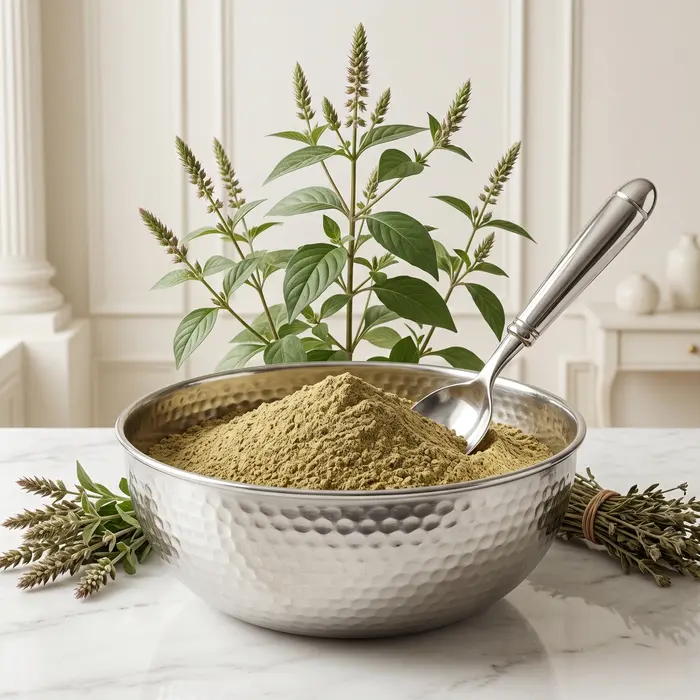

Rose petal powder: Gulab Patti Powder - Rose Powder
Botanical Name : Rosa centifolia
Form : Dry Powder
Rose Petal Powder is a finely processed botanical ingredient prepared from carefully dried rose petals and used across cosmetic, personal-care, herbal, wellness, food, beverage, fragrance and spa-oriented product development. Derived from the petals of Rosa centifolia, this botanical powder is valued by professional manufacturers for its characteristic floral aroma, fine texture, natural botanical character and versatility in formulation. Vardhman Nutrition Co. supplies this plant-based ingredient from India for international B2B procurement programs involving importers, distributors, manufacturers, private-label businesses, herbal product companies and other commercial buyers.
For international sourcing, product identity, raw-material consistency, suitable processing, packaging and dependable commercial supply are important considerations. Our supply approach is focused on providing a consistent botanical material suitable for manufacturing applications rather than retail-oriented consumer packs. Buyers looking for a reliable Rose Petal Powder Manufacturer in India can evaluate the material according to their intended application, required quantity, packaging preference and destination-market requirements.
The botanical material is commonly known by several names in different markets, including Rose Powder, Gulab Patti Powder, Shatapatri Gulab, Cabbage Rose and Provence Rose. These names may appear in product specifications, formulation discussions, traditional herbal literature or commercial sourcing documents, while the botanical identity provides a clearer reference for professional procurement.
The botanical source associated with this material is Rosa centifolia, belonging to the Rosaceae family. The finished ingredient is produced by drying rose petals and reducing them into a fine powder suitable for blending into different formulations. The material retains the characteristic floral profile associated with rose petals, while its powdered form makes it convenient for incorporation into dry and semi-solid product systems.
For commercial buyers, the identity of the raw material is an important part of procurement. A properly identified botanical ingredient supports better specification development, documentation and application planning. The physical characteristics generally considered during evaluation include powder texture, visual appearance, characteristic aroma, moisture condition, cleanliness and consistency between batches.
Because botanical materials can naturally vary according to cultivation conditions, harvest timing, drying practices and processing parameters, buyers may establish their own technical specifications according to the final application. This is particularly relevant for manufacturers purchasing material on a recurring basis and requiring predictable raw-material performance.
The powdered format provides a practical option for manufacturers that require a dry botanical ingredient for formulation development. The fine texture can support blending with other compatible botanical materials, while the characteristic fragrance can contribute to products where a recognizable floral sensory profile is desirable.
A key commercial advantage of this format is its flexibility. The same botanical material can be considered for several manufacturing categories, including facial preparations, body-care products, herbal blends, spa formulations, traditional preparations, food applications and fragrance-oriented products. The final suitability depends on the manufacturer's formulation, intended use, regulatory requirements and product specifications.
For buyers comparing different botanical ingredients, the material can be assessed on parameters such as botanical identity, particle characteristics, aroma, moisture, cleanliness, packaging condition and batch consistency. Such evaluation helps international manufacturers select raw materials according to their own production standards.
Rose-derived botanical ingredients have a long association with beauty preparations. In modern manufacturing, powdered petals can be incorporated into dry masks, scrubs, cleansing preparations, body powders and other botanical beauty concepts. The fine material can provide both botanical functionality and a recognizable rose-associated sensory profile.
Rose Petal Powder for Skin Care can be considered for formulations such as facial masks, herbal cleansing blends, exfoliating preparations, body-care powders and spa products. Traditional cosmetic practices have used rose petals in preparations intended to refresh and condition the appearance of the skin. Modern product developers may incorporate the powder into formulation concepts based on their own technical requirements.
For cosmetic manufacturers, the ingredient may be evaluated according to texture, aroma, color characteristics and compatibility with the intended formulation base. Dry powder applications can include botanical face packs, cleansing powders, scrubs and mask systems, while suitable formulation processes can determine how the material performs in finished products.
Botanical beauty manufacturers may use rose petal material in facial masks, cleansing blends, body powders and spa-oriented preparations. Its floral identity can also contribute to sensory positioning in products designed around botanical beauty traditions.
The ingredient can be combined with compatible botanical powders and other formulation components according to the manufacturer's development objectives. Finished-product developers should determine compatibility, concentration, processing conditions and final specifications through their own formulation and quality procedures.
Rose petals are also relevant to botanical personal-care concepts involving hair and scalp preparations. Rose Petal Powder for Hair Care may be evaluated for herbal hair masks, scalp-care blends, botanical cleansing systems and conditioning-oriented preparations.
The fine powder format allows manufacturers to explore dry herbal blends where rose is included as one botanical component. Its characteristic fragrance can also be relevant to sensory positioning in personal-care products. The final application should be determined through formulation testing because product performance depends on the complete ingredient system rather than on one botanical material alone.
Manufacturers developing botanical hair products may assess particle size, aroma, moisture and compatibility with other ingredients before establishing a commercial formula. This approach supports consistent product development and helps maintain repeatable production standards.
Beyond facial and hair formulations, rose petal powder can be incorporated into a broad range of personal-care concepts. Potential categories include body scrubs, bath preparations, herbal body powders, spa blends, cleansing products and botanical beauty formulations.
Rose Petal Powder for Personal Care is therefore relevant to manufacturers seeking plant-derived ingredients with a recognizable botanical identity and floral sensory character. Depending on the formulation, the material can be incorporated into dry blends, masks, powders and other suitable preparation formats.
Spa and wellness brands can also explore the material for botanical treatment concepts where appearance, aroma and traditional botanical positioning are important. Manufacturers remain responsible for determining the appropriate formulation, product claims, testing and regulatory compliance for their finished products.
Rose petals have applications beyond cosmetics and personal care. In suitable food-grade applications, rose botanical material can be considered for traditional and contemporary food and beverage development. Potential concepts include herbal teas, rose beverages, syrups, desserts, confectionery products and traditional preparations such as Gulkand.
Rose Petal Powder for Food and Beverage can be evaluated by food manufacturers according to their intended product category and applicable food regulations. The floral character of rose makes it relevant to products where a distinctive botanical flavor or aroma is desired.
Food and beverage manufacturers may explore its use in dry blends, beverage mixes, dessert preparations, confectionery concepts and other suitable formulations. Application suitability should always be confirmed against the relevant food-grade specification, processing conditions and destination-market requirements.
Rose petals have a long history of use in traditional botanical practices. The material may be considered for herbal preparations and traditional wellness blends where rose is included for its established botanical identity and sensory characteristics.
Rose Petal Powder for Herbal Products can be incorporated into suitable traditional formulations according to the manufacturer's product concept and applicable standards. Rose is associated with traditional Ayurveda and Unani preparations, where botanical ingredients may be selected according to established formulation practices.
Traditional descriptions have associated rose preparations with cooling, refreshing and digestive-support concepts. These traditional uses should not be interpreted as guaranteed medical effects. Modern manufacturers should establish finished-product claims only according to appropriate evidence, regulations and market requirements.
The characteristic fragrance of rose petals makes this botanical material relevant to fragrance-oriented formulations and aromatic product development. Manufacturers can evaluate it for fragrant powders, botanical fragrance blends, personal-care products and selected traditional aromatic preparations.
Rose Petal Powder for Fragrance Products can provide a dry botanical component where a recognizable floral profile is desired. Its suitability depends on the formulation system, processing method and sensory objectives of the finished product.
The material can also be considered in spa and wellness concepts where botanical appearance and floral aroma form part of the overall product experience. Product developers should conduct their own compatibility and sensory evaluation before commercial production.
Rose petals contain naturally occurring plant compounds that have attracted interest in botanical and formulation research. The source material may contain flavonoids such as quercetin and kaempferol, along with anthocyanins and various phenolic compounds.
Reported phenolic constituents associated with rose materials include compounds such as gallic acid, ellagic acid and caffeic acid. Rose petals may also contain vitamins and minerals, including vitamin C, vitamin A and vitamin E, as well as minerals such as calcium, magnesium, potassium, iron and zinc.
The concentration and profile of naturally occurring constituents can vary according to botanical source, cultivation conditions, harvest period, drying process and other handling factors. Therefore, these constituent references should be treated as general botanical information rather than as a guarantee of a specific concentration in every commercial batch.
Rose has been associated with traditional botanical preparations involving soothing, cooling, refreshing and astringent concepts. Its characteristic aroma has also contributed to its long-standing role in beauty, fragrance and wellness traditions.
Scientific interest in rose materials includes investigation of naturally occurring antioxidant compounds and other plant constituents. However, research outcomes can differ according to the botanical material, extraction or preparation method, experimental design and study conditions. For this reason, product manufacturers should distinguish between traditional use and substantiated finished-product claims.
For commercial formulation, the primary consideration remains the actual specification and intended application of the supplied botanical material. Manufacturers can conduct their own technical, sensory and stability evaluation before selecting the ingredient for a final product.
Commercial preparation begins with suitable rose petals that are carefully dried before being processed into a powdered form. Proper drying is important for maintaining the desired condition of the botanical material and preparing it for subsequent milling and packaging.
The dried petals are finely ground to obtain a consistent powder suitable for the intended manufacturing application. Processing considerations may include material cleanliness, powder texture, aroma retention, moisture condition and batch uniformity.
For international B2B procurement, consistency is particularly important because manufacturers often integrate botanical ingredients into standardized production systems. Buyers can define their required specifications according to application, quantity and destination-market expectations.
Quality evaluation of botanical powders typically begins with correct botanical identification and appropriate raw-material selection. For commercial procurement, buyers may also review physical characteristics such as appearance, texture, aroma, moisture condition and cleanliness.
Indian Rose Petal Powder intended for international trade should be evaluated according to the requirements of the purchasing company and destination market. Depending on the application, buyers may request technical specifications, batch information, packaging details and other relevant commercial documentation.
Batch-to-batch consistency is an important consideration for manufacturers using botanical ingredients in recurring production. Maintaining suitable processing and packaging practices can help support consistent material handling throughout the supply chain.
Bulk Rose Petal Powder is suitable for commercial buyers who require botanical material for ongoing manufacturing, wholesale distribution, formulation development or private-label production. Bulk purchasing allows professional buyers to define quantity, packaging and specification requirements according to their individual business model.
Typical commercial buyers can include cosmetic manufacturers, herbal product companies, personal-care brands, nutraceutical businesses, food manufacturers, fragrance companies, spa and wellness brands, botanical distributors and wholesale traders.
A bulk sourcing program can be structured around the buyer's required quantity, intended application, packaging format, destination and technical specifications. This allows the material to be evaluated as a manufacturing input rather than as a consumer retail product.
Wholesale Rose Petal Powder is relevant to importers, distributors and botanical ingredient traders that purchase material for resale or further distribution. Wholesale buyers generally require clear product identification, suitable packaging, consistent supply and documentation appropriate for their market.
For distributors serving cosmetic, herbal, food or personal-care manufacturers, the ability to procure a consistent botanical material from an established Indian supply source can support their own downstream customer programs. Quantity requirements and packaging can be discussed according to the intended distribution model.
Rose Petal Powder for Private Label programs can be considered by brands developing botanical beauty, herbal, personal-care, spa or wellness products. Private-label requirements may involve specific packaging, labeling, product format and quantity expectations depending on the buyer's market.
For manufacturers seeking Rose Petal Powder for OEM Manufacturing, the material can be evaluated as a botanical raw ingredient for suitable product concepts. OEM and customized programs should be developed around the buyer's formulation requirements, packaging specifications and applicable destination-market standards.
Private-label and OEM buyers may also define their own technical specifications for particle characteristics, packaging, labeling and batch documentation. These requirements can be considered during commercial discussions before finalizing a supply program.
International buyers searching for a dependable Rose Petal Powder Supplier from India can evaluate supply according to botanical identity, processing quality, quantity capability, packaging requirements and export destination. India provides an established environment for sourcing botanical raw materials, and commercial buyers can develop supply programs based on their specific requirements.
As a manufacturer and export-oriented supplier, Vardhman Nutrition Co. focuses on B2B botanical supply for international customers. The material can be considered by importers, wholesalers, distributors, manufacturers, formulation companies and private-label businesses requiring commercial quantities.
The product is supplied as a botanical raw material for professional applications. Buyers can specify their desired quantity, application, packaging preference and destination while discussing procurement requirements.
Rose Petal Powder Exporter from India supply programs are designed around the requirements of overseas B2B buyers. International procurement may involve larger quantities, specific packaging, documentation and shipment planning based on the destination country and buyer requirements.
Rose Petal Powder from India can be sourced for manufacturing and distribution programs in markets including the United States, United Kingdom, Germany, Europe, UAE, Australia and South Korea. Each destination can have different regulatory, documentation, labeling and import expectations, so buyers should establish their market-specific requirements before placing commercial orders.
For companies developing an India to USA Rose Petal Powder Supply program, commercial discussions can focus on required quantity, intended application, packaging, technical documentation and destination-specific import requirements. Cosmetic, herbal, food and personal-care buyers may have different specifications depending on their finished product category.
Professional importers can communicate their application and documentation requirements before confirming a shipment. This helps establish a supply specification that is appropriate for the buyer's intended use and market.
India to UK Rose Petal Powder Supply can support commercial sourcing programs for importers, distributors and manufacturers seeking botanical raw materials from India. Buyers can define their preferred packaging, quantity, application and documentation requirements during procurement discussions.
For German buyers, an India to Germany Rose Petal Powder Supply program can be structured around the technical and commercial specifications required by the importing organization. European procurement programs may similarly require product information and documentation aligned with the buyer's specific market and application.
An India to Europe Rose Petal Powder Supply arrangement can serve cosmetic, personal-care, herbal, food, fragrance and botanical distribution businesses. Since European markets can involve different product-category requirements, buyers should communicate the exact intended application when requesting commercial information.
International sourcing also extends to buyers developing an India to UAE Rose Petal Powder Supply program. UAE importers, distributors and manufacturers may evaluate the material for beauty, personal-care, herbal, fragrance and wellness-oriented product categories.
For Australian businesses, an India to Australia Rose Petal Powder Supply program can be discussed according to the required application, quantity, packaging and destination requirements. Similarly, manufacturers and importers seeking an India to South Korea Rose Petal Powder Supply can define their product specifications and commercial requirements before confirming an order.
Across all export destinations, the exact documentation and import conditions can vary according to the product category and local regulations. Buyers should therefore provide their destination and intended application when requesting a quotation or technical information.
Companies planning to buy Rose Petal Powder in bulk can communicate their expected quantity, application, packaging format and delivery destination. These details help establish the appropriate commercial supply requirements.
Bulk procurement can be suitable for manufacturers with regular production schedules, distributors maintaining inventory and private-label businesses developing botanical product ranges. Buyers may also request product specifications and other relevant information before moving to commercial evaluation.
A clear procurement brief can include the desired botanical identity, intended application, estimated order quantity, packaging preference and destination country. This provides a practical basis for discussing the supply program.
Packaging plays an important role in maintaining the condition of powdered botanical materials during storage and transportation. Commercial packaging should protect the material from moisture, excessive humidity, contamination and unsuitable handling conditions.
For export shipments, packaging requirements can be discussed according to quantity, transportation method, destination and buyer preference. International buyers may specify their preferred pack size or packaging configuration based on their manufacturing and warehousing systems.
Suitable sealed packaging also helps protect the botanical material from external environmental exposure during transportation and storage. The final packaging specification should be established according to the buyer's requirements and applicable shipment conditions.
Rose petal powder should be stored in a clean, dry and properly sealed environment. Exposure to humidity, direct sunlight and unsuitable storage conditions should be avoided. The material should also be kept away from strongly scented materials that could affect its characteristic aroma.
During handling, clean and dry utensils should be used to reduce the possibility of contamination or moisture exposure. Proper warehouse conditions can help maintain the physical and sensory characteristics of the botanical powder during its intended storage period.
Under suitable storage conditions and appropriate packaging, the source material indicates a general shelf-life consideration of approximately 18 to 24 months. Actual shelf life should be determined according to the applicable product specification, packaging system and storage environment.
The commercial relevance of this botanical ingredient comes from its combination of recognizable botanical identity, fine powder format, characteristic floral aroma and broad formulation potential. Manufacturers can evaluate it for cosmetic, personal-care, hair-care, herbal, food, beverage, fragrance and spa-oriented applications.
For a cosmetic manufacturer, the focus may be texture and botanical positioning. A food producer may focus on food-grade suitability and sensory characteristics. A herbal manufacturer may evaluate traditional formulation compatibility, while a distributor may prioritize packaging, consistency and commercial supply.
This application flexibility allows the same botanical raw material to serve different B2B markets while still requiring application-specific quality evaluation. The final use should always be determined by the buyer's formulation requirements and applicable regulations.
International buyers evaluating this botanical material can begin with a clear procurement specification. The most useful information generally includes required quantity, intended application, preferred packaging, destination country and any specific technical or documentation requirements.
A buyer looking for a Rose Petal Powder Wholesale Supplier can discuss regular quantity requirements and distribution needs. Manufacturers requiring a Bulk Rose Petal Powder Supplier can specify their production volume and preferred packaging. These details help align the commercial supply with the buyer's operational requirements.
For buyers comparing botanical suppliers, attention can be given to product identity, processing consistency, physical characteristics, packaging, documentation and the supplier's ability to support recurring B2B requirements. This provides a more practical basis for procurement than evaluating the botanical ingredient by name alone.
Before introducing a botanical powder into a finished product, manufacturers should conduct appropriate internal evaluation. Depending on the intended application, this may include appearance assessment, aroma evaluation, moisture review, formulation compatibility, stability testing and other quality checks relevant to the final product.
This technical approach is particularly useful for buyers developing new formulations or moving from laboratory-scale trials to commercial production. Establishing a defined raw-material specification can also help maintain consistency when repeat orders are placed.
Where destination-market regulations apply, the importing company should confirm the relevant requirements for its finished product category and intended use. Product information supplied during procurement should be reviewed against the buyer's own compliance procedures.
It is a finely ground botanical material prepared from carefully dried rose petals, associated with Rosa centifolia. It is used in cosmetic, personal-care, herbal, food, beverage, fragrance and spa-oriented product development.
The source material described for this product is Rosa centifolia, a member of the Rosaceae family.
Yes. Manufacturers can evaluate the material for suitable cosmetic applications such as masks, scrubs, cleansing preparations, body powders and botanical beauty products, subject to their own formulation and quality requirements.
It can be evaluated for suitable herbal hair masks, scalp-care preparations, botanical cleansing concepts and other personal-care formulations. Final suitability depends on the complete formulation.
Rose petals are associated with food and beverage applications such as herbal teas, rose beverages, syrups, desserts, confectionery and Gulkand. For commercial food use, the buyer should confirm the required food-grade specification and applicable regulations.
Importers, wholesalers, distributors, cosmetic manufacturers, personal-care brands, herbal product companies, food manufacturers, fragrance businesses, nutraceutical companies, spa and wellness brands and private-label businesses can evaluate the material according to their application and commercial requirements.
The product is positioned for international B2B supply to markets including the USA, UK, Germany, Europe, UAE, Australia, South Korea and other overseas destinations, subject to the buyer's requirements and applicable import conditions.
Buyers can provide the required quantity, intended application, packaging preference, destination country and any technical or documentation requirements. This information helps establish an appropriate commercial supply specification.
For international manufacturers and distributors, the value of a botanical ingredient depends not only on its traditional identity but also on consistent commercial handling, suitable processing, appropriate packaging and clear procurement specifications. Rose petal powder offers a versatile botanical format for businesses developing beauty, personal-care, herbal, food, beverage, fragrance, spa and wellness products.
Vardhman Nutrition Co. supplies this botanical material from India for professional B2B requirements. Buyers can discuss their desired quantity, intended application, packaging requirements and export destination to establish a suitable supply program.
Whether the requirement is for cosmetic formulation, personal-care manufacturing, herbal product development, food and beverage applications, fragrance concepts, wholesale distribution or private-label production, the product can be evaluated according to the technical and commercial needs of the purchasing organization.
For businesses seeking a reliable botanical ingredient for international manufacturing and distribution, the next step is to define the required quantity, application, packaging format and destination market. Providing these details allows the supply requirement to be evaluated clearly and supports a more precise B2B procurement discussion.




.webp)


.webp)
.webp)
.webp)
.webp)
.webp)
.webp)
.webp)
.webp)
.webp)
.webp)
.webp)
.webp)
.webp)