.webp)
Kachnar Bark Powder – Botanical Bark Ingredient for International B2B Export from India
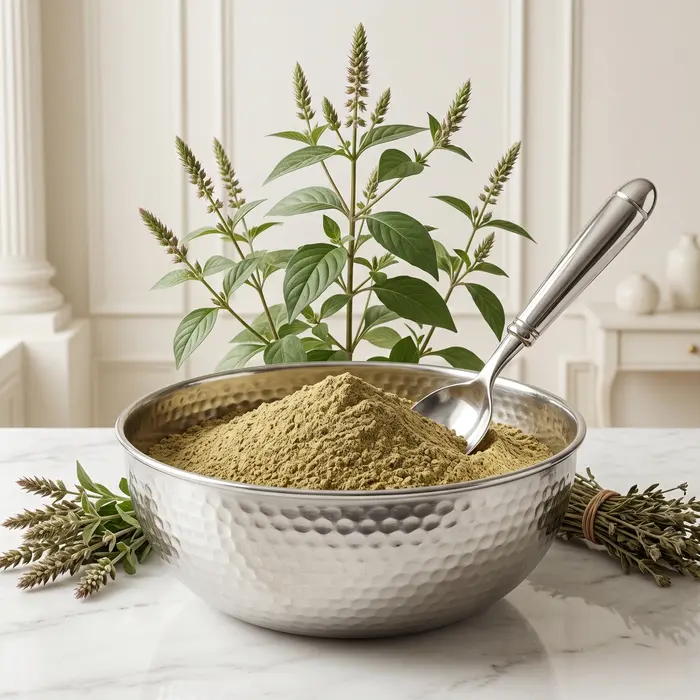
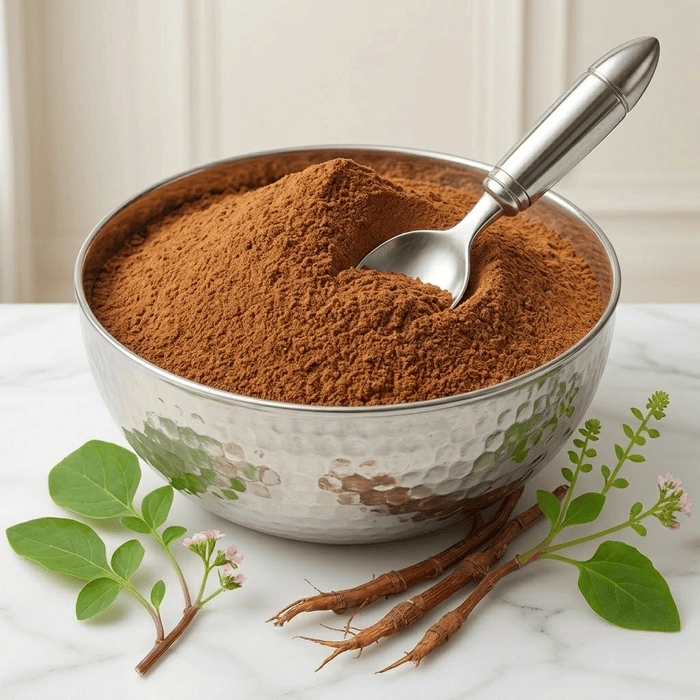
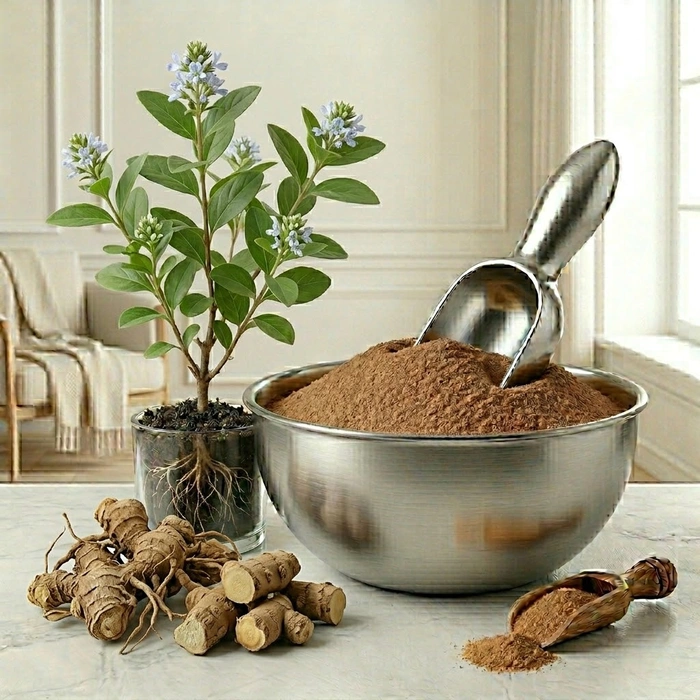
Kachnar Bark Powder is a botanical raw material prepared from the carefully selected, dried and finely ground bark of Bauhinia variegata. Known traditionally as Kachnar, this plant has a long association with Indian Ayurvedic and herbal practices. The powdered bark provides a convenient form for manufacturers, formulators, distributors and international buyers who require a plant-based raw material for commercial herbal, botanical, nutraceutical, cosmetic and personal-care applications.
For international sourcing, botanical identity, plant-part authenticity, controlled processing, consistent particle size, moisture management and appropriate packaging are important considerations. Buyers can specify their desired grade, quantity, packaging format and technical requirements according to their finished-product application and destination market.
The botanical material is associated with several regional names, including Kachnaar Chaal, Kanchnar Chhal, Mountain Ebony and Orchid Tree. Its botanical identity is Bauhinia variegata, belonging to the Fabaceae family, with bark being the plant part used for this powdered ingredient.
Botanical Profile and Raw-Material Characteristics
Bauhinia variegata is naturally distributed across India and several parts of South Asia, including Nepal, Bhutan, Pakistan and Sri Lanka, as well as parts of Southeast Asia. The tree is recognized for its distinctive flowers and traditional importance in Indian botanical practices.
The bark is selected as the raw material for powder production. After collection, suitable material is separated from unwanted foreign matter and processed through cleaning and drying procedures. Once adequately dried, the bark is ground into a powder suitable for weighing, blending and incorporation into different commercial formulations.
For buyers seeking Bauhinia variegata Bark Powder, accurate botanical identification is particularly important because local names can differ between regions and countries. Product specifications should therefore clearly identify the scientific name, plant part and physical form.
The resulting material can be supplied as a traditional dried botanical powder rather than as a standardized pharmaceutical active ingredient. Its suitability for a particular finished product depends on the formulation, intended use, destination-country requirements and buyer specifications.
Traditional Heritage and Botanical Formulation Relevance
Kachnar has been used traditionally in Ayurvedic preparations for applications associated with glandular wellness, digestive balance, skin care and general herbal wellness. The bark has also been included in traditional preparations where astringent and cleansing characteristics are valued.
Manufacturers developing traditional botanical formulations may work with Kachnar Herbal Powder as a plant-based raw material. The powdered format allows easier blending with other botanical materials and can be incorporated into different formulation concepts depending on the manufacturer's requirements.
The material is also recognized as a Kachnar Botanical Powder for businesses developing plant-based ingredient ranges. Such applications may include traditional herbal preparations, botanical blends and selected personal-care concepts.
For Ayurvedic manufacturers, Kachnar Ayurvedic Powder can serve as a raw botanical material for churna, traditional combinations and other preparations where the bark is an appropriate ingredient.
The term Ayurvedic Kachnar Powder may also be used by international buyers searching for an India-origin botanical material connected with traditional Ayurvedic formulation practices. Any finished-product claims, dosage, labeling and intended use should be established according to the applicable regulations of the target market.
Botanical Wellness and Formulation Opportunities
The traditional profile of Kachnar makes the bark relevant to manufacturers developing botanical wellness products. Its naturally occurring constituents include flavonoids, tannins, phenolic compounds and other plant compounds that have attracted scientific and botanical interest.
As a Kachnar Herbal Ingredient, the powdered bark may be evaluated for use in herbal formulations where a naturally derived plant material is required. The exact role of the ingredient should be determined by the formulator based on the finished product.
A Kachnar Botanical Ingredient can also be considered by manufacturers developing botanical blends, plant-based wellness products and traditional herbal formulations. The powder can be handled as a dry raw material and incorporated into suitable production processes.
For businesses working specifically with traditional Indian ingredients, a Kachnar Ayurvedic Ingredient provides an India-origin botanical option for formulations based on established Ayurvedic raw materials.
The material may also be evaluated as a Kachnar Herbal Supplement ingredient for appropriate botanical supplement concepts. Final product composition, serving instructions, labeling and regulatory positioning should always be determined according to the intended market and applicable requirements.
Nutraceutical Product Development Considerations
Nutraceutical manufacturers may explore Kachnar bark as a botanical component in plant-based formulations. Naturally occurring constituents reported in Bauhinia variegata include quercetin, kaempferol, tannins, phenolic compounds, alkaloids, glycosides, saponins, triterpenoids, steroids, phytosterols, beta-sitosterol, amino acids and other naturally occurring compounds.
These constituents contribute to the scientific interest surrounding the plant. However, the phytochemical composition may vary according to geographical origin, plant maturity, harvesting conditions, drying practices and processing.
For commercial formulators requiring a Kachnar Nutraceutical Ingredient, specifications should therefore be established according to the intended application rather than assuming identical characteristics for every botanical batch.
Potential formulation formats can include powdered blends, capsules, tablets, traditional herbal combinations and other botanical product formats where the raw material is appropriate.
Application in Natural Skin and Personal-Care Formulations
The traditional botanical character of Kachnar bark also creates opportunities for natural personal-care formulation. The powdered material can be evaluated by manufacturers developing plant-based cosmetic products where a dried botanical ingredient is suitable.
A Kachnar Cosmetic Ingredient may be considered for selected formulations such as botanical powders, face packs, scrubs, soaps, creams and other personal-care concepts.
Businesses developing botanical skin formulations may evaluate it as a Kachnar Skin Care Ingredient for products such as herbal face packs, botanical cleansing preparations, scrubs and powder-based personal-care products.
The suitability of the ingredient depends on the final formulation. Cosmetic manufacturers should assess compatibility, stability, microbiological quality, physical characteristics and applicable cosmetic regulations before commercializing a finished product.
Because powdered botanicals can absorb moisture and may be sensitive to environmental conditions, appropriate packaging and storage are also important during manufacturing and distribution.
Hair-Care and Scalp-Product Possibilities
Dried botanical powders are frequently explored by manufacturers producing traditional and plant-based hair-care preparations. Kachnar bark may be evaluated for selected formulations where a botanical powder is appropriate.
A Kachnar Hair Care Ingredient can be considered for botanical hair powders, masks, shampoos, scalp-care preparations and natural personal-care blends.
The ingredient may be combined with other suitable botanical materials according to the formulation objective. Particle size, moisture level, colour and physical consistency can influence handling and blending characteristics.
For commercial production, manufacturers should establish their own formulation compatibility and quality requirements before selecting the appropriate powder grade.
Naturally Occurring Constituents of the Bark
The botanical profile of Kachnar bark includes a range of naturally occurring plant compounds. Flavonoids such as quercetin and kaempferol, together with tannins and phenolic compounds, are among the constituents associated with Bauhinia variegata.
Other reported groups include alkaloids, glycosides, saponins, triterpenoids, steroids, phytosterols, beta-sitosterol and amino acids. The presence and concentration of individual compounds can vary according to botanical source and processing conditions.
For manufacturers purchasing Kachnar Raw Herb Powder, these natural characteristics are relevant when establishing raw-material specifications and quality expectations.
Where buyers require specific analytical parameters, testing requirements should be agreed before commercial production. This helps ensure that the supplied material corresponds with the buyer's intended application and technical specification.
Physical Properties Important for Commercial Formulation
For powdered botanical raw materials, physical consistency is an important part of commercial procurement. Buyers may evaluate appearance, colour, characteristic aroma, moisture content, foreign matter and particle size.
Particle-size requirements can be particularly relevant where the powder is intended for blending, capsule filling, tablet manufacturing, cosmetic preparations or other production processes.
The powder should be protected from excessive moisture because humidity can contribute to clumping and may affect the physical condition of the material. Appropriate packaging can help maintain the product during storage and international transportation.
Buyers can communicate required mesh or fineness specifications during enquiry so that the appropriate commercial grade can be discussed.
Controlled Preparation from Bark to Finished Powder
A consistent processing sequence helps maintain the physical quality of dried botanical material. Suitable bark is first selected according to the applicable raw-material requirements. Foreign material is removed before cleaning and sorting.
The cleaned bark is then dried under controlled conditions appropriate for maintaining the desired physical characteristics. After drying, the material is inspected before being reduced to powder through grinding.
Sieving can be used to achieve the required particle-size range. The processed material can then undergo quality evaluation before being packed for commercial supply.
For businesses comparing a Kachnar Powder Bulk Supplier, processing consistency is an important consideration because differences in moisture, colour, aroma and particle size can influence downstream manufacturing.
Quality Checks for International Procurement
International buyers may establish a product specification covering botanical identity, plant-part verification, appearance, colour, aroma, moisture, foreign matter and particle size.
Depending on destination and application, additional parameters can include microbiological testing, heavy-metal limits, pesticide-residue requirements and other buyer-specific analytical criteria.
Quality requirements should be finalized before shipment because regulations and documentation expectations can differ according to destination country, product classification and intended use.
For businesses evaluating a Kachnar Bark Powder Wholesale source, clear technical communication can help establish expectations regarding grade, quantity, testing and packaging before an order is confirmed.
Commercial Supply for Importers and Distributors
International buyers may source the material for manufacturing, distribution or further formulation. A Kachnar Bark Powder B2B Supplier arrangement can support businesses purchasing botanical material in commercial quantities.
Potential customers include Ayurvedic manufacturers, herbal-product companies, nutraceutical businesses, cosmetic manufacturers, personal-care brands, herbal supplement companies, botanical distributors, private-label businesses, international importers and wholesale buyers.
For buyers requiring larger quantities, Bulk Kachnar Bark Powder procurement can be structured around production schedules, required particle size, packaging configuration and technical specifications.
Businesses comparing a Kachnar Bark Powder Supplier can assess botanical authenticity, quality parameters, documentation, packaging capability, consistency and export experience before placing a commercial order.
India-Origin Manufacturing and Export Supply
India is an important source of traditional botanical raw materials, and Kachnar has a long-standing connection with Indian Ayurvedic and herbal practices. For overseas businesses, sourcing directly from India can provide access to India-origin botanical material intended for international commercial applications.
An established Kachnar Bark Powder Manufacturer can support buyers by maintaining defined raw-material handling, drying, grinding, sieving and packaging procedures.
For companies searching for Kachnar Bark Powder Manufacturer in India, important procurement factors include botanical identification, plant-part authenticity, production consistency and the ability to communicate specifications for international orders.
A Kachnar Bark Powder Exporter from India can work with overseas importers according to destination-specific documentation, packaging and shipment requirements.
International buyers should confirm the applicable import rules, labeling requirements, testing standards and product classification in their destination country before shipment.
Wholesale and Large-Volume Procurement
Wholesale procurement is relevant for businesses that require botanical powder for continuous manufacturing or distribution. A Kachnar Bark Powder Wholesale Supplier can provide commercial quantities according to agreed product specifications.
Order discussions may include required quantity, particle size, packaging format, moisture limits, testing parameters, documentation and destination.
For companies requiring a Kachnar Bark Powder Exporter, commercial discussions can be structured around shipment destination, product application, quantity and technical requirements.
Where buyers require recurring supply, production planning can be aligned with expected consumption and agreed quality specifications.
Export Markets for India-Origin Kachnar Bark Powder
International demand for botanical ingredients comes from manufacturers, distributors and importers across different regions. Export requirements, however, are not identical between countries.
For American buyers, Kachnar Bark Powder Export to USA requirements may involve suitable botanical documentation, technical specifications, packaging information and destination-specific compliance considerations.
For European procurement, Kachnar Bark Powder Export to Europe can involve documentation and quality information related to botanical identity, purity, moisture, contaminants, particle size and packaging.
Businesses sourcing for Britain can discuss Kachnar Bark Powder Export to UK requirements according to the intended finished-product category and applicable import conditions.
German buyers may have separate commercial and regulatory expectations, making Kachnar Bark Powder Export to Germany a specification-driven procurement process.
For Middle Eastern buyers, Kachnar Bark Powder Export to UAE can be considered according to the required application, quantity, packaging and destination requirements.
Australian importers may evaluate Kachnar Bark Powder Export to Australia according to applicable import and product requirements.
South Korean businesses seeking Indian botanical raw materials can consider Kachnar Bark Powder Export to South Korea, subject to the relevant import, documentation and product-classification requirements.
Private-Label and Customized Commercial Programs
Private-label businesses may require botanical raw materials that can be incorporated into their own branded product ranges. Kachnar Bark Powder Private Label supply can involve buyer-specific packaging, labeling, powder specifications and commercial quantities.
Businesses looking for a Kachnar Bark Powder OEM Supplier may discuss customized requirements based on their finished product and production model.
Customization can include:
- Powder fineness
- Mesh specification
- Bulk quantity
- Packaging size
- Customized packing
- Private labeling
- Technical specifications
- Buyer-specific documentation
- Destination-market requirements
The final packaging and labeling should be established according to the finished product, buyer specifications and applicable regulations in the destination country.
Export Packaging and Documentation
International transportation requires suitable packaging that protects powdered botanical material from moisture, humidity, excessive heat, direct sunlight, contamination and external odors.
Packaging selection may depend on order quantity, transportation method, storage duration and destination. Containers or bags should be appropriately sealed to reduce environmental exposure during handling and transit.
Depending on the order and destination, buyers may request documents such as:
- Certificate of Analysis (COA)
- Technical Data Sheet (TDS)
- Safety Data Sheet (SDS), where applicable
- Certificate of Origin
- Phytosanitary documentation, where applicable
- Microbiological analysis
- Buyer-specific technical documents
The exact documentation package should be confirmed before shipment according to the buyer's application and destination-market requirements.
Storage and Product Stability
Kachnar Bark Powder should be stored in a clean, dry and suitable environment. Airtight packaging can help limit exposure to humidity and external contamination.
The material should be protected from direct sunlight, excessive heat and high humidity. It should also be kept away from strong-smelling substances that could affect the natural characteristics of the powdered botanical.
After opening, the packaging should be properly resealed. Moisture-control packaging may be considered where required by the product specification or storage environment.
Under suitable storage conditions, the general shelf-life range indicated in the product information is approximately 12–24 months. Actual stability depends on raw-material quality, moisture, processing, packaging and storage conditions.
Before use, commercial buyers should inspect the material for unusual odour, mould, discoloration, insect infestation or excessive clumping. Product-specific quality testing can be used where required for continued commercial suitability.
International B2B Sourcing of Kachnar Bark Powder
For overseas businesses, selecting the right botanical raw material involves more than simply purchasing a powdered herb. Buyers generally need clear information about botanical identity, plant part, physical form, quality parameters, processing, packaging, documentation and destination-market requirements.
A business searching for a Kachnar Bark Powder India source can evaluate the material as an India-origin botanical ingredient for herbal, Ayurvedic, nutraceutical, cosmetic, personal-care and botanical product manufacturing.
For larger procurement requirements, Kachnar Bark Powder Wholesale arrangements can be discussed around quantity, technical specifications, packaging and shipment destination.
Companies looking for Kachnar Bark Powder B2B Exporter supply can communicate their target market, application, quantity, particle-size requirement and documentation expectations before commercial discussions.
An international buyer requiring a Kachnar Bark Powder Wholesale Supplier can also establish packaging and quality parameters according to its downstream manufacturing process.
For commercial importers, Kachnar Bark Powder Exporter sourcing from India provides an option for obtaining an India-origin botanical bark material for international product development.
Enquiry Requirements for Overseas Buyers
International buyers can make the sourcing process more efficient by sharing the required quantity, destination country, intended application, desired particle size, packaging preference and technical specifications.
Buyers developing herbal products can specify whether the material is intended for Ayurvedic preparations, botanical blends, supplements or another formulation category. Cosmetic and personal-care manufacturers can provide their formulation requirements and applicable technical parameters.
Importers and distributors can also indicate whether they require bulk packaging, customized packaging, private labeling or recurring commercial supply.
This information helps establish the appropriate product specification and documentation requirements before an international shipment is arranged.
Kachnar Bark Powder is therefore positioned as an India-origin botanical raw material for international B2B buyers seeking dried bark powder for suitable herbal, Ayurvedic, nutraceutical, cosmetic, personal-care and botanical applications. Its traditional identity, plant-based origin and flexible powdered form make it relevant to manufacturers and distributors developing products based on botanical raw materials, while final applications and claims should always be determined according to formulation requirements and the regulations of the destination market.








.webp)



.webp)
.webp)
.webp)
.webp)
.webp)
.webp)
.webp)
.webp)
.webp)
.webp)
.webp)

.webp)