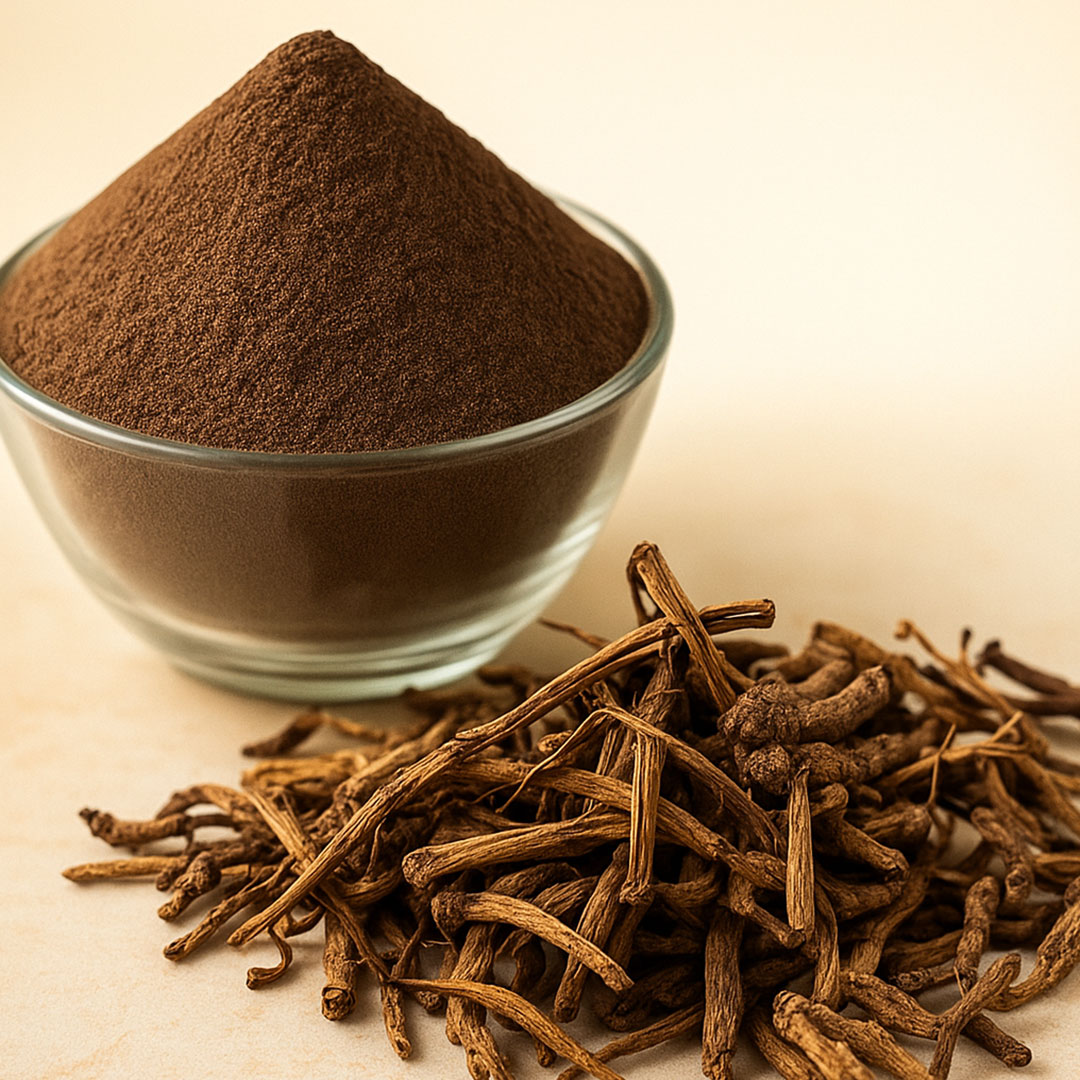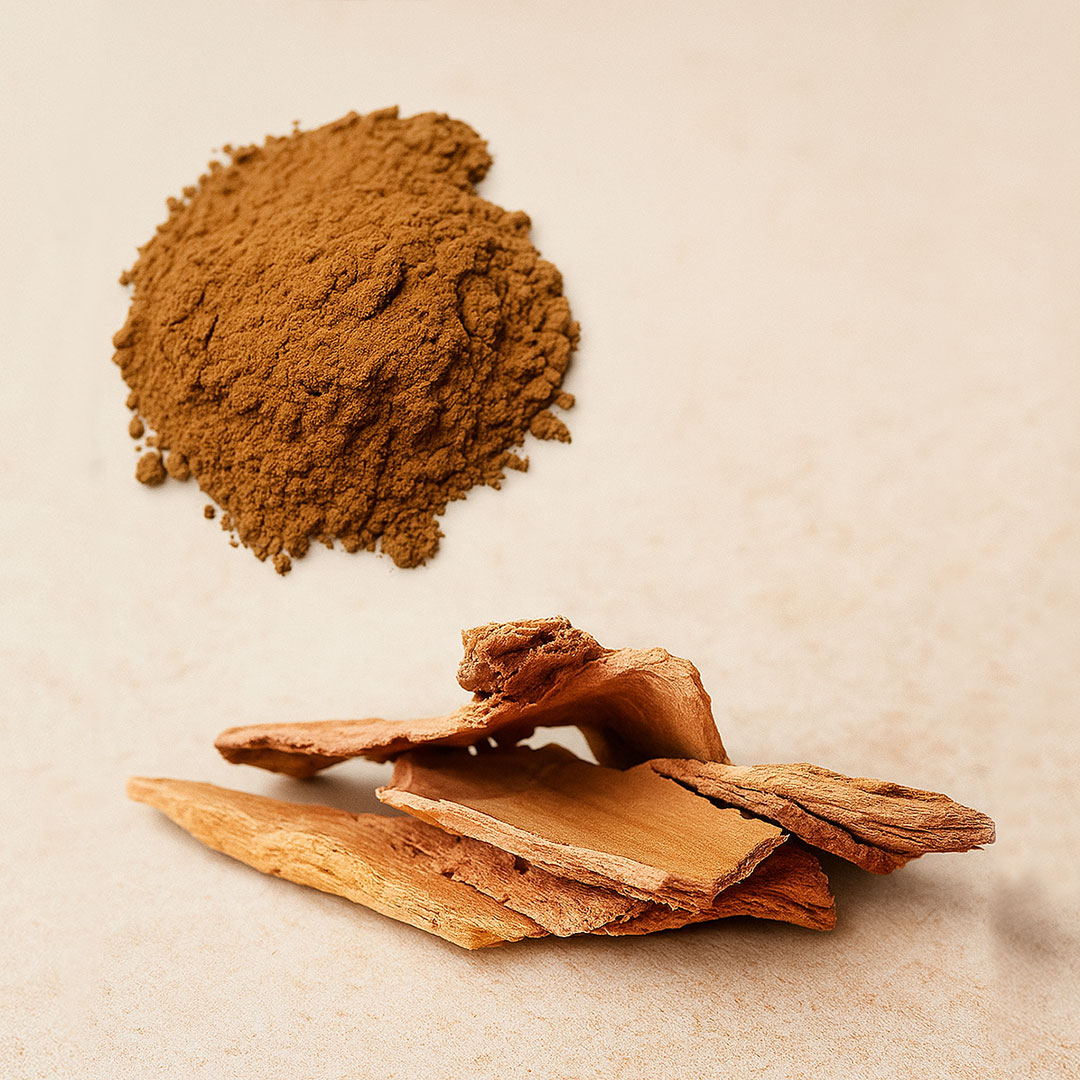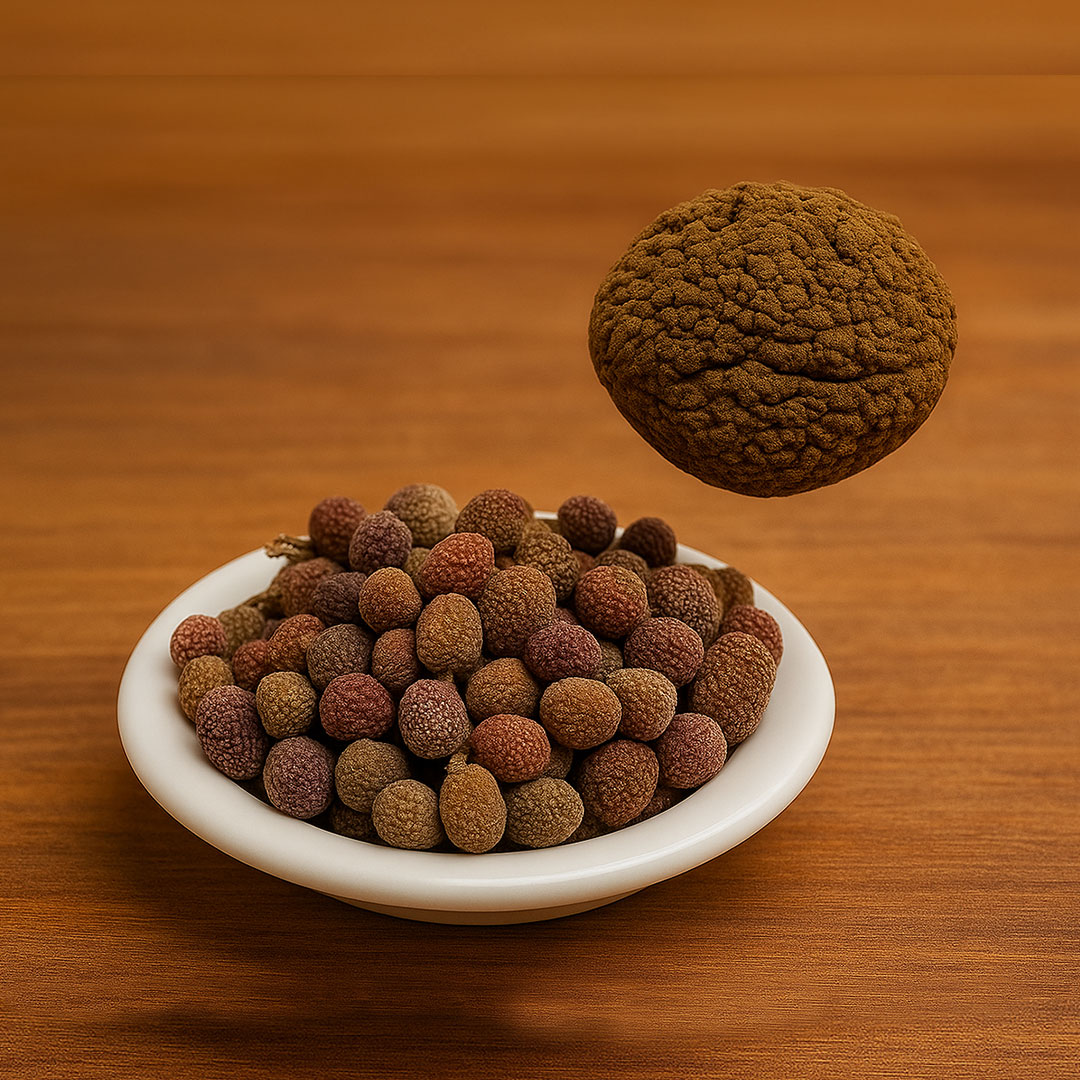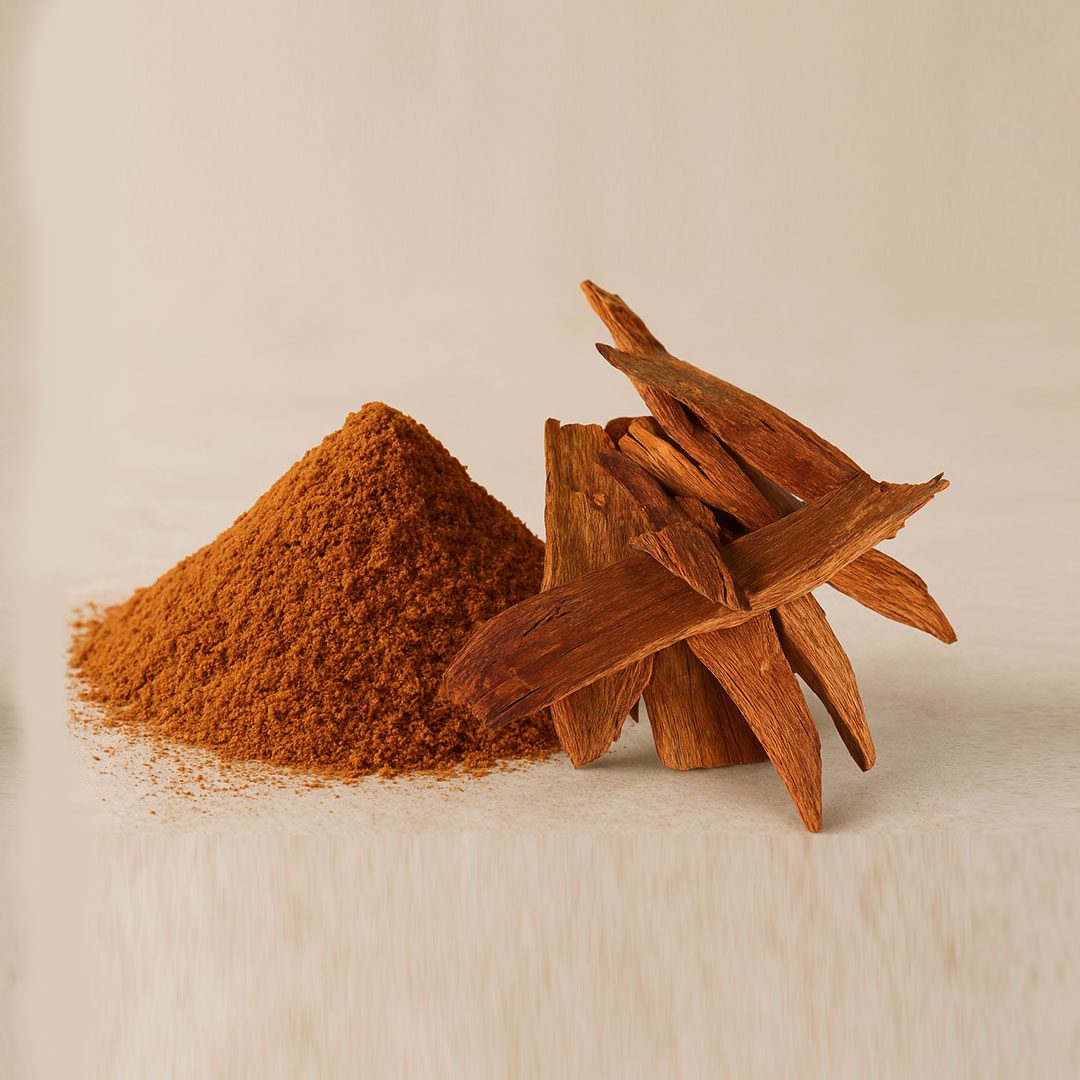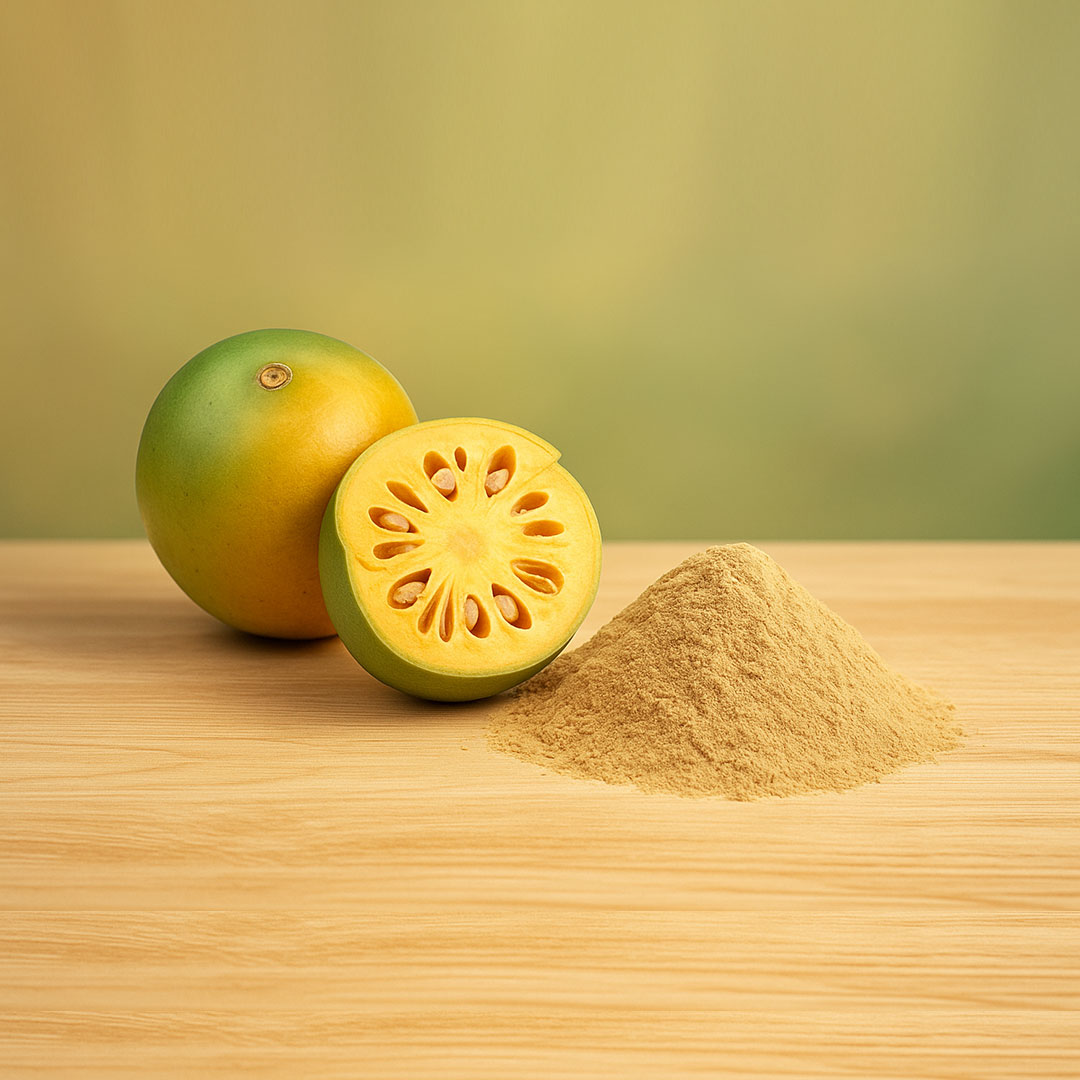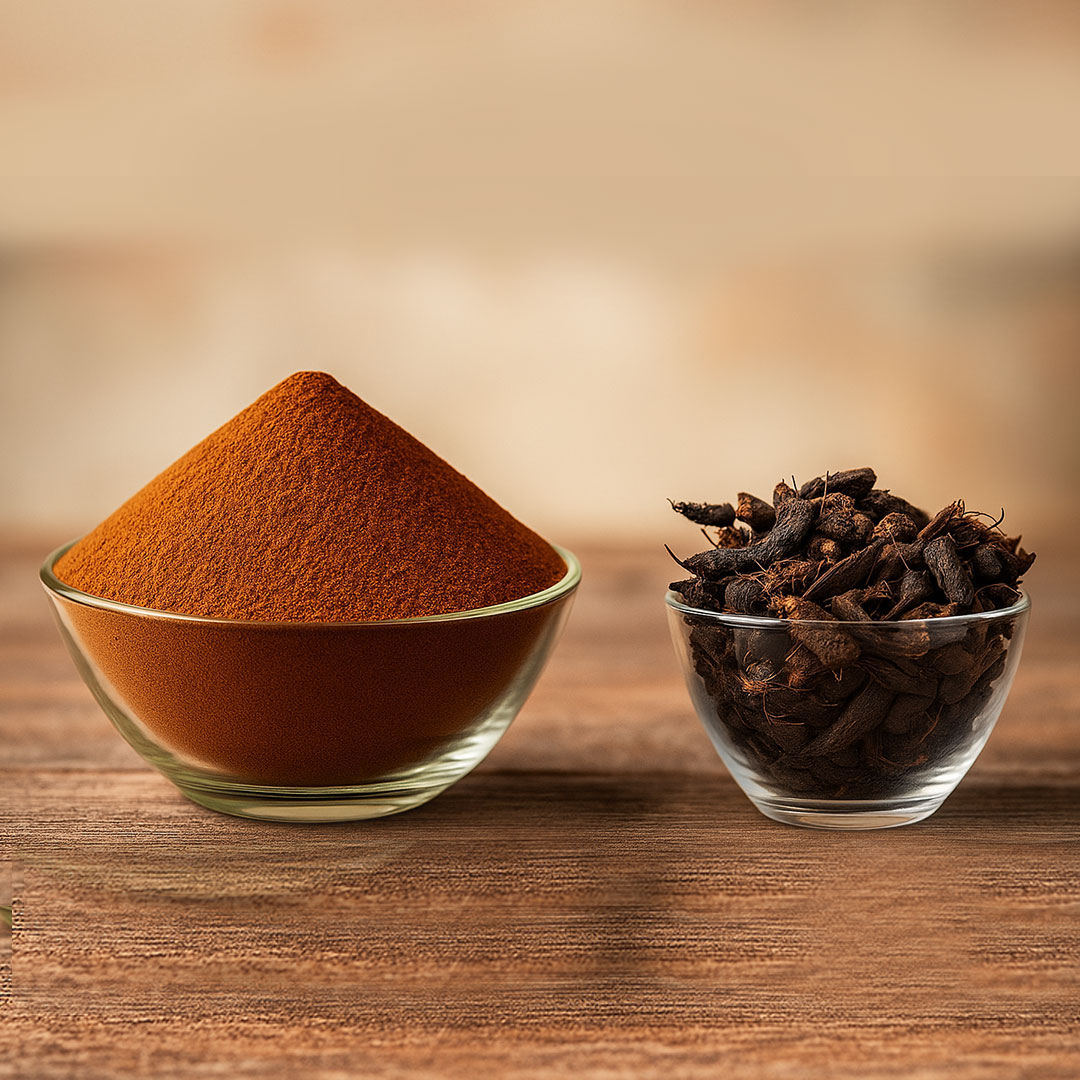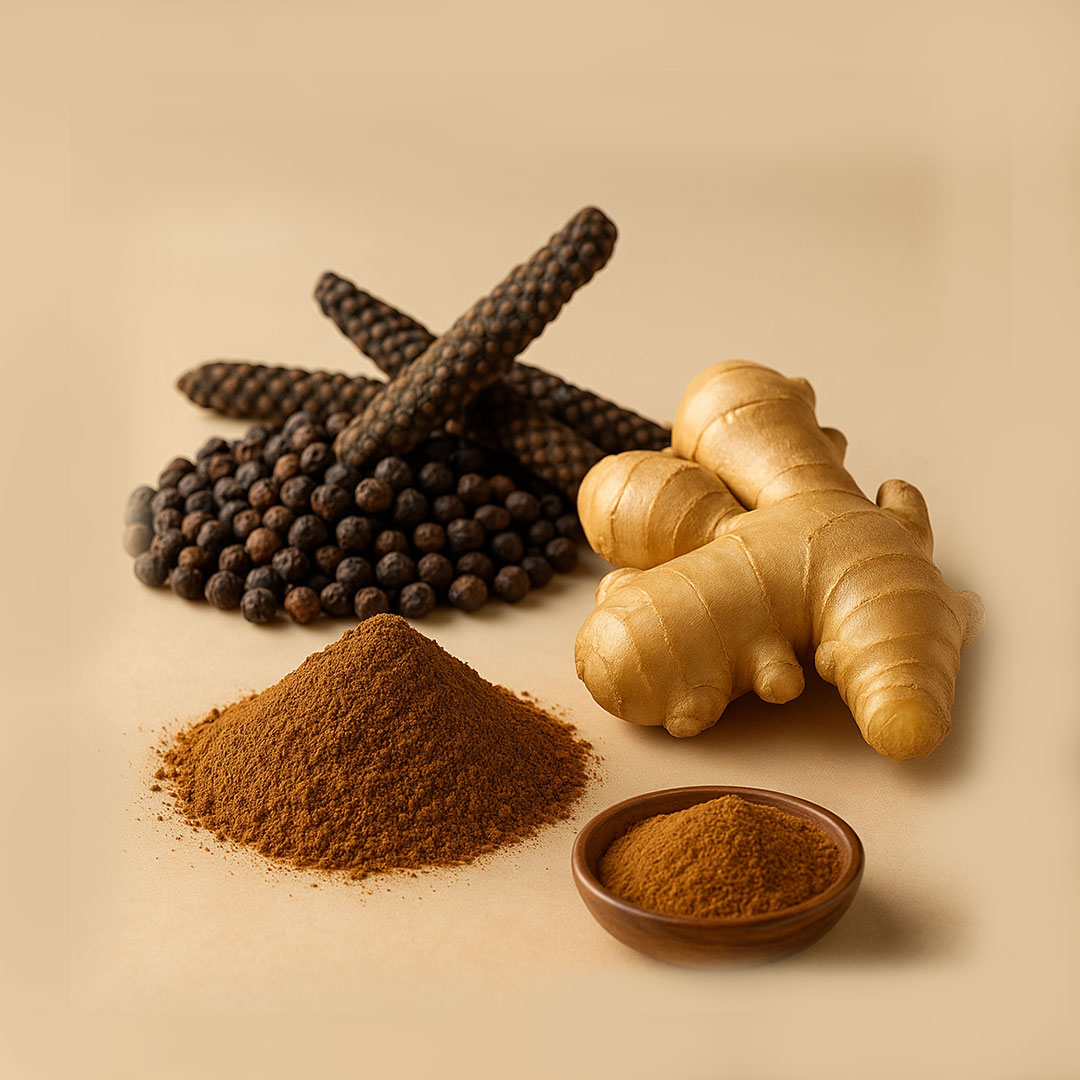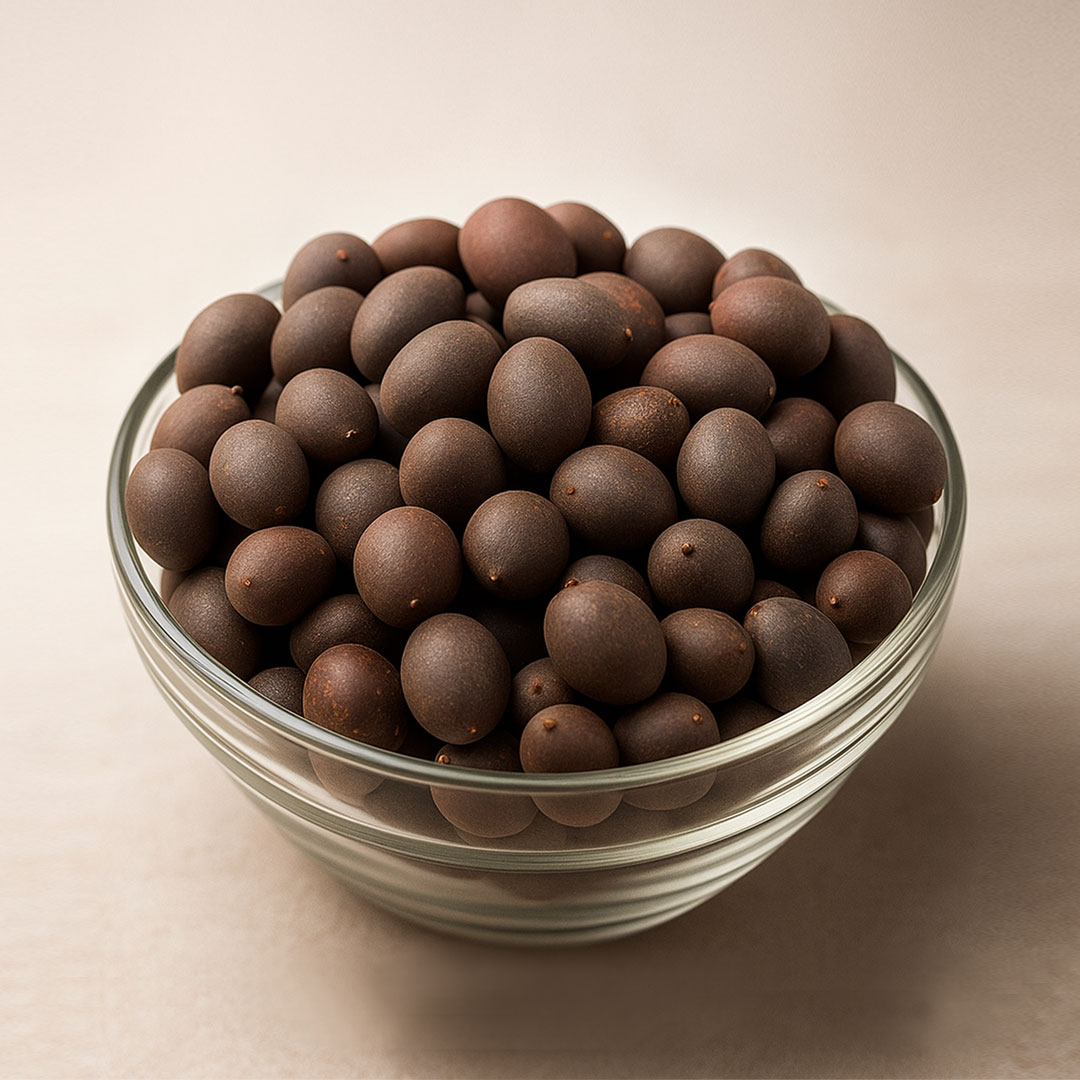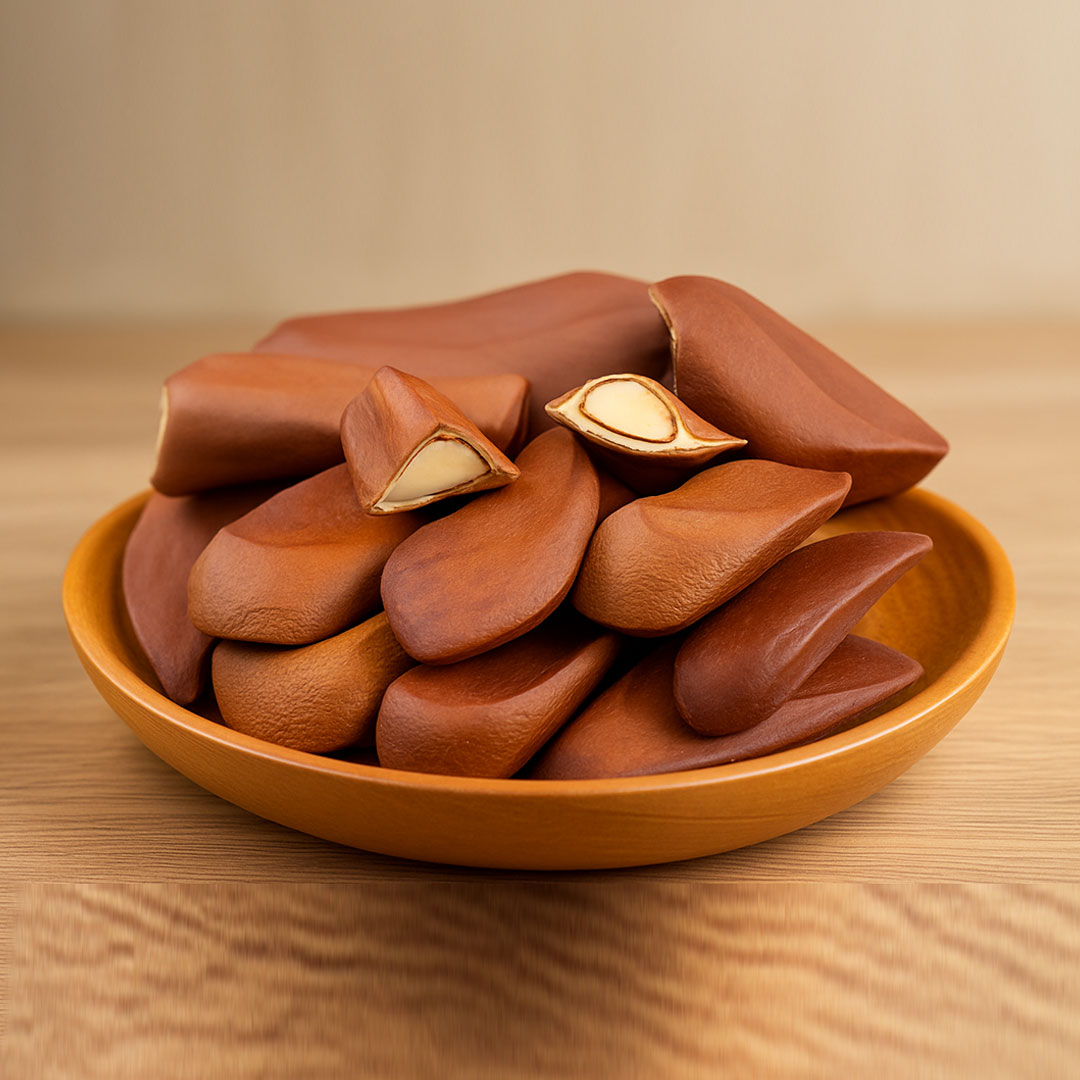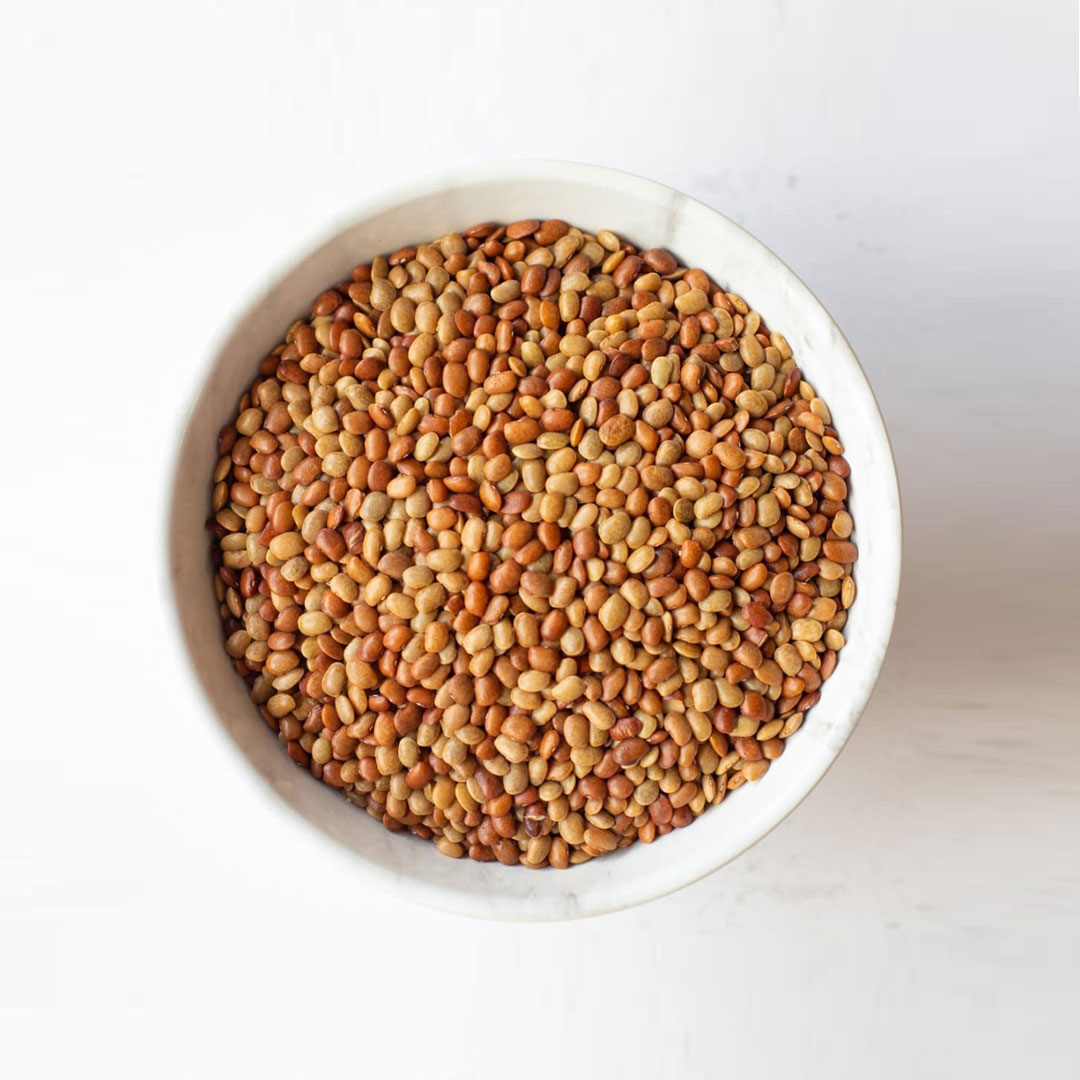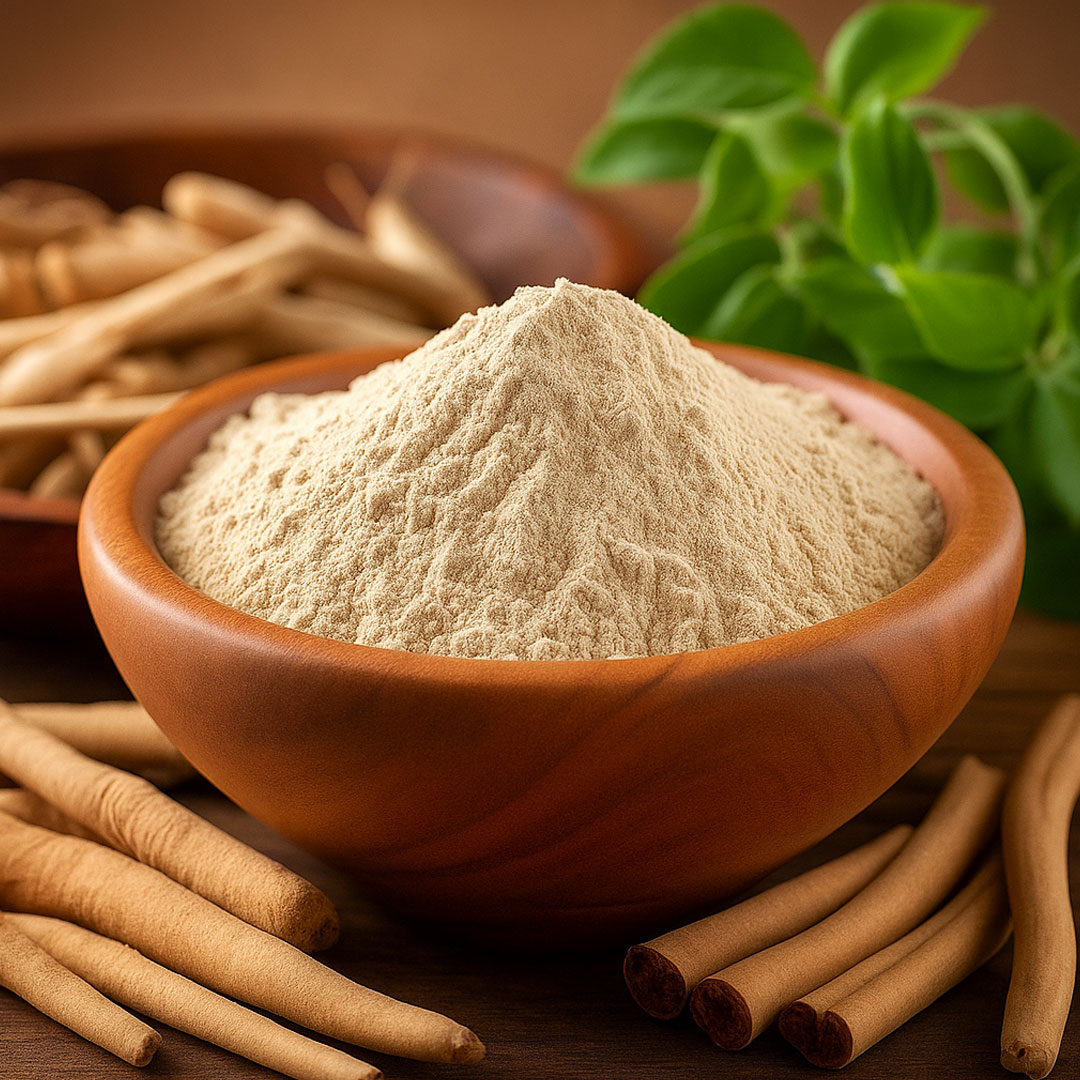
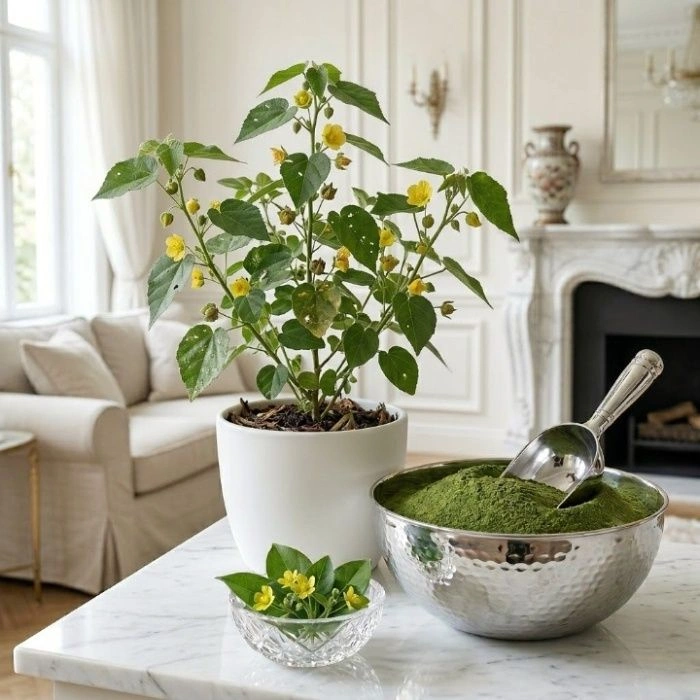
Product Name: Atibala powder
Botanical Name : Abutilon indicum
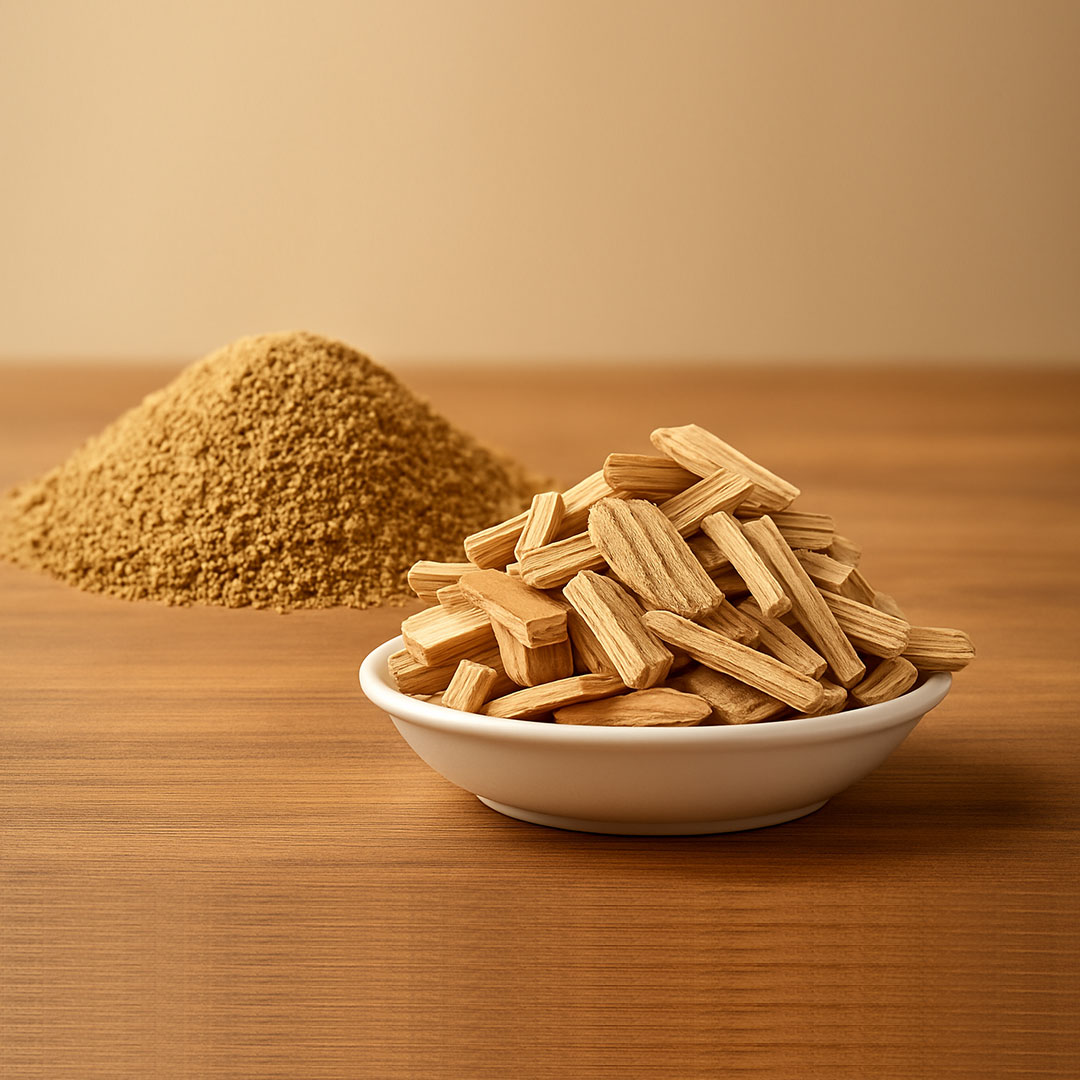
Form : Dried Raw Herb - Powder
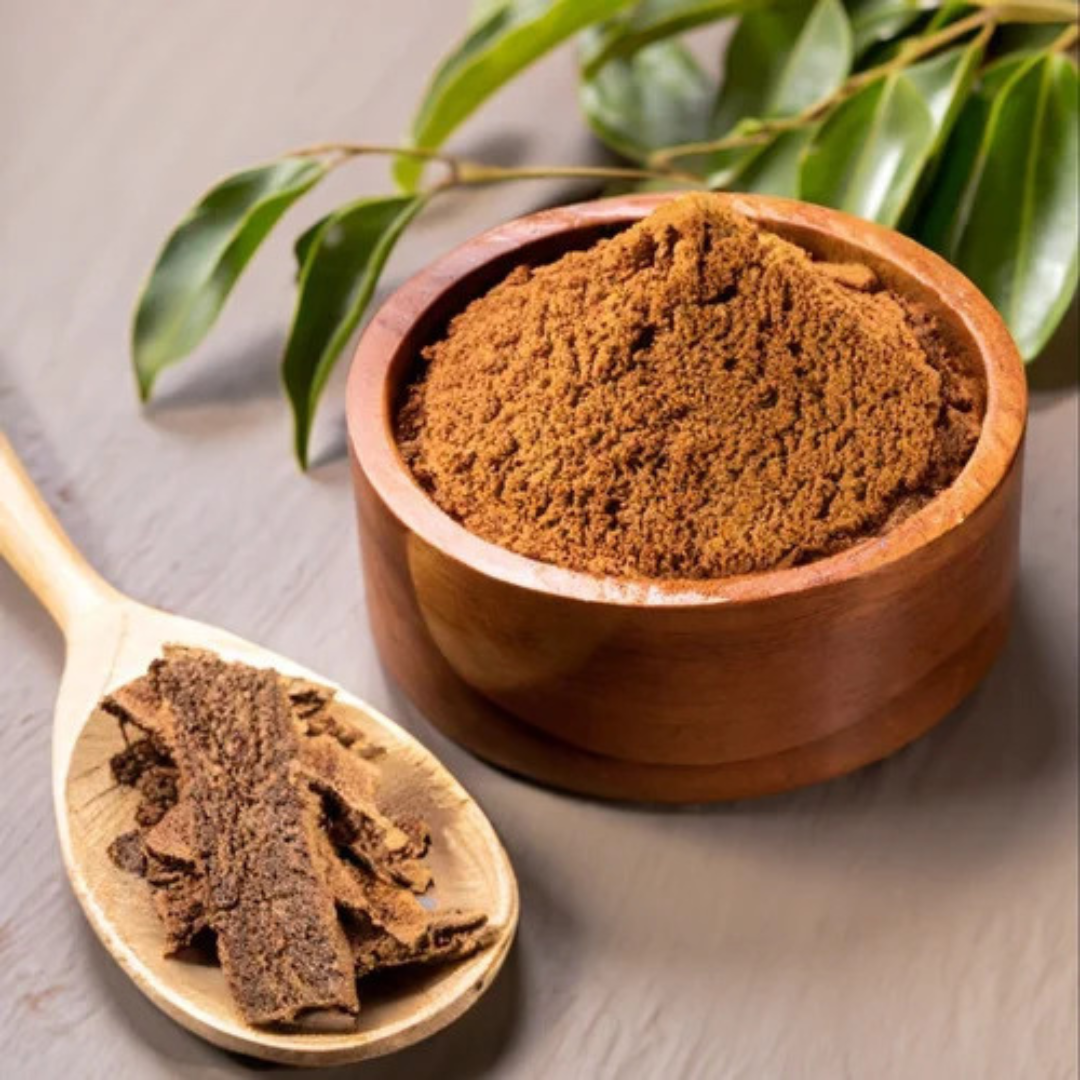
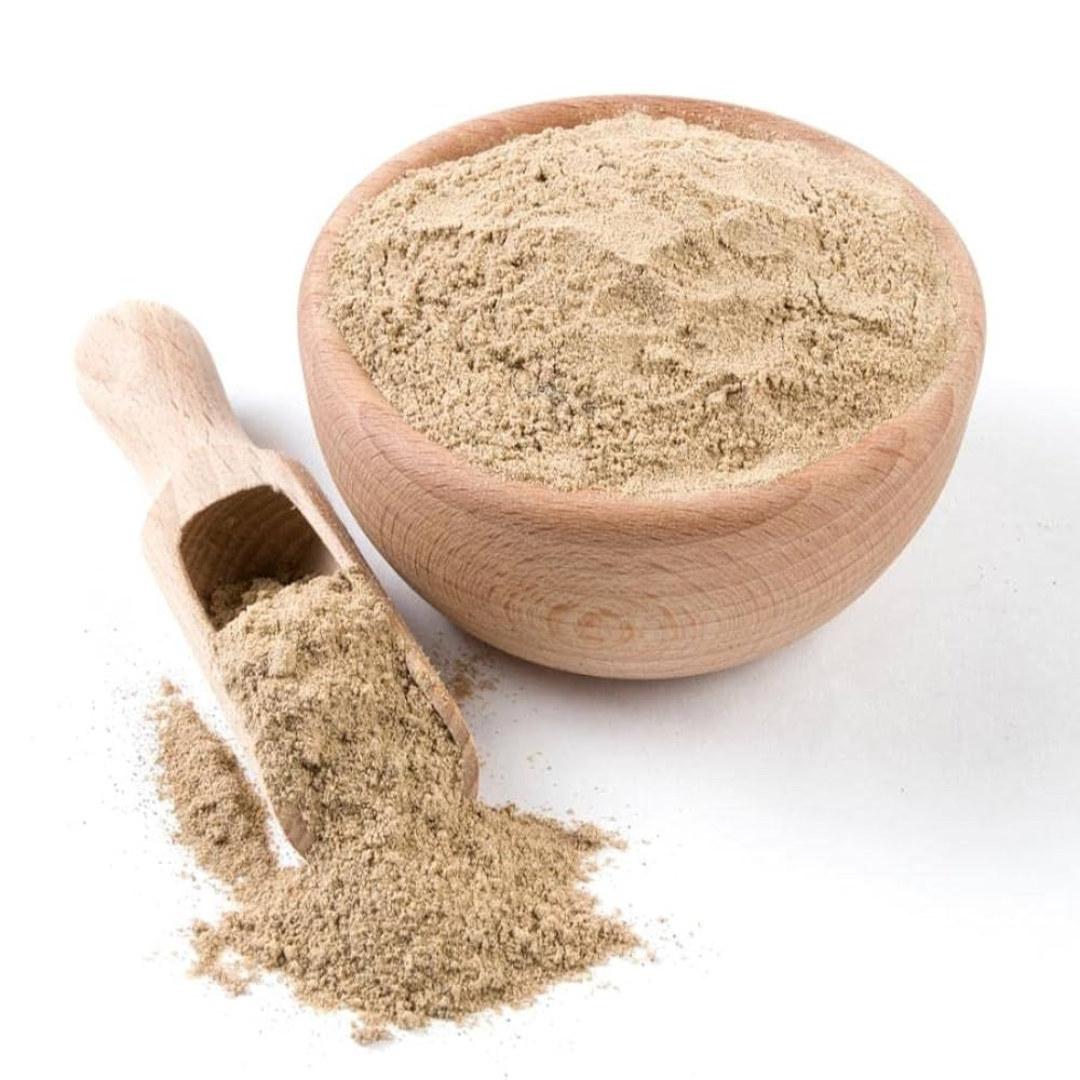
Atibala powder is an Ayurvedic herbal powder made from the dried leaves of the Abutilon indicum plant, also known as Indian Mallow. In Ayurveda, the herb is considered a Rasayana, or rejuvenating herb, known for its powerful therapeutic potential and its ability to boost strength and overall vitality.
Atibala powder is traditionally used to address a wide variety of ailments and support general well-being. Its medicinal properties come from compounds such as flavonoids, alkaloids, and mucilaginous compounds.
Immune support: The powder contains antioxidants and has immunomodulatory properties that may help strengthen the body's immune system and increase its resistance to infection.
Joint and muscle health: Atibala is well-regarded for its anti-inflammatory and analgesic (pain-relieving) properties, which can help ease symptoms associated with arthritis and general body pain.
Digestive aid: It is used to relieve digestive issues like constipation, bloating, and diarrhea. Its carminative properties help soothe the digestive tract and regulate bowel motility.
Respiratory health: The herb acts as an expectorant, which can help clear mucus from the airways and ease congestion in respiratory conditions like asthma and bronchitis.
Skin health: When used externally as a paste, the powder can promote the healing of wounds, cuts, and ulcers. It is also used to help with skin issues like acne and eczema.
Sexual health: In Ayurveda, Atibala is valued as an aphrodisiac and is used to enhance male reproductive health by supporting sperm quality and motility.
Urinary tract health: Its diuretic properties help to expel toxins from the body and prevent the formation of kidney stones.
Atibala powder can be consumed internally by mixing it with warm water, honey, or milk. The typical dosage is ¼ to 1 teaspoon, taken once or twice a day after a light meal, but an Ayurvedic practitioner should be consulted for personalized recommendations. For external use, the powder can be mixed with water or coconut oil to create a paste and applied to affected areas of the skin.
While generally considered safe for daily use in prescribed amounts, Atibala powder should be used with caution in certain cases.
Medical advice is crucial: Always consult a healthcare professional before using Atibala, especially if you have an existing health condition or are taking other medications.
Pregnancy and breastfeeding: Pregnant and lactating women should avoid using this herb unless a doctor specifically recommends it.
Blood pressure and diabetes: People with low blood pressure or diabetes should be cautious, as Atibala may enhance hypoglycemic effects.
Dosage: Excessive or improper dosages may lead to unforeseen complications.
Brela, Country mallow, Junglimethi, Bariar; Kungyi Khareti, Kharenti, Hethutti, Bili kurunthotti, Bili kadeeru, Vellooram, Velluram, Kurunthotti, Anakurunthotti, Chikana, Simak, Bala; Batyalaka; (seeds) Beeiband, Sida cordifolia Linn, Mayir-manikham,Bariar, Batyalaka, Beejband, Bijband, Brela, Chikana, Chiribenda, Chitimutti, Hettuti-gida, Janglimethi, Kharenti, Khareti, Kisangi, Kungyi, Mayir-manikham, Muttuva, Paniyar-tutti, Simak, Tupkaria, Tutturabenda, Velluram