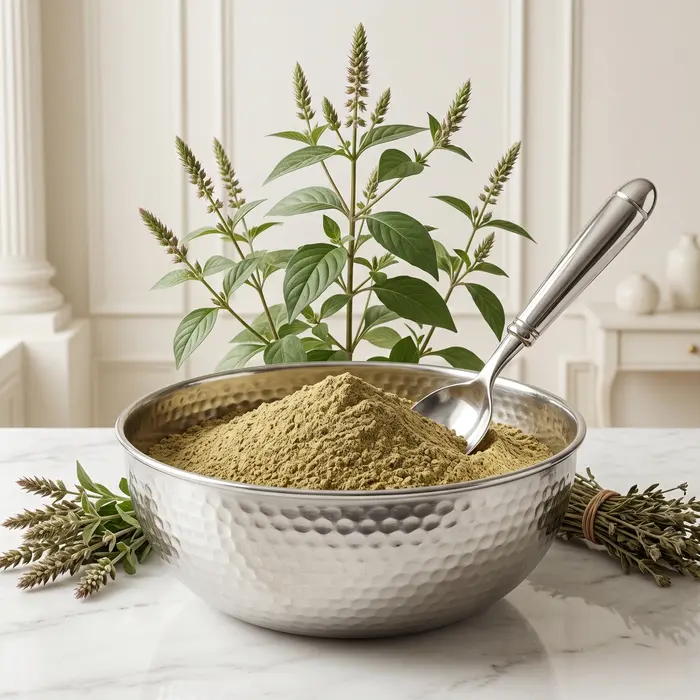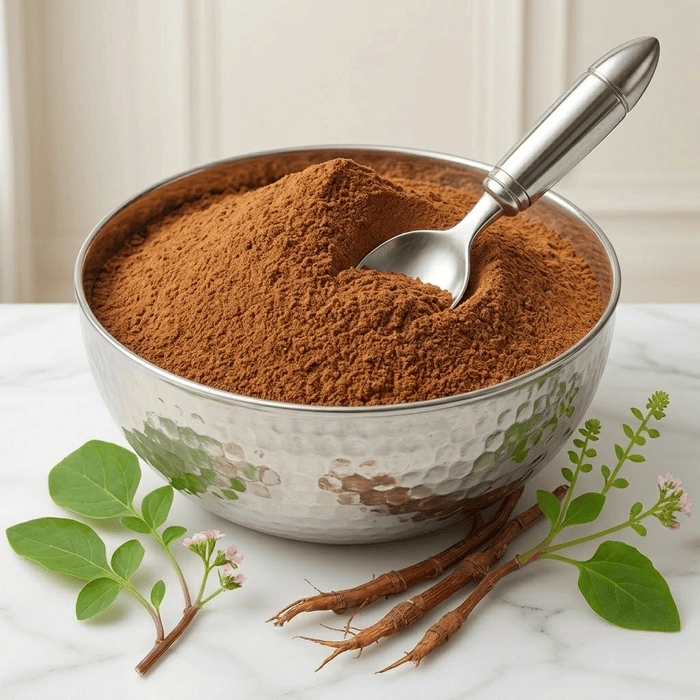
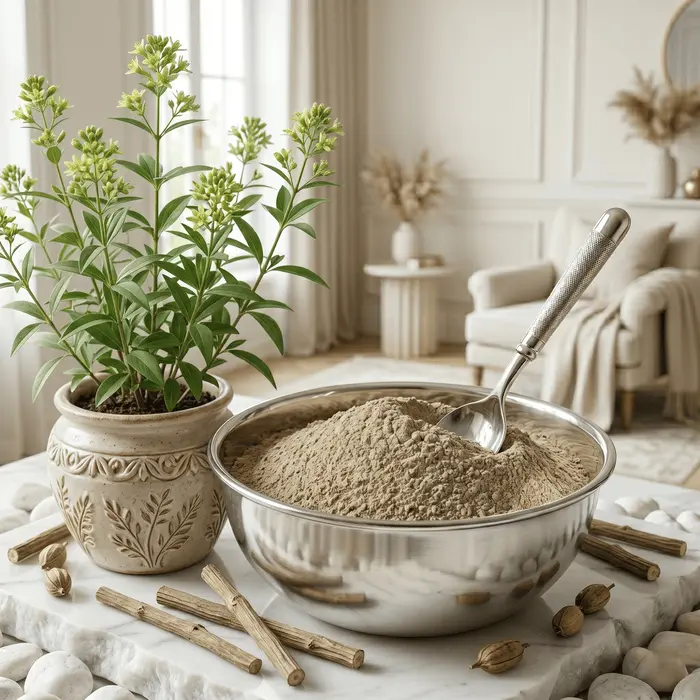
Chirayta powder: Chiretta - Swertia chirata - Andrographis paniculata
Botanical Name : Swertia chirata
Form : Raw Herb - Powder
Vardhman Nutrition Co. is an India-based Chirayta Powder Manufacturer and Global B2B Exporter supplying India-origin botanical ingredients to international buyers. Chirayta is a traditionally valued Himalayan herb botanically identified as Swertia chirata and belonging to the Gentianaceae family. The plant is widely recognized for its naturally intense bitter character and longstanding association with Indian herbal and Ayurvedic practices.
Our dried botanical material is carefully processed into a fine powder for professional applications in herbal formulations, Ayurvedic products, nutraceutical development, botanical preparations, personal-care concepts and selected cosmetic formulations. The product is intended for importers, manufacturers, distributors, wholesalers and private-label businesses seeking commercial botanical sourcing from India.
Depending on buyer requirements, the material can be discussed according to particle size, mesh, moisture, plant part, packaging, quality parameters and documentation. Our supply approach is focused on international B2B requirements and bulk procurement rather than retail distribution.
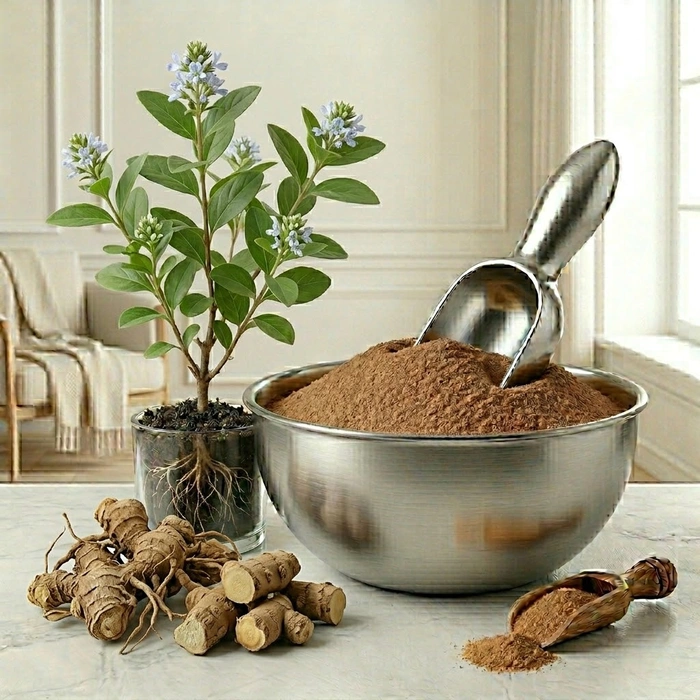
Chirayta is commonly associated with the species Swertia chirata, a botanical belonging to the Gentianaceae family. It is traditionally found in Himalayan regions of India and is also associated with Nepal and Bhutan. The plant generally develops a slender, upright and branched structure with small pale-coloured flowers.
The herb has a distinctive bitter taste that forms an important part of its traditional identity. Depending on the commercial specification, whole herb or selected aerial portions may be used for processing into dried material and powdered form.
For international procurement, scientific identification is important because common names may vary between countries. Buyers may refer to the material as Chirayta, Chirata or Chiretta, while Swertia chirata provides the botanical reference for commercial discussions.
The natural characteristics of this botanical ingredient can vary according to geographical origin, harvesting conditions, drying practices, storage environment and processing methods. The powdered material generally reflects the original appearance and sensory characteristics of the dried herb.
Its strong bitter taste is one of its most recognizable features. This characteristic can be relevant when the powder is incorporated into traditional herbal combinations or formulations where a bitter botanical profile is required.
Colour, aroma, texture and particle distribution may vary naturally between batches. For this reason, commercial purchasers can establish product specifications before order confirmation.
Producing a suitable botanical powder involves several controlled preparation stages. The selected herbal material is initially inspected and cleaned before sorting and grading. Unwanted or unsuitable material can be removed during preparation.
Controlled drying helps prepare the herb for further processing. Once the material reaches the required condition, it can undergo size reduction, grinding and sieving to obtain the desired powdered form.
The processing sequence can include:
Exact processing parameters may differ according to the required grade, intended application and buyer specification.
Scientific literature has reported various naturally occurring compounds in Swertia chirata. These constituents contribute to the botanical composition and have been investigated for different biological activities.
Reported compounds associated with the herb include:
The plant is also reported to contain groups such as xanthones, flavonoids, tannins, phenolic compounds, iridoid glycosides, triterpenoids, sterols, alkaloids and organic acids.
The concentration of these constituents may differ between batches because botanical composition can be influenced by origin, harvesting stage, drying, storage and processing. Buyers requiring a particular botanical marker should rely on suitable batch-specific laboratory analysis.
Chirayta has a long history within Indian traditional herbal practices and is particularly recognized as a bitter botanical. It has traditionally been included in preparations associated with digestive wellness, appetite support, seasonal fever-related formulations, liver-support concepts and general herbal tonics.
Traditional use does not constitute a guarantee of therapeutic effectiveness. Finished products should be developed, tested and labeled according to the regulations applicable to the destination market.
Manufacturers developing traditional herbal products may evaluate this botanical material for formulations where its identity, sensory characteristics and technical parameters are appropriate.
Possible product formats include:
The appropriate grade should be selected according to the manufacturer's formulation process, quality requirements and applicable destination-market regulations.
Nutraceutical companies may evaluate Chirayta as a botanical raw material for selected plant-based and wellness formulations. The ingredient can be considered for powdered blends, capsules, tablets and multi-botanical product concepts where permitted.
For international markets, manufacturers should independently verify ingredient permissions, product classification, labeling rules and applicable claims before commercialization. Requirements can differ substantially between countries.
Vardhman Nutrition Co. can discuss commercial sourcing specifications with professional businesses developing botanical and wellness products.
Botanical powders may also be considered by cosmetic and personal-care manufacturers developing plant-based product concepts. The material can be evaluated for suitable formulations based on its physical characteristics and the requirements of the finished product.
Potential applications may include:
Finished formulations should be assessed for stability, compatibility, microbiological quality and applicable regulatory requirements before commercial release.
International buyers often require a defined technical specification before purchasing botanical raw materials. For this product, procurement parameters may include botanical identity, plant material, appearance, colour, aroma, taste, particle size and moisture.
Additional quality considerations can include foreign matter, microbiological parameters, heavy metals where applicable, pesticide residues where required and botanical marker analysis.
The final acceptance limits should be established according to the intended application, buyer's quality system and regulations applicable in the destination country.
Vardhman Nutrition Co. supports commercial sourcing requirements for businesses purchasing botanical material in bulk quantities from India. Our B2B approach is intended for professional buyers involved in manufacturing, formulation, distribution and international trade.
Potential customers include:
Commercial requirements can be discussed according to quantity, specification, application, packaging and destination.
International wholesalers and botanical distributors may source the ingredient for onward supply to professional manufacturers and product developers. For recurring procurement, establishing a clear specification can help maintain consistency across orders.
Wholesale discussions can include volume requirements, pack configuration, mesh, moisture parameters, documentation, destination and shipping requirements.
Buyers can provide their procurement specifications before quotation so that the intended commercial requirement is clearly understood.
Businesses operating herbal, botanical or wellness brands may require customized sourcing arrangements. Private-label requirements can be discussed according to the buyer's finished-product concept and destination-market regulations.
Commercial requirements may include:
Packaging and labeling specifications should be finalized according to the finished product and legal requirements of the intended market.
Vardhman Nutrition Co. provides India-origin botanical ingredients for international B2B customers. Overseas businesses can discuss commercial requirements for Chirayta according to their intended application, technical specification and destination.
International enquiry markets may include the United States, United Kingdom, Germany, other European markets, United Arab Emirates, Australia and South Korea.
Import regulations, documentation, labeling and product requirements can vary between countries. Buyers should therefore provide the destination market during the enquiry process.
US-based importers, herbal businesses, botanical distributors, nutraceutical companies and private-label organizations may enquire about India-origin Chirayta for suitable commercial applications.
The buyer can communicate required volume, product specification, packaging preference, intended use and documentation requirements for commercial evaluation.
The finished product and import process should comply with the applicable requirements for the relevant US product category.
Businesses in the United Kingdom and European markets can discuss sourcing requirements for India-origin botanical material. UK, German and other European purchasers may require specific quality parameters, documentation and packaging arrangements according to their internal standards.
Buyers should communicate the destination country and intended application so that the commercial specification can be established appropriately.
Importers and distributors in the UAE, Australia and South Korea may also consider India-origin botanical ingredients for suitable herbal, wellness and plant-based product applications.
Commercial discussions can include quantity, packaging, particle size, quality requirements and technical documentation. Destination-specific import conditions should be verified before finalizing an international shipment.
Suitable packaging is important for protecting dried botanical powder during storage and transportation. The material should be protected from excessive moisture, direct sunlight, contamination, excessive heat and strong external odours.
Packaging configuration can depend on order volume, transportation method, warehouse conditions and buyer preference. International purchasers can communicate their preferred pack size and handling requirements before order confirmation.
Proper storage can help maintain the quality and physical characteristics of the powdered ingredient. General storage considerations include:
Specific storage conditions should follow the applicable batch documentation and product specification.
The stability of dried herbal powder can be affected by raw-material quality, moisture level, drying conditions, packaging, microbiological condition and storage environment.
Because these factors can differ between batches and grades, buyers should refer to the applicable product specification for the recommended storage period rather than assuming one universal shelf-life value.
Periodic quality checks may be considered for material kept in long-term bulk storage.
International purchasers may require technical and commercial documents to support their procurement and quality-control procedures.
Depending on the order and destination, documentation may include:
The exact document package should be confirmed according to the buyer's requirements and destination-country regulations.
To discuss an international sourcing requirement, buyers can provide basic procurement information before requesting commercial details.
Providing these details helps define the appropriate product specification and supports a clearer B2B procurement discussion.
India has a long-established tradition of herbal and botanical raw materials. International buyers seeking Indian-origin ingredients may evaluate suppliers based on botanical identity, processing practices, quality parameters, documentation and commercial capability.
Vardhman Nutrition Co. works with international businesses seeking India-origin botanical herbs for manufacturing, distribution and product development.
Our focus on B2B export sourcing allows professional buyers to discuss commercial quantities and product requirements according to their individual procurement needs.
The ingredient can be considered by several industries where botanical raw materials are relevant to product development.
Actual suitability depends on the finished application, formulation requirements and applicable regulations.
International procurement teams may use different search terms when looking for this India-origin botanical. Relevant commercial phrases include Chirayta Powder Manufacturer India, Chirayta Powder Supplier from India, Chirata Herb Exporter India, Chiretta Powder Supplier, Swertia chirata Supplier India, Indian Chirayta Herb Supplier, Bulk Chirayta Powder Exporter, Chirata Botanical Ingredient Manufacturer, Chiretta Herb Wholesale Supplier, Swertia chirata Powder Exporter, Indian Botanical Herb Exporter and Chirayta Bulk Supplier India.
These search expressions represent different commercial intents, including bulk procurement, wholesale sourcing, botanical ingredient supply, manufacturing and international export from India.
It is a powdered botanical material prepared from dried Chirayta herb commonly identified as Swertia chirata.
The botanical name commonly associated with Chirayta is Swertia chirata, which belongs to the Gentianaceae family.
The material may be known as Chirayta, Chirata or Chiretta in different markets.
Vardhman Nutrition Co. supports international B2B enquiries and can discuss commercial quantities according to buyer requirements.
Yes. Buyers can communicate their preferred mesh or particle-size requirement during the procurement process.
Importers, manufacturers, distributors, wholesalers, Ayurvedic businesses, herbal companies, nutraceutical organizations, cosmetic manufacturers and private-label businesses may enquire according to their intended application.
Packaging preferences and customized requirements can be discussed according to order quantity, destination and finished-product needs.
Private-label and OEM-related sourcing requirements can be discussed according to the buyer's product specification and applicable regulations.
Commercial enquiries may come from the USA, UK, Germany, Europe, UAE, Australia, South Korea and other international markets, subject to applicable import requirements.
Depending on the order and destination, buyers may request COA, TDS, MSDS where applicable, Certificate of Origin, microbiological information, phytosanitary documentation where applicable and other relevant technical documents.
Vardhman Nutrition Co. is an India-based manufacturer and global B2B exporter focused on botanical herbs for international commercial buyers. The company supplies India-origin herbal raw materials to importers, distributors, wholesalers, manufacturers and private-label businesses.
For Chirayta sourcing requirements, overseas buyers can provide the required quantity, product specification, particle size, packaging preference, intended application, destination country and documentation needs.
Businesses searching for an India Chirayta Powder Exporter, Indian Chirata Supplier, Chiretta Bulk Source, Swertia chirata Botanical Supplier, Chirayta Herb Export Company, Bulk Indian Botanical Herb Supplier or Chirata Powder B2B Export Supplier can contact Vardhman Nutrition Co. for commercial sourcing discussions.
Whether the requirement is for Ayurvedic manufacturing, herbal formulation, nutraceutical development, botanical distribution, cosmetic applications, wellness products or private-label sourcing, the appropriate specification can be discussed according to the buyer's intended use and destination-market requirements.
International buyers can send their required quantity, technical specification, preferred packaging, application and destination country to discuss commercial sourcing of India-origin Chirayta botanical powder.
Vardhman Nutrition Co.
India-Based Botanical Herb Manufacturer & Global B2B Exporter
We welcome enquiries from importers, distributors, wholesalers, manufacturers and private-label businesses seeking Chirayta botanical material from India for commercial applications.

.webp)



.webp)
.webp)
.webp)
.webp)
.webp)
.webp)
.webp)
.webp)
.webp)
.webp)
.webp)
.webp)
.webp)