.webp)
Ginger Powder
Premium Indian Ginger Ingredient for Global Bulk Procurement
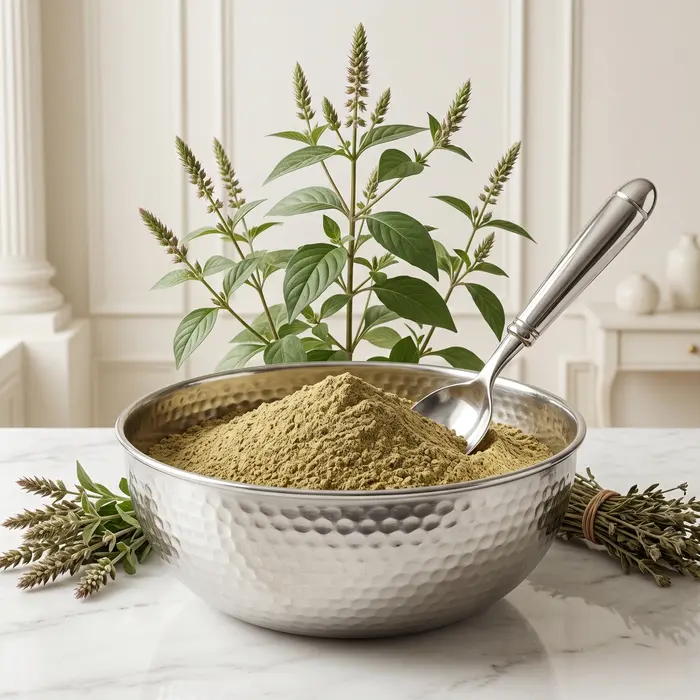
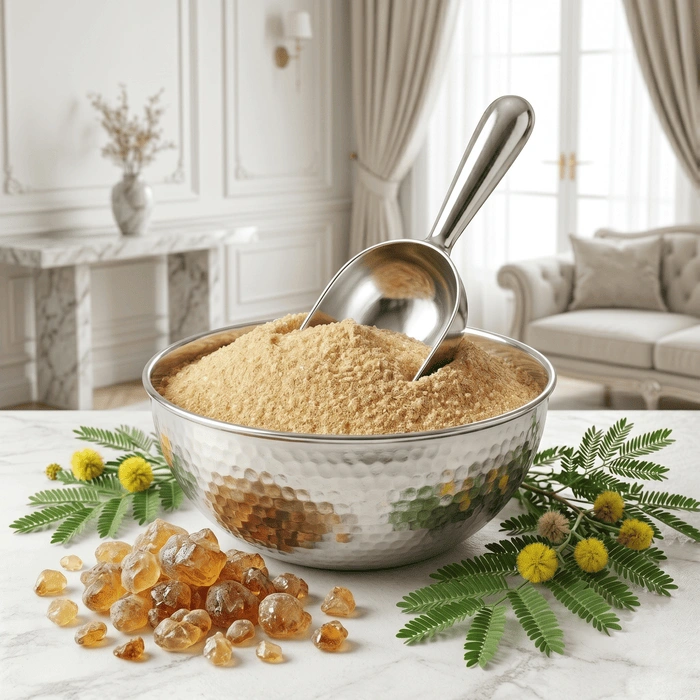
Vardhman Nutrition Co. supplies Ginger Powder from India to international businesses seeking dependable botanical and spice ingredients for commercial production. Prepared from selected ginger rhizomes of Zingiber officinale, the powdered material offers the familiar warm aroma, spicy character and distinctive flavour associated with dried ginger.
Our supply model is designed for B2B buyers rather than retail consumers. Importers, distributors, wholesalers, food processors, spice companies, seasoning manufacturers, ingredient traders and private-label businesses can discuss their requirements for commercial quantities.
The product can be supplied according to mutually agreed specifications covering particle fineness, packaging, quantity and applicable documentation. Our export-oriented approach supports businesses that need an India-based source for regular procurement of dried ginger ingredients.
Understanding the Raw Material Behind the Powder
Ginger is obtained from the rhizome of Zingiber officinale. Unlike an ordinary root, the rhizome is an underground stem that develops beneath the soil and is harvested for culinary and botanical applications.
Fresh ginger contains moisture and has a characteristic pungent flavour. For commercial powdered ingredients, suitable rhizomes are prepared and dehydrated before milling. Removing moisture makes the material easier to store, transport, measure and incorporate into dry formulations.
The finished powder provides manufacturers with a convenient form of ginger that can be blended with other dry ingredients without the preparation required for fresh produce.
Its sensory profile generally includes:
- Warm and spicy aroma
- Characteristic ginger flavour
- Natural pungency
- Product-specific colour
- Fine powdered appearance
- Dry and free-flowing characteristics when appropriately processed
Botanical Identification and Product Profile
The botanical identity of commercial ginger is Zingiber officinale. Correct identification of the source material is an important consideration for buyers purchasing botanical ingredients.
For procurement purposes, businesses may evaluate the material through several characteristics, including appearance, aroma, colour, flavour, pungency, moisture and particle distribution.
A suitable specification is generally determined by the intended end use. A seasoning producer may require one particle range, while a beverage or dry-mix manufacturer may prefer another.
Therefore, product discussions can be based on the buyer's formulation, processing equipment, target market and technical requirements.
Converting Fresh Rhizomes into a Convenient Dry Ingredient
Producing a consistent powdered ingredient requires more than simply grinding dried ginger. Raw material handling, preparation, dehydration, milling and screening all influence the final characteristics.
A typical commercial workflow involves:
- Selection of suitable ginger rhizomes
- Cleaning to remove unwanted material
- Sorting according to quality requirements
- Preparation of the raw material
- Controlled dehydration
- Grinding into a suitable powder
- Screening for desired fineness
- Metal detection and applicable quality checks
- Final product evaluation
- Packing for storage and transportation
Each stage contributes to the usability of the finished ingredient. Proper preparation before grinding helps create a more uniform material, while screening allows the desired particle range to be achieved.
Processing conditions are selected with consideration for the required product characteristics and intended application.
Dehydration and Moisture Management
Drying is an important stage in the preparation of powdered ginger. The objective is to reduce moisture to a suitable level while maintaining the desired physical and sensory characteristics of the ingredient.
Moisture is commercially important because excessive water can affect handling, storage stability and powder flow. For this reason, buyers may specify a particular moisture requirement when discussing an order.
After dehydration, the dried material is prepared for milling. Properly dried ginger can be transformed into a convenient powdered ingredient suitable for a wide range of commercial formulations.
Milling for Different Manufacturing Requirements
Once prepared and dried, ginger is mechanically reduced into powder. Milling provides manufacturers with a practical ingredient that can be measured and blended into dry formulations.
Particle fineness can influence:
- Blending behaviour
- Dispersion within a formulation
- Texture
- Handling
- Dosage consistency
- Processing efficiency
- Finished-product appearance
For this reason, commercial buyers may specify a preferred mesh or particle range before placing an order.
Vardhman Nutrition Co. can discuss particle-size requirements according to technical feasibility and intended application.
Particle Distribution and Mesh Selection
Different manufacturing processes require different powder characteristics. A coarse material may be suitable for one formulation, whereas a finer grade may be preferred for another.
Buyers may communicate:
- Required mesh
- Preferred particle range
- Fineness requirement
- Application-specific processing needs
- Packaging quantity
- Destination-market requirements
Confirming these details before production helps align the supplied ingredient with the buyer's manufacturing process.
Sensory Characteristics Important to Buyers
The sensory profile of ginger is one of its primary commercial attributes. Manufacturers generally select it for its characteristic warm, spicy and aromatic nature.
During product evaluation, buyers may examine the following characteristics:
Aroma: The material should present the recognizable aromatic character associated with dried ginger.
Flavour: The taste profile is naturally warm and spicy, with product-specific intensity.
Pungency: Ginger's characteristic pungency contributes to its identity as a spice ingredient.
Colour: Appearance can vary according to raw material and processing conditions.
Texture: The powder should have characteristics appropriate for its intended application and agreed particle specification.
Commercial Quality Parameters for Procurement
B2B ingredient purchasing generally requires more than visual inspection. Depending on the destination and application, buyers may request a defined technical specification.
Potential parameters include:
- Botanical identity
- Physical appearance
- Colour
- Characteristic aroma
- Flavour and pungency
- Moisture level
- Particle size
- Mesh
- Foreign matter
- Microbiological parameters
- Heavy metals, where applicable
- Pesticide residue requirements, where applicable
- Packaging configuration
- Shelf-life information
The applicable limits and requirements should be established according to the product specification, destination market and buyer's technical standards.
Ingredient for Spice Manufacturing
Ginger Powder has an established role in spice manufacturing because its dry format makes it convenient to combine with other powdered ingredients.
Spice manufacturers may incorporate it into blends designed for different culinary profiles. It can work alongside ingredients such as chilli, cumin, coriander, turmeric and other spices according to the formulation.
Potential commercial products include:
- Curry spice preparations
- Masala blends
- Dry seasoning mixes
- Savoury spice combinations
- Meat seasoning systems
- Instant meal blends
- Soup mixes
- Sauce seasoning
- Snack coatings
- Ready-to-cook preparations
Use in Seasoning Formulations
Seasoning manufacturers often need dry ingredients that can be accurately measured and distributed throughout a blend. Powdered ginger provides a convenient format for this purpose.
It may contribute a warm and spicy note to savoury formulations and can be combined with other ingredients according to the desired flavour profile.
Commercial applications can include snack seasonings, instant foods, savoury mixes, prepared-food coatings and ready-to-cook products.
Applications Across Processed Foods
Food manufacturers can use dried ginger as an ingredient in a variety of processed products.
- Soups
- Sauces
- Marinades
- Instant foods
- Ready-to-eat meals
- Ready-to-cook products
- Frozen preparations
- Savoury foods
- Processed food mixes
- Foodservice ingredients
The dry form can simplify ingredient handling where manufacturers prefer a powdered spice rather than fresh ginger.
Bakery and Confectionery Formulations
Ginger's warm flavour profile also makes powdered form relevant to selected bakery and confectionery formulations.
Depending on the recipe, it may be incorporated into biscuits, baked products, spice-based bakery mixes and certain confectionery preparations.
The quantity used can vary significantly depending on the desired flavour intensity and formulation design.
For commercial production, manufacturers may specify the required fineness, sensory profile and packaging format before procurement.
Beverage and Tea Formulations
Dried ginger can also be incorporated into selected beverage concepts and tea blends.
Possible applications include:
- Ginger beverage mixes
- Herbal drink preparations
- Tea blends
- Instant beverage powders
- Spice-based drinks
- Botanical beverage formulations
The suitability of the ingredient depends on the formulation process, local regulations and the technical requirements of the finished product.
Botanical Composition of Ginger
Ginger naturally contains several compounds associated with its characteristic sensory profile. Gingerols and related constituents are among the naturally occurring components of the rhizome.
Other compounds associated with ginger include shogaol, zingerone and aromatic constituents such as zingiberene.
The natural composition of ginger is not fixed. It may vary according to variety, cultivation conditions, maturity, post-harvest handling, processing and storage.
For commercial purchasing, buyers should therefore assess the supplied material against the agreed specification rather than relying only on general botanical descriptions.
Traditional Culinary and Botanical Relevance
Ginger has a long history of use in culinary traditions. Its warm and aromatic character has made it a familiar ingredient in food preparations across different regions.
Dried ginger is particularly useful where manufacturers need a concentrated dry spice that can be stored, measured and blended during production.
Beyond culinary use, ginger ingredients may also appear in selected herbal and botanical formulations. Any specific functional or health-related application should be assessed according to the regulations applicable to the destination market and finished product.
Bulk Procurement for International Businesses
Vardhman Nutrition Co. focuses on commercial supply for buyers requiring quantities beyond ordinary retail purchasing.
Our B2B sourcing approach can support:
- Importers
- International distributors
- Wholesale traders
- Food manufacturers
- Spice processors
- Seasoning companies
- Ingredient suppliers
- Private-label businesses
- Commercial formulators
- Industrial buyers
Before quotation, buyers can provide their expected quantity, technical requirements, packaging preference, destination and intended use.
Wholesale Ginger Ingredient Sourcing from India
For businesses searching for a wholesale ginger ingredient supplier from India, direct B2B sourcing can provide a practical procurement route.
Indian-origin ginger ingredients can be purchased for further distribution, food production, spice blending and commercial formulation.
Vardhman Nutrition Co. works with buyers who require export-oriented supply rather than small consumer packs.
Wholesale enquiries can be evaluated according to:
- Order quantity
- Product specification
- Particle size
- Packaging
- Destination
- Documentation
- Intended application
- Buyer-specific requirements
Packaging Designed for Commercial Handling
Packaging plays an important role in protecting powdered ingredients during storage, loading and international transportation.
The appropriate packing format depends on order quantity, destination, handling conditions and buyer requirements.
Commercial packing discussions may consider:
- Pack size
- Inner protection
- Outer packaging
- Bulk handling
- Storage conditions
- Labelling requirements
- Transportation requirements
Packaging should be selected to help maintain the integrity of the material throughout the intended supply chain.
Documentation for Import and Quality Teams
International procurement teams may require product and shipment documents for internal approval, customs procedures and quality assessment.
Depending on the order and destination, relevant documentation may include:
- Certificate of Analysis (COA)
- Technical Data Sheet (TDS)
- Material Safety Data Sheet (MSDS), where applicable
- Certificate of Origin
- Commercial Invoice
- Packing List
- Shipping Documentation
- Phytosanitary documentation, where applicable
Documentation requirements differ between countries and buyers, so the applicable documents should be confirmed before shipment.
Supply Support for Importers and Distributors
Importers and distributors often need a supplier capable of communicating clearly about specifications, quantities, packing and shipment requirements.
Vardhman Nutrition Co. provides an export-focused sourcing channel for businesses purchasing ginger ingredients from India.
International enquiries can be discussed for destinations including:
- United States
- United Kingdom
- Germany
- European markets
- United Arab Emirates
- Australia
- South Korea
- Other international destinations
The final supply arrangement depends on product requirements, destination regulations and mutually agreed commercial terms.
Private Brand and Contract Supply Opportunities
Businesses developing their own product ranges may require an ingredient source that can support private-brand or OEM-oriented purchasing.
Ginger Powder can be considered for private-label spice products, seasoning ranges, food mixes and selected botanical formulations.
Requirements may include:
- Bulk ingredient procurement
- Brand-specific packaging
- Custom labelling
- Defined particle size
- Buyer-specific specifications
- Technical documentation
- Commercial quantities
Private-label and OEM projects are evaluated according to the product concept, quantity, packaging requirements and applicable export conditions.
Pre-Order Sample Evaluation
Product samples can be useful for businesses that want to evaluate an ingredient before committing to a commercial purchase.
A buyer may assess:
- Appearance
- Colour
- Aroma
- Flavour
- Pungency
- Particle fineness
- Handling characteristics
- Suitability for the intended formulation
For efficient evaluation, buyers should communicate their intended application and preferred specification along with the sample request.
Storage Conditions for Maintaining Product Quality
Proper storage is important after the product reaches the buyer's facility.
Recommended practices include keeping the material:
- In a cool and dry environment
- Away from excessive humidity
- Protected from direct sunlight
- In properly sealed packaging
- In clean storage conditions
- Away from sources of contamination
- According to the supplied product instructions
Moisture exposure can affect powdered ingredients, so packaging should remain sealed when the material is not being used.
Shelf Period and Handling Considerations
The shelf period of powdered ginger depends on several factors, including the product characteristics, packaging material, storage conditions and agreed specification.
Commercial buyers should follow the storage instructions associated with the supplied batch.
Maintaining appropriate environmental conditions can help preserve the expected aroma, flavour, appearance and physical characteristics throughout the applicable shelf period.
Specific shelf-life information should be confirmed for the actual product and packaging configuration supplied.
Why International Buyers Source from Vardhman Nutrition Co.
Vardhman Nutrition Co. provides an India-based sourcing option for commercial buyers looking for botanical and natural ingredients.
Our approach combines:
- India-based manufacturing and supply
- B2B bulk procurement
- Export-oriented operations
- Selected raw materials
- Controlled processing
- Product evaluation
- Application-based specification discussions
- Commercial packaging
- Documentation support
- Private-label and OEM discussions
- International buyer support
The objective is to create dependable sourcing relationships with importers, distributors, wholesalers and manufacturers requiring consistent botanical ingredient procurement.
A Practical Choice for Global Ingredient Procurement
For an international buyer, selecting a supplier involves evaluating more than price. Product identity, processing, specifications, packaging, documentation and communication all contribute to a successful sourcing relationship.
Vardhman Nutrition Co. focuses on these practical requirements while supplying Ginger Powder from India for commercial applications.
Buyers can communicate their technical and commercial expectations before placing an order so that the proposed product and supply arrangement can be evaluated against their needs.
Buy Ginger Powder in Bulk from India
Businesses interested in purchasing Ginger Powder from India can contact Vardhman Nutrition Co. with their procurement details.
To help us understand your requirement, please share:
- Required quantity
- Preferred mesh or particle size
- Packaging preference
- Destination country
- Intended application
- Required documents
- Specific technical parameters, if any
- Private-label or OEM requirements, if applicable
Based on the information provided, the appropriate supply possibility can be discussed.
Connect with an Indian Ginger Powder Export Supplier
Vardhman Nutrition Co. welcomes enquiries from international importers, distributors, wholesalers, food manufacturers, spice businesses, seasoning companies, ingredient traders and private-label brands.
If you are looking for a Ginger Powder Manufacturer, Ginger Powder Supplier, Bulk Ginger Powder Exporter or Indian Ginger Powder source, share your quantity, destination and specification with our team.
We focus on export-oriented B2B supply and aim to support long-term commercial sourcing relationships with buyers across international markets.
Vardhman Nutrition Co. – India-based Manufacturer and Global B2B Exporter of Ginger Powder and Botanical Ingredients.
Frequently Asked Questions About Ginger Powder
What is Ginger Powder?
Ginger Powder is a dry powdered ingredient prepared from dehydrated ginger rhizomes of Zingiber officinale. It is commonly used in food, spice, seasoning, beverage and botanical formulations.
Is Ginger Powder available for bulk export?
Yes. Vardhman Nutrition Co. supplies Ginger Powder for international B2B requirements. Importers, distributors, wholesalers and commercial manufacturers can discuss bulk purchasing requirements.
Can the particle size be customized?
Particle size and mesh requirements can be discussed according to the intended application, technical feasibility and agreed product specification.
Which industries use dried ginger powder?
Dried ginger powder is used in spice manufacturing, seasoning, food processing, sauces, soups, instant foods, bakery, confectionery, beverages, tea blends and selected botanical formulations.
Do you supply Ginger Powder from India to international buyers?
Vardhman Nutrition Co. supplies Ginger Powder from India to commercial buyers in international markets, subject to product specifications, documentation and destination requirements.





.webp)




.webp)
.webp)
.webp)
.webp)
.webp)
.webp)
.webp)
.webp)
.webp)
.webp)
.webp)
.webp)
.webp)