.webp)
Kamal Gatta: Kamal Beej - Lotus Seeds
Botanical Name : Nelumbo nucifera
Form : Dried Raw Herb- Seed
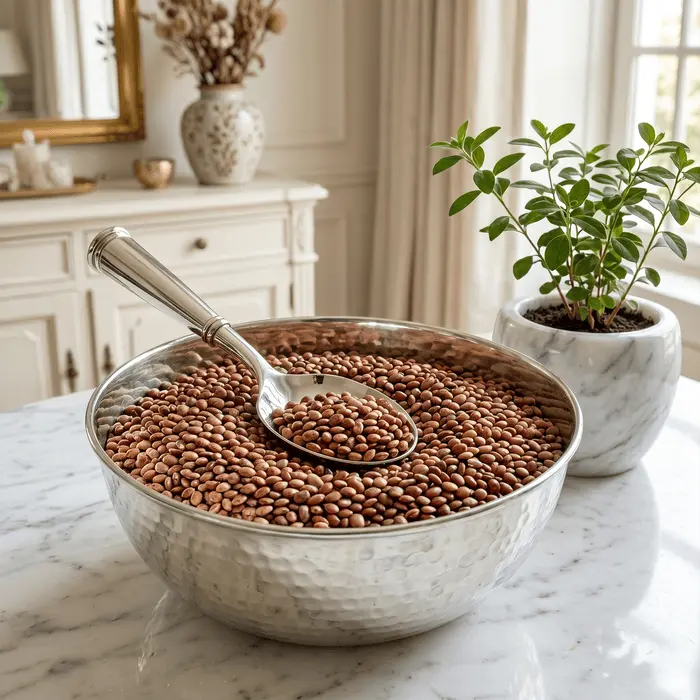
Kamal Gatta is the mature seed of the lotus plant, scientifically identified as Nelumbo nucifera and belonging to the Nelumbonaceae family. It is traditionally known as Kamal Beej, Kamalgatta and Lotus Seeds and is supplied as a dried raw botanical seed. The ingredient has longstanding relevance in Indian food traditions, Ayurveda, herbal practices, wellness preparations and religious ceremonies.
For international businesses, this India-origin botanical material can be considered for food manufacturing, herbal formulations, nutraceutical development, traditional wellness products and selected cosmetic applications. Different commercial forms can be discussed according to the buyer’s processing requirements, intended use, quantity, packaging preference and destination market.
The lotus is a perennial aquatic plant traditionally associated with India and several other Asian regions. Its mature seed is the part used for commercial botanical applications. The seed has a firm outer covering and can be handled as whole material or processed into other suitable forms.
For buyers searching for Kamal Gatta Manufacturer, product identification is an important starting point. The raw material should be specified through its botanical name, plant part, commercial form and required quality parameters so that the purchasing specification remains clear throughout an international transaction.
The botanical identity Nelumbo nucifera is particularly useful for technical communication because common names can differ between markets. Using the scientific name alongside the commercial designation helps importers, distributors and formulation companies identify the intended raw material accurately.
The name Kamal Beej is widely associated with the seed of the lotus plant. Historically, lotus seeds have been used across India, China, Japan, Thailand and other Southeast Asian regions in food, traditional wellness practices and ceremonial activities. In Ayurveda, lotus-derived materials have traditionally been associated with nourishing, cooling, strengthening and calming characteristics.
For international manufacturers, traditional recognition can provide useful background when developing botanical product concepts. However, the suitability of the ingredient for a finished product depends on the formulation, intended application and regulations applicable in the target country.
Businesses evaluating an India-origin Kamal Beej Supplier can define their requirements around whole seeds, dehulled material, roasted product, powder or another agreed commercial form.
Food processing represents an important commercial application for lotus seed. Traditionally, the seeds can be roasted, boiled or incorporated into different preparations. Examples include kheer, halwa, sweets, soups and snack products.
Modern food manufacturers may evaluate the ingredient for nutritional mixes, bakery concepts, roasted seed products, health-food preparations and selected dietary formulations. The actual suitability depends on the manufacturer's recipe, processing conditions, quality specification and applicable food regulations.
A Lotus Seeds India sourcing program can therefore be relevant to overseas food businesses seeking India-origin botanical seed material for further processing or incorporation into finished products.
International buyers can specify seed condition, moisture requirements, cleanliness, packaging format and quantity before commercial procurement.
Lotus seed naturally contains protein, carbohydrates and dietary fibre, together with essential amino acids and minerals. The material contains naturally occurring nutrients and mineral constituents relevant to botanical and nutritional product development.
These characteristics can make the ingredient relevant to companies developing plant-based nutritional products, functional foods, dietary mixes and wellness-oriented formulations.
For a Nutraceutical Lotus Seeds application, manufacturers may evaluate the ingredient according to their formulation objectives and nutritional specifications. The final nutritional profile of a finished product will depend on the quantity used, processing method and overall recipe.
The ingredient should therefore be evaluated as a botanical raw material rather than assuming that its natural composition automatically establishes a particular health outcome.
Lotus seeds contain naturally occurring botanical constituents that have attracted interest in nutritional and botanical research. These include nuciferine, neferine and liriodenine, together with flavonoids, polyphenols, phenolic compounds, tannins and other antioxidant-associated constituents.
These compounds are relevant for businesses involved in botanical research and product development. Their presence can be considered when evaluating the raw material for particular formulation concepts.
Scientific studies involving Nelumbo nucifera have examined antioxidant, anti-inflammatory, cardiovascular, blood-glucose-related, neuroprotective, stress-related and antimicrobial areas. However, many findings are based on laboratory or animal research, and further human clinical research is required for many proposed therapeutic applications.
Lotus seed has a longstanding connection with traditional Indian practices. It may be incorporated into Ayurvedic preparations, botanical mixtures, herbal blends, traditional formulations and wellness-oriented products.
Businesses looking for Ayurvedic Kamal Gatta may evaluate whole or processed material according to the requirements of their formulation. Manufacturers can specify the desired form, quantity, packaging and technical parameters before commercial confirmation.
The material may also be relevant to companies developing Herbal Lotus Seeds products for traditional botanical ranges. Finished-product claims, labeling and regulatory positioning should be established according to the destination country's applicable requirements.
The nutritional composition of lotus seed makes it relevant to a range of plant-based product-development concepts. Potential applications include protein powders, health drinks, energy bars, nutritional mixes, dietary products and functional foods.
Manufacturers may choose different commercial forms depending on their production process. Whole material can be processed further by the buyer, while milled material may be more appropriate for formulations requiring a powdered botanical ingredient.
A Kamal Gatta Powder specification can include particle size, packaging, moisture and other quality parameters established between the supplier and purchaser.
Powder can provide a convenient format for businesses using lotus seed in blends, nutritional preparations or botanical formulations. The required particle size can vary according to the manufacturing process.
Companies evaluating Lotus Seed Powder may specify the desired mesh or particle-size range, quantity, packaging and intended application. These details should be agreed before commercial production so that the supplied material matches the buyer's processing requirements.
For overseas buyers, powdered botanical material also requires suitable packaging and storage because moisture exposure can affect product condition.
Lotus seed is documented in traditional preparations and may also be relevant to selected pharmaceutical, botanical and dietary-product development. Potential areas include herbal medicines, dietary supplements, traditional preparations and botanical formulations.
A pharmaceutical or supplement manufacturer should evaluate the ingredient according to the regulatory category applicable to its finished product. Raw-material suitability does not by itself establish authorization for a particular therapeutic use.
For research and formulation businesses, clear botanical identification, plant-part specification and quality documentation can help establish consistency between procurement batches.
Selected lotus-derived materials may also be evaluated by cosmetic and personal-care manufacturers. Potential applications include face masks, skincare products, botanical beauty preparations and anti-ageing cosmetic concepts.
A Lotus Seed Botanical Ingredient can be assessed by cosmetic manufacturers according to its intended formulation, compatibility, stability and regulatory requirements.
Cosmetic developers should independently evaluate product safety, finished-formulation performance and applicable labeling requirements before commercial marketing.
Different industries can require different forms of botanical seed. Commercial presentations can include whole dried seeds, dehulled kernels, roasted seeds, powder and customized forms.
This flexibility allows an overseas manufacturer to select a form according to its own processing setup.
A buyer looking for a Dried Lotus Seed Supplier may require whole dried material for additional processing, whereas a formulation company could request milled material or another agreed form.
The selected specification should always correspond to the intended application.
Commercial preparation generally begins with the selection of mature seeds. Cleaning, sorting and removal of foreign material are followed by drying, grading and inspection as applicable to the agreed specification.
For bulk supply, handling should focus on maintaining the identity and physical condition of the botanical material. Buyers can establish acceptance parameters before shipment, particularly when the ingredient is intended for regulated food, nutraceutical or herbal manufacturing.
Quality evaluation may include botanical identity, seed appearance, colour, odour, taste, moisture, foreign matter and other relevant parameters. For powdered material, particle size may also form part of the specification.
An overseas purchaser can establish a product specification covering botanical identity, plant part, appearance, colour, characteristic odour, taste where applicable, moisture, foreign matter, particle size for powder, microbiological requirements, heavy-metal parameters, pesticide-residue requirements and packaging specifications.
These parameters allow the buyer and supplier to establish a defined commercial standard before shipment.
A Kamal Gatta Bulk Supplier can use these requirements as the foundation for discussing quantity, grade, packaging and destination-specific procurement.
International importers and distributors may purchase lotus seed for further distribution, processing or manufacturing. Commercial quantities can be planned around shipment schedules and buyer-specific specifications.
For companies searching for Kamal Gatta Wholesale Supplier, the procurement discussion can include whole seeds, dehulled kernels, roasted material, powder or customized forms.
The term Kamal Gatta Wholesale is particularly relevant to distributors and commercial buyers who purchase larger quantities rather than consumer-sized packs.
A long-term supply arrangement may also be discussed where the buyer has recurring production requirements.
Vardhman Nutrition Co. operates as an India-based manufacturer and global B2B exporter of botanical herbs, serving international importers, wholesalers, distributors, manufacturers and private-label businesses.
For companies searching for Kamal Gatta B2B Supplier, commercial discussions can focus on quantity, product form, technical requirements, packaging and destination.
An India-origin sourcing channel can be useful for businesses looking to procure botanical raw material directly for their own manufacturing or distribution activities.
International procurement teams may specifically search for Kamal Gatta Manufacturer in India when looking for an India-origin source. A specification-based purchasing process can help buyers communicate exactly what they require instead of relying only on the common product name.
Similarly, businesses searching for a Kamal Gatta Exporter from India can provide their destination, quantity, intended application, packaging requirements and documentation needs for commercial evaluation.
The final export arrangement should be based on the agreed product specification and the requirements applicable to the destination market.
India-origin botanical ingredients can be relevant to importers across multiple international markets. For this product, enquiries may come from the USA, UK, Europe, Germany, UAE, Australia, South Korea and other overseas destinations.
Companies planning Kamal Gatta Export to USA can discuss commercial requirements based on product form, quantity, packaging and intended use.
US buyers should establish any applicable import, food, botanical, labeling and documentation requirements for their particular application before shipment.
Businesses looking for Kamal Gatta Export to UK can communicate their required quantity, seed form, quality parameters, packaging and documentation requirements.
The final specification should be aligned with the intended application and applicable UK import requirements.
For businesses considering Kamal Gatta Export to Europe, the commercial discussion can include botanical identity, quality specifications, packaging, quantity and destination details.
European buyers should verify the regulatory conditions relevant to their specific product category and intended use.
Companies evaluating Kamal Gatta Export to Germany can discuss India-origin supply according to their technical and commercial requirements.
Importers can provide information concerning product form, quantity, packaging and documentation needed for their procurement process.
For Kamal Gatta Export to UAE, buyers can specify the intended application, required quantity, packaging and destination details.
The importer should confirm applicable UAE requirements for the intended use and product classification.
Businesses considering Kamal Gatta Export to Australia can discuss commercial supply according to the required botanical form and destination specifications.
Import and biosecurity conditions should be confirmed by the buyer before shipment where applicable.
Companies searching for Kamal Gatta Export to South Korea can provide their quantity, product form, packaging requirements and intended application for commercial evaluation.
Destination-specific documentation and import requirements should be confirmed before the order is finalized.
Private-label companies may require botanical raw materials for their own branded product ranges. The material can be evaluated for bulk, powdered or customized commercial programs according to the buyer's requirements.
A Kamal Gatta Private Label project can involve customized packaging, agreed product specifications and commercial quantities.
For businesses requiring a customized manufacturing or supply arrangement, a Kamal Gatta OEM Supplier relationship may be considered according to the required product form, packaging and recurring order structure.
Private-label buyers remain responsible for finished-product labeling, claims, regulatory approval and market compliance.
Packaging should protect dried botanical material during handling, storage and international transportation. Suitable packaging helps reduce exposure to moisture, insects, fungal contamination and unsuitable environmental conditions.
The final packaging configuration may depend on order quantity, product form, transportation method, destination climate, storage duration, buyer specifications, labeling requirements and import conditions.
Powdered material should receive particular attention to moisture protection because improper storage can affect its physical condition.
Dried lotus seed should generally be maintained in a clean, dry and protected environment. Excessive moisture and direct sunlight should be avoided, while packaging should remain properly sealed.
Storage areas should also be protected from insects, contamination and unsuitable environmental exposure.
Approximate shelf-life ranges can vary by commercial form and storage conditions. Whole dried seeds may remain suitable for approximately 12–24 months, dehulled kernels for 6–12 months, roasted material for 3–6 months and powder for 6–12 months, subject to appropriate storage and product-specific conditions.
Actual commercial stability can depend on moisture, packaging, handling, temperature and storage conditions.
International B2B supply can be relevant to food manufacturers, herbal-product manufacturers, Ayurvedic businesses, nutraceutical companies, botanical ingredient distributors, dietary-product manufacturers, wellness-product developers, cosmetic manufacturers, pharmaceutical businesses, importers, wholesalers, distributors, private-label companies and botanical ingredient traders.
Each buyer can establish its own technical specification according to the intended finished-product application.
Businesses interested in purchasing the material can provide the required quantity, desired commercial form, botanical specification, intended application, quality requirements, packaging preference, destination country, documentation requirements, shipping requirements and private-label requirements where applicable.
Providing these details helps create a more precise commercial discussion and allows the requested material to be evaluated against the buyer's actual requirements.
The botanical name is Nelumbo nucifera, and the commercially used plant part is the seed.
Common names include Kamal Gatta, Kamal Beej, Kamalgatta, Lotus Seeds and Dried Lotus Seeds.
Potential sectors include food, herbal, Ayurvedic, nutraceutical, pharmaceutical, cosmetic and traditional product development.
Yes. Powder is one of the commercial forms that can be considered. The desired particle size and other parameters can be specified by the buyer.
Yes. International B2B buyers can discuss quantity, product form, specifications, packaging and destination requirements.
Packaging can be discussed according to quantity, product form, transportation requirements and destination-market specifications.
Many research findings concerning lotus-derived compounds are based on laboratory and animal studies. Additional human clinical research is required for many proposed therapeutic applications.
Kamal Gatta is a versatile lotus-derived botanical seed with established traditional use and multiple commercial possibilities. Its identity as Nelumbo nucifera provides international buyers with a clear botanical reference, while whole, dehulled, roasted and powdered forms can support different manufacturing requirements.
For overseas importers, wholesalers, distributors, food manufacturers, herbal companies, nutraceutical businesses and private-label organizations, procurement can be structured around botanical identity, product form, quality specifications, quantity, packaging and destination requirements.
The India-origin supply model is designed for international B2B procurement, where buyers require commercial quantities and product-specific specifications rather than retail-oriented supply. By defining technical and commercial requirements before shipment, international businesses can evaluate the material according to their own manufacturing process and target-market conditions.
.webp)



.webp)
.webp)
.webp)
.webp)
.webp)
.webp)
.webp)
.webp)
.webp)
.webp)
.webp)
.webp)