Kulthi Dal Manufacturer & Global B2B Exporter from India
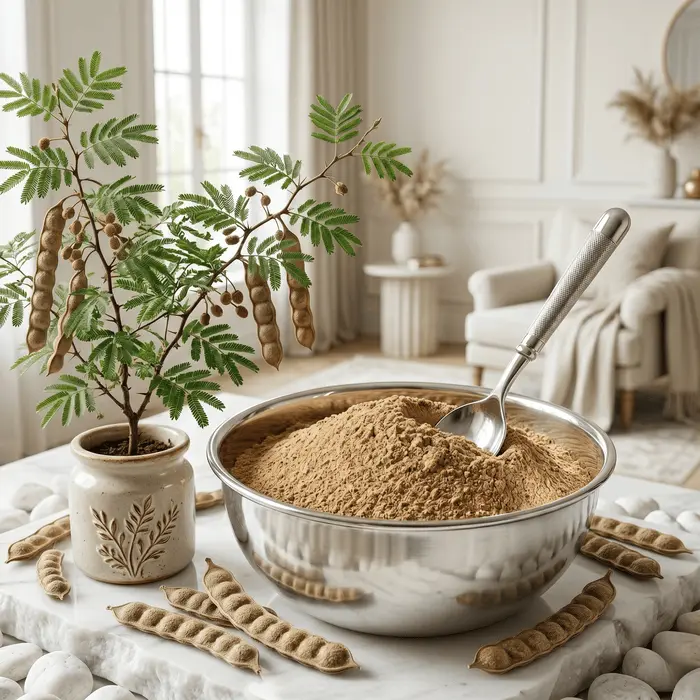
Vardhman Nutrition Co. is an India-based Kulthi Dal Manufacturer, Supplier and Global B2B Exporter supplying India-origin Horse Gram to international commercial buyers. Known as Horse Gram, Kollu and Madras Gram in different regions, this traditional pulse is obtained from Macrotyloma uniflorum, a legume belonging to the Fabaceae family.
The product is suitable for international importers, pulse traders, food manufacturers, wholesalers, distributors, nutritional-food businesses, natural-food companies, private-label brands and other B2B organizations seeking Indian-origin pulse ingredients.
Our export-oriented business supports bulk Kulthi Dal supply from India for food processing, ingredient trading, commercial distribution and suitable product-development programs.
Understanding the Indian Pulse Called Kulthi
Kulthi is a traditional pulse with a long association with Indian agriculture and food culture. The crop is recognized for its ability to perform under comparatively dry growing conditions and is cultivated in several Indian regions.
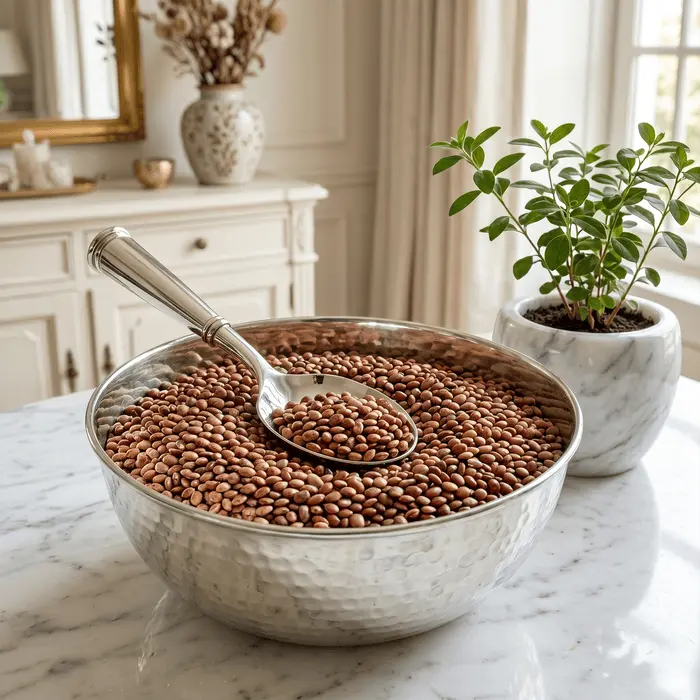
The seeds are generally small and can occur in reddish-brown, dark-brown, mottled or other naturally varying shades. Regional terminology may differ, but the botanical identity remains an important reference for international procurement.
For overseas buyers, clear identification of the species, product form and intended application helps establish an accurate commercial specification.
Product Identification Through Macrotyloma uniflorum
The scientific identity of the ingredient is Macrotyloma uniflorum (Lam.) Verdc. and the species belongs to Fabaceae.
- Product: Kulthi Dal
- Common English Name: Horse Gram
- Regional Name: Kollu
- Regional/Trade Name: Madras Gram
- Botanical Name: Macrotyloma uniflorum
- Family: Fabaceae / Leguminosae
- Plant Material: Seed
- Product Form: Whole dried pulse
- Origin: India
- Supply Category: International B2B bulk procurement
Seed Appearance and Natural Variation
Whole Kulthi seeds naturally display differences in colour and appearance depending on variety, agricultural origin and handling.
Typical commercial lots may contain reddish-brown, dark-brown or mottled seeds. Size and visual characteristics can also vary naturally.
For food and ingredient businesses, the required grade and physical specifications should be communicated before procurement. This helps align the raw material with milling, cooking, processing or distribution requirements.
Nutritional Composition of Horse Gram
Horse Gram is valued as a nutrient-containing legume and traditional food crop. The supplied information identifies approximately 20–25% protein, complex carbohydrates, dietary fibre, relatively low fat and essential amino acids among its nutritional components.
The pulse also provides minerals such as:
- Calcium
- Iron
- Phosphorus
- Magnesium
- Potassium
- Zinc
B-group vitamins identified in the supplied material include Thiamine, Riboflavin, Niacin and Folic Acid.
This nutritional profile makes Indian Horse Gram relevant to food manufacturers developing pulse-based and plant-oriented nutritional products.
Phytochemical Components Naturally Present in Kulthi
Along with nutrients, Macrotyloma uniflorum contains naturally occurring phytochemical groups.
The supplied source identifies polyphenols, flavonoids, tannins, saponins, phytates, lectins and other phenolic compounds.
Natural antioxidant components and mucilage are also associated with the pulse.
The concentration of naturally occurring constituents can vary according to variety, growing conditions, maturity, harvesting, processing and storage. Therefore, buyers requiring specific analytical parameters should define those requirements before commercial procurement.
Traditional Food Heritage of Kulthi Dal
Kulthi Dal has traditionally been used in Indian kitchens in several forms. Whole seeds can be cooked as dal, added to soups and curries or incorporated into regional recipes.
Its versatility also allows the pulse to serve as a raw material for further food processing.
- Traditional dal preparations
- Pulse-based foods
- Soups
- Curries
- Multigrain products
- Specialty pulse formulations
- Ready-to-cook foods
- Food ingredient blends
- Sprouted pulse products
The final application should comply with the food regulations applicable in the target market.
Milling and Horse Gram Flour Applications
Food processors can use whole seeds as a starting material for milling and flour production.
Horse Gram Flour may be considered for suitable rotis, parathas, porridge, biscuits and other food products. It can also be combined with other cereal or pulse flours depending on formulation objectives.
Manufacturers may specify desired milling characteristics, particle size and packaging according to their production process.
Sprouted Horse Gram Product Development
Sprouted Horse Gram is another food format associated with the pulse. Food businesses can evaluate sprouted material for suitable nutritional and specialty-food concepts.
Because sprouting changes moisture and storage characteristics, this form requires different handling, hygiene and shelf-management practices compared with dry whole seeds.
For commercial production, manufacturers should establish suitable processing and storage controls for the final product.
Nutraceutical and Plant-Nutrition Opportunities
The protein, fibre, mineral and phytochemical profile of Horse Gram creates opportunities for nutritional product development.
Nutraceutical and functional-food businesses may evaluate the ingredient for:
- Plant-based nutrition products
- Protein-rich food concepts
- Fibre-containing formulations
- Nutritional blends
- Pulse-based supplements
- Functional food ingredients
- Traditional nutrition products
Finished-product manufacturers should verify permitted claims and ingredient requirements for the destination market.
Traditional Herbal and Ayurvedic Relevance
Horse Gram has also been associated with traditional Indian herbal and Ayurvedic practices.
The supplied material describes traditional associations with digestive wellness, urinary health and general dietary use. These historical applications form part of the plant's traditional background and should not be represented as guaranteed medical effects.
International manufacturers should evaluate the ingredient according to the category of their finished product and the regulations governing that category.
Traditional Functional Properties of Horse Gram
The supplied information associates Horse Gram with several traditional properties, including warming characteristics and traditional Vata-Kapha considerations.
Scientific research has also investigated antioxidant, inflammatory, antimicrobial and other biological activities associated with the pulse.
Such findings should be interpreted carefully because laboratory or animal research does not automatically establish clinical effectiveness in humans.
Research and Scientific Interest
Horse Gram continues to attract scientific attention because of its nutritional composition and naturally occurring phytochemicals.
Research has examined its protein and mineral content as well as antioxidant activity associated with polyphenols and flavonoids.
Laboratory and animal investigations have explored areas such as inflammatory response, glucose-related activity, lipid metabolism, antimicrobial properties, antifungal activity, digestive health and kidney-stone-related research.
Research involving calcium oxalate has also contributed to interest in the pulse.
However, large-scale human clinical evidence remains limited for many proposed health applications. Commercial product communication should therefore remain aligned with available evidence and applicable regulations.
Agricultural Strength of the Horse Gram Crop
One distinctive characteristic of Macrotyloma uniflorum is its adaptability to relatively dry agricultural conditions.
The crop can be grown in lower-rainfall regions and comparatively poor soils, making it relevant to rainfed farming systems.
Its ability to contribute nitrogen to agricultural soil through legume-associated nitrogen fixation also gives it importance beyond its role as a food crop.
Kulthi in Sustainable Farming Systems
Horse Gram can have value within farming systems where water availability is limited.
Its drought tolerance and ability to grow under comparatively challenging conditions make it suitable for selected marginal and rainfed agricultural areas.
The crop can also be considered in green-manure and cover-crop programs where appropriate.
These agricultural characteristics contribute to the wider commercial importance of Kulthi beyond direct food consumption.
Horse Gram for Livestock Feed Applications
The pulse can also be used as an agricultural feed material. Its protein and mineral composition makes it relevant to selected livestock-feed formulations.
Feed manufacturers can evaluate Horse Gram according to animal-nutrition requirements, feed formulation objectives and applicable feed regulations.
Human-food and animal-feed applications should be managed as separate commercial categories with appropriate quality and storage specifications.
Kulthi Dal Manufacturer in India
Vardhman Nutrition Co. operates as a Kulthi Dal Manufacturer in India serving international B2B customers.
Our India-origin supply model is designed for commercial buyers requiring whole dried pulse material for food processing, ingredient trading, distribution or further development.
International customers can communicate quantity, product requirements, packaging, destination and documentation requirements before confirming procurement.
Bulk Kulthi Dal Supplier from India
As a Bulk Kulthi Dal Supplier from India, Vardhman Nutrition Co. supports commercial sourcing requirements for overseas businesses.
Bulk procurement is relevant to pulse importers, food manufacturers, ingredient distributors, wholesalers, ethnic-food companies, natural-food businesses and private-label organizations.
Buyers can specify:
- Required volume
- Product grade
- Packaging preference
- Destination
- Intended use
- Documentation
- Shipment requirements
Kulthi Dal Wholesale Supplier for International Buyers
Businesses searching for a Kulthi Dal Wholesale Supplier can discuss India-origin commercial supply with Vardhman Nutrition Co.
Wholesale procurement may support resale, distribution, food manufacturing and incorporation into private product ranges.
International B2B sourcing can be planned around product identification, quantity, packaging and destination requirements.
Horse Gram Exporter from India
Vardhman Nutrition Co. works as a Horse Gram Exporter from India, supporting international buyers seeking Macrotyloma uniflorum for commercial purposes.
Our export enquiries can cover markets including the USA, UK, Europe, Germany, UAE, Australia and South Korea.
Import conditions may differ according to destination, product category, intended use and local regulations.
Kulthi Dal Export to USA
Companies searching for Kulthi Dal Export to USA can contact Vardhman Nutrition Co. for India-origin B2B sourcing.
US importers can communicate their required quantity, grade, packaging, intended application and documentation requirements. Applicable US import and food requirements should be confirmed by the importer before shipment.
Kulthi Dal Supplier from India to UK
Businesses requiring a Kulthi Dal Supplier from India to UK can discuss commercial procurement for food manufacturing, distribution or ingredient trading.
UK buyers can specify product grade, packaging, quantity and required documentation according to their intended use.
Kulthi Dal Export from India to Europe
Companies planning Kulthi Dal Export from India to Europe can enquire about India-origin Horse Gram for suitable food and ingredient applications.
European market requirements can vary by country and end use, so importers should confirm applicable food, labelling and documentation conditions.
Kulthi Dal Exporter from India to Germany
For businesses searching for a Kulthi Dal Exporter from India to Germany, Vardhman Nutrition Co. provides an India-based B2B sourcing channel.
German buyers can provide technical specifications, quantity, packaging and destination information for commercial evaluation.
Kulthi Dal Supplier from India to UAE
A Kulthi Dal Supplier from India to UAE can support importers, distributors and food businesses seeking Indian-origin pulse ingredients.
UAE buyers can share quantity, packaging preference, intended application and destination details before order confirmation.
Kulthi Dal Exporter from India to Australia
Businesses looking for a Kulthi Dal Exporter from India to Australia can enquire about bulk commercial sourcing.
Australian buyers should provide destination and product requirements so that applicable import considerations and documentation can be discussed.
Kulthi Dal Exporter from India to South Korea
Companies searching for a Kulthi Dal Exporter from India to South Korea can discuss India-origin Horse Gram for suitable food and ingredient applications.
Destination-specific specifications and documentation should be communicated before commercial shipment.
International B2B Packaging for Kulthi Dal
Packaging plays an important role in protecting dried pulse material during transportation and storage.
For bulk export requirements, packaging can be selected according to:
- Order quantity
- Transportation method
- Destination climate
- Storage duration
- Buyer requirements
- Labelling requirements
- Import regulations
Pack weight, material and dimensions should be finalized according to the commercial specification.
Storage Conditions for Whole Horse Gram
Whole dried seeds should be kept in a clean, dry and protected environment.
- Use suitable food-grade storage packaging.
- Protect from excess moisture.
- Avoid direct sunlight.
- Maintain appropriate warehouse conditions.
- Inspect periodically for insects.
- Protect against fungal contamination.
- Keep away from chemicals and pesticides.
- Maintain packaging integrity during storage.
For extended commercial storage, suitable vacuum or nitrogen-flushed packaging may be considered where appropriate.
Shelf Stability of Kulthi Dal
Under suitable storage conditions, whole Horse Gram generally remains usable for approximately 12–24 months.
Shelf stability can be influenced by moisture, temperature, oxygen exposure, light, insects, fungal contamination and packaging quality.
Processed forms such as flour and sprouted material should not automatically be assigned the same shelf-life as whole dried seeds because their moisture and storage characteristics differ.
Private-Label Horse Gram Supply
Private-label food businesses can consider Horse Gram for Private Label product ranges involving pulse-based foods, traditional foods and suitable nutritional concepts.
Commercial discussions may include quantity, packaging, labelling, product grade, destination and intended application.
Private-label manufacturers remain responsible for finished-product compliance and market-specific labelling requirements.
International Buyers of Indian Kulthi Dal
The product can be relevant to several categories of overseas businesses, including:
- Pulse importers
- Food ingredient companies
- Wholesale distributors
- Ethnic-food businesses
- Natural-food manufacturers
- Nutritional-food companies
- Food processors
- Ingredient traders
- Private-label brands
- Botanical raw-material buyers
Each buyer can define its own quality, packaging and commercial requirements.
Why International Buyers Source Kulthi from India
India has a long-standing agricultural and culinary relationship with Horse Gram and maintains an established pulse supply ecosystem.
For overseas businesses, Indian Kulthi Dal provides access to an India-origin whole pulse suitable for applicable food processing, ingredient trading and traditional food applications.
Vardhman Nutrition Co. focuses on international B2B supply, helping buyers communicate their product specifications, quantity, packaging and destination requirements.
Commercial Specification for Overseas Importers
When requesting a quotation, international buyers can provide:
- Product name
- Botanical name
- Required quantity
- Desired grade
- Intended application
- Packaging preference
- Destination country
- Documentation requirements
- Shipping preference
- Private-label requirements
Providing complete details helps establish a clear commercial specification.
Buy Kulthi Dal in Bulk from India
Businesses searching to Buy Kulthi Dal in Bulk from India can contact Vardhman Nutrition Co. for international B2B sourcing.
We support commercial enquiries from importers, wholesalers, distributors, food manufacturers, ingredient traders, natural-food businesses and private-label companies.
Share your required quantity, destination, packaging preference and intended application with our export team for a commercial sourcing discussion.
Frequently Asked Questions About Horse Gram
What is Kulthi Dal?
Kulthi Dal is the whole dried seed of Macrotyloma uniflorum, commonly known as Horse Gram.
What is the scientific name of Horse Gram?
The scientific name is Macrotyloma uniflorum (Lam.) Verdc., belonging to the Fabaceae family.
Is Kollu the same as Horse Gram?
Yes. Kollu is a regional name associated with Horse Gram, while Madras Gram is another name encountered in trade and regional usage.
Is Kulthi Dal available for bulk export?
Yes. Vardhman Nutrition Co. supports international B2B sourcing and commercial bulk requirements.
Who can purchase Indian Horse Gram?
Importers, food processors, pulse wholesalers, distributors, ingredient traders, natural-food companies and private-label businesses can enquire.
Do you supply Kulthi Dal from India?
Yes. Vardhman Nutrition Co. supplies India-origin Kulthi Dal for international commercial procurement.
Which markets can import the product?
International enquiries can cover the USA, UK, Europe, Germany, UAE, Australia and South Korea, subject to destination-specific requirements.
What is the shelf life of whole Kulthi Dal?
Whole dried Horse Gram generally remains usable for around 12–24 months under suitable storage conditions. Actual stability depends on packaging and storage environment.
Contact Vardhman Nutrition Co. for Global Kulthi Dal Supply
International importers, food manufacturers, pulse distributors, wholesalers, ingredient traders and private-label businesses looking for a Kulthi Dal Manufacturer, Supplier and Exporter from India can contact Vardhman Nutrition Co.
Please provide your required quantity, destination country, product specifications, packaging preference and intended application for commercial B2B sourcing.
Vardhman Nutrition Co.
Manufacturer & Global B2B Exporter of Botanical and Agricultural Ingredients from India
Bulk Kulthi Dal Supply Worldwide
Product Information Disclaimer
The information presented on this page is intended for general product, nutritional, botanical and commercial reference. Traditional uses and scientific research should not be interpreted as medical advice or as a guarantee that Horse Gram can diagnose, treat, cure or prevent any disease. Finished-product manufacturers, importers and distributors are responsible for evaluating product suitability, regulatory compliance, labelling and permitted claims in their respective markets.
.webp)
.webp)
.webp)
.webp)
.webp)
.webp)
.webp)
.webp)
.webp)
.webp)
.webp)
.webp)
.webp)
.webp)