
Mahua Seed Manufacturer, Supplier & Global B2B Exporter from India
Vardhman Nutrition Co. is an India-based Mahua Seed Manufacturer, Mahua Seed Supplier, and Global B2B Exporter, supplying Indian-origin plant-based raw materials to importers, wholesalers, distributors, oil processors, ingredient companies, industrial manufacturers, and commercial buyers worldwide.
Mahua Seed, botanically known as Madhuca longifolia, is an important oil-bearing seed obtained from the fruit of the Mahua tree. It belongs to the Sapotaceae family and has significant traditional, economic, agricultural, and industrial importance in several regions of India.
The Mahua tree is widely associated with states including Madhya Pradesh, Chhattisgarh, Jharkhand, Odisha, Maharashtra, Uttar Pradesh, Bihar, and various parts of South India. Its seeds are collected from mature fruits and are processed through cleaning, drying, sorting, and suitable post-harvest handling before commercial supply.
Vardhman Nutrition Co. follows an export-oriented B2B supply model, focusing on commercial quantities rather than domestic retail sales. Overseas buyers searching for Indian Mahua Seed, Indian Mahua Seeds, Dried Mahua Seeds, Madhuca longifolia Seeds, Bulk Mahua Seeds, Mahua Seed Raw Material, Mahua Seed Supplier India, or Mahua Seed Exporter from India can contact us for commercial procurement discussions.
India-Origin Mahua Seeds for Commercial Procurement
India has a diverse range of botanical and plant-based resources used by industries around the world. Mahua is one of the country's traditional multipurpose trees, with its seeds offering particular value as an oil-bearing agricultural raw material.
Mature Mahua fruits produce seeds that can be collected and separated from the fruit material. After appropriate cleaning, sorting, and drying, the seeds can be prepared for storage, transportation, and further commercial processing.
The naturally oil-bearing nature of Mahua makes the seed relevant to businesses involved in plant-based oil processing and related manufacturing activities.
Indian Mahua Seeds can be considered by:
- International importers
- Oil processing companies
- Plant-based ingredient businesses
- Wholesalers
- Distributors
- Botanical raw-material traders
- Soap manufacturers
- Industrial manufacturers
- Cosmetic ingredient companies
- Research and development businesses
- Private-label businesses
For international procurement, buyers can specify the botanical identity, physical characteristics, moisture requirements, packaging expectations, and intended application before confirming an order.
Mahua Seed: Botanical and Commercial Identification
Mahua Seed is obtained from the fruit of the Mahua tree, scientifically identified as Madhuca longifolia. The plant belongs to the Sapotaceae family.
For international B2B procurement, botanical identification is particularly important because common names may differ between regions and commercial databases.
Product Identification
- Botanical Name: Madhuca longifolia
- Common Name: Mahua
- Product Name: Mahua Seed
- Plant Part: Seed
- Family: Sapotaceae
- Country of Origin: India
- Commercial Form: Dried Seeds
Relevant commercial search terms include Mahua Seed, Mahua Seeds, Mahua Seed India, Indian Mahua Seed, Indian Mahua Seeds, Dried Mahua Seeds, Madhuca longifolia Seeds, Madhuca Seed, and Mahua Seed Raw Material.
These terms help importers, procurement teams, manufacturers, and ingredient distributors identify the intended botanical raw material accurately.
Regional Presence of Madhuca longifolia in India
Mahua is traditionally associated with several Indian regions where the tree forms part of local agricultural and rural ecosystems.
The plant is found across areas including:
- Madhya Pradesh
- Chhattisgarh
- Jharkhand
- Odisha
- Maharashtra
- Uttar Pradesh
- Bihar
- Parts of South India
The broad geographical presence of Mahua contributes to its importance as an Indian plant resource.
The tree is also known for its ability to withstand relatively challenging environmental conditions. Its long lifespan and multipurpose nature have contributed to its traditional significance in rural communities.
Physical Nature of Dried Mahua Seeds
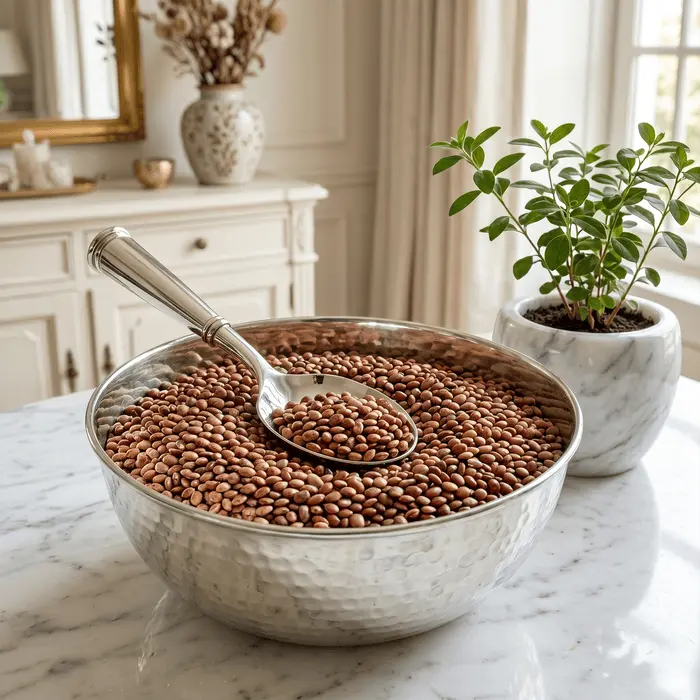
Dried Mahua Seeds are naturally oil-bearing and may show variations in physical appearance depending on their origin and post-harvest handling.
Characteristics can be influenced by:
- Geographical origin
- Fruit maturity
- Harvesting practices
- Seed separation
- Cleaning
- Drying conditions
- Sorting
- Storage
- Packaging
- Transportation
Commercial seed material may naturally vary in size, colour, moisture level, and general appearance.
For B2B procurement, buyers can communicate their preferred specifications so that the commercial supply can be evaluated according to their intended processing requirements.
From Mahua Fruit to Prepared Seed Material
The preparation of Mahua Seeds begins with the collection of mature fruit. The seeds are separated from the fruit material and then subjected to suitable post-harvest handling.
Cleaning and sorting help remove unwanted plant material and foreign matter. Drying is an important stage because excessive moisture may affect storage stability and subsequent processing.
A general commercial handling process can involve:
- Collection of mature Mahua fruit
- Separation of seeds
- Cleaning
- Sorting
- Drying
- Physical inspection
- Grading where required
- Packaging
- Batch identification
- Storage
Specific procedures may vary according to the raw-material condition, processing requirements, buyer specification, and intended commercial application.
Oil-Bearing Characteristics of Mahua Seeds
The principal commercial interest in Mahua Seeds is closely connected with their naturally oil-bearing character.
The seeds contain plant-based lipids that can be processed using suitable technologies to produce Mahua Seed Oil. The properties of the resulting oil depend on factors such as seed quality, processing method, extraction technology, purification, refining, storage, and intended use.
Businesses involved in oil processing may therefore consider Mahua Seeds as an agricultural raw material for downstream production.
Commercial areas of interest may include:
- Plant-based oil production
- Oil processing
- Industrial oil development
- Soap manufacturing
- Oleochemical applications
- Further refining
- Botanical oil research
- Ingredient development
The suitability of the processed oil for any specific end use should be determined through appropriate testing and compliance evaluation.
Mahua Seed as a Plant-Based Industrial Raw Material
Mahua Seed can serve as an upstream raw material for businesses working with plant-derived oils and related products.
Its commercial importance extends beyond the seed itself because downstream processing can produce materials with different potential applications.
Depending on the processing route, businesses may investigate Mahua-derived materials for:
- Industrial formulations
- Plant-based oil products
- Soap production
- Oleochemical development
- Renewable-energy research
- Botanical ingredient development
- Research and development
The exact application depends on the quality characteristics of the seed and the requirements of the processing facility.
Role in Soap Manufacturing and Oleochemical Development
Mahua-derived oil may be evaluated by manufacturers involved in soap and oleochemical production.
Oil processors can assess the seed according to their manufacturing process and required specifications. The resulting oil may then be used in suitable downstream formulations.
Potential areas include:
- Soap manufacturing
- Plant-based oil products
- Oleochemical processing
- Surfactant-related development
- Industrial formulations
- Further oil processing
The suitability of the material should be confirmed according to the buyer's specific processing system and product requirements.
Cosmetic and Personal-Care Relevance of Mahua-Derived Material
Mahua-derived oil has traditional relevance in skin and hair massage applications and may be evaluated by cosmetic and personal-care businesses interested in plant-based raw materials.
Potential downstream development areas can include:
- Skin-care formulations
- Hair-care products
- Botanical oil blends
- Massage preparations
- Personal-care products
- Plant-based cosmetic concepts
The seed itself is an upstream raw material, while the final cosmetic ingredient depends on the processing and purification method used.
Cosmetic manufacturers should conduct suitable formulation, stability, safety, and regulatory evaluations before incorporating Mahua-derived materials into finished products.
Traditional Importance of Mahua in India
Mahua has a long-standing place in the traditional life of several Indian communities. Different parts of the tree have historically been utilized for household, agricultural, food-related, and other local purposes.
Mahua seed oil has traditionally been used in certain communities for cooking, household purposes, lamp lighting, and skin or hair massage.
These traditional uses demonstrate the historical versatility of the Mahua tree. However, traditional use should not be interpreted as proof of a guaranteed therapeutic effect.
For international commercial applications, buyers should evaluate the raw material according to their specific intended use and destination-market regulations.
Rural Livelihood and Economic Significance
Mahua is an important natural resource for various rural and tribal communities in India.
Collection and utilization of Mahua materials can contribute to seasonal income and livelihood opportunities. The tree's ability to grow under relatively difficult environmental conditions further supports its significance as a traditional plant resource.
Commercial procurement of Mahua Seeds can therefore form part of a wider agricultural and botanical supply chain connecting Indian raw-material sources with international businesses.
For buyers, the product represents both an oil-bearing plant resource and an India-origin agricultural raw material.
Natural Components Found in Mahua Seeds
Mahua Seeds naturally contain oil and other plant-derived constituents.
Mahua seed oil is commonly associated with fatty acids including:
- Oleic acid
- Stearic acid
- Palmitic acid
- Linoleic acid
- Linolenic acid
Mahua-related materials have also been studied for naturally occurring compounds such as phytosterols, phenolic compounds, flavonoids, tannins, triterpenoid saponins, and triglycerides.
The exact composition may vary depending on:
- Seed origin
- Fruit maturity
- Cultivation conditions
- Harvesting
- Drying
- Storage
- Processing
- Extraction method
- Analytical procedure
Therefore, buyers requiring specific compositional parameters should request suitable batch-level testing or documentation.
Mahua Seed and Renewable-Fuel Research
Mahua seed oil has attracted interest in renewable-energy research because of its potential as a plant-derived feedstock for biodiesel development.
Scientific and industrial studies have investigated different conversion processes and fuel characteristics associated with Mahua-derived oil.
The interest in this area is connected with the naturally oil-bearing nature of the seed and the possibility of utilizing non-conventional plant resources for energy development.
Businesses involved in renewable-resource research may evaluate Mahua Seeds according to their own processing technology and applicable standards.
The suitability of the resulting biodiesel depends on feedstock quality, conversion conditions, fuel specifications, testing, and regulatory requirements.
Scientific Research Around Mahua Seed
Mahua has been the subject of research covering both industrial and biological areas.
Research has investigated Mahua-derived materials in relation to:
- Biodiesel development
- Oil-processing technologies
- Antioxidant activity
- Antimicrobial properties
- Agricultural applications
- Soil-related uses
- Plant-based raw materials
- Renewable-resource development
Some laboratory and experimental studies have reported biological activities associated with Mahua-derived materials. However, research findings can differ according to methodology, extraction conditions, test systems, and experimental design.
Such findings should not be presented as guaranteed human health benefits.
For commercial procurement, the primary value of Mahua Seed is its identity as an oil-bearing Indian botanical raw material suitable for appropriate downstream processing.
Mahua Seed Quality Parameters for International Buyers
International procurement often requires clear quality specifications.
Depending on the buyer's application, commercial evaluation may include:
- Correct botanical identity
- Seed maturity
- Physical appearance
- Moisture
- Foreign matter
- Cleanliness
- Seed size
- Dryness
- General condition
- Packaging integrity
- Storage history
- Batch identification
Buyers can communicate their own technical specification before order confirmation.
For processing facilities, clearly defined incoming-material requirements can help maintain consistency in downstream operations.
Bulk Mahua Seeds for International B2B Procurement
Vardhman Nutrition Co. supplies Bulk Mahua Seeds for international B2B buyers.
Our commercial supply model is intended for businesses requiring Mahua Seed in quantities suitable for manufacturing, processing, distribution, and further commercial use.
We can serve:
- Importers
- Wholesalers
- Distributors
- Oil processors
- Industrial manufacturers
- Soap manufacturers
- Botanical ingredient companies
- Cosmetic ingredient businesses
- Ingredient traders
- Private-label businesses
International buyers can share their quantity, quality requirements, packaging preference, application, and destination country to begin a procurement discussion.
Mahua Seed Wholesale Supplier from India
As a Mahua Seed Wholesale Supplier from India, Vardhman Nutrition Co. supports businesses seeking India-origin plant-based raw materials for commercial operations.
Wholesale procurement can be discussed according to the buyer's volume and specifications.
Commercial enquiries may include:
- Required quantity
- Seed condition
- Moisture requirement
- Foreign-matter specification
- Packaging preference
- Intended processing
- Destination country
- Documentation requirements
- Delivery expectations
This information helps establish a clear commercial requirement before order confirmation.
Mahua Seed Supplier India for Importers and Distributors
Businesses searching for a Mahua Seed Supplier India can approach Vardhman Nutrition Co. for commercial sourcing discussions.
Our focus is on supplying Indian-origin Mahua Seed to international buyers rather than domestic retail customers.
Importers and distributors can discuss their preferred specifications, order quantities, packaging requirements, and destination-market needs.
The objective is to support reliable B2B procurement and develop long-term relationships with professional buyers.
Mahua Seed Manufacturer India
Vardhman Nutrition Co. is positioned as a Mahua Seed Manufacturer India serving international B2B procurement requirements.
Our supply approach is centered on product-specific sourcing, commercial quantities, packaging coordination, buyer communication, and export support.
Businesses searching for a Mahua Seed Manufacturer, Mahua Seed Supplier, or Indian Mahua Seed Supplier can share their procurement requirements with our team.
For larger-volume enquiries, buyers can provide detailed specifications so that the supply discussion can be aligned with their intended application.
Mahua Seed Exporter from India
Vardhman Nutrition Co. operates as a Mahua Seed Exporter from India, serving overseas importers, distributors, processors, manufacturers, and commercial ingredient businesses.
Our export-focused approach supports international procurement of Indian plant-based raw materials.
Destination requirements may differ between markets, so buyers should communicate their country, intended use, packaging requirements, and documentation expectations before shipment.
Mahua Seed Export to USA
Businesses searching for Mahua Seed Export to USA can enquire about Indian-origin bulk supply for suitable commercial applications.
US importers, oil processors, ingredient companies, and industrial buyers can provide their required specifications and destination-related documentation needs.
Mahua Seed Export to UK
For Mahua Seed Export to UK, international buyers can contact Vardhman Nutrition Co. regarding commercial quantities, specifications, packaging, and export coordination.
Mahua Seed Export to Europe
Businesses looking for Mahua Seed Export to Europe can discuss their bulk procurement requirements according to their intended application and destination-market expectations.
Mahua Seed Export to Germany
German importers and manufacturers searching for Mahua Seed Export to Germany can enquire about India-origin commercial supply and relevant procurement requirements.
Mahua Seed Export to UAE
UAE-based businesses looking for Mahua Seed Export to UAE can contact Vardhman Nutrition Co. for bulk B2B sourcing discussions.
Mahua Seed Export to Australia
Australian importers seeking Mahua Seed Export to Australia can communicate their required quantity, technical specifications, packaging preferences, and import-related requirements.
Mahua Seed Export to South Korea
Businesses searching for Mahua Seed Export to South Korea can discuss commercial sourcing requirements with Vardhman Nutrition Co. according to applicable import conditions.
B2B Mahua Seed Supply for Global Businesses
Our Mahua Seed B2B Supplier approach is designed for professional buyers requiring commercial quantities of Indian Mahua Seed.
B2B procurement can involve detailed requirements relating to:
- Botanical identity
- Plant part
- Seed condition
- Moisture
- Foreign matter
- Cleanliness
- Physical appearance
- Size
- Packaging
- Storage
- Batch information
- Documentation
Buyers can provide their own specifications for evaluation before commercial confirmation.
Customized Packaging and Private-Label Requirements
International businesses may have different packaging and procurement requirements depending on their distribution model and downstream application.
Vardhman Nutrition Co. can discuss requirements involving:
- Bulk Mahua Seeds
- Wholesale supply
- Customized packaging
- Private-label arrangements
- Commercial quantities
- Processing specifications
- Destination-market requirements
- Export documentation
Packaging and customization should be finalized according to order quantity, transportation method, storage requirements, intended use, and applicable regulations.
Packaging Considerations for Dried Mahua Seeds
Suitable packaging helps protect Dried Mahua Seeds during transportation and storage.
The material should be protected from excessive:
- Moisture
- Humidity
- Direct sunlight
- Pest exposure
- Fungal contamination
- Foreign-material contamination
- Strong external odors
The packaging format can depend on order volume, transportation method, destination country, storage duration, and buyer specifications.
International buyers can communicate their preferred packaging format during the quotation stage.
Storage Conditions for Mahua Seeds
Mahua Seeds should generally be stored in a clean, dry, well-ventilated environment.
Proper storage practices can help maintain the physical condition of the seed material during its commercial storage period.
Important storage considerations include:
- Keep the material dry
- Minimize exposure to humidity
- Protect from direct sunlight
- Avoid pest exposure
- Maintain storage hygiene
- Prevent contamination
- Keep packaging properly sealed where applicable
- Avoid prolonged exposure to unsuitable temperatures
Storage conditions should be appropriate for the specific packaging and commercial handling system.
Shelf-Life of Whole Mahua Seeds
Under suitable storage conditions, Whole Mahua Seeds may generally maintain their commercial quality for approximately 12–24 months.
Actual shelf life can vary according to:
- Moisture level
- Temperature
- Humidity
- Packaging
- Storage hygiene
- Pest exposure
- Handling
- Transportation conditions
If unusual moisture, visible fungal growth, abnormal odour, or significant physical deterioration is observed, the material should undergo appropriate quality evaluation before further processing.
Commercial Benefits of Sourcing Mahua Seed from India
India offers an established environment for sourcing botanical and agricultural raw materials.
Mahua is a traditional Indian plant resource with established regional availability and multiple commercial possibilities.
For international buyers, sourcing from India can provide access to:
- India-origin raw material
- Bulk procurement
- Plant-based agricultural resources
- Established botanical supply networks
- Commercial B2B sourcing
- Export-oriented suppliers
Vardhman Nutrition Co. focuses on connecting Indian raw-material supply with overseas commercial buyers.
Why Choose Vardhman Nutrition Co. for Mahua Seed?
Vardhman Nutrition Co. provides an India-based sourcing option for international businesses looking for Mahua Seed in commercial quantities.
Our key B2B supply strengths include:
- India-based raw-material sourcing
- Bulk Mahua Seed availability
- Global export orientation
- Commercial quantity procurement
- Product-specific communication
- Packaging coordination
- International buyer support
- Customized requirement discussion
- Export documentation coordination
Our focus is on developing dependable long-term relationships with importers, processors, wholesalers, manufacturers, distributors, and ingredient businesses worldwide.
Buy Mahua Seed in Bulk from India
Businesses looking to Buy Mahua Seed in Bulk can contact Vardhman Nutrition Co. with their commercial requirements.
For a quotation or procurement discussion, buyers can provide:
- Required quantity
- Product specification
- Seed condition requirements
- Intended application
- Preferred packaging
- Destination country
- Documentation requirements
- Expected delivery schedule
Providing complete information helps create a more precise commercial enquiry and allows the supply discussion to remain aligned with the buyer's requirements.
Frequently Asked Questions About Mahua Seed
What is Mahua Seed?
Mahua Seed is the seed obtained from the fruit of the Mahua tree, botanically known as Madhuca longifolia. It is a naturally oil-bearing plant-based raw material used for suitable commercial processing.
What is the botanical name of Mahua Seed?
The botanical name is Madhuca longifolia, and the plant belongs to the Sapotaceae family.
What are Dried Mahua Seeds?
Dried Mahua Seeds are Mahua seeds that have undergone suitable drying and post-harvest handling to prepare them for storage, transportation, and further commercial processing.
Why are Mahua Seeds commercially important?
Mahua Seeds are commercially important because they naturally contain oil and can serve as raw material for suitable plant-based oil processing and downstream industrial applications.
Who buys Mahua Seeds in bulk?
Importers, oil processors, wholesalers, distributors, industrial manufacturers, soap businesses, botanical ingredient companies, cosmetic ingredient businesses, ingredient traders, and other commercial buyers may purchase Mahua Seeds in bulk.
Do you supply Mahua Seed from India?
Yes. Vardhman Nutrition Co. supplies India-origin Mahua Seed for international B2B procurement.
Do you provide wholesale Mahua Seed?
Yes. Commercial wholesale quantities can be discussed according to buyer requirements, specifications, packaging, and destination.
Is Mahua Seed available for export?
Yes. Vardhman Nutrition Co. provides Mahua Seed Exporter from India services for international B2B buyers, subject to destination-market requirements.
Which countries can source Mahua Seed from India?
International enquiries can be received from the USA, UK, Europe, Germany, UAE, Australia, and South Korea, subject to applicable import requirements.
Can buyers request specific quality parameters?
Yes. Buyers can communicate requirements relating to moisture, cleanliness, foreign matter, seed condition, appearance, size, packaging, documentation, and other technical parameters.
How should Whole Mahua Seeds be stored?
Whole Mahua Seeds should generally be stored in a clean, dry and well-ventilated environment protected from excessive moisture, direct sunlight, pests, contamination, and strong odors.
What is the typical shelf life of Whole Mahua Seeds?
Under suitable storage conditions, Whole Mahua Seeds may generally maintain commercial quality for approximately 12–24 months. Actual shelf life depends on storage, packaging, moisture, handling, and other conditions.
Contact Vardhman Nutrition Co. for Mahua Seed Export Supply
Vardhman Nutrition Co. welcomes enquiries from overseas businesses searching for an Indian Mahua Seed Manufacturer, Mahua Seed Supplier, Mahua Seed Wholesale Supplier, or Mahua Seed Exporter from India.
Whether you require Bulk Mahua Seeds, Indian Mahua Seeds, Dried Mahua Seeds, Madhuca longifolia Seeds, Mahua Seed Raw Material, or customized commercial supply, our team can discuss your procurement requirements.
Please share your required quantity, quality specification, intended application, packaging preference, and destination country for a commercial enquiry.
Vardhman Nutrition Co.
Manufacturer & Global B2B Exporter from India
Bulk Botanical Ingredients Supply Worldwide
Product Information Disclaimer
The information presented on this page describes the botanical identity, natural characteristics, traditional background, commercial applications, processing potential, storage considerations, and sourcing aspects of Mahua Seed.
Traditional uses and research findings should not be interpreted as medical advice or guaranteed therapeutic outcomes. The suitability of Mahua Seed for a particular application depends on raw-material quality, processing method, intended use, formulation, applicable regulations, and destination-market requirements.
International buyers are responsible for ensuring that their intended use, importation, processing, labelling, transportation, and finished products comply with all applicable laws and regulatory requirements.






.webp)



.webp)
.webp)
.webp)
.webp)
.webp)
.webp)
.webp)
.webp)
.webp)
.webp)
.webp)
.webp)
.webp)