
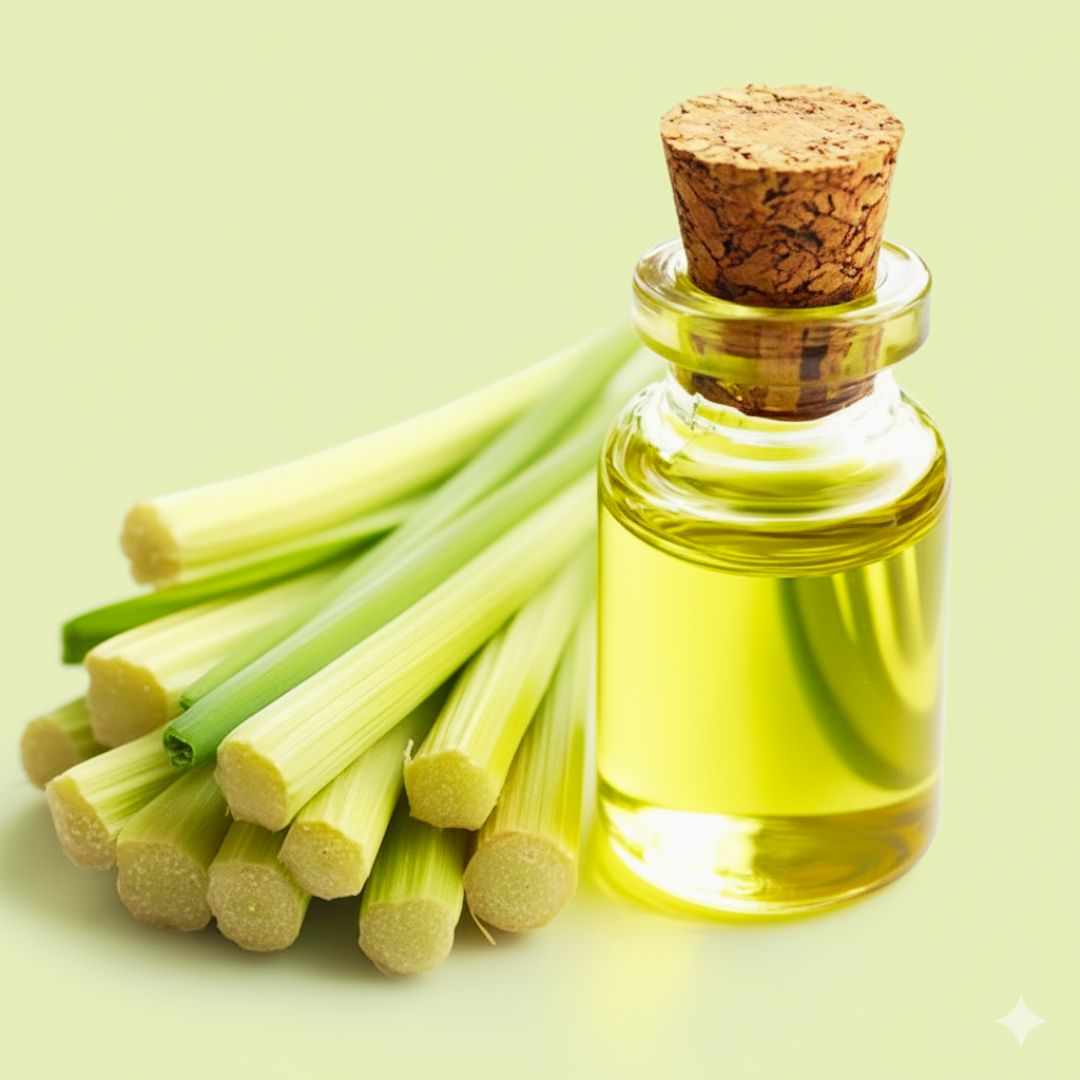
Botanical Name: Cymbopogon nardus
Common Method Of Extraction: Steam distillation
Parts Used: Grass
Note Classification: top/middle
Aroma : Slightly sweet, lemony smell
Extraction : Citronella oil is generally extracted using steam distillation process; using finely chopped fresh, dried or part-dried grass.
Chemical Composition : Citronella oil contains citronellol, geraniol, citronellic acid, borneol, nerol, camphene, citral, citronellal, dipentene and limonene. Ceylon type: Consists of geraniol (18-20%), limonene (9-11%), methyl isoeugenol (7-11%), citronellol (6-8%), and citronellal (5-15%). Java type: Citronellal (32-45%), geraniol (11-13%), geranyl acetate (3-8%), limonene (1-4%).
This is a volatile oil and is steam distilled using greenish blue, lemon-scented leaves and stem of Cymbopogon nardus (Ceylon citronella) or Cymbopogon winteratus (Java type citronella) plants. This essential oil generally contains citronellal and geraniol. Citronella oil is available in two different categories such as Ceylon citronella oil obtained from Cymbopogon nardus Rendle, (inferior type) and Java citronella oil obtained from Cymbopogon winterianus Jowitt, (superior type).
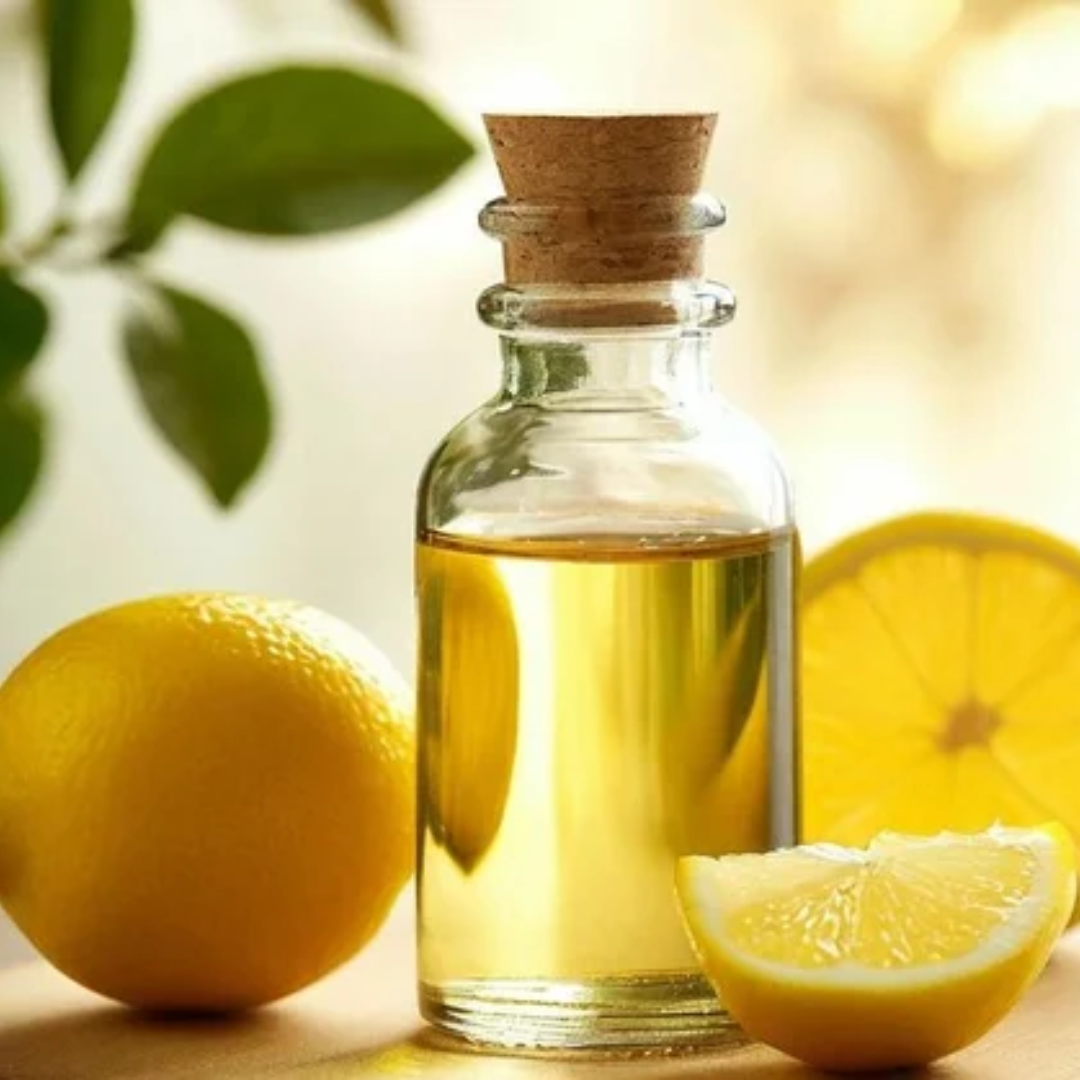
It is a colorless or light yellow liquid known for its characteristic woody, grassy or lemony odour. Vapours of this oil causes initial stimulation followed by depression of the central nervous system when inhaled. It is also flammable in nature.
Dilute it with a carrier oil like coconut or almond oil before applying it to your skin for insect repellent or muscle relief, or mix it with water in a spray bottle for an air freshener or outdoor use.
Citronella oil acts as an insect repellent, antifungal and anti-inflammatory agent.
Citronella oil blends well with lemongrass, lavender, peppermint, cajeput, eucalyptus, rosemary, vanilla and bergamot.
This essential oil has slightly sweet and lemony smell and is widely used in perfumery and medicines due to no hazardous impact.
Citronella oil is less toxic and thus, bears minimal or no risk to the environment or wildlife. Though it is used as air freshener, its fumes can be potentially toxic to birds.