
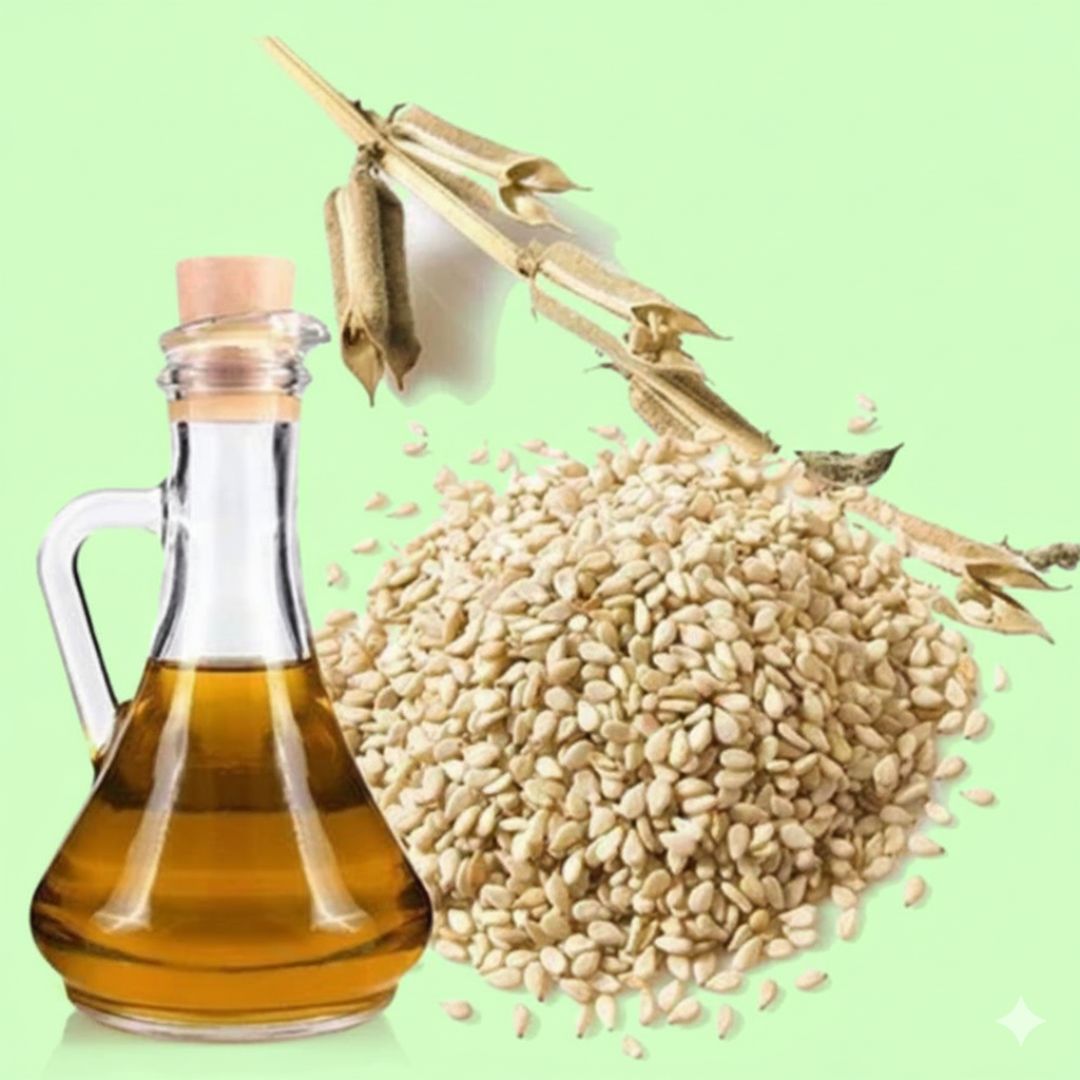
Botanical Name: Sesamum indicum
Common Method Of Extraction: Mechanical pressing and the water substitution method
Parts Used: The seeds
Aroma : Earthy and green aromas, a weak woody smell, and a subtle nutty scent
Extraction : Cold-pressed retains natural flavor, expeller-pressed uses heat, solvent extracted is neutral, roasted enhances aroma - each has tradeoffs.
Chemical Composition : Sesame oil is composed primarily of monounsaturated and polyunsaturated fatty acids, with a significant presence of antioxidants like sesamol, sesamin, and sesamolin that contribute to its health benefits.
Sesame essential oil is obtained through steam distillation of sesame seeds. It has a rich, nutty aroma and is used in aromatherapy, skincare, and natural medicine due to its reported anti-inflammatory, antimicrobial, and antioxidant properties. The oil is commonly used in Ayurvedic and traditional Chinese practices.
Sesame oil is high in monounsaturated fatty acids like oleic acid and polyunsaturated linoleic acid. It also contains antioxidants like sesamol, vitamins E and K, and has a high smoke point suitable for high-heat cooking. The oil has a mild, nutty aroma and may offer health benefits like reducing cholesterol and inflammation.
Sesame oil has a wide range of uses. Culinarily, it is valued for high-heat cooking, adding nutty flavor to Asian dishes, and in baking. Cosmetically, it is used as a moisturizing oil for skin, hair, and nails. Therapeutically, it is used in traditional medicine for its anti-inflammatory, antimicrobial, and antioxidant properties, as well as for massage and aromatherapy. It also has industrial applications in soap, candle, and incense making.
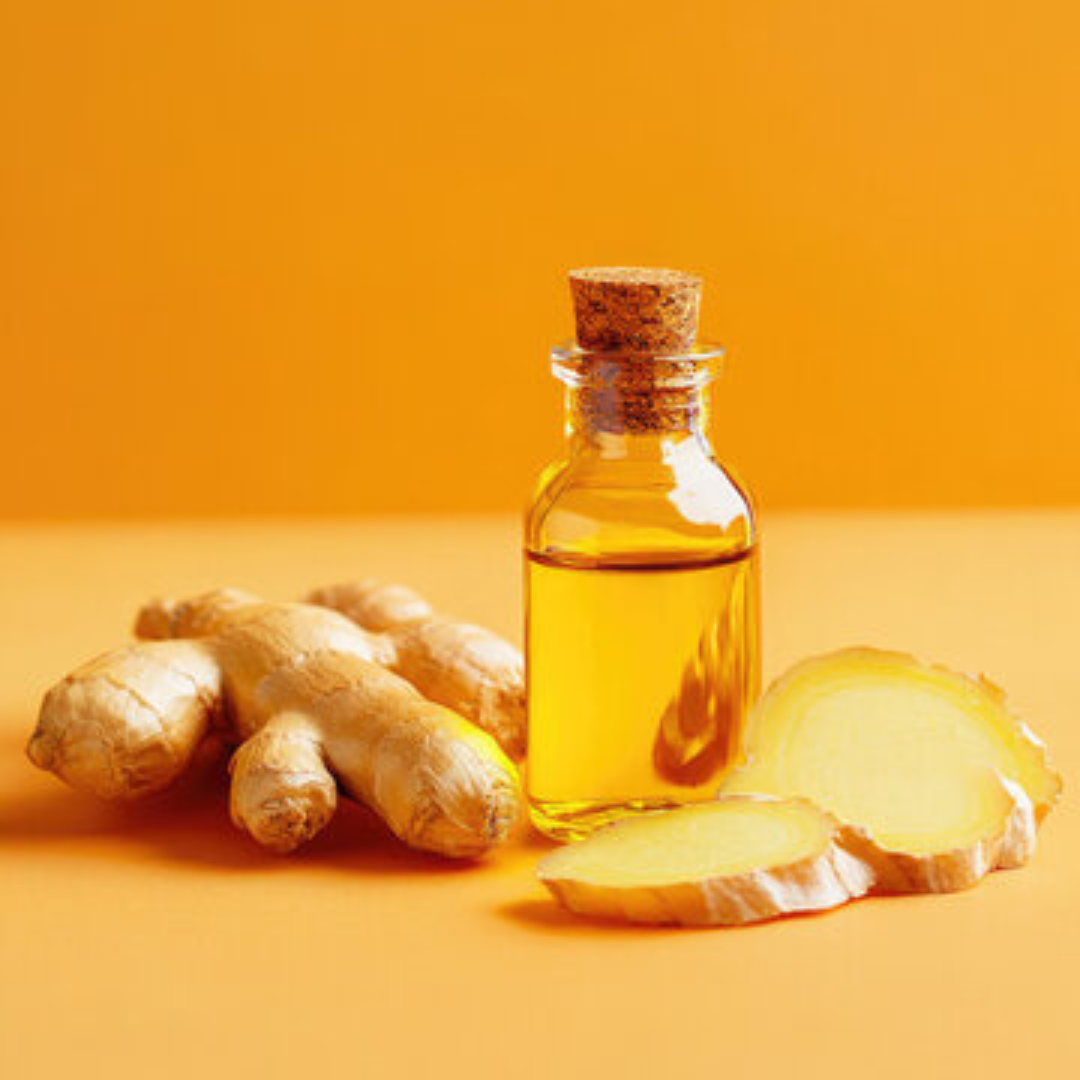
Sesame oil's nutty aroma and flavor blend well with essential oils like ginger, lemongrass, and peppermint, as well as other vegetable oils and Asian seasonings.
Sesame oil is a versatile oil high in healthy fats and antioxidants. It excels in high-heat cooking, adds nutty flavor to Asian dishes, and has moisturizing properties for skin and hair. It also has traditional medicinal uses and blends well with other oils and ingredients.
Sesame oil may cause allergic reactions, especially in those with sesame allergies. It can interact with blood thinners and diabetes medications. Pregnant/breastfeeding women should use caution. Excessive consumption may lead to digestive issues. Moderation and monitoring for adverse reactions is recommended.