
About Vardhman Nutrition Co.
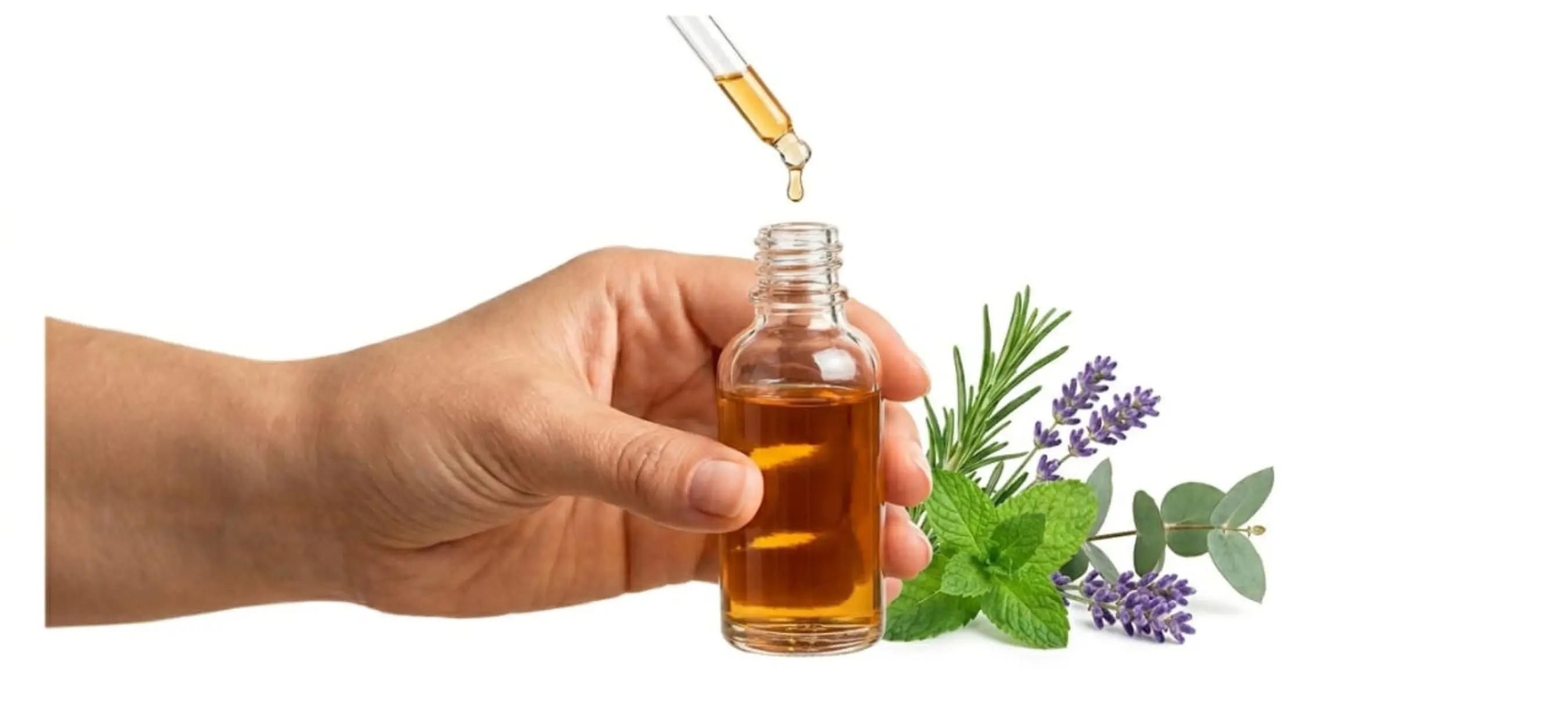
Vardhman Nutrition Co. is a trusted manufacturer and global B2B bulk exporter from India, specializing in the production and export of Essential Oils, Cold Pressed Virgin Seed Oils, and Botanical Herbs. Established in 2018, our company is headquartered in Shahjahanpur, Uttar Pradesh, India.
Our goal is to provide high-quality natural products to international markets. We place the highest importance on purity, consistency, sustainability, and customer satisfaction in every product we offer.
Over the years, we have built strong and long-term business relationships with importers, wholesalers, distributors, cosmetic manufacturers, pharmaceutical companies, nutraceutical brands, aromatherapy businesses, and private label companies across the United States (USA), United Kingdom (UK), Europe, Germany, United Arab Emirates (UAE), Australia, South Korea, and many other countries around the world.
We believe that nature provides some of the most valuable resources for health, wellness, personal care, and various industrial applications. Guided by this philosophy, we offer a wide range of export-grade Essential Oils, Cold Pressed Virgin Seed Oils, and Botanical Herbs, which are carefully and ethically sourced and processed to preserve their natural quality, purity, and effectiveness.
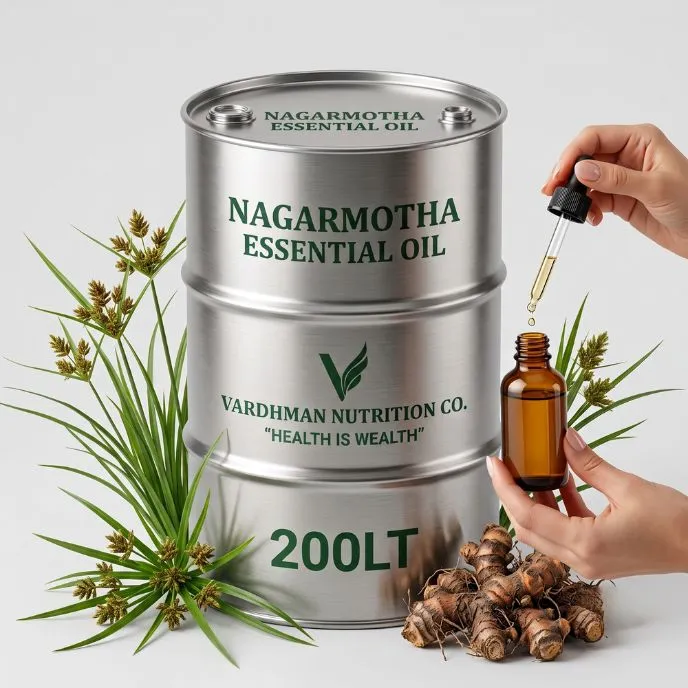
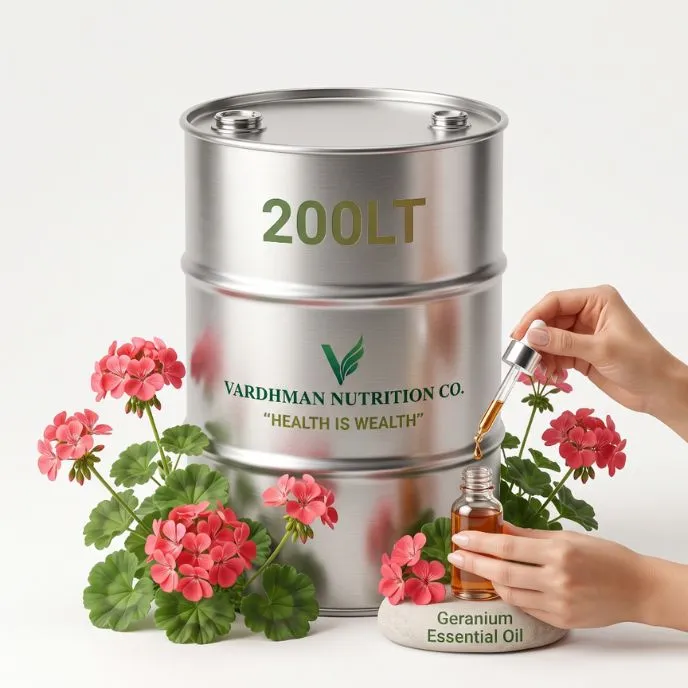
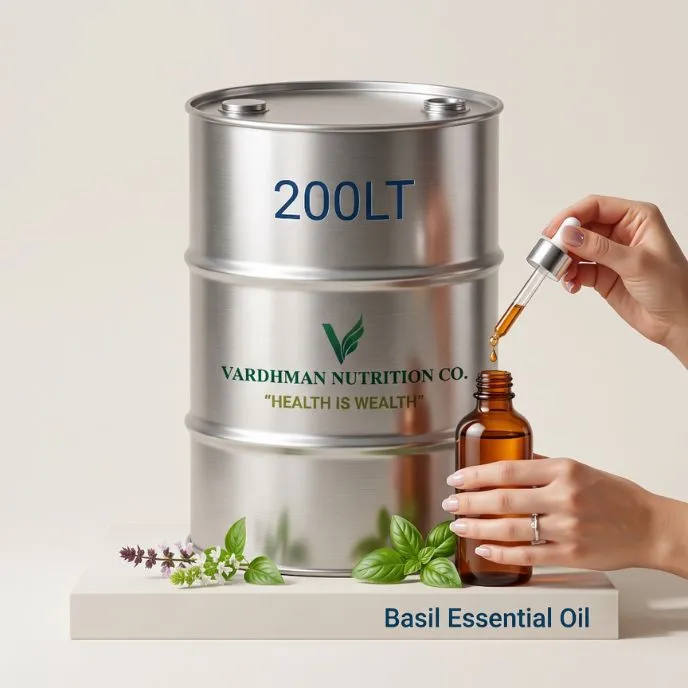
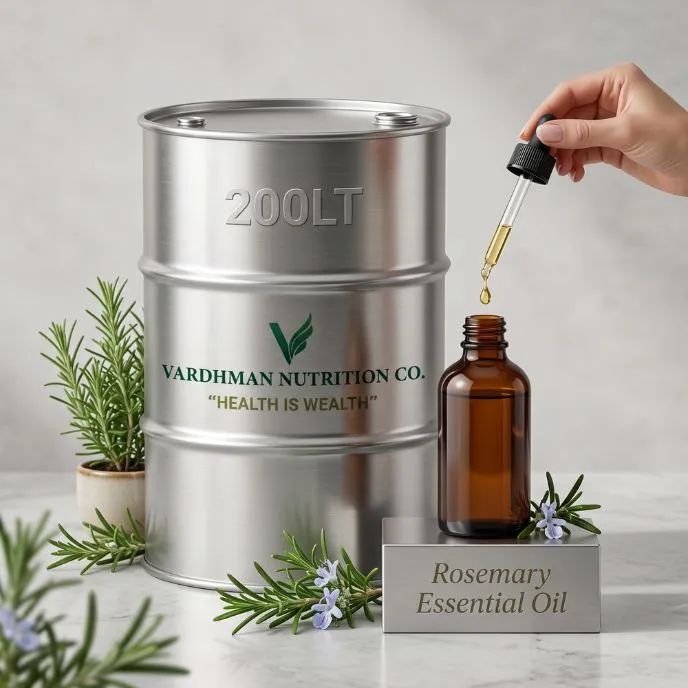
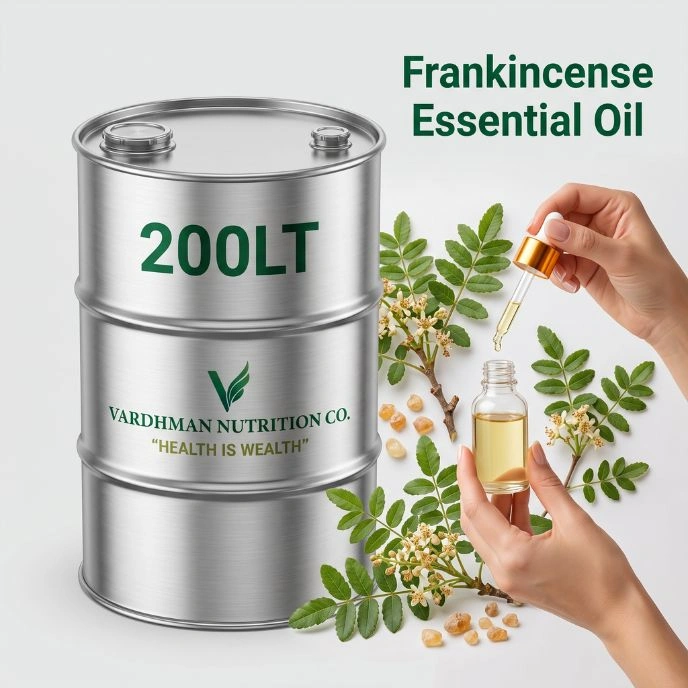
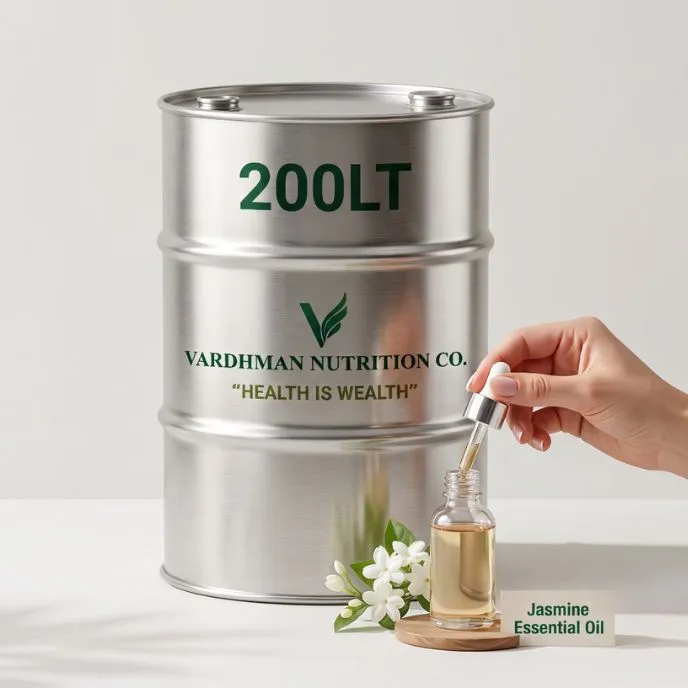
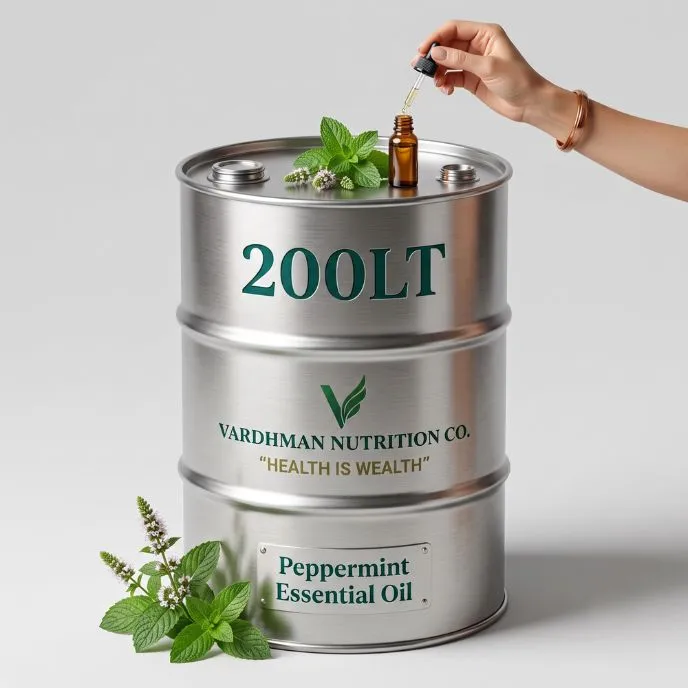
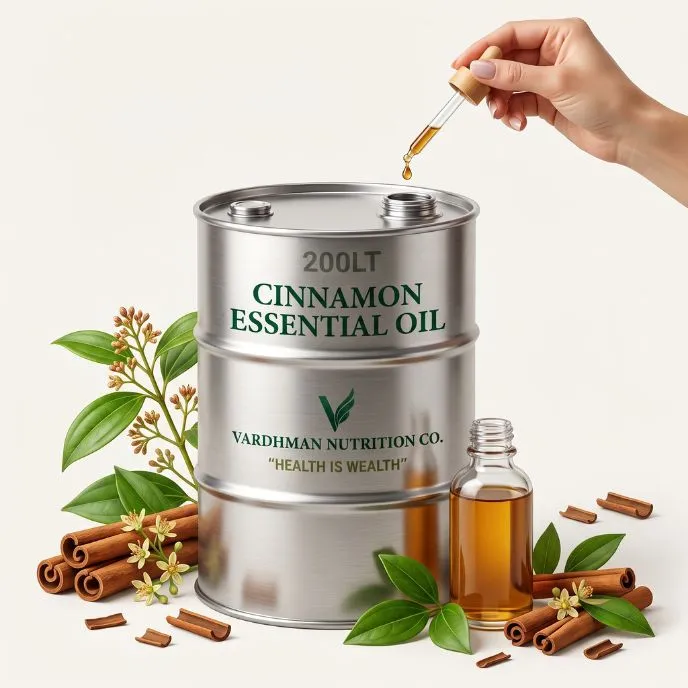
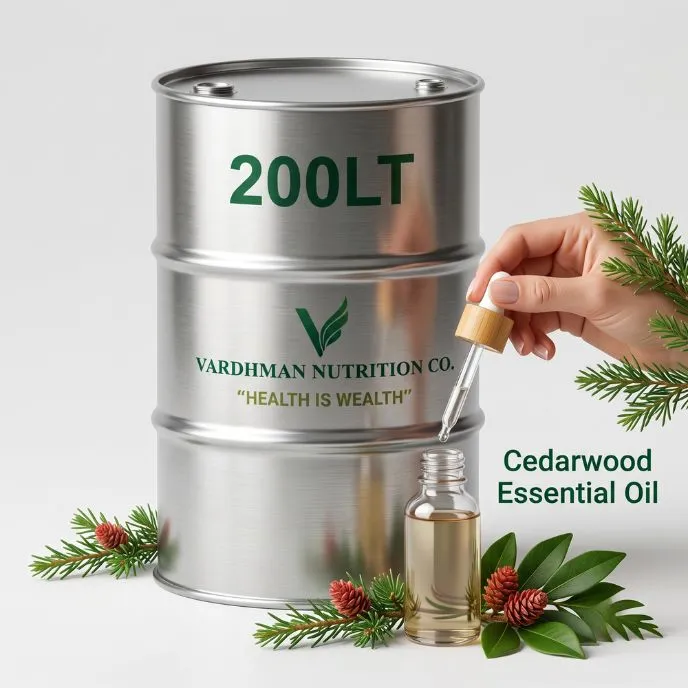
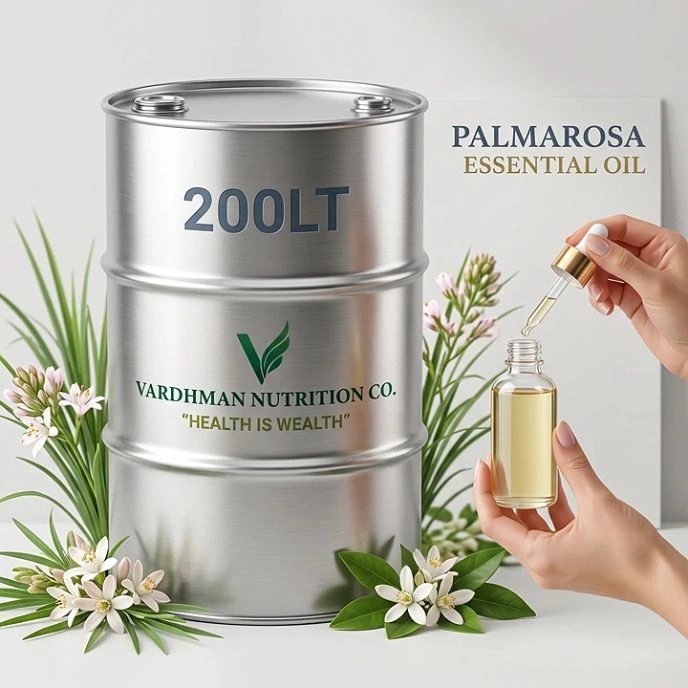
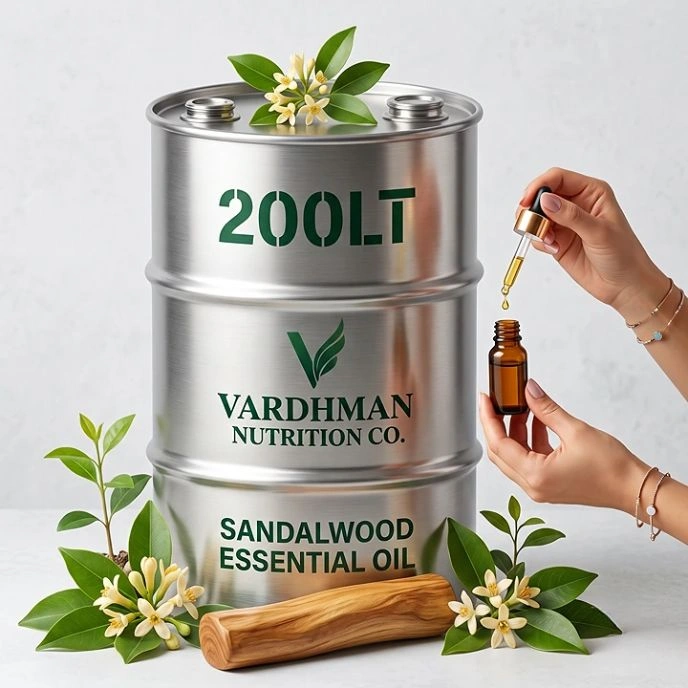
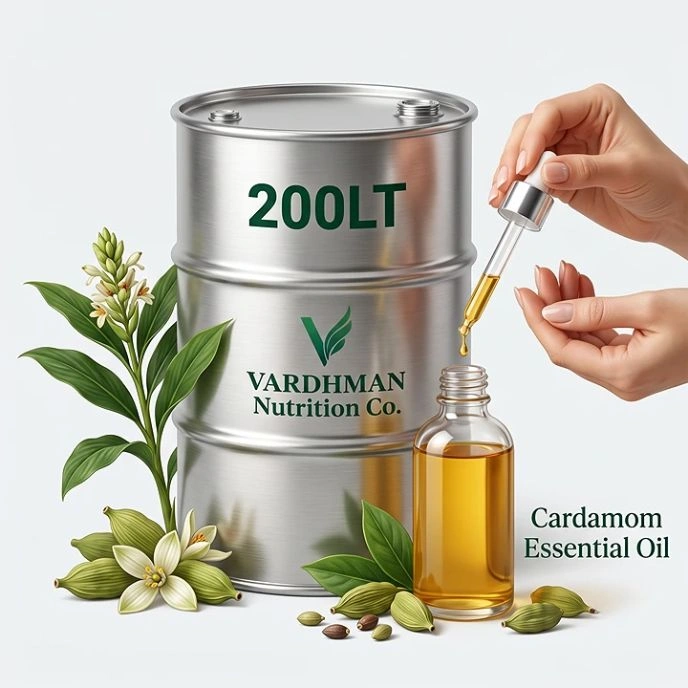
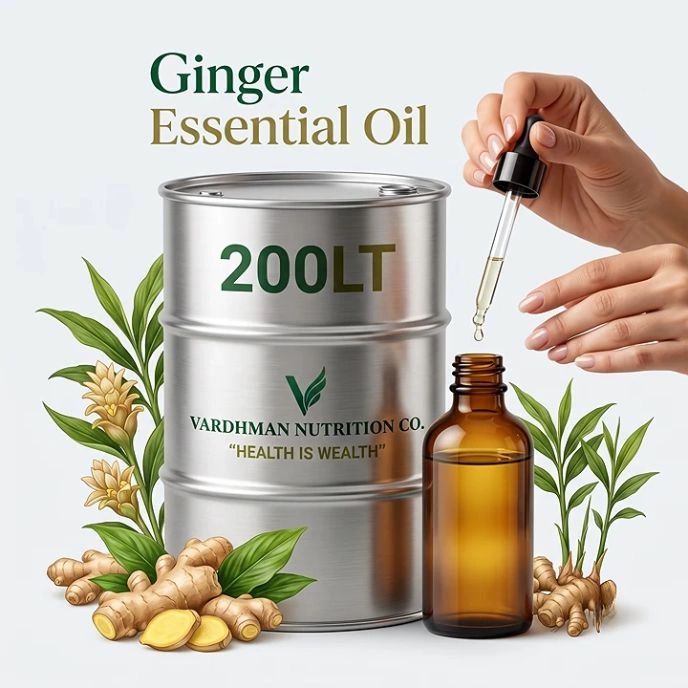
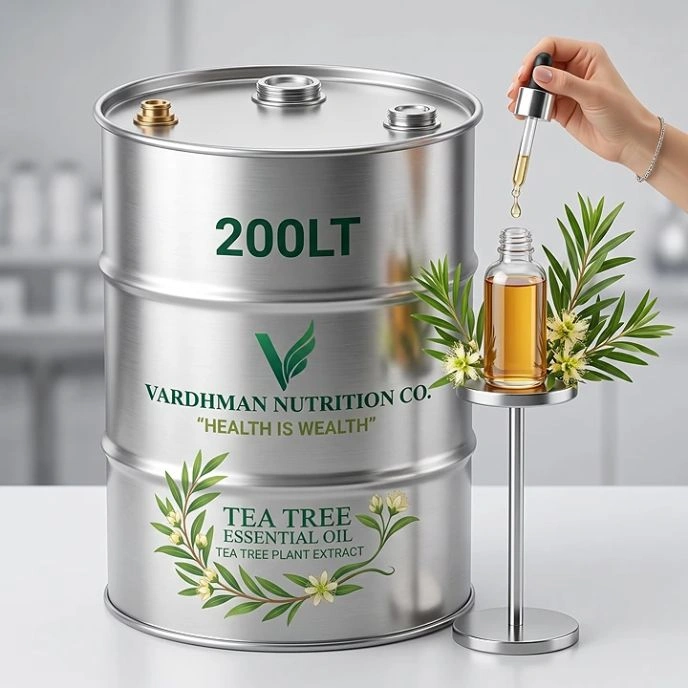
Vardhman Nutrition Co. is a reliable Essential Oil Manufacturer, Wholesale Supplier, and Bulk Exporter from India, meeting the growing global demand for high-quality natural ingredients.
Our essential oils are widely used in various industries, including:
We maintain strict quality standards, ensure batch-to-batch consistency, and provide timely deliveries to achieve complete customer satisfaction and long-term business relationships.
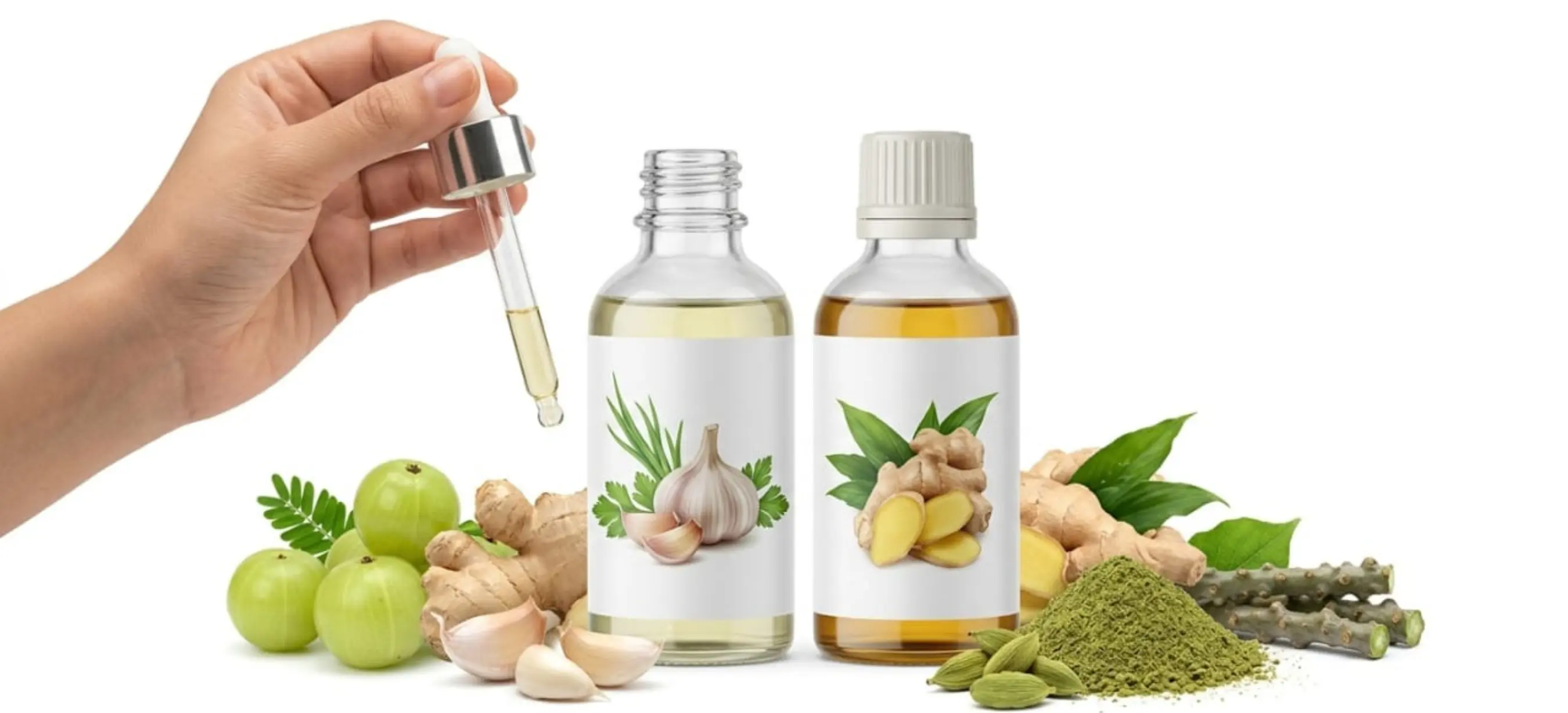
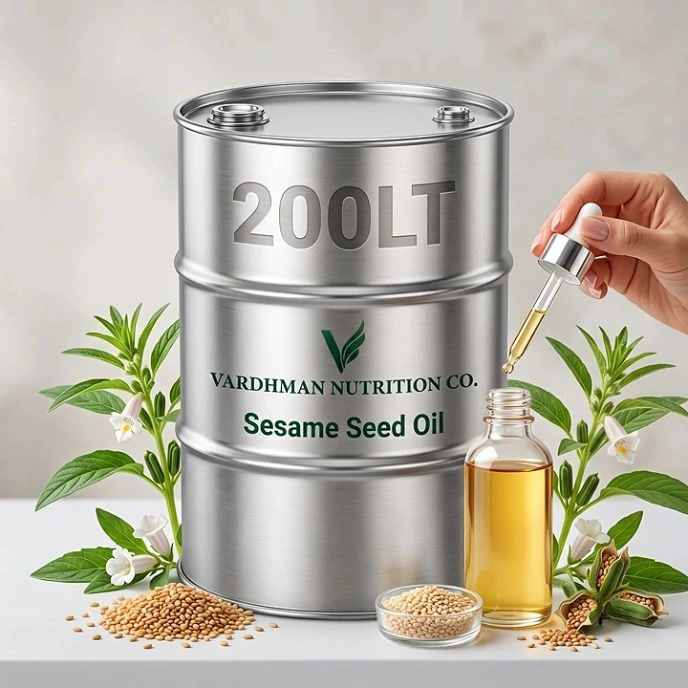
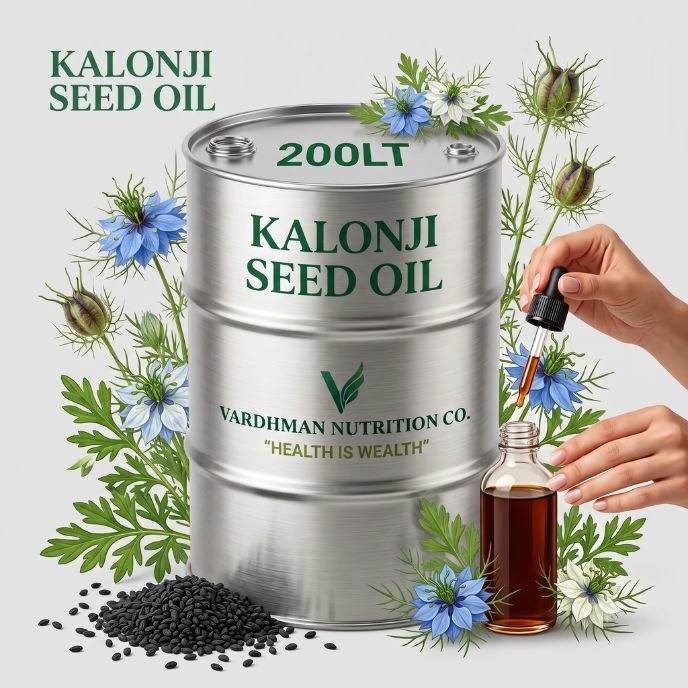
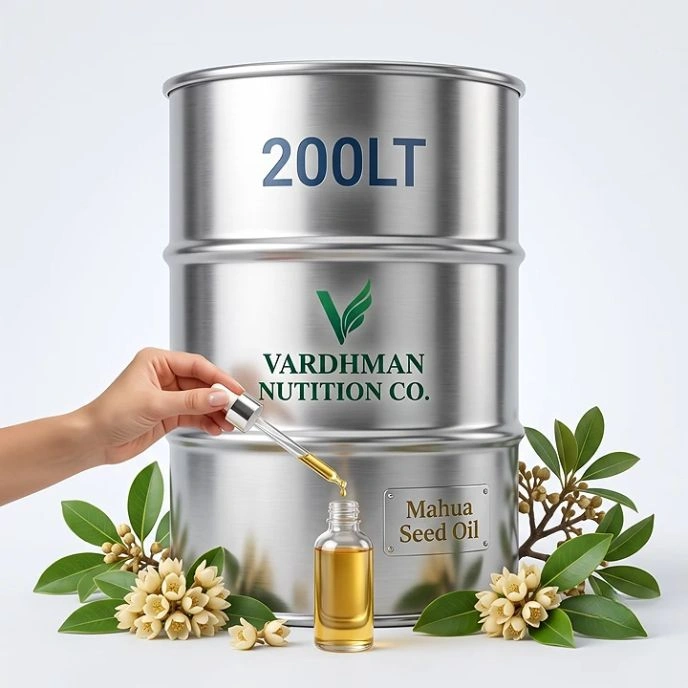
Vardhman Nutrition Co. is also recognized as a dependable Cold Pressed Virgin Seed Oil Manufacturer and Exporter from India.
Our seed oils are processed through carefully controlled extraction methods to help retain their naturally occurring nutrients and beneficial properties.
These oils are used across a wide range of industries, including:
Through advanced processing techniques and robust quality control systems, we consistently meet the expectations of international B2B buyers seeking premium natural ingredients.
India's rich heritage of medicinal plants and traditional herbal knowledge inspires our commitment to delivering premium-quality botanical ingredients to global markets.
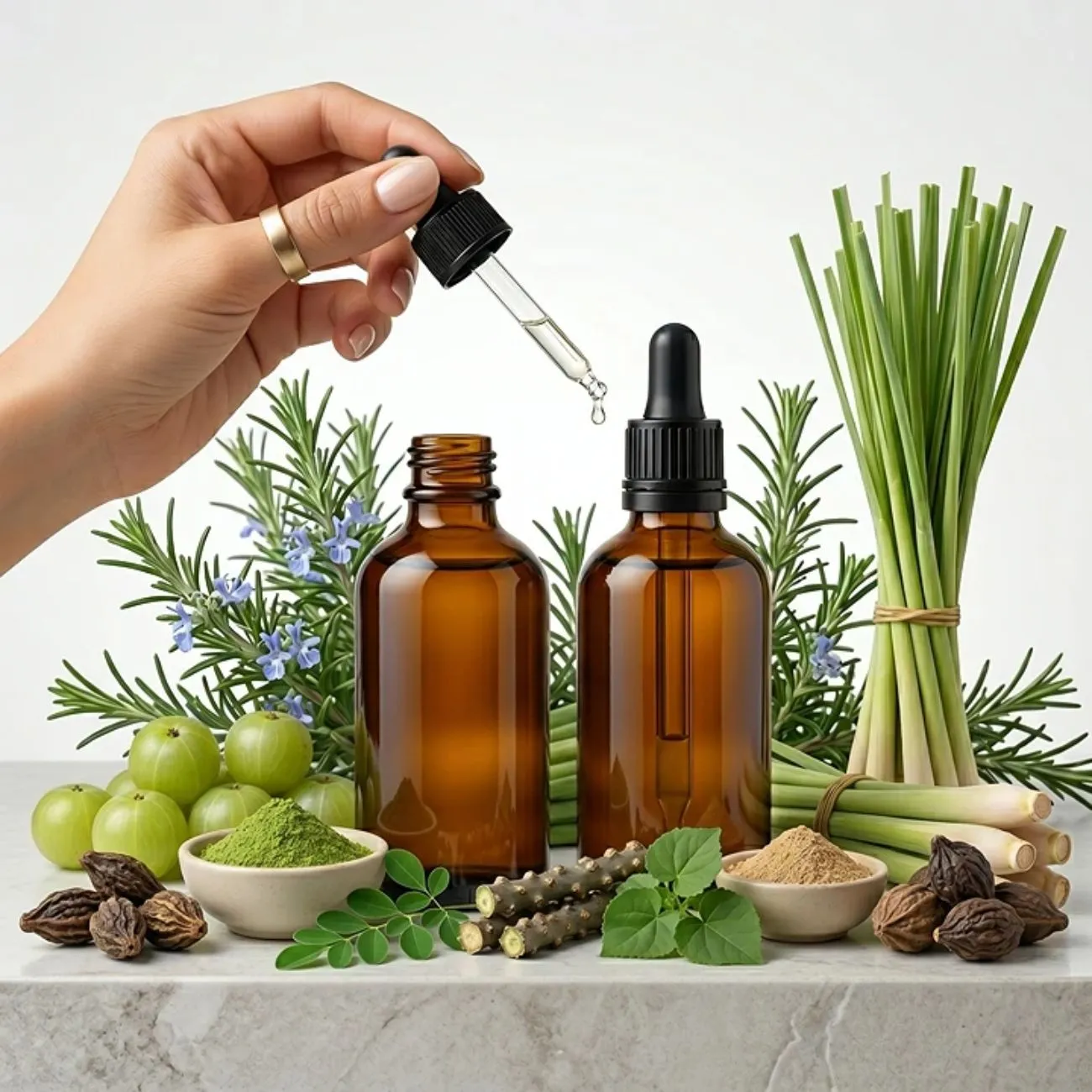
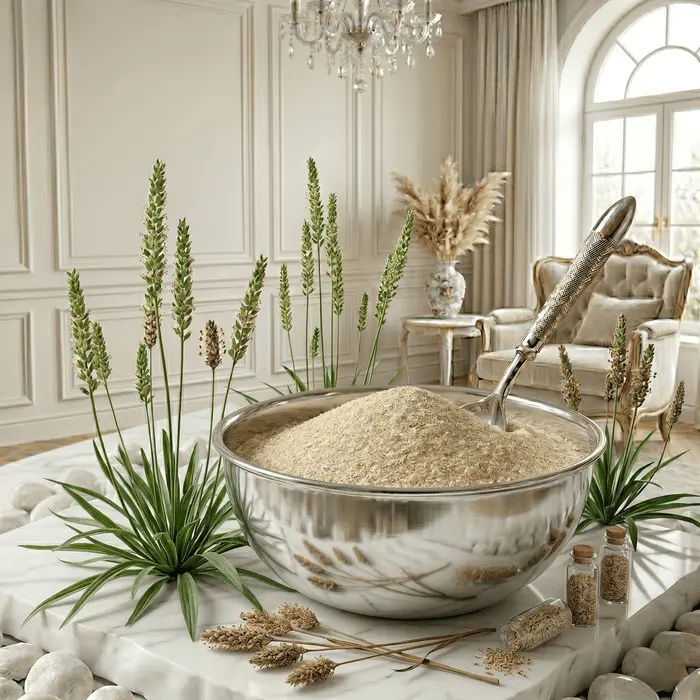
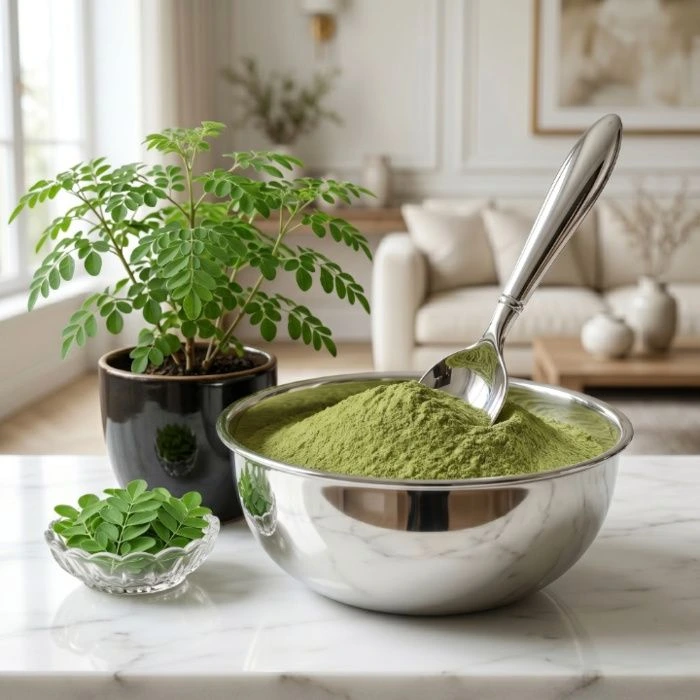
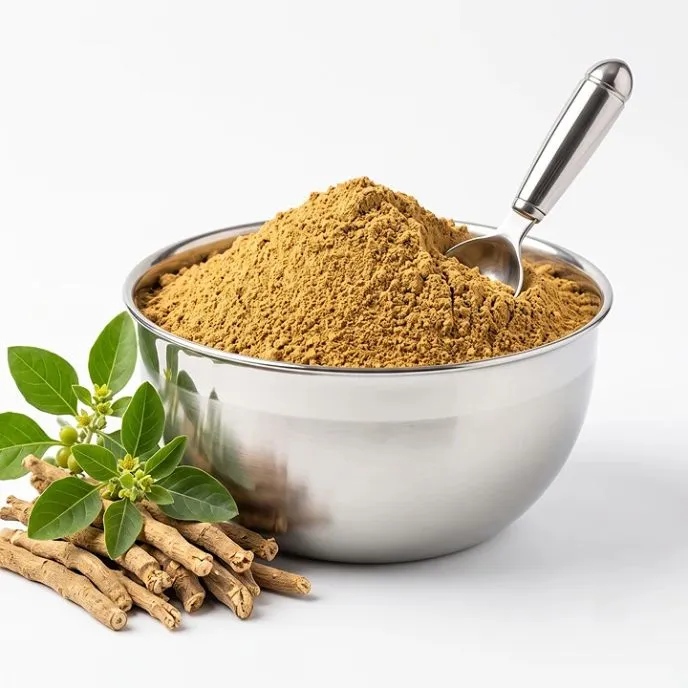
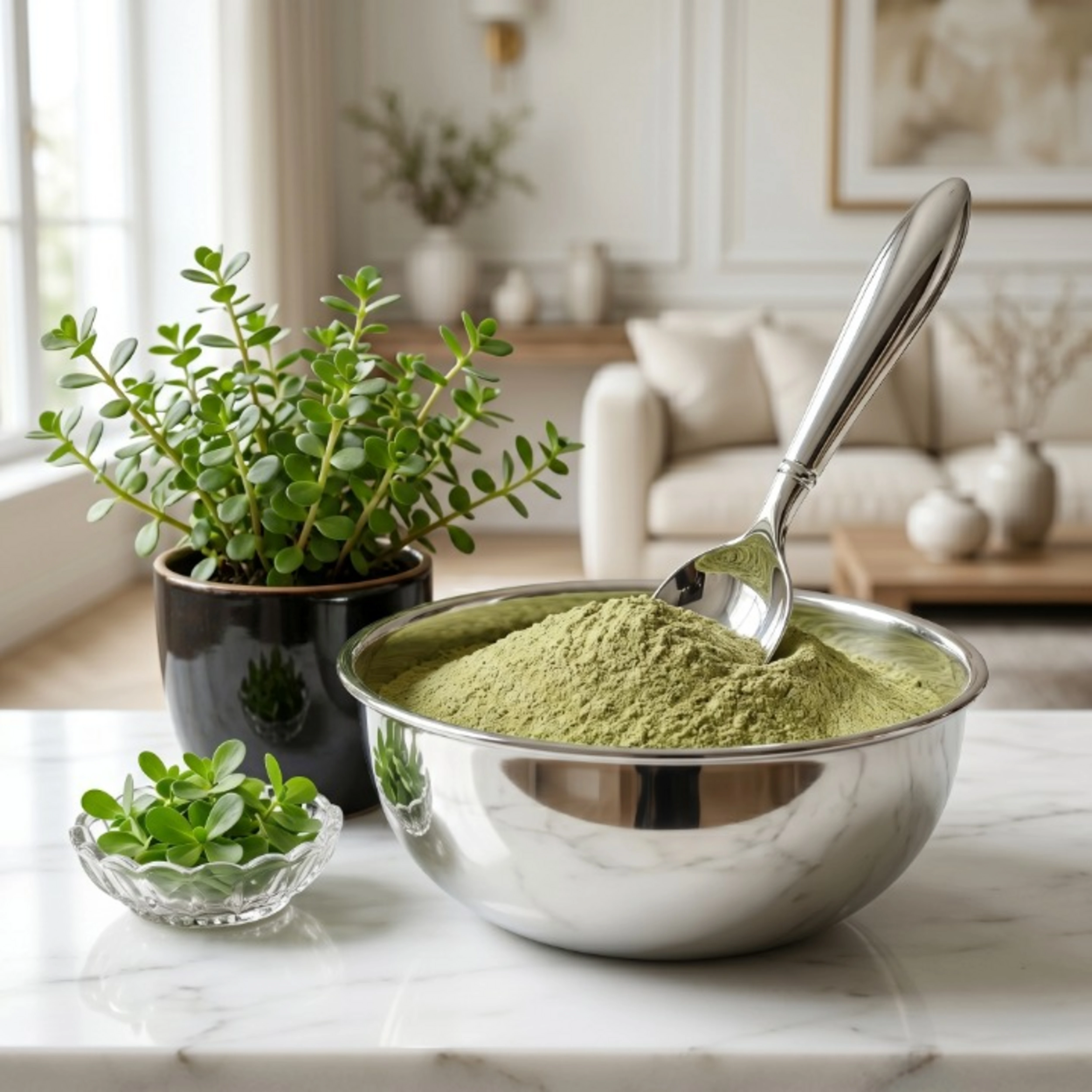
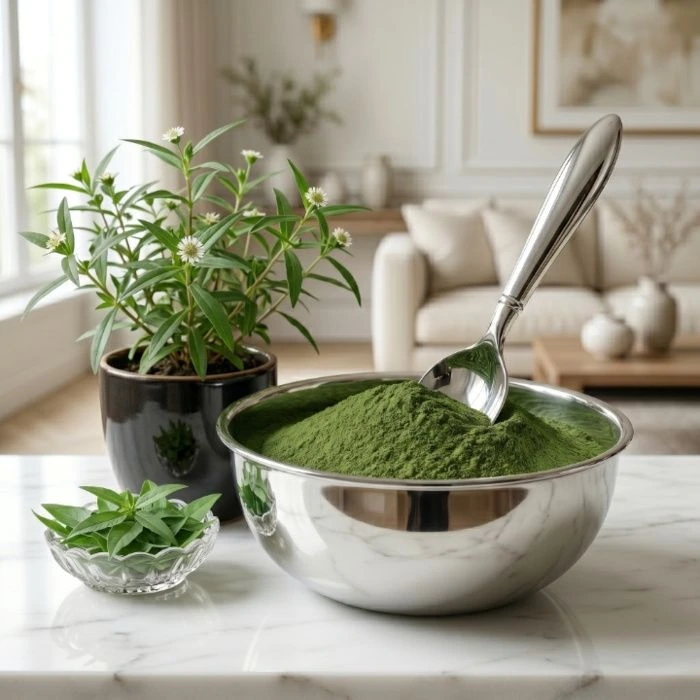
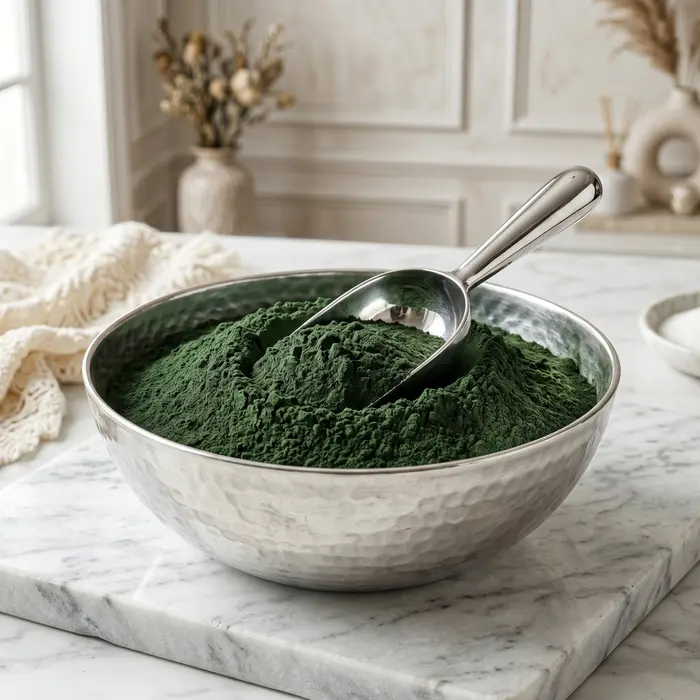
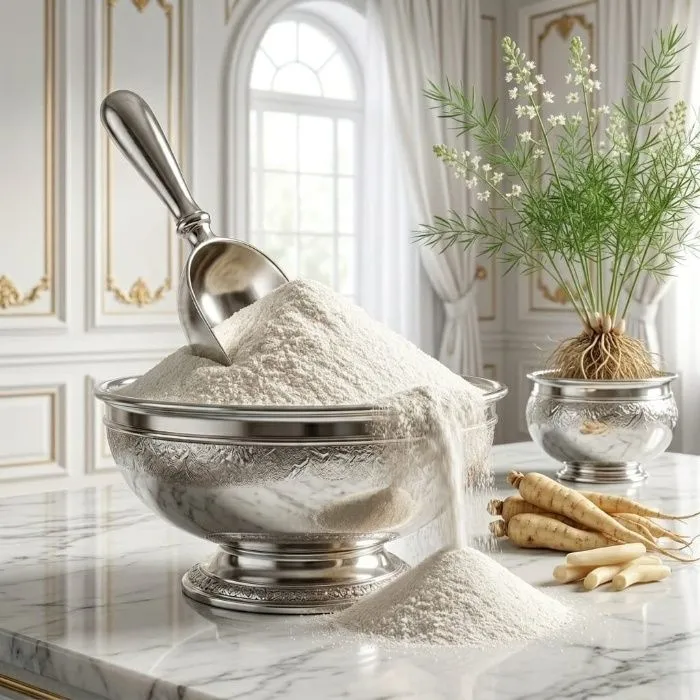
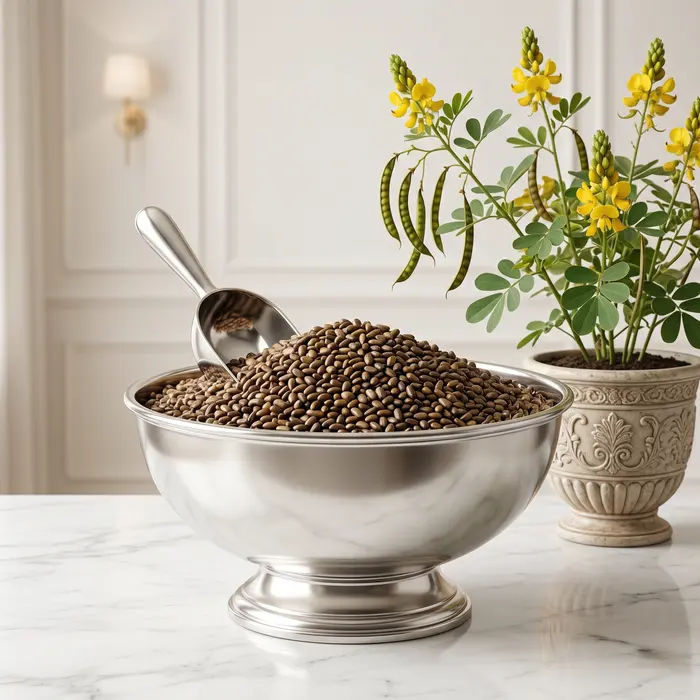
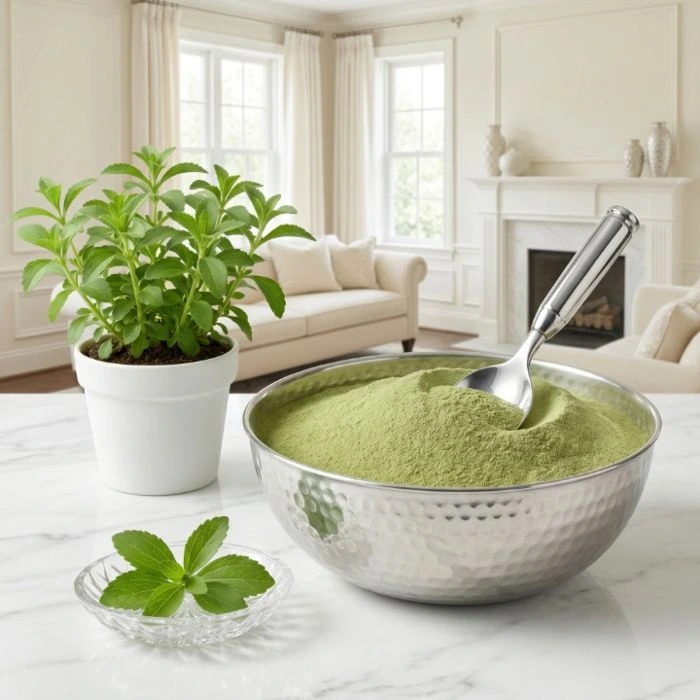
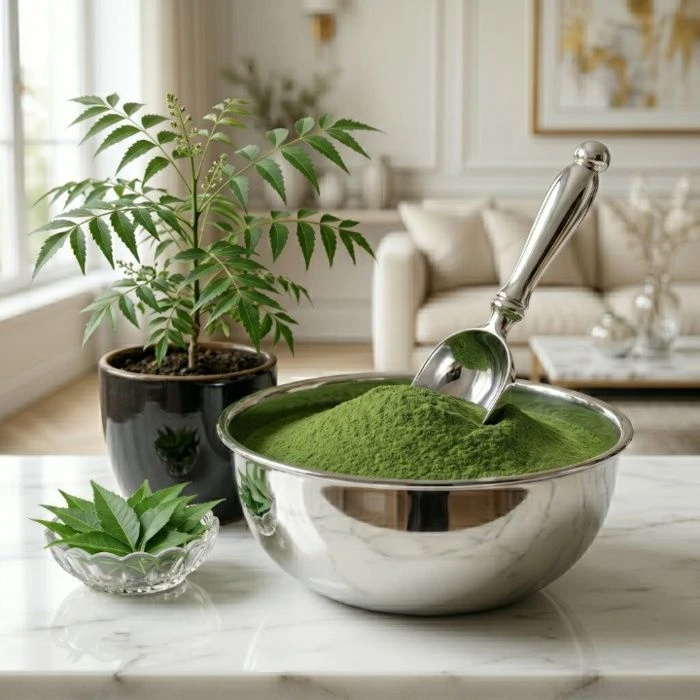
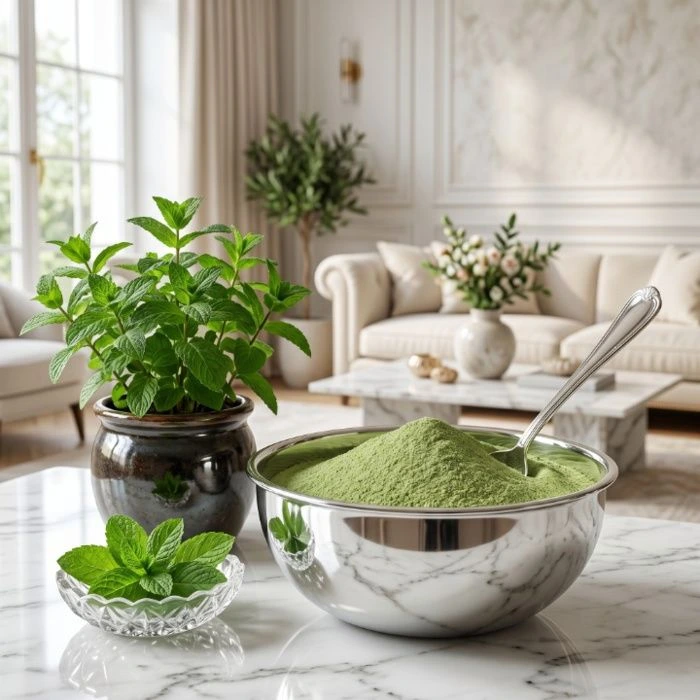
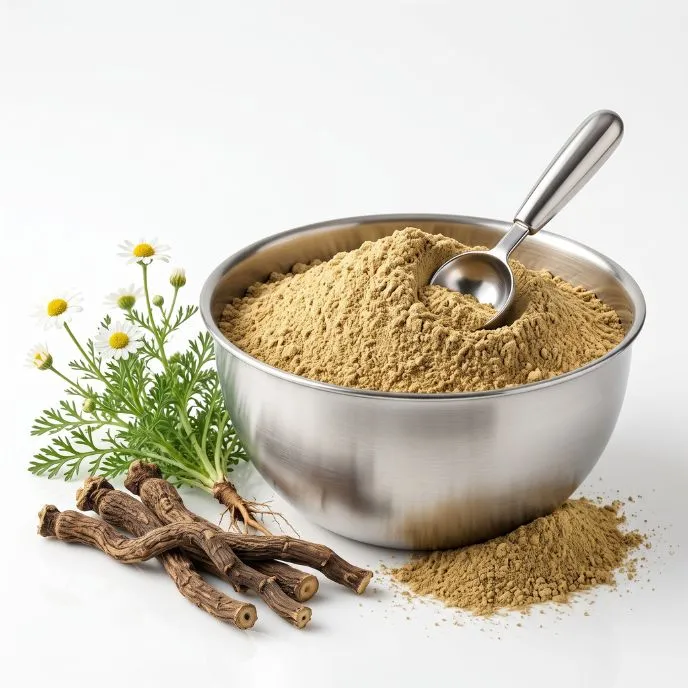
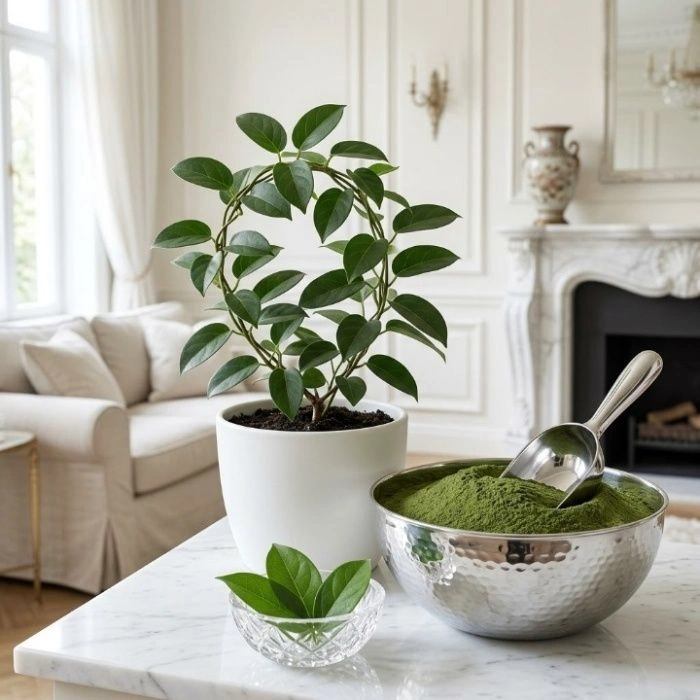
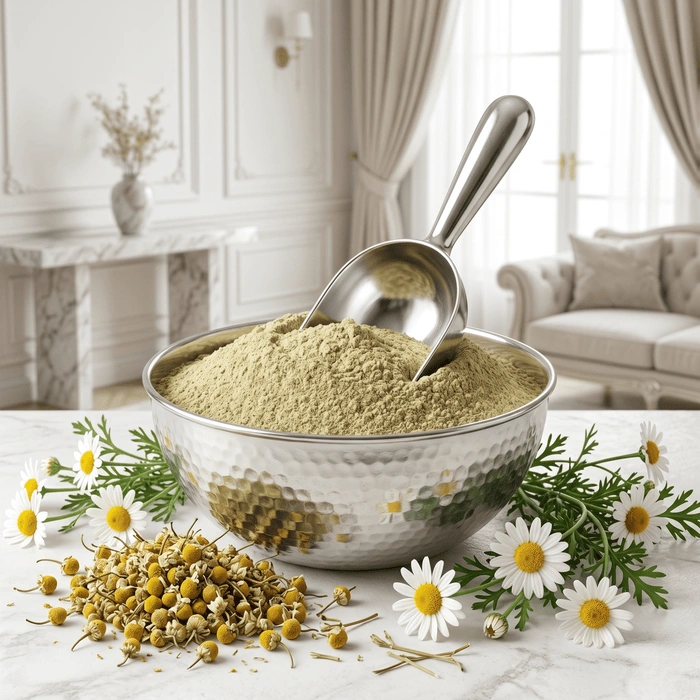
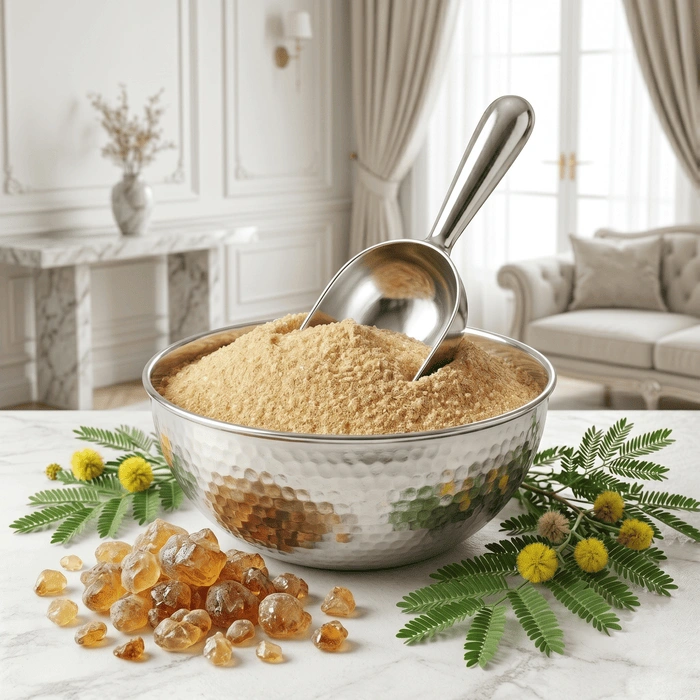
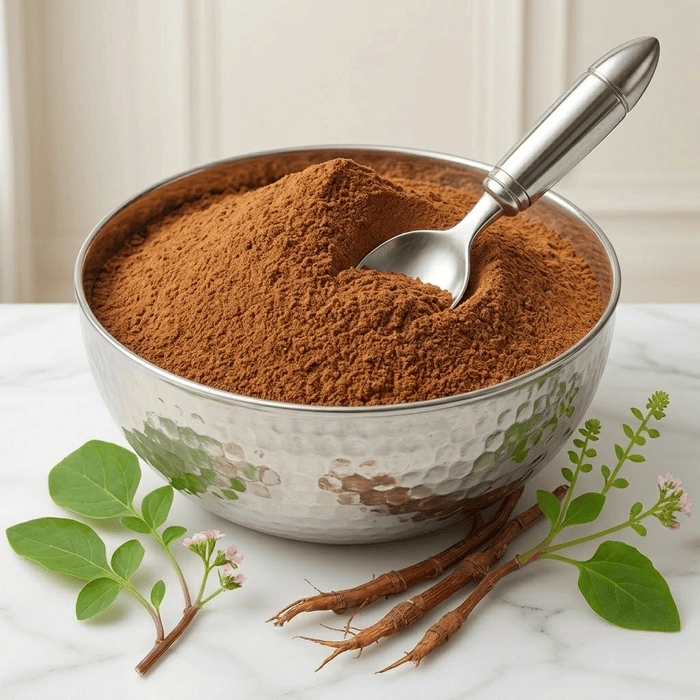
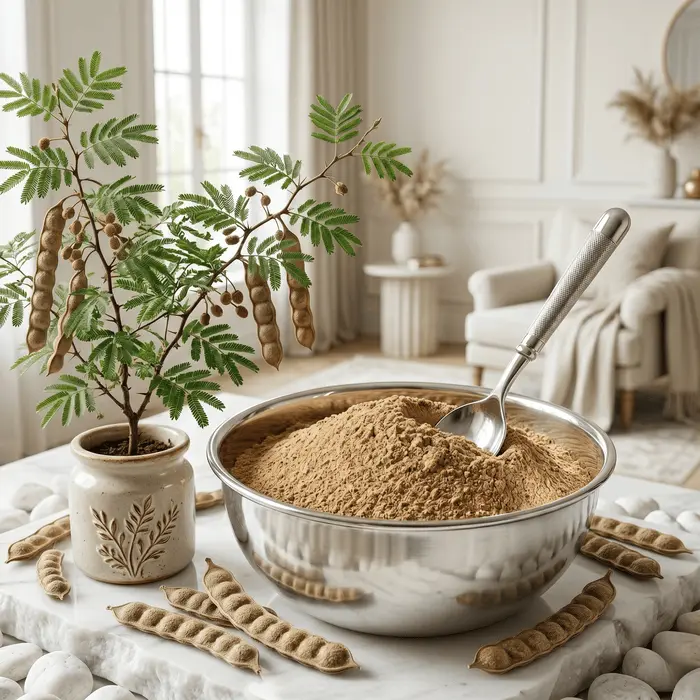
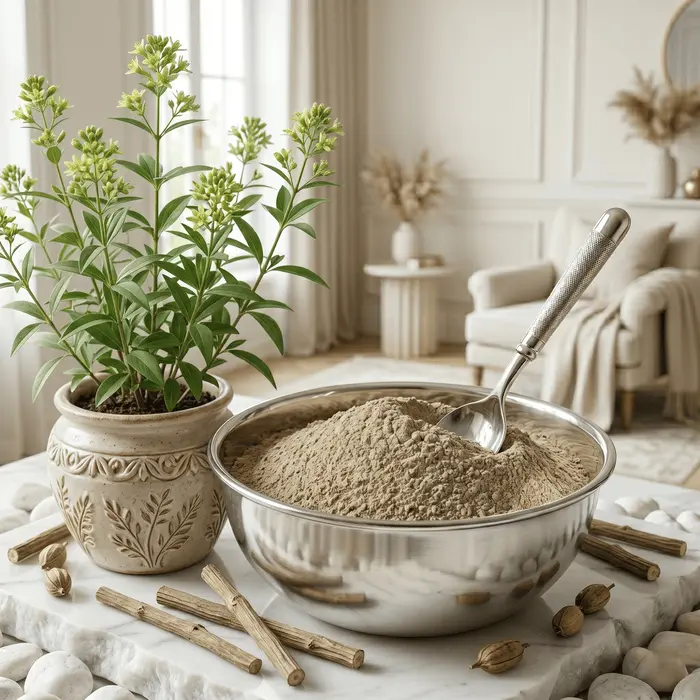
As a trusted Botanical Herbs Manufacturer, Wholesale Supplier, and Global Exporter from India, we supply natural herbal ingredients for various applications, including:
We emphasize authenticity, quality assurance, and sustainable sourcing to provide our customers with reliable herbal raw materials for diverse applications.
Quality remains the highest priority in our business. From sourcing raw materials to processing and packaging finished products, we follow strict quality control procedures at every stage.
To support international trade requirements, we provide the following export documentation:
Our commitment to quality and regulatory compliance is reflected through various certifications and registrations. These certifications strengthen our global business operations and enhance buyer confidence in our products and processes.
We offer a variety of packaging solutions designed to meet international shipping standards and customer-specific requirements. Our goal is to ensure product safety, stability, and convenience throughout the supply chain.
Our products cater to a wide range of industries, including:
At Vardhman Nutrition Co., we are committed to delivering natural, export-quality products backed by integrity, innovation, and excellence.
Whether you are looking for a reliable Essential Oil Manufacturer in India, a trusted Cold Pressed Virgin Seed Oil Supplier, or an experienced Botanical Herbs Exporter, our team is ready to support your business with customized solutions and a consistent supply chain.
For bulk orders, private label projects, contract manufacturing requirements, or long-term sourcing partnerships, connect with us today and discover how Vardhman Nutrition Co. can become your trusted global sourcing partner from India.

 Client Testimonials
I purchased high-quality natural herbal products from Vardhman Nutrition Co. and had a wonderful experience overall. The items were exceptional, with beautiful packaging that arrived safely and on time thanks to efficient shipping. The helpful and responsive customer service stood out, making everything seamless. I am fully satisfied and wholeheartedly recommend Vardhman Nutrition Co. for reliable natural products.

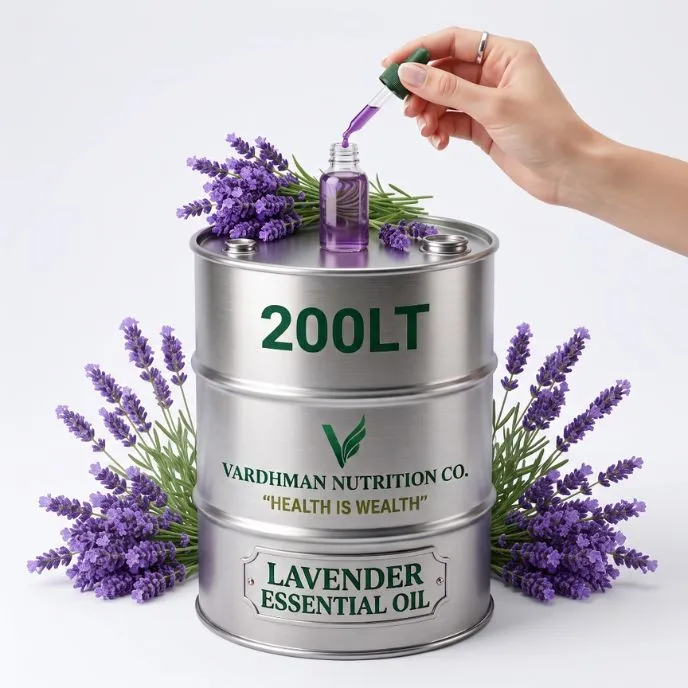
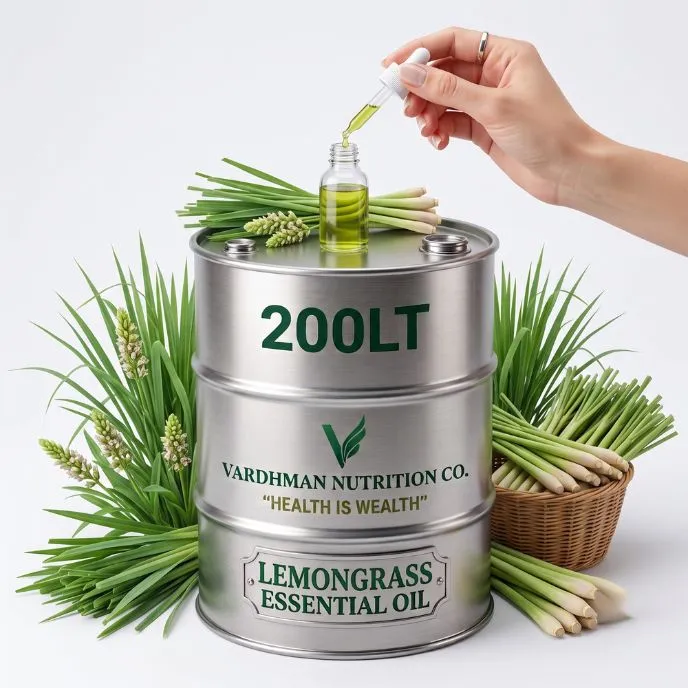
"I've used Vardhman Nutrition Co.'s natural oils and herbs for six months with amazing results. Their 100% natural, adulteration-free products like Neem, Tulsi, and Ashwagandha have greatly boosted my immunity and reduced stress. Additionally, their Lavender and Lemongrass oils have worked wonders for my skin and hair health. The quality is excellent, packaging is secure, and delivery is timely. This brand is definitely worth trying!"

I recently received a natural essential oil product from Vardhman Nutrition Co., and it was a truly delightful experience. From the moment I placed the order, I felt appreciated and valued. Their team's thoughtful care and prompt delivery made the whole process even more enjoyable. The product quality exceeded my expectations, and I already feel more confident using it. I'm genuinely excited to explore more from their collection!

.webp)
.webp)
.webp)
.webp)

.webp)
.webp)
.webp)


.webp)
.webp)

.webp)
.webp)
.webp)
.webp)

.webp)
.webp)
.webp)
.webp)


.webp)
.webp)
.webp)
.webp)
.webp)
.webp)
.webp)
.webp)
.webp)
.webp)
.webp)
.webp)
.webp)



.webp)