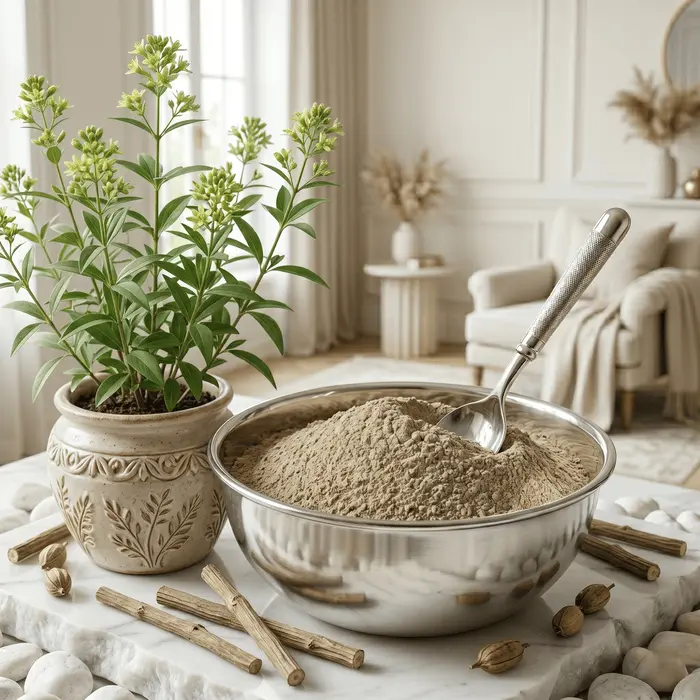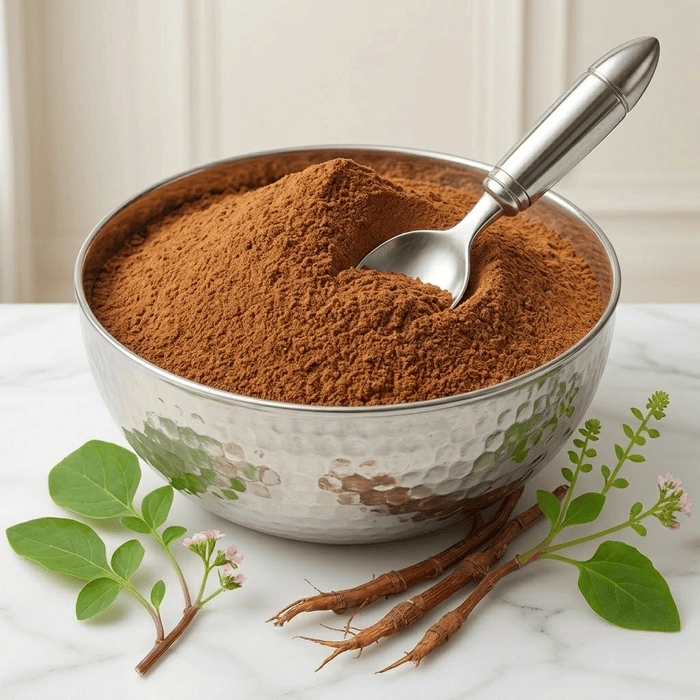
Apamarga powder: Latjira - Chirchita - Latjeera r
Botanical Name : Achyranthes aspera
Form : Raw Herb - Powder
Vardhman Nutrition Co. is an India-based Apamarga Powder Manufacturer, Supplier and Global B2B Exporter offering India-origin botanical herbs to international buyers. Apamarga is a well-known traditional Indian herb botanically identified as Achyranthes aspera and belonging to the Amaranthaceae family. It is commonly known by names such as Apamarg, Apamarga, Chirchita, Latjira, Latjeera and Prickly Chaff Flower.
The dried plant material can be carefully selected, cleaned, dried and processed into a convenient powdered botanical ingredient. Depending on the agreed specification, roots, stems, leaves, seeds or the complete plant may be used for preparation. The resulting material can be considered by professional manufacturers for Ayurvedic products, herbal formulations, nutraceutical preparations, botanical applications, cosmetic development, personal-care products and traditional wellness formulations.
Vardhman Nutrition Co. supplies botanical raw materials to international importers, wholesalers, distributors, Ayurvedic manufacturers, herbal companies, nutraceutical businesses, pharmaceutical organizations, cosmetic manufacturers and private-label brands. Our focus is international B2B sourcing from India, with quantity, plant part, particle size, mesh, moisture, packaging, documentation and technical requirements discussed according to buyer specifications.
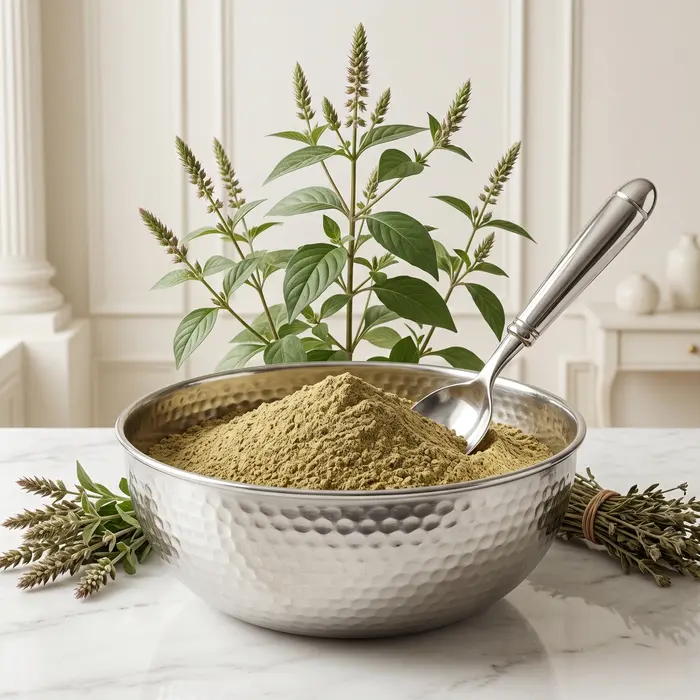
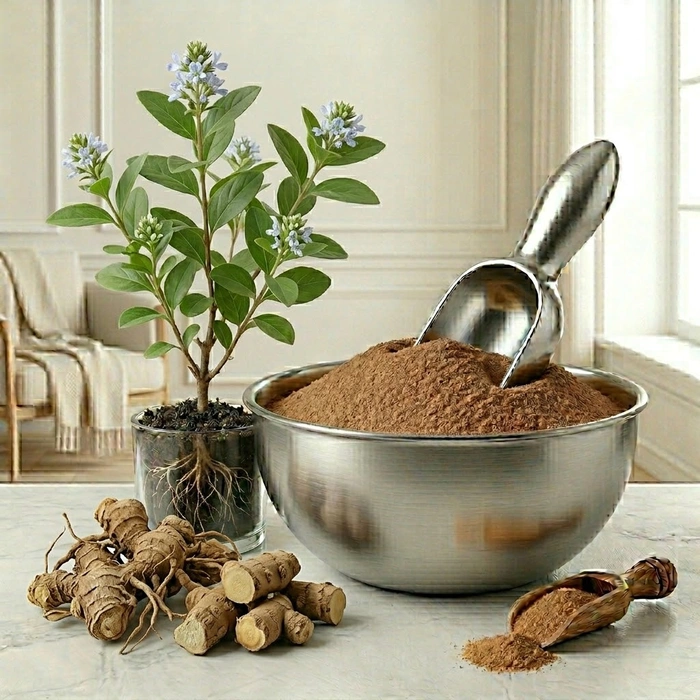
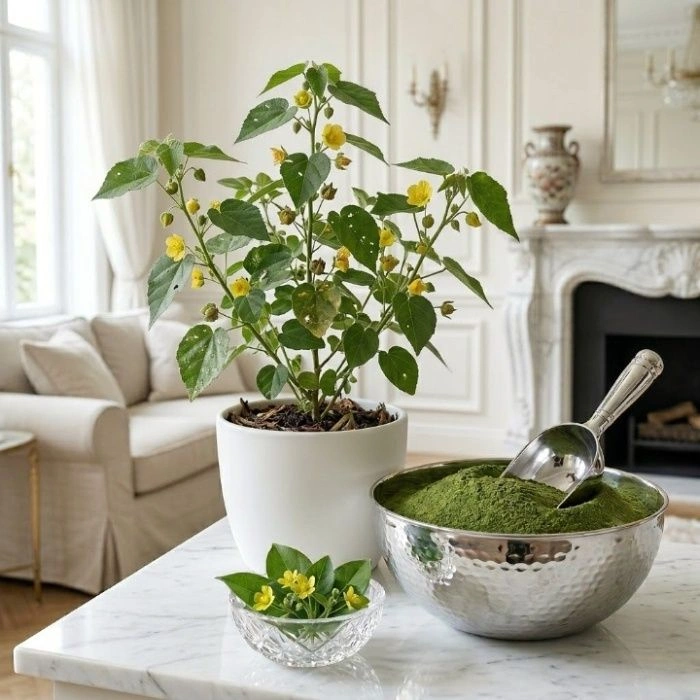
Apamarga is an annual or perennial herb that grows naturally in India and various tropical and subtropical regions. The plant generally develops branched stems, oval-shaped leaves and small flowers arranged in spike-like clusters. It is also recognized for its ability to grow under comparatively dry and low-fertility conditions.
The botanical identity is important for international procurement because common names may differ between regions and countries. The scientific designation Achyranthes aspera provides a clear reference for importers, manufacturers and distributors when communicating about the intended raw material.
Natural colour, aroma, texture, taste and appearance may vary according to geographical origin, plant part, harvesting stage, drying conditions and processing practices. Buyers can establish their preferred specifications before confirming a commercial order.
International procurement teams may search for this botanical ingredient using different commercial and regional names. Relevant terms include Apamarg Powder, Chirchita Powder, Latjira Powder, Latjeera Powder, Prickly Chaff Flower Powder, Achyranthes aspera Powder, Achyranthes aspera Herb, Indian Apamarga Powder, Dried Apamarga Powder, Apamarga Herbal Powder and Apamarg Herb Powder.
Using common names together with the botanical identity can help overseas buyers and procurement teams identify the required plant material more accurately when communicating with an Indian botanical supplier.
Apamarga has a long association with Indian traditional medicine and Ayurvedic practices. Different parts of the plant have historically been incorporated into traditional preparations according to the desired formulation.
Apamarga Powder for Ayurvedic Products can be considered by manufacturers developing suitable traditional herbal combinations, powder blends, decoctions, capsules, tablets and multi-herb preparations.
Traditional herbal references associate this plant with digestive wellness, respiratory comfort, urinary-related preparations, skin applications and other traditional uses. Such traditional applications should not be presented as guaranteed medical outcomes. Finished products should be developed, tested and labeled according to the applicable regulations of the destination market.
The versatility of this botanical makes it relevant to different forms of herbal product development. Depending on the required grade and plant portion, manufacturers may evaluate the material for traditional powder blends, botanical combinations, decoction ingredients, capsules, tablets, extracts and wellness formulations.
The appropriate grade should be selected according to the finished product, formulation process, quality specification and regulatory requirements of the intended market.
Plant-derived raw materials are commonly evaluated by nutraceutical businesses for botanical blends, dietary formulations and wellness-oriented products. Apamarga Powder for Nutraceutical Industry may be considered as a botanical raw material where its use is permitted under the applicable regulatory framework.
Potential formats can include botanical powder blends, herbal capsules, botanical tablets, multi-herb combinations and selected wellness products. Manufacturers should establish suitable specifications for identity, purity, moisture, particle size and other relevant parameters before production.
For international commercialization, buyers should independently verify ingredient permissions, product classification, labeling requirements and permitted claims within their target country.
Botanical powders may also be evaluated by cosmetic and personal-care manufacturers developing plant-based formulations. Apamarga Powder for Cosmetic Industry can be considered for suitable applications according to the required grade, particle size and formulation compatibility.
Possible applications include:
Manufacturers should conduct appropriate compatibility, stability, microbiological and safety assessments before commercializing finished formulations.
Achyranthes aspera contains naturally occurring phytochemical constituents that contribute to its botanical profile. Reported constituent groups include alkaloids, saponins, flavonoids, tannins, glycosides, sterols, triterpenoids, phenolic compounds and ecdysteroids.
Other naturally occurring components reported for the plant include amino acids, proteins, carbohydrates and minerals such as calcium, potassium, magnesium and phosphorus.
The actual composition may vary according to geographical origin, plant part, cultivation, harvesting, drying and processing. When a specific botanical marker or quantitative parameter is required, buyers should rely on appropriate batch-specific laboratory analysis.
Apamarga has traditionally been associated with properties described as antioxidant, antimicrobial, antibacterial, antifungal, anti-inflammatory, anthelmintic, diuretic, expectorant, analgesic and antipyretic.
Traditional herbal practices have included the plant in preparations associated with digestive support, respiratory wellness, urinary health, skin-related applications, joint comfort and intestinal-worm-related formulations.
Modern scientific studies have investigated different biological activities associated with Achyranthes aspera. Research has explored antioxidant, antimicrobial, anti-inflammatory, wound-healing, immunomodulatory, antidiabetic, analgesic, antipyretic, anthelmintic and nephroprotective potential.
Some laboratory and animal studies have reported findings related to free-radical activity, microbial models, inflammation-related models, wound contraction, immune response, glucose regulation and kidney-related research.
However, much of the available evidence remains based on laboratory and animal research. Large-scale controlled human clinical studies are limited, so research findings should not automatically be interpreted as established therapeutic effects in humans.
Producing a suitable commercial botanical powder involves several preparation stages. Selected raw material is initially inspected before cleaning, sorting and grading. Unwanted or unsuitable material is removed before controlled drying.
After drying, the material can undergo size reduction and grinding. Sieving helps achieve the required particle distribution, while foreign-matter control and quality evaluation are performed before final packaging.
Processing conditions can vary according to plant part, product grade, intended application, particle size and buyer-specific requirements.
Professional international buyers may establish a detailed product specification before placing an order. Important parameters can include botanical identity, plant part, appearance, colour, aroma, taste, particle size, mesh and moisture.
Additional requirements may include foreign matter, microbiological parameters, heavy metals where applicable, pesticide residues where required and botanical marker testing.
Acceptance limits should be agreed according to the intended application, buyer quality system and regulations applicable to the destination country.
Vardhman Nutrition Co. provides Bulk Apamarga Powder for professional buyers seeking commercial quantities from India. Suitable purchasing organizations may include Ayurvedic manufacturers, herbal product companies, nutraceutical businesses, pharmaceutical organizations, cosmetic manufacturers, personal-care brands, botanical distributors, importers, wholesalers and private-label companies.
As an Apamarga Powder Wholesale Supplier, commercial requirements can be discussed according to quantity, mesh, packaging, technical documents, recurring procurement needs and buyer-specific specifications.
International procurement teams searching for an Apamarga Powder B2B Supplier can discuss commercial quantities, product specifications, packaging and documentation with Vardhman Nutrition Co.
Businesses requiring an Apamarga Powder B2B Manufacturer may communicate requirements related to plant part, particle size, mesh, bulk packaging and contract supply.
Organizations looking for an Apamarga Powder B2B Exporter can provide destination details, shipment quantity, documentation requirements and other international procurement specifications.
For overseas procurement teams searching for an Apamarga Powder Manufacturer in India, Vardhman Nutrition Co. provides India-origin botanical material for professional commercial applications.
Other relevant international sourcing terms include Apamarg Powder Manufacturer, Apamarg Powder Supplier, Chirchita Powder Supplier, Latjira Powder Supplier, Indian Apamarga Powder Supplier, Achyranthes aspera Powder Supplier from India, Achyranthes aspera Herb Exporter, Bulk Apamarga Powder Supplier and Prickly Chaff Flower Powder Supplier.
These commercial phrases represent different buyer requirements such as wholesale procurement, botanical manufacturing, distribution and international export sourcing from India.
Vardhman Nutrition Co. supports international B2B enquiries for India-origin botanical herbs. Buyers from the USA, UK, Europe, Germany, UAE, Australia, South Korea and other international markets can communicate their commercial and technical requirements.
Businesses searching for Apamarga Powder Export to USA can provide their required quantity, intended application, packaging preference, technical specification and documentation requirements for commercial discussion.
Importers should verify all applicable requirements for the United States according to the intended finished product and use.
For buyers requiring Apamarga Powder Export from India to UK, Europe and Germany, procurement discussions may include botanical identity, quality parameters, packaging, documentation and destination-specific requirements.
International enquiries may also originate from the UAE, Australia and South Korea. Buyers can communicate their required quantity, application, packaging and technical specifications before shipment arrangements are finalized.
International herbal and botanical brands may require customized sourcing arrangements for their own product ranges. Apamarga Powder Private Label requirements can be discussed according to quantity, packaging, labeling and destination-market needs.
Businesses searching for an Apamarga Private Label Supplier can communicate their preferred pack format and commercial specifications.
An Apamarga Powder Private Label Manufacturer arrangement may include customized packaging, buyer-specific labeling and contract supply. Customized projects may also involve OEM botanical ingredient supply according to the buyer's product-development requirements.
Depending on the order and destination, international buyers may require supporting documents for procurement, quality control and shipment processing.
The exact documentation package should be confirmed according to the buyer's requirements and destination-country regulations.
Proper storage helps maintain the quality and physical characteristics of dried botanical powder. The material should be kept in a clean, cool and dry environment and protected from excessive humidity, direct sunlight, heat and contamination.
The storage period of dried botanical powder can depend on raw-material quality, drying conditions, moisture level, packaging quality, microbiological condition and storage environment.
Therefore, one universal shelf-life period should not be assumed for every batch or grade. Buyers should follow the applicable product specification and batch documentation.
Possible signs of deterioration may include significant colour changes, unusual odour, fungal growth, excessive moisture-related lumps, insect infestation or visible contamination.
Vardhman Nutrition Co. is an India-based manufacturer and global B2B exporter focused on botanical herbs. The company supplies India-origin herbal raw materials to international importers, distributors, wholesalers, manufacturers and private-label businesses.
The company identifies itself as an ISO 9001:2015 certified organization and follows a quality-management-oriented approach to its manufacturing and packaging activities.
For businesses looking for an Indian Apamarga Powder Manufacturer, Indian Apamarga Herb Supplier, Achyranthes aspera Powder Exporter or Chirchita Botanical Herb Supplier, commercial requirements can be communicated for evaluation.
International buyers can provide the following information when submitting a commercial enquiry:
Providing these details helps establish a clear commercial specification before order confirmation and international shipment planning.
Apamarga Powder is a dried and ground botanical ingredient prepared from Achyranthes aspera, traditionally known as Apamarg, Apamarga, Chirchita and Latjira.
The botanical name is Achyranthes aspera, which belongs to the Amaranthaceae family.
According to the agreed commercial specification, roots, stems, leaves, seeds or the whole plant may be processed into powdered form.
Yes. Vardhman Nutrition Co. focuses on international B2B procurement and can discuss commercial quantities according to buyer requirements.
Yes. Buyers can communicate their required particle size or mesh during the enquiry process.
Private-label, customized packaging, OEM and buyer-specific sourcing requirements can be discussed according to the intended product and destination-market requirements.
Buyers from the USA, UK, Europe, Germany, UAE, Australia, South Korea and other international markets can submit commercial enquiries, subject to applicable import requirements.
If you are looking for an Apamarga Powder Exporter from India, Vardhman Nutrition Co. can discuss your international B2B requirement according to quantity, plant part, mesh, packaging, application, destination and documentation.
Businesses seeking Apamarga Powder bulk supply from India can submit their procurement specifications for commercial evaluation.
For companies requiring an Apamarga Powder export and bulk sourcing partner from India, Vardhman Nutrition Co. provides an India-based B2B route for botanical herb procurement.
Whether your requirement is related to Ayurvedic manufacturing, herbal formulation, nutraceutical development, botanical distribution, cosmetic applications, personal-care products or private-label sourcing, you can share your technical and commercial requirements for further discussion.
Vardhman Nutrition Co.
India-Based Botanical Herb Manufacturer & Global B2B Exporter
Send your bulk enquiry with quantity, mesh, packaging, application, destination and documentation requirements.



.webp)



.webp)
.webp)
.webp)
.webp)
.webp)
.webp)
.webp)
.webp)
.webp)
.webp)
.webp)
.webp)
.webp)