Babul Gond Manufacturer & Global B2B Exporter from India
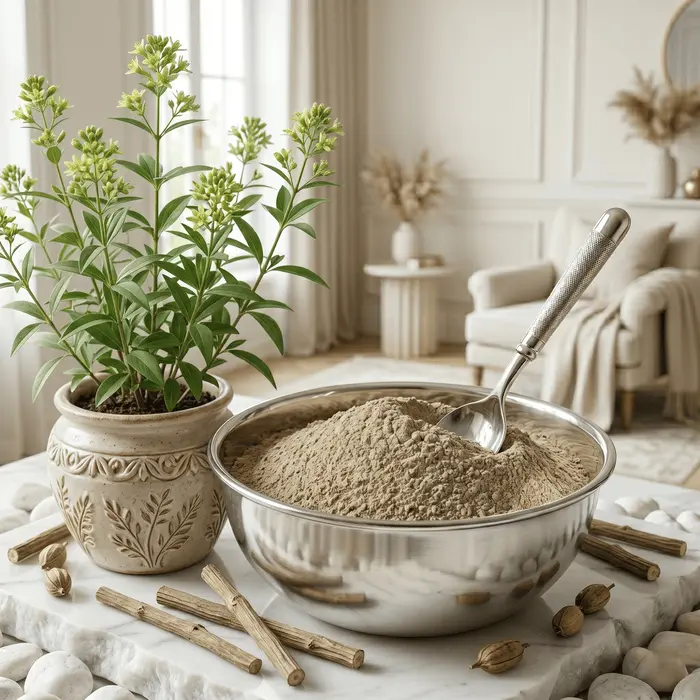
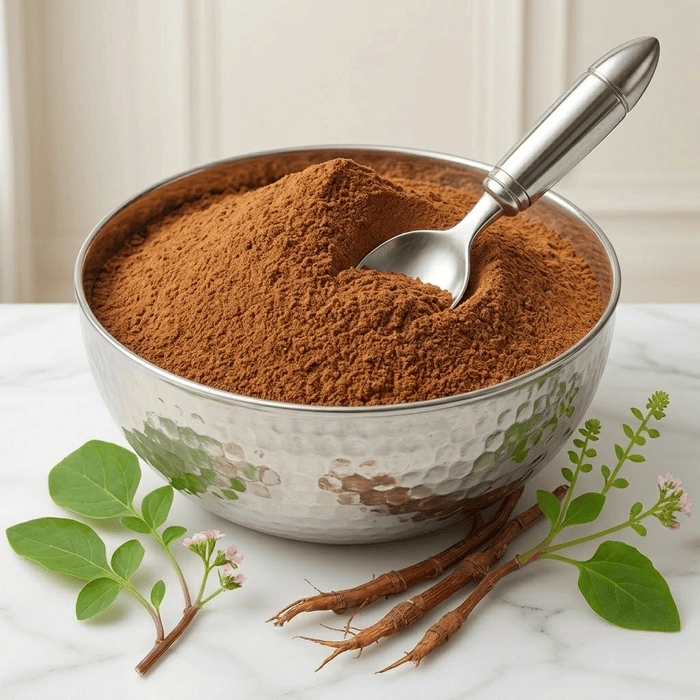
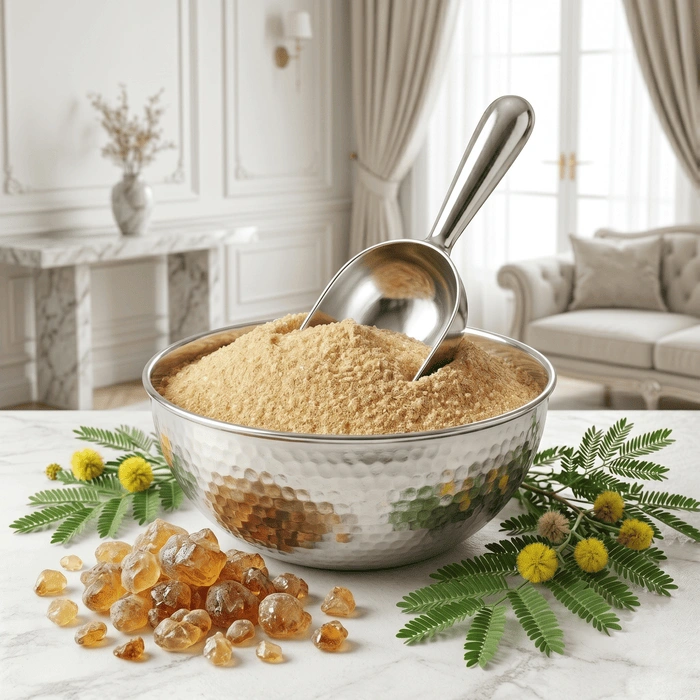
Vardhman Nutrition Co. is an India-based Babul Gond Manufacturer in India, Babul Gond Supplier from India and global B2B exporter of India-origin natural botanical gum. We supply Babul Gond, also known as Babul Gum, Babool Gum and Babool Gond, to international importers, wholesalers, distributors, herbal manufacturers, food ingredient businesses, nutraceutical companies, cosmetic formulators and private-label businesses.
Our Indian Babul Gond supply is intended for commercial and international procurement. Buyers looking for Bulk Babul Gond, natural botanical gum and India-origin herbal raw materials can discuss their required quantity, packaging, product specifications and destination-market requirements with our export team.
Indian Babul Gond for International Botanical Raw Material Buyers
Natural Babul Gum is a plant-derived gum associated with the Babul tree. Because of its natural origin and functional characteristics, Babul Gond is relevant to different industries working with botanical, herbal, food and personal-care ingredients.
As a specialized Babul Gum Supplier, Vardhman Nutrition Co. focuses on international B2B requirements rather than domestic retail sales. Commercial buyers can enquire about bulk quantities, physical specifications, export packaging and documentation according to their application.
Botanical and Commercial Identity of Babul Gond
Babul Gond is the natural gum associated with the Babul or Babool tree. The accepted botanical name is Vachellia nilotica, while Acacia nilotica is a former botanical name that continues to appear in older commercial and technical references.
- Product Name: Babul Gond
- Common Trade Name: Babul Gum
- Alternative Name: Babool Gum
- Another Commercial Name: Babool Gond
- Botanical Name: Vachellia nilotica
- Former Botanical Name: Acacia nilotica
- Plant Family: Fabaceae
- Plant Material: Natural Gum
- Origin: India
- Supply Type: Bulk B2B Export
Natural Characteristics of Indian Babul Gum
Indian Babul Gum occurs naturally as a gum material associated with the bark of the Babul tree. Its appearance can vary depending on the natural material, collection conditions, age, handling and storage environment.
Natural Babul Gond may occur in different sizes and shades. Colour, cleanliness, texture, odour and physical condition are important considerations for commercial buyers. Importers can communicate their preferred physical specifications before order confirmation.
Functional Nature of Babul Gum as a Botanical Ingredient
Plant-derived gums are used in formulation and ingredient development because of their functional characteristics. Babul Gum can be evaluated for applications involving binding, texture modification, formulation support and other suitable botanical ingredient requirements.
The functional behaviour of natural gum can vary according to botanical source, collection, cleaning, processing and storage. Therefore, international buyers should establish suitable specifications before purchasing commercial quantities.
Babul Gond in Traditional Indian Botanical Practices
Babul has a long history of association with traditional Indian botanical practices. Its naturally occurring gum has been used historically in traditional preparations and plant-based applications.
Traditional use should be distinguished from modern therapeutic or medical claims. The suitability of Babul Gond for a particular finished product should be evaluated according to the intended formulation, applicable regulations and technical requirements.
Food Ingredient Opportunities for Babul Gond
Natural gums can have relevance in food ingredient development where plant-derived functional materials are required. Babul Gond may be evaluated by food manufacturers for selected formulation applications according to local food regulations and product requirements.
Food ingredient buyers can discuss product cleanliness, physical form, packaging, quantity and documentation requirements when sourcing Bulk Babul Gum from India.
Herbal Manufacturing Applications
Babul Gond can be considered for selected herbal and traditional botanical product-development programs. Herbal manufacturers may evaluate the natural gum as part of botanical formulations or blends where a plant-derived gum material is suitable.
Formulation compatibility should be assessed by the manufacturer before incorporating the ingredient into a finished product.
Nutraceutical Product Development Potential
The botanical origin of Babul Gond makes it relevant to certain nutraceutical and wellness formulation programs. Businesses developing botanical products can evaluate the ingredient according to their formulation objectives and the regulatory requirements of the target market.
Overseas nutraceutical companies seeking an Indian Herbal Raw Material Supplier can discuss commercial Babul Gond specifications with Vardhman Nutrition Co.
Cosmetic and Personal-Care Formulation Possibilities
Natural gums can provide useful characteristics in cosmetic and personal-care formulation. Babool Gum may therefore be evaluated for suitable creams, gels, botanical preparations and other personal-care development programs.
Cosmetic manufacturers should conduct application-specific compatibility testing because natural raw materials may behave differently depending on the complete formulation.
Botanical Ingredient Research and Development
Babul Gond can also be considered in research and development involving plant-derived functional materials. Product developers may assess its physical and formulation properties for new botanical products, ingredient systems and commercial applications.
How Babul Gond Is Prepared for Commercial Supply
Commercial preparation of Babul Gond from India involves appropriate raw material selection and controlled handling. General preparation may include cleaning, inspection, sorting, quality evaluation and suitable export packing.
- Raw material selection
- Cleaning and removal of unwanted material
- Visual inspection
- Sorting according to commercial requirements
- Quality evaluation
- Suitable packaging for international transportation
Buyer-specific requirements can be discussed before processing and packing so that the supplied material is aligned with the intended commercial application.
Quality Considerations for Babul Gond Procurement
Quality evaluation is an important part of commercial botanical procurement. Depending on the buyer specification, Babul Gond can be assessed for botanical identity, appearance, colour, odour, moisture, foreign matter and other relevant physical characteristics.
Depending on the intended application and destination market, international buyers may also request microbiological analysis, heavy-metal testing, pesticide-residue assessment or other documentation.
Babul Gond Manufacturer in India for Bulk Orders
Vardhman Nutrition Co. works as a Babul Gond Manufacturer in India serving overseas businesses that require India-origin botanical raw materials in commercial quantities. Our supply model is designed for importers, wholesalers, distributors, manufacturers and formulation businesses.
Buyers can share their required quantity, intended application, destination and quality specifications to discuss suitable commercial supply options.
Bulk Babul Gond Supplier from India
As a Bulk Babul Gond Supplier, Vardhman Nutrition Co. supports international buyers requiring natural botanical gum in commercial quantities. Bulk procurement can be planned according to order volume, packaging requirements and destination.
Our export-oriented approach allows buyers to discuss product specifications and shipment requirements before finalizing an international order.
Babul Gum Wholesale Supplier for Global Businesses
Vardhman Nutrition Co. serves as a Babul Gum Wholesale Supplier for overseas B2B buyers. Importers, distributors, wholesalers and manufacturers can enquire about commercial quantities of India-origin Babul Gum.
Wholesale procurement can be structured according to product requirements, packaging format, order quantity and destination-market documentation.
Babul Gond B2B Supplier for International Procurement
As a Babul Gond B2B Supplier, we work with businesses rather than focusing on domestic retail orders. Our potential international customers include food ingredient companies, herbal manufacturers, nutraceutical businesses, cosmetic formulators, botanical traders, wholesalers, distributors and private-label companies.
Babul Gond Exporter from India for International Markets
Vardhman Nutrition Co. is a Babul Gond Exporter from India supplying India-origin botanical gum to international B2B customers. Export requirements can differ according to destination, product classification, intended use and applicable regulations.
Babul Gond Export to USA from India
Businesses looking for Babul Gond Export to USA can discuss bulk sourcing, packaging, product specifications and required documentation with our export team. Buyers should ensure that the imported ingredient meets applicable US requirements for its intended use.
Babul Gond Export to UK from India
For companies planning Babul Gond Export to UK, Vardhman Nutrition Co. can discuss India-origin commercial supply according to the buyer's product requirements. Documentation and compliance requirements should be confirmed according to the intended UK application.
Babul Gond Export to Europe from India
International businesses requiring Babul Gond Export to Europe can enquire about bulk procurement from India. European buyers may specify quality testing, packaging, documentation and other requirements according to their market and application.
Babul Gond Export to Germany from India
Buyers interested in Babul Gond Export to Germany can communicate their required quantity, technical specifications and packaging preferences. The product can be discussed for commercial botanical-ingredient procurement subject to German and applicable European requirements.
Babul Gond Export to UAE from India
Businesses seeking Babul Gond Export to UAE can contact Vardhman Nutrition Co. for India-origin bulk supply. Packaging, documentation and product specifications can be discussed according to the requirements of the UAE importer.
Babul Gond Export to Australia from India
For companies requiring Babul Gond Export to Australia, commercial specifications can be discussed before shipment. Buyers can communicate their application, quantity, packaging and documentation requirements for international procurement.
Babul Gond Export to South Korea from India
International buyers looking for Babul Gond Export to South Korea can enquire about India-origin supply for commercial applications. Destination-specific documentation and import requirements should be confirmed according to the buyer's intended use.
Private Label Babul Gond Supply
Vardhman Nutrition Co. also supports Private Label Babul Gond requirements for eligible international business projects. Buyers can discuss packaging formats, labelling, order quantities and customized commercial specifications.
Private-label requirements should be finalized before order confirmation to ensure that the product and packaging are appropriate for the intended destination market.
Export Packaging for Babul Gond Shipments
Appropriate packaging helps protect Babul Gum from India during international transportation. The packaging should protect the natural gum from moisture, contamination and excessive environmental exposure.
Bulk packaging options can be discussed according to order quantity, handling requirements and destination. International packaging should support safe transportation and subsequent storage.
Storage Conditions for Natural Babul Gum
Babul Gond should be stored in a clean, dry and protected environment. Excessive humidity, direct sunlight, heat and contamination should be avoided.
- Keep the product in properly sealed packaging.
- Protect against moisture and humidity.
- Avoid direct sunlight and excessive heat.
- Maintain a clean and dry storage environment.
- Keep away from strong-smelling materials.
- Use clean handling practices after opening.
Commercial Shelf-Life Considerations
The stability of natural gum depends on packaging, storage conditions, moisture exposure, handling and other environmental factors. Buyers should follow the product-specific storage recommendations and shelf-life information provided with the commercial shipment.
Why Source Babul Gond from an Indian Export Supplier?
India has an established supply network for botanical and plant-derived raw materials. International buyers sourcing Natural Babul Gum from India can work directly with an export-oriented supplier for commercial procurement.
Vardhman Nutrition Co. focuses on international B2B requirements, helping overseas businesses communicate product specifications, quantities, packaging preferences and destination-market requirements.
Botanical Ingredient Exporter India for Global B2B Buyers
Vardhman Nutrition Co. operates as a Botanical Ingredient Exporter India, supplying India-origin botanical raw materials to international businesses. Our approach is focused on commercial procurement and export-oriented supply.
Overseas businesses looking for an Indian Herbal Raw Material Supplier can contact our team with their specific Babul Gond requirement.
Specification Details for Overseas Babul Gond Importers
International buyers can provide the following details when requesting a quotation for commercial Babul Gond:
- Required product and botanical identity
- Required quantity
- Intended application
- Preferred packaging format
- Destination country
- Physical quality specifications
- Testing requirements
- Documentation requirements
- Private-label requirements, where applicable
Buy Babul Gond in Bulk from India
Businesses looking to Buy Babul Gond in Bulk can contact Vardhman Nutrition Co. for India-origin commercial supply. We work with international importers, wholesalers, distributors, herbal manufacturers, food ingredient companies, nutraceutical businesses, cosmetic formulators and private-label buyers.
Share your required quantity, destination and specifications with our export team to discuss bulk supply, packaging and international shipping requirements.
Frequently Asked Questions About Babul Gond
What is Babul Gond?
Babul Gond is a naturally occurring plant gum associated with the Babul or Babool tree, botanically identified as Vachellia nilotica.
What is the botanical name of Babul Gum?
The accepted botanical name is Vachellia nilotica. Acacia nilotica is a former botanical name found in older references.
Is Indian Babul Gond available in bulk?
Yes. Commercial bulk procurement can be discussed with Vardhman Nutrition Co. according to quantity, specifications, packaging and destination.
Who purchases Babul Gond internationally?
International importers, wholesalers, distributors, herbal manufacturers, food ingredient companies, nutraceutical businesses, cosmetic formulators and private-label companies can enquire about commercial supply.
Does Vardhman Nutrition Co. supply Babul Gond for export?
Yes. Vardhman Nutrition Co. supplies India-origin Babul Gond for international B2B procurement and export requirements.
Can Babul Gond be supplied for private-label projects?
Private-label and customized commercial requirements can be discussed according to order quantity, destination, packaging and project specifications.
Contact Vardhman Nutrition Co. for Babul Gond Export Supply
If you are an international importer, wholesaler, distributor, manufacturer or private-label business searching for a Babul Gond Manufacturer, Supplier and Exporter from India, contact Vardhman Nutrition Co. with your required quantity, destination and product specifications.
We support international B2B procurement of India-origin botanical ingredients and help buyers discuss commercial requirements for bulk supply.
Vardhman Nutrition Co.
India
Bulk Natural Botanical Gum Supply Worldwide
Product Information Disclaimer
The information on this page is provided for general product and commercial reference. Traditional uses or research references should not be interpreted as medical advice, treatment claims or guaranteed health benefits. Buyers and manufacturers are responsible for evaluating product suitability, regulatory compliance, labelling and permitted applications in their respective markets.


.webp)




.webp)
.webp)
.webp)
.webp)
.webp)
.webp)
.webp)
.webp)
.webp)
.webp)
.webp)
.webp)

.webp)