Kamal Kesar – Manufacturer & Global B2B Exporter from India
Kamal Kesar: An India-Origin Lotus Botanical Ingredient
Kamal Kesar is a specialized botanical ingredient associated with the floral material of the sacred lotus, scientifically identified as Nelumbo nucifera Gaertn. The species belongs to the Nelumbonaceae family and is recognized as an aquatic perennial with a natural distribution that includes India and several regions across Asia.
In commercial botanical markets, this material may be described using names such as Kamal Kesar, Lotus Saffron, Lotus Stamens, Lotus Pollen and Sacred Lotus floral material. Because common names can vary between countries, international buyers should use the botanical name Nelumbo nucifera when establishing purchasing specifications.
Vardhman Nutrition Co. supplies India-origin botanical herbs to international B2B customers. Our business is focused on commercial export supply for importers, wholesalers, distributors, herbal manufacturers, botanical ingredient companies, natural-product businesses and private-label enterprises.
Kamal Kesar can be evaluated for suitable herbal, traditional, botanical, food, beverage, cosmetic and wellness applications, subject to the regulations governing the intended destination and final product.
Botanical Identity and Classification of the Lotus Material
The accepted scientific name of the sacred lotus is Nelumbo nucifera Gaertn.. It belongs to the genus Nelumbo and family Nelumbonaceae. The plant is a rhizomatous aquatic perennial and India is included within its native range.
The lotus is botanically distinctive from water lilies. Its rhizomes grow in aquatic mud while its leaves and flowers rise above the water surface. The flower contains a characteristic central receptacle with numerous reproductive structures.
Product Botanical Details
- Product Name: Kamal Kesar
- Scientific Name: Nelumbo nucifera Gaertn.
- Family: Nelumbonaceae
- Genus: Nelumbo
- Common Plant Name: Sacred Lotus / Indian Lotus
- Indian Name: Kamal
- Commercial Terms: Lotus Saffron, Lotus Stamens, Lotus Pollen
- Source: Lotus floral material
- Origin: India
- Category: Botanical Herb / Floral Botanical Raw Material
- Supply Type: B2B Bulk and International Export
Correct botanical identification is especially important when purchasing specialty plant materials across international markets.
Understanding the Term Lotus Saffron
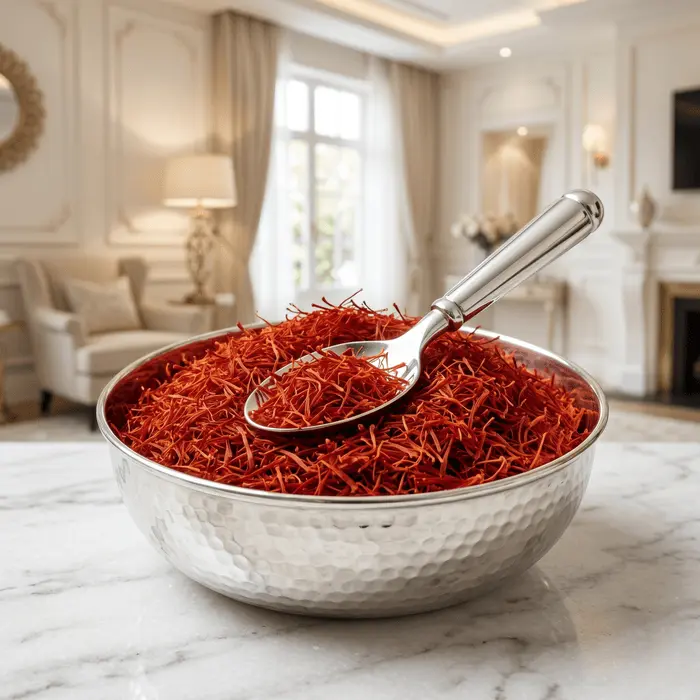
The commercial expression Lotus Saffron can sometimes create confusion because it contains the word "saffron." Kamal Kesar should not be represented as true saffron from Crocus sativus.
True saffron and lotus floral material originate from different botanical species. Therefore, professional buyers should specify Nelumbo nucifera in purchase orders, technical specifications and product documentation.
This distinction is useful for:
- International importers
- Botanical ingredient distributors
- Herbal manufacturers
- Food businesses
- Cosmetic companies
- Private-label brands
- Product-development teams
- Ingredient traders
Using the scientific name alongside the commercial product name creates a clearer reference for international procurement.
Kamal Kesar Manufacturer in India
Vardhman Nutrition Co. operates as a Kamal Kesar Manufacturer in India for professional B2B sourcing requirements.
Our approach is centered on international commercial supply rather than domestic retail. Buyers can contact us when they require India-origin botanical raw materials for manufacturing, formulation, distribution or private-label projects.
Potential customer groups include:
- Herbal product manufacturers
- Ayurvedic formulation companies
- Nutraceutical manufacturers
- Botanical ingredient importers
- Natural-product companies
- Food ingredient businesses
- Herbal tea manufacturers
- Cosmetic manufacturers
- Botanical distributors
- Wholesale traders
- Private-label businesses
- International sourcing companies
The exact product specification can be discussed according to application, destination and buyer requirements.
India-Based Supplier for Commercial Botanical Procurement
As an India-based Kamal Kesar Supplier, Vardhman Nutrition Co. supports international buyers looking for lotus-derived botanical material.
Commercial procurement normally requires more information than a product name alone. Buyers may need to establish botanical identity, plant material, physical characteristics, processing expectations, packaging, quality requirements and destination-market documentation.
For this reason, an international inquiry can include:
- Required quantity
- Intended application
- Destination country
- Desired specification
- Packaging preference
- Documentation requirements
- Private-label requirements
- Delivery location
Bulk Kamal Kesar Supply for International Buyers
Bulk Kamal Kesar can be relevant to companies purchasing botanical ingredients for manufacturing or distribution.
Bulk procurement may be suitable for:
- Botanical ingredient importers
- Herbal manufacturers
- Wholesale distributors
- Nutraceutical businesses
- Cosmetic companies
- Specialty food manufacturers
- Tea companies
- Private-label brands
- Botanical traders
Commercial quantities, packaging arrangements and documentation can be discussed according to the buyer's specific requirements.
For repeat orders, buyers may establish an agreed product specification to maintain greater consistency between purchasing cycles.
Wholesale Botanical Ingredient Distribution
A Wholesale Kamal Kesar Supplier can support distributors that purchase botanical raw materials for onward commercial supply.
Wholesale buyers may supply the ingredient to manufacturers operating in different sectors, including herbal products, traditional formulations, specialty food, botanical beverages and personal care.
For wholesale procurement, it is useful to maintain consistent information regarding:
- Scientific name
- Commercial name
- Plant material
- Origin
- Product form
- Quality parameters
- Packaging
- Storage
- Intended application
Lotus Stamens and Floral Material
The flower of Nelumbo nucifera contains numerous stamens. Because of this botanical characteristic, Lotus Stamens is a relevant descriptive term in commercial discussions involving lotus floral material.
For technical procurement, buyers may specify:
Kamal Kesar – Lotus Stamens – Nelumbo nucifera
The exact material should always be confirmed between buyer and supplier because trade terminology can differ between markets.
Lotus Pollen as a Related Search Term
Lotus Pollen is another term that international buyers may encounter while researching lotus floral ingredients.
However, pollen and stamens are botanically related but are not automatically interchangeable specifications for every commercial product.
Therefore, a professional buyer should identify the exact material required before ordering.
The purchase specification can clarify:
- Floral portion
- Physical form
- Processing status
- Drying condition
- Intended application
- Quality requirements
- Destination regulations
Botanical Raw Material for Herbal Manufacturers
Herbal manufacturers can evaluate Kamal Kesar as a specialty floral botanical raw material for appropriate product-development programs.
The lotus has a long cultural and traditional association in India, making lotus-derived ingredients relevant to businesses developing traditional botanical products.
Potential areas of use may include:
- Herbal formulations
- Botanical combinations
- Traditional preparations
- Plant-based wellness products
- Botanical blends
- Specialty herbal products
- Traditional-inspired product ranges
The actual suitability depends on the formulation, product category and applicable laws in the target market.
Ayurvedic and Traditional Product Development
The sacred lotus has deep cultural importance in India and other parts of Asia. This background makes lotus-associated materials relevant to companies developing traditional or heritage-inspired botanical products.
Ayurvedic manufacturers may evaluate the material according to their own formulation standards and applicable regulations.
For export markets, traditional Indian recognition does not automatically determine the regulatory status of the ingredient in another country. Classification can differ according to whether the final product is marketed as food, cosmetic, supplement, traditional preparation or another category.
Kamal Kesar for Herbal Tea Manufacturers
Floral botanical ingredients can be explored in specialty tea and infusion development. Kamal Kesar for Herbal Tea Manufacturers can be considered where the material is permitted for the proposed application and destination market.
Potential development areas include:
- Botanical tea blends
- Floral infusions
- Specialty herbal beverages
- Botanical drink concepts
- Wellness-oriented beverage products
- Natural floral ingredient combinations
Food Ingredient Sourcing from India
The sacred lotus has documented edible uses. However, the general edible history of a plant does not automatically mean that every specific commercial material is approved for all food uses in every destination.
Food manufacturers should establish:
- Permitted ingredient status
- Intended food application
- Applicable food standards
- Contaminant requirements
- Microbiological limits
- Labeling requirements
- Import conditions
- Documentation
Therefore, Kamal Kesar for Food Manufacturers should be evaluated according to the exact finished-product category and destination regulations.
Cosmetic and Personal-Care Ingredient Opportunities
Lotus is widely associated with natural and botanical beauty concepts. This makes lotus-derived materials potentially relevant to cosmetic and personal-care businesses.
Companies can evaluate the ingredient for suitable applications such as:
- Botanical skincare
- Natural personal-care formulations
- Floral ingredient blends
- Plant-based beauty products
- Traditional-inspired cosmetic concepts
- Specialty botanical collections
Cosmetic manufacturers should assess the material according to their own safety, formulation and regulatory requirements.
Nutraceutical and Botanical Formulation Supply
Nutraceutical manufacturers often source botanical ingredients according to botanical identity, quality specifications, processing and regulatory status.
Kamal Kesar may be evaluated as a specialty plant-derived raw material for suitable formulation programs.
A commercial buyer may request information regarding:
- Botanical identity
- Plant material
- Physical characteristics
- Processing method
- Quality parameters
- Packaging
- Storage
- Documentation
- Intended application
Private Label Kamal Kesar Supply
Private-label businesses may source India-origin botanical ingredients for products sold under their own brand.
Kamal Kesar for Private Label requirements can involve:
- Product specification
- Commercial quantity
- Packaging
- Label information
- Destination country
- Documentation
- Intended application
- Regulatory considerations
Natural Characteristics of the Floral Material
As a natural botanical ingredient, Kamal Kesar can show variation depending on source, harvesting, drying, storage and handling conditions.
Commercial evaluation may consider:
- Botanical authenticity
- Natural appearance
- Colour
- Aroma
- Cleanliness
- Foreign matter
- Physical condition
- Moisture
- Microbiological quality
- Packaging integrity
- Batch consistency
Processing and Post-Harvest Handling
Floral materials require appropriate post-harvest handling to maintain their natural characteristics.
A commercial preparation process may involve:
- Selection of suitable lotus floral material
- Botanical identification
- Sorting
- Cleaning
- Removal of unwanted matter
- Controlled drying
- Quality inspection
- Preparation according to specification
- Packaging
- Storage
Processing conditions can vary according to the intended product form and buyer requirements.
Quality-Oriented Export Supply
For international B2B procurement, quality evaluation involves more than visual inspection.
Depending on the intended application, buyers may establish specifications covering:
- Botanical identity
- Plant material
- Physical characteristics
- Foreign matter
- Moisture
- Microbial parameters
- Contaminants
- Packaging
- Storage
- Documentation
Packaging for Export Shipments
Appropriate packaging is important when shipping botanical ingredients internationally. Packaging should help protect the material from environmental exposure and physical damage.
Packaging requirements can include:
- Product quantity
- Packaging material
- Inner protection
- Outer packing
- Label information
- Storage requirements
- Shipping conditions
- Destination requirements
Storage and Warehouse Handling
Dried botanical materials should be stored in clean and suitable conditions. Storage areas should minimize exposure to humidity, excessive heat, direct sunlight, dust, pests and contamination.
Commercial buyers should maintain appropriate stock rotation and inspect packaging during storage. Final storage conditions should follow the agreed product specification and packaging system.
Export Documentation for International Buyers
International buyers may require different documents depending on the destination country and intended application.
Commercial documentation may include information related to:
- Product specification
- Botanical identity
- Origin
- Batch details
- Packaging
- Quality information
- Test reports where applicable
- Commercial invoice
- Packing information
- Shipping documentation
Kamal Kesar Exporter from India
Vardhman Nutrition Co. operates as a Kamal Kesar Exporter from India, supplying India-origin botanical herbs to international B2B buyers.
Our export model is designed around professional customers seeking botanical raw materials for manufacturing, formulation, distribution and private-label programs.
We work with buyers searching for:
- Kamal Kesar Exporter India
- Kamal Kesar Supplier India
- Kamal Kesar Manufacturer India
- Indian Lotus Saffron Supplier
- Lotus Stamens Exporter India
- Lotus Botanical Ingredient Supplier
- Nelumbo nucifera Supplier India
- Bulk Lotus Botanical Material
- Wholesale Lotus Ingredient
- India Botanical Herb Exporter
Our focus is international B2B sourcing rather than domestic retail.
Kamal Kesar Exporter from India to USA
Companies searching for a Kamal Kesar Exporter from India to USA can evaluate India-origin supply for suitable commercial applications.
US importers may source botanical material for herbal, food, cosmetic, supplement or other permitted applications.
Before importing, buyers should determine the relevant product classification and confirm applicable regulatory requirements.
Kamal Kesar Supplier from India to UK
Businesses seeking a Kamal Kesar Supplier from India to UK can discuss India-origin botanical sourcing for appropriate applications.
UK buyers should establish the regulatory category of the finished product before commercial importation.
Depending on the intended use, requirements concerning food, cosmetics, supplements or traditional products may differ.
Kamal Kesar Export from India to Europe
Kamal Kesar Export from India to Europe can support international botanical sourcing programs for importers, distributors and manufacturers.
European buyers may evaluate:
- Botanical identity
- Ingredient status
- Intended application
- Quality parameters
- Documentation
- Labeling
- Import requirements
Kamal Kesar Exporter from India to Germany
Companies looking for a Kamal Kesar Exporter from India to Germany can discuss commercial botanical sourcing with an India-based supplier.
German importers should verify the applicable European and German requirements for their intended use before confirming an order.
Using the scientific name Nelumbo nucifera in procurement documentation can provide a clearer botanical reference.
Kamal Kesar Supplier from India to UAE
Businesses searching for a Kamal Kesar Supplier from India to UAE can approach an India-based B2B botanical supplier for commercial sourcing.
UAE buyers should communicate the intended application because requirements can vary for food, cosmetics, traditional products and other categories.
Kamal Kesar Exporter from India to Australia
Companies looking for a Kamal Kesar Exporter from India to Australia should consider the requirements applicable to imported botanical materials.
Depending on the form and intended use, Australian buyers may need to assess biosecurity, food, therapeutic, cosmetic or other regulatory considerations.
Kamal Kesar Exporter from India to South Korea
Businesses seeking a Kamal Kesar Exporter from India to South Korea can discuss India-origin botanical supply for suitable commercial applications.
South Korean importers should verify requirements concerning product classification, labeling, documentation and import procedures.
A complete botanical description can help the buyer and supplier establish a clearer commercial specification.
International B2B Buyers for Indian Lotus Botanical Material
Kamal Kesar may be relevant to a wide range of professional buyers.
Importers
Importing companies can source India-origin botanical material for their local distribution or manufacturing network.
Wholesalers
Wholesale businesses can purchase commercial quantities for onward supply to manufacturers and product companies.
Distributors
Botanical distributors can evaluate the material for inclusion in their natural ingredient portfolio.
Herbal Manufacturers
Herbal companies can assess the ingredient for suitable traditional and botanical formulations.
Nutraceutical Companies
Nutraceutical businesses can evaluate the material according to their formulation and regulatory requirements.
Cosmetic Manufacturers
Personal-care companies can investigate suitable botanical applications.
Food Businesses
Food manufacturers can assess the ingredient after confirming permitted use and applicable regulations.
Private-Label Companies
Private-label businesses can discuss commercial ingredient sourcing for their branded product development.
Why Source Kamal Kesar from an Indian Exporter?
India provides a relevant sourcing environment for lotus-associated botanical materials because Nelumbo nucifera occurs naturally within the country's recorded native distribution.
For international customers, working with an India-based exporter can provide a direct channel for botanical procurement.
A professional B2B sourcing relationship can involve:
- Product identification
- Commercial communication
- Bulk sourcing
- Specification discussion
- Packaging coordination
- Export documentation
- Destination-market requirements
- Repeat-order planning
Botanical Authentication for International Procurement
Common names can vary significantly between countries. Scientific nomenclature provides a more stable reference.
For Kamal Kesar, Nelumbo nucifera should be included in technical product information wherever appropriate.
This helps distinguish the material from:
- True saffron
- Water-lily products
- Other lotus species
- Unrelated floral materials
- Products marketed under similar common names
Long-Term Commercial Supply
International manufacturers often need continuity rather than one-time purchasing.
For repeat procurement, the buyer and supplier can establish an agreed specification covering:
- Botanical identity
- Material description
- Physical characteristics
- Quality requirements
- Packaging
- Storage
- Documentation
- Destination
A clear specification can make repeat purchasing more efficient and reduce ambiguity between individual shipments.
Kamal Kesar for Botanical Product Development
The lotus-derived material can be explored across multiple botanical product concepts, depending on regulatory acceptance and formulation suitability.
Potential development areas include:
- Traditional herbal products
- Botanical tea blends
- Floral infusions
- Natural ingredient collections
- Botanical wellness products
- Specialty food concepts
- Cosmetic formulations
- Traditional-inspired products
- Private-label botanical ranges
Commercial Inquiry Requirements
International buyers can provide the following details when requesting a quotation:
- Product: Kamal Kesar
- Scientific Name: Nelumbo nucifera
- Required Material: Desired floral portion
- Quantity: Commercial requirement
- Destination: Country and delivery location
- Application: Intended end use
- Packaging: Preferred format
- Quality: Required specification
- Documentation: Required documents
- Private Label: If applicable
Frequently Asked Questions About Kamal Kesar
What is Kamal Kesar?
Kamal Kesar is a lotus-associated botanical material derived from the sacred lotus, Nelumbo nucifera.
What is the botanical name of Kamal Kesar?
The botanical source is Nelumbo nucifera Gaertn., an accepted species belonging to the Nelumbonaceae family.
Is Kamal Kesar the same as true saffron?
No. Kamal Kesar is associated with Nelumbo nucifera, while true saffron comes from Crocus sativus. "Lotus Saffron" is a commercial or common expression and should not be confused with true saffron.
What are Lotus Stamens?
Lotus stamens are reproductive structures present in the lotus flower.
Is Nelumbo nucifera found in India?
Yes. India is included within the native distribution of Nelumbo nucifera.
Who can purchase Kamal Kesar in bulk?
Importers, wholesalers, distributors, herbal manufacturers, botanical traders, nutraceutical businesses, cosmetic companies, food manufacturers and private-label companies can inquire for commercial sourcing.
Do you export Kamal Kesar from India?
Yes. Vardhman Nutrition Co. focuses on global B2B export of botanical herbs from India.
Can overseas buyers purchase wholesale quantities?
Commercial buyers can discuss bulk requirements, packaging, specifications and destination details with the supplier.
Can private-label companies source the ingredient?
Yes. Private-label buyers can discuss product requirements, commercial quantities, packaging and destination-market considerations.
Can it be considered for food applications?
Potential food use should be assessed according to the exact material, intended formulation and regulations of the destination market.
Can cosmetic manufacturers evaluate the material?
Cosmetic companies can assess the ingredient for suitable applications according to their formulation requirements and applicable regulations.
Contact Vardhman Nutrition Co. for International Supply
International buyers looking for Kamal Kesar Manufacturer in India, Kamal Kesar Supplier from India, Kamal Kesar Exporter from India, bulk lotus botanical material or wholesale floral ingredients can contact Vardhman Nutrition Co. with their commercial requirements.
For an accurate quotation, provide the required quantity, destination country, intended application, specifications, packaging preference and documentation requirements.
Vardhman Nutrition Co. supports professional international buyers seeking India-origin botanical raw materials for manufacturing, formulation, distribution and private-label projects.
.webp)



.webp)
.webp)
.webp)
.webp)
.webp)
.webp)
.webp)
.webp)
.webp)
.webp)
.webp)
.webp)
.webp)