Babool Phali Powder Manufacturer & Global B2B Exporter from India
Vardhman Nutrition Co. is an India-based Babool Phali Powder Manufacturer, Supplier and Global B2B Exporter serving international importers, wholesalers, distributors, herbal manufacturers, botanical ingredient companies, nutraceutical businesses, cosmetic manufacturers, natural-product companies and private-label businesses.
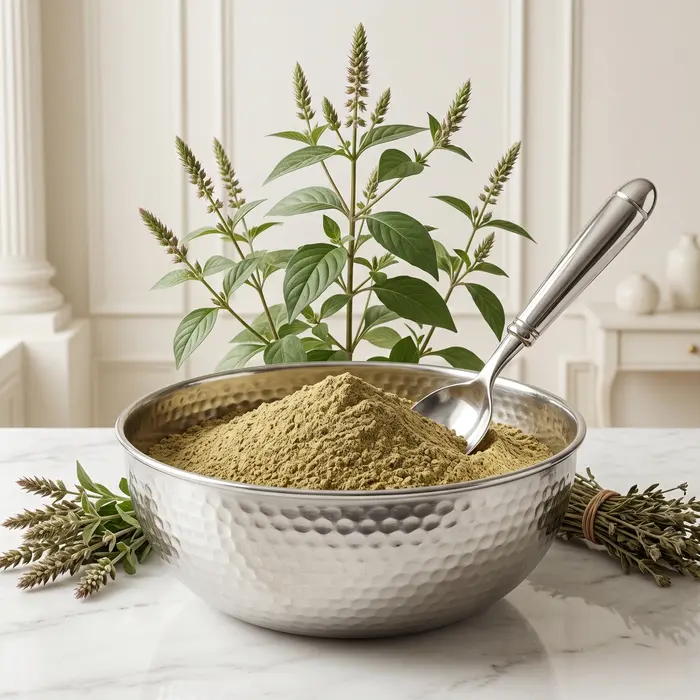
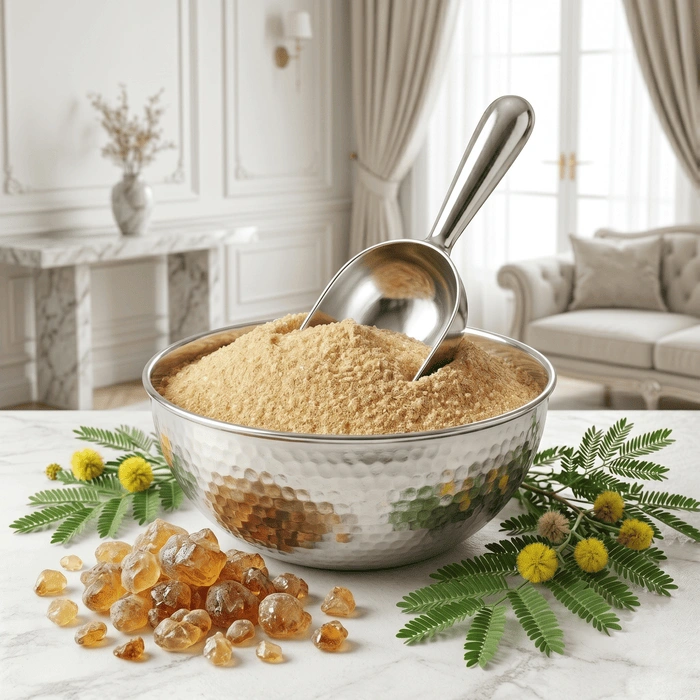
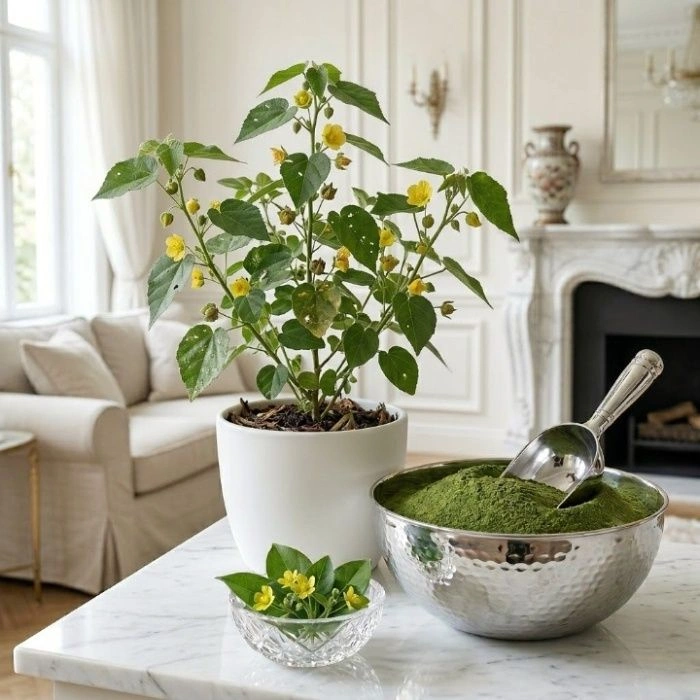
Babool Phali Powder is a botanical raw material prepared from mature and dried pods of the Babool tree, botanically identified as Vachellia nilotica. The botanical synonym Acacia nilotica is also widely encountered in literature and commercial identification. Depending on regional terminology and commercial search practices, this ingredient may be identified through terms such as Babul Fali Powder, Kikar Phali Powder, Babool Pod Powder, Babul Pod Powder and Acacia nilotica Pod Powder.
The product is supplied as an India-origin botanical raw material for suitable herbal formulations, Ayurvedic and Unani product development, natural personal-care products, oral-care preparations, cosmetic applications, botanical ingredient trading and selected industrial uses.
Vardhman Nutrition Co. follows an international B2B export-oriented supply model from India, making this ingredient relevant to commercial buyers purchasing commercial quantities for manufacturing, formulation, further processing, repacking, wholesale distribution and private-label development.
The Botanical Material Behind Babool Phali
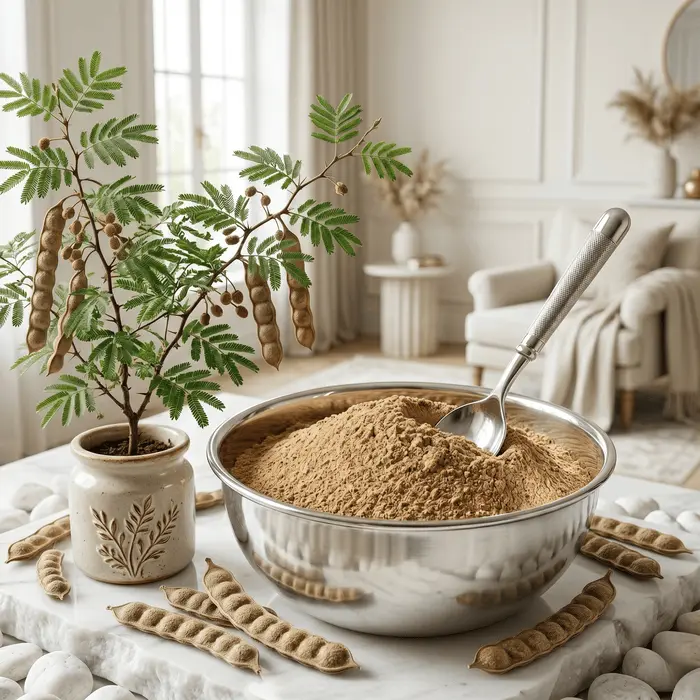
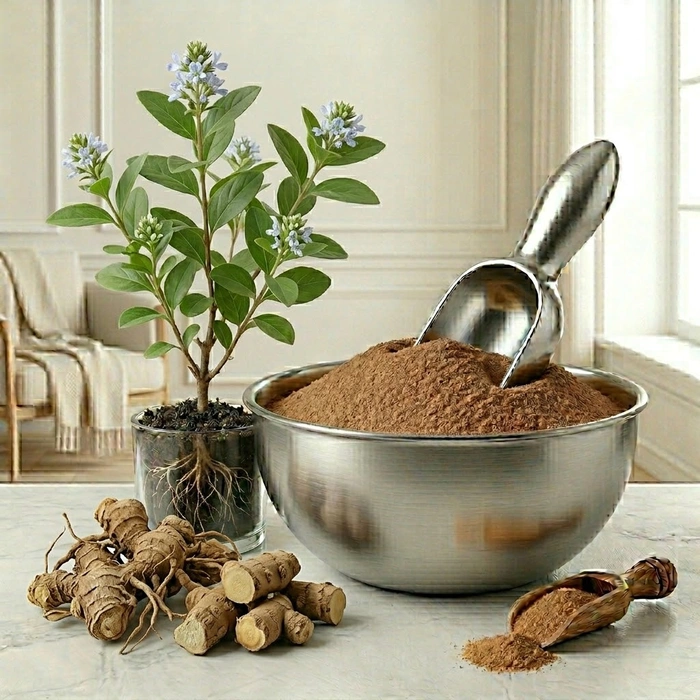
Babool is a thorny tree associated with dry and semi-arid environments. Its fruit develops as pods containing seeds. Mature pods can be collected, appropriately dried and processed into a powdered botanical ingredient.
The pod or phali is commercially important because it represents the specific plant part used in this product. Accurate plant-part identification is therefore important when preparing purchase orders, product specifications, technical documents and import enquiries.
Regional terminology can differ substantially. Babool, Babul and Kikar are names encountered in different markets, which is why the botanical name provides an additional level of identification.
For international procurement, buyers can specify Vachellia nilotica together with the dried pod plant part and powdered form.
Scientific Classification for Product Authentication
The botanical identity of the ingredient is Vachellia nilotica, belonging to the Fabaceae family. Acacia nilotica is an established synonym associated with the species.
Commercial product specification:
- Product Name: Babool Phali Powder
- Common Name: Babool / Babul
- Alternative Name: Babul Fali Powder
- Regional Name: Kikar Phali Powder
- Trade Name: Babool Pod Powder
- Alternative Trade Term: Babul Pod Powder
- Botanical Name: Vachellia nilotica
- Synonym: Acacia nilotica
- Family: Fabaceae
- Plant Part: Mature Dried Pods / Phali
- Product Form: Powder
- Origin: India
- Category: Botanical Herb / Herbal Raw Material
- Supply Model: B2B Bulk and Wholesale Export
Visual and Physical Character of the Dried Pods
Mature Babool pods are recognizable fruiting structures containing seeds. Their appearance can naturally vary according to plant maturity, geographical origin, environmental conditions and other agricultural factors.
After drying and processing, the pods become a powdered botanical raw ingredient.
For commercial buyers, physical parameters may be discussed according to the final application. Depending on the requirement, buyers may be interested in characteristics such as appearance, moisture, foreign matter, powder texture and particle size.
Natural botanical materials can show some batch-to-batch variation. Clear product specifications therefore help establish expectations between the supplier and overseas buyer.
Phytochemical Profile of Babool Pod Material
Babool-derived material contains several naturally occurring phytochemical groups that contribute to its traditional, botanical and industrial interest.
The supplied product information identifies:
- Tannins
- Gallotannins
- Ellagic tannins
- Flavonoids
- Quercetin
- Kaempferol
- Polyphenolic compounds
- Saponins
- Alkaloids
- Gallic acid
- Catechin
- Epicatechin
- Natural gums
- Carbohydrates
- Dietary fibre
- Proteins
- Amino acids
- Calcium
- Potassium
- Magnesium
- Trace elements
These constituents can vary naturally. Geography, climate, soil conditions, maturity, harvesting, drying and processing may influence the composition of botanical material.
For this reason, a buyer requiring defined analytical values should establish the desired testing parameters before commercial procurement.
Importance of Naturally Occurring Tannins
Tannins are among the notable naturally occurring constituents associated with Babool.
The presence of tannin-rich compounds has contributed to the historical interest surrounding Babool-derived materials. Tannins are relevant to various traditional botanical applications and have also been considered in selected industrial processes.
Babool material has an association with natural tanning applications in the leather industry. This gives the plant an additional commercial dimension beyond herbal and natural-product manufacturing.
For industrial customers, suitability should be evaluated according to their specific process, technical requirements and end-use category.
Traditional Indian Herbal Background
Babool has a long history of use in traditional Indian systems including Ayurveda and Unani.
Various parts of the tree have traditionally been incorporated into botanical preparations. The pod material is associated with astringent characteristics and has been considered in traditional formulations.
Historically described uses include oral hygiene, digestive preparations, skin-related applications and other natural wellness concepts.
This information represents traditional and historical use rather than a guarantee of therapeutic effectiveness. International manufacturers should formulate their finished products according to applicable regulations and should independently substantiate any health or therapeutic claims.
Oral Hygiene and Dental-Care Formulations
Babool-derived botanical material has a notable association with traditional oral-care practices.
Suitable manufacturers may evaluate the powdered pod material for use in:
- Herbal tooth powders
- Botanical toothpaste
- Traditional dental formulations
- Mouth-care blends
- Herbal gargles
- Natural mouth-rinse concepts
- Plant-based oral-hygiene products
Scientific investigations have examined the antibacterial potential of Babool-derived preparations against microorganisms associated with oral health, including Streptococcus mutans.
However, laboratory observations should not automatically be presented as clinical proof. Finished-product manufacturers should substantiate any claims according to the regulations of their target market.
Natural Skin-Care Product Development
The botanical powder may also be considered by businesses developing natural skin-care and personal-care formulations.
Potential product-development categories include:
- Herbal face packs
- Botanical skin-care blends
- Natural creams
- Herbal skin preparations
- Botanical toners
- Plant-based personal-care products
- Traditional skin-care formulations
The suitability of the powder depends on the formulation, processing method and finished-product requirements.
Cosmetic manufacturers should assess safety, compatibility, permitted ingredient use, labelling obligations and claims according to the regulatory framework of the country where their finished product will be marketed.
Hair and Scalp Care Possibilities
Babool has also been traditionally associated with natural hair-care practices.
Manufacturers may evaluate suitable powdered botanical formulations for:
- Herbal hair packs
- Botanical scalp-care products
- Natural hair-care blends
- Traditional herbal preparations
- Plant-based personal-care ranges
Any finished cosmetic formulation should undergo the manufacturer's own safety and compatibility evaluation.
Herbal Formulation Manufacturing Potential
The ingredient can serve as a raw material for companies developing products based on traditional Indian botanicals.
Potential commercial users include:
- Ayurvedic product manufacturers
- Unani formulation businesses
- Herbal manufacturers
- Botanical ingredient companies
- Natural wellness businesses
- Nutraceutical manufacturers
- Plant-based product developers
- Herbal raw-material traders
Manufacturers can evaluate the material as part of their own formulation-development process. The appropriate grade, particle characteristics and other specifications can be established according to the finished product.
Nutraceutical and Natural-Product Applications
The naturally occurring phytochemical profile of Babool makes it relevant to selected botanical and natural-product development programs.
Businesses involved in botanical blends and plant-based formulations may evaluate the powder according to their specific product category.
Potential areas can include:
- Botanical blends
- Traditional wellness formulations
- Herbal ingredient combinations
- Plant-based product concepts
- Natural personal-care products
- Botanical raw-material formulations
Research into Antioxidant Potential
Scientific research has examined antioxidant properties associated with Babool-derived materials.
Tannins, flavonoids and other polyphenolic constituents are among the naturally occurring compounds investigated in research relating to antioxidant activity.
Laboratory studies can provide useful information about the chemical and biological characteristics of a botanical ingredient. Nevertheless, laboratory findings should be distinguished from demonstrated clinical outcomes in humans.
Research on Antibacterial Activity
Babool-derived preparations have been investigated for antibacterial activity in laboratory studies.
Research has included microorganisms relevant to oral health, including Streptococcus mutans.
These investigations contribute to scientific interest in Babool as a botanical raw material for oral-care and natural-product development.
However, activity observed under laboratory conditions does not by itself establish effectiveness of the commercial powder in humans.
Research Related to Inflammation and Wound Healing
Scientific investigations have also explored anti-inflammatory and wound-healing-related properties of Babool-derived materials.
Some animal and laboratory studies have reported biological activity in these areas.
Such findings may help researchers understand the plant's phytochemical profile and potential applications, but they should not be presented as established medical treatment outcomes.
Traditional Digestive Applications
Babool has traditionally been associated with digestive formulations.
Historical herbal practices have included the use of Babool-derived material in traditional approaches relating to digestive disturbances, including diarrhea and dysentery.
These uses form part of the traditional background of the botanical ingredient and should not be interpreted as a clinical recommendation or guarantee of treatment.
Traditional Oral and Throat Uses
Traditional applications have also included mouth rinses, gargles and other oral preparations.
Babool-derived material has historically been considered for sore-throat and mouth-care concepts because of its astringent botanical character.
Manufacturers may evaluate the powdered material for suitable traditional oral-care formulations while ensuring that commercial claims comply with applicable regulations.
Potential Industrial Uses Beyond Herbal Products
Babool is not limited to traditional herbal applications. The plant's naturally occurring tannin content has contributed to its interest in industrial processes, including natural tanning.
Other potential areas associated with Babool-derived material include:
- Natural dye development
- Plant-based industrial products
- Selected natural preservative concepts
- Leather-related tanning applications
- Agricultural applications
- Limited animal-feed uses
The suitability of powdered pods depends on the technical requirements of each industry.
Commercial Preparation of Babool Phali Powder
A powdered botanical ingredient requires appropriate handling from raw-material selection through final packaging.
- Selection of suitable mature dried pods
- Removal of unwanted foreign material
- Cleaning of the raw material
- Moisture management where required
- Grinding or milling
- Screening for suitable powder characteristics
- Product inspection
- Packaging for commercial shipment
Processing requirements can vary according to the agreed product specification and intended application.
Quality Considerations for International Procurement
International botanical buyers generally require clear product identification and consistent handling.
Commercial evaluation may involve:
- Botanical authenticity
- Correct plant part
- Product appearance
- Moisture condition
- Foreign matter
- Particle characteristics
- Packaging integrity
- Batch consistency
- Storage conditions
- Relevant documentation
Babool Phali Powder Manufacturer in India
Vardhman Nutrition Co. operates as a Babool Phali Powder Manufacturer in India, supplying Indian-origin botanical raw material to international commercial customers.
The product preparation model is intended for buyers requiring dried Babool pod material in powdered form for manufacturing, formulation, ingredient trading, distribution or further processing.
Buyers can provide their desired quantity, product grade, powder characteristics, packaging, destination and intended application for commercial evaluation.
Bulk Babool Phali Powder Supplier from India
As a Bulk Babool Phali Powder Supplier from India, Vardhman Nutrition Co. supports international customers requiring commercial quantities.
Bulk procurement can be relevant to:
- Botanical ingredient importers
- Herbal raw-material wholesalers
- Nutraceutical manufacturers
- Cosmetic companies
- Herbal product manufacturers
- Ingredient distributors
- Natural-product businesses
- Private-label companies
- Botanical traders
Wholesale Babul Fali Powder Supply
Businesses searching for a Wholesale Babool Phali Powder Supplier from India can approach Vardhman Nutrition Co. for commercial sourcing.
Babul Fali Powder is an alternative market term used for powdered Babool pods. Wholesale procurement can support distributors and ingredient traders that purchase inventory for downstream customers.
Kikar Phali Powder Supplier from India
Kikar Phali Powder is another regional and commercial term associated with powdered Babool pods.
Vardhman Nutrition Co. serves international businesses searching for a Kikar Phali Powder Supplier from India.
For commercial procurement, the regional name can be combined with Vachellia nilotica, mature dried pods and powder form to establish the intended raw material.
Babool Pod Powder and Babul Pod Powder
Babool Pod Powder and Babul Pod Powder are additional search terms used by international ingredient buyers.
These terms describe the powdered form of dried Babool pods and can be useful when searching through global botanical ingredient databases.
Acacia nilotica Pod Powder for Botanical Procurement
Acacia nilotica Pod Powder is another terminology encountered in botanical literature and commercial searches.
Because Acacia nilotica is used as a synonym for Vachellia nilotica, international buyers may encounter either botanical designation.
Babool Phali Powder Exporter from India
Vardhman Nutrition Co. operates as a Babool Phali Powder Exporter from India, supplying Indian-origin botanical raw material to international B2B customers.
The export-focused business serves importers, wholesalers, distributors, herbal manufacturers, botanical ingredient traders and private-label companies.
The international supply model is designed around commercial procurement rather than individual retail purchases.
Babool Phali Powder Export to USA
Businesses searching for a Babool Phali Powder Exporter from India to USA can enquire for Indian-origin botanical pod powder.
US importers, herbal businesses, botanical ingredient distributors and private-label manufacturers can communicate their intended application, quantity, packaging requirements and documentation needs.
Babool Phali Powder Supplier from India to UK
A Babool Phali Powder Supplier from India to UK can support importers, botanical distributors, herbal manufacturers and formulation companies requiring Indian-origin plant material.
UK buyers can specify their desired quantity, product grade, packaging format, documentation and intended use during commercial discussions.
Babool Phali Powder Export from India to Europe
Businesses looking for Babool Phali Powder Export from India to Europe can contact an India-based B2B exporter for commercial sourcing.
European requirements may differ between countries and product categories. Importers should establish the applicable requirements for their destination country and intended use before shipment.
Babool Phali Powder Exporter from India to Germany
A Babool Phali Powder Exporter from India to Germany can support German importers, herbal manufacturers, botanical distributors and ingredient businesses seeking India-origin pod powder.
Commercial discussions can cover quantity, specification, packaging, destination and documentation requirements.
Babool Phali Powder Supplier from India to UAE
Businesses searching for a Babool Phali Powder Supplier from India to UAE can enquire for commercial quantities of Indian-origin botanical material.
UAE importers and distributors can provide their desired volume, packaging preference, intended application and destination information.
Babool Phali Powder Exporter from India to Australia
A Babool Phali Powder Exporter from India to Australia can supply suitable Indian-origin botanical raw material for international B2B procurement.
Australian purchasers should provide their specifications and confirm applicable import and biosecurity requirements before shipment.
Babool Phali Powder Exporter from India to South Korea
Companies searching for a Babool Phali Powder Exporter from India to South Korea can enquire for Indian-origin Vachellia nilotica pod powder.
South Korean buyers can communicate product specifications, quantity, packaging requirements, intended application and destination details for commercial evaluation.
Private-Label Babool Phali Powder Procurement
Private-label businesses can evaluate Private Label Babool Phali Powder for suitable botanical product ranges.
Bulk material can be incorporated into the manufacturer's own formulation, further processed, blended or packed according to its product-development requirements.
Private-label companies should independently establish finished-product safety, labelling, claims and regulatory compliance before marketing their products.
Packaging for Global Botanical Shipments
Suitable packaging helps protect powdered botanical material during storage, handling and international transportation.
Packaging requirements may depend on:
- Order quantity
- Transportation method
- Destination climate
- Storage duration
- Buyer requirements
- Product application
- Labelling specifications
- Import regulations
Storage Conditions for Babool Powder
Babool Phali Powder should be stored in a clean, dry and protected environment.
- Protect the material from excessive moisture.
- Keep the product away from direct sunlight.
- Avoid excessive heat.
- Maintain suitable warehouse conditions.
- Use appropriate airtight packaging.
- Protect against pests.
- Prevent contact with contaminated materials.
- Maintain packaging integrity.
Shelf Life and Product Stability
Under suitable storage conditions, Babool Phali Powder generally has a shelf life of approximately 12–24 months.
Actual stability can depend on moisture, humidity, temperature, packaging, light exposure and handling conditions.
Naturally occurring tannins, polyphenols and other botanical constituents may gradually change over extended storage.
The material should be inspected before use. Unusual odour, discoloration, moisture absorption, lump formation or visible mold may indicate deterioration.
International B2B Customer Categories
The product can serve a wide range of overseas commercial businesses.
- Botanical ingredient importers
- Herbal raw-material wholesalers
- Natural ingredient distributors
- Ayurvedic manufacturers
- Unani manufacturers
- Herbal product companies
- Nutraceutical businesses
- Cosmetic manufacturers
- Dental-care product companies
- Personal-care manufacturers
- Botanical ingredient traders
- Private-label brands
- Plant-based product developers
- Natural-product companies
- Traditional formulation businesses
Why International Buyers Source Babool from India
India has a long history of using Babool-derived botanical materials in traditional systems and natural-product development.
For international buyers, sourcing from an India-based supplier provides a direct commercial channel for Indian-origin botanical raw materials.
Vardhman Nutrition Co. focuses on:
- India-origin botanical sourcing
- International B2B procurement
- Bulk commercial supply
- Wholesale requirements
- Buyer-specific specifications
- Export-oriented packaging
- Product identification
- Commercial documentation
- International sourcing support
- Long-term B2B business relationships
Commercial Enquiry Requirements for Overseas Buyers
International buyers can provide the following information when requesting a quotation:
- Product name
- Botanical name
- Plant part
- Required quantity
- Product grade
- Particle-size requirement
- Intended application
- Packaging preference
- Destination country
- Documentation requirements
- Shipping requirements
- Private-label requirements
Complete information helps establish an accurate commercial specification before order processing.
Buy Babool Phali Powder in Bulk from India
Businesses searching to Buy Babool Phali Powder in Bulk from India can contact Vardhman Nutrition Co. for international B2B sourcing.
The company supports enquiries from importers, wholesalers, distributors, herbal manufacturers, botanical ingredient traders, nutraceutical businesses, cosmetic companies, natural-product manufacturers and private-label organizations.
Buyers can share their required quantity, product specification, packaging preference, destination country and intended application for commercial discussion.
Frequently Asked Questions About Babool Phali Powder
What is Babool Phali Powder?
Babool Phali Powder is a botanical raw material produced by grinding mature and dried pods of Vachellia nilotica.
What is the botanical name of Babool?
The botanical name is Vachellia nilotica. Acacia nilotica is a recognized synonym associated with the species.
What is Babul Fali Powder?
Babul Fali Powder is an alternative commercial name for powdered Babool pods.
What is Kikar Phali Powder?
Kikar Phali Powder is another regional or commercial term used for powdered Babool pods.
What is Babool Pod Powder?
Babool Pod Powder refers to powdered material prepared from dried Babool pods.
Which plant part is used?
The product is prepared from mature dried pods, commonly referred to as phali.
Does the product originate from India?
Yes. Vardhman Nutrition Co. supplies India-origin Babool botanical raw material for international B2B procurement.
Do you supply bulk quantities?
Yes. The business focuses on bulk and wholesale commercial requirements for overseas buyers.
Who can purchase this botanical ingredient?
Importers, wholesalers, distributors, herbal manufacturers, botanical ingredient companies, nutraceutical businesses, cosmetic manufacturers, private-label businesses and formulation companies can enquire.
Do you export Babool Phali Powder from India?
Yes. Vardhman Nutrition Co. operates as an international B2B exporter of India-origin botanical materials.
Which countries can source the product?
Commercial enquiries can cover the USA, UK, Europe, Germany, UAE, Australia, South Korea and other international markets, subject to applicable import requirements.
What is the shelf life?
Under suitable storage conditions, the general shelf-life is approximately 12–24 months.
Can private-label companies purchase it?
Yes. Private-label businesses can discuss bulk botanical raw-material procurement according to their formulation, packaging and destination requirements.
Enquire for Indian Babool Phali Powder
Vardhman Nutrition Co. is an India-based Babool Phali Powder Manufacturer, Supplier and Global B2B Exporter, supplying Indian-origin botanical raw material to international commercial buyers.
Importers, wholesalers, distributors, herbal manufacturers, Ayurvedic and Unani product businesses, botanical ingredient traders, nutraceutical companies, cosmetic manufacturers and private-label organizations can contact us with their required quantity, product specification, packaging preference, destination country and intended application.
Our export-oriented supply model is designed to support international B2B sourcing of botanical ingredients from India.
Vardhman Nutrition Co.
Manufacturer & Global B2B Exporter of Botanical Herbs from India
Bulk Botanical Ingredient Supply Worldwide
Product Information Disclaimer
The information presented on this page is intended for general botanical, product, traditional-use and commercial reference. Traditional applications and scientific research should not be interpreted as medical advice or as a guarantee that Babool Phali Powder can diagnose, treat, cure or prevent any disease.
Scientific findings may vary according to the plant material, preparation, extract, experimental conditions and research model. Laboratory and animal findings should not automatically be interpreted as established human clinical outcomes.
Finished-product manufacturers, importers and distributors are responsible for determining product suitability, conducting appropriate quality and safety assessments, complying with applicable regulations, and ensuring that all product claims and labels meet the requirements of their respective markets.



.webp)



.webp)
.webp)
.webp)
.webp)
.webp)
.webp)
.webp)
.webp)
.webp)
.webp)
.webp)
.webp)
.webp)