.webp)
Sugar Badam Kadwa – Indian Botanical Seed for International B2B Supply
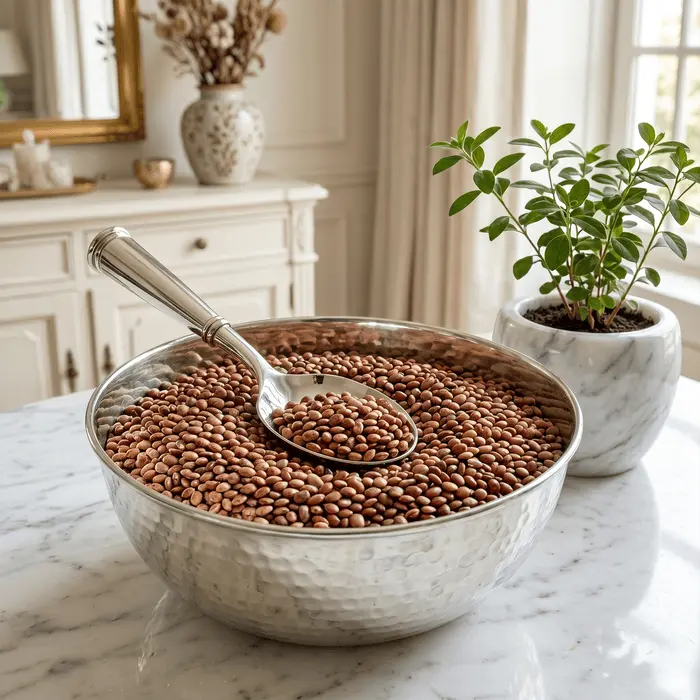
Sugar Badam Kadwa is a dried botanical seed material obtained from Swietenia macrophylla, a tropical tree belonging to the Meliaceae family. The seed is recognized by its almond-like appearance and distinctly bitter taste. It is also known through commercial and regional names such as Kadua Badam, Kadwa Badam, Sky Fruit, Diabetes Almond and Bitter Almond.
This botanical seed is relevant for international businesses involved in herbal products, nutraceutical formulations, botanical extracts, traditional preparations, research applications and customized plant-based product development. Depending on the buyer's requirement, the material may be procured as whole seed, dried seed or processed powder.
Botanical Identity and Raw-Material Profile
The botanical source of the product is Swietenia macrophylla, which belongs to the Meliaceae family and is commonly associated with Big-leaf Mahogany or Mahogany Tree. The species is native to tropical regions of Central and South America and is cultivated in several tropical countries, including India.
| Parameter | Details |
|---|---|
| Botanical Name | Swietenia macrophylla |
| Family | Meliaceae |
| Plant Part | Seed |
| Form | Dried Raw Herb – Seed |
| Product Category | Botanical Seed |
| Appearance | Almond-like |
| Taste | Distinctly bitter |
International buyers may identify the raw material by its scientific name or commercial terminology. Relevant names include Swietenia macrophylla Seed, Swietenia macrophylla Seeds, Mahogany Seed, Mahogany Seeds, Sugar Badam Seed and Sugar Badam Kadwa Seed.
For buyers seeking dried raw material, terms such as Dried Mahogany Seeds and Dried Swietenia macrophylla Seeds may also be used during sourcing.
Distinctive Botanical Characteristics
Swietenia macrophylla is a large tropical tree that generally reaches approximately 30–40 metres and may grow considerably taller under favourable conditions. It develops large compound leaves, small white to pale-yellow flowers and hard capsule-like fruits containing seeds.
The seeds have an almond-like appearance but a pronounced bitter flavour. This distinctive characteristic is associated with names including Kadua Badam, Kadwa Badam, Bitter Almond, Sky Fruit and Diabetes Almond.
For commercial procurement, buyers may evaluate:
- Botanical identity
- Seed appearance
- Colour
- Odour
- Taste
- Moisture
- Foreign matter
- Cleanliness
- General condition
- Packaging
- Batch consistency
The final specification can be established according to the buyer's application and destination requirements.
Naturally Occurring Constituents
The plant contains various naturally occurring compounds that have attracted scientific and botanical interest. Reported constituents include limonoids, swietenolide, swietenine, swietenylated compounds, flavonoids, tannins, saponins, triterpenoids, steroids, phenolic compounds, alkaloids, fatty acids and polyphenols.
The concentration of these compounds can vary depending on plant part, geographical conditions and processing methods. Consequently, manufacturers working with botanical raw materials may establish their own technical and analytical specifications before approving a batch.
The natural phytochemical profile makes the seed relevant to companies involved in botanical research, formulation development and extraction projects.
Traditional Importance and Research Interest
Different parts of Swietenia macrophylla, including seeds, leaves and bark, have been used traditionally in various plant-based practices. The seed has also attracted scientific attention because of its naturally occurring phytochemicals and reported biological activities.
Research has investigated several areas associated with the plant, including antioxidant, anti-inflammatory, antibacterial, antifungal, antimicrobial, antipyretic, hepatoprotective, immunomodulatory, cardioprotective, anthelmintic and digestive-supportive properties.
Research has also explored possible relationships with blood glucose, cholesterol, lipid profiles and oxidative stress. These findings should be understood as areas of scientific investigation rather than established medical indications. Many reported properties are based on laboratory and animal studies, while comprehensive human clinical research remains limited.
Herbal Product Development Applications
The dried seed can be evaluated as a botanical raw material for herbal product development. Potential formats include:
- Herbal powders
- Botanical blends
- Herbal capsules
- Herbal tablets
- Traditional preparations
- Botanical extracts
- Wellness formulations
- Customized herbal products
The final use should be determined by the manufacturer according to formulation requirements, applicable scientific evidence and regulations in the target market.
The term Sugar Badam Kadwa Manufacturer is relevant to international buyers searching for commercial supply from India.
Nutraceutical Formulation Opportunities
Botanical raw materials are used in nutraceutical product development in formats such as capsules, tablets, powders and botanical blends. This seed material can be considered by companies developing plant-based nutraceutical products.
Potential development areas include:
- Botanical supplements
- Powder blends
- Plant-based formulations
- Botanical extracts
- Traditional wellness products
- Research-based nutraceutical ingredients
The phytochemical composition can be relevant to formulation and research programs, while finished-product claims must be supported by appropriate evidence and comply with the regulatory requirements of the intended market.
A Sugar Badam Kadwa Supplier can be evaluated according to raw-material identity, product condition, quantity, packaging and technical specifications.
Botanical Extraction Applications
Dried seed material can be considered as a starting raw material for botanical extraction. Extraction companies may require defined parameters before approving material for processing.
Typical requirements can include:
- Botanical identity
- Seed condition
- Moisture
- Foreign matter
- Cleanliness
- Seed quality
- Packaging
- Batch consistency
Buyers should communicate their intended extraction process and technical requirements before confirming a commercial order.
Quality Specifications for B2B Buyers
International botanical buyers may establish detailed specifications according to their application. Common quality parameters include botanical identity, plant part, appearance, colour, odour, taste, moisture, foreign matter, microbiological parameters, heavy metals, pesticide residues and packaging specifications.
For manufacturers, clearly defined specifications can help maintain consistency during subsequent processing. Additional testing requirements may be established for extraction, nutraceutical or herbal applications.
Quality requirements should therefore be discussed before commercial shipment, especially when the material is intended for regulated international markets.
Processing and Preparation
A general preparation sequence for dried botanical seed material may involve selection, cleaning, sorting, removal of foreign material, drying where required, inspection, grading, packaging and controlled storage.
- Selection of suitable seed material
- Cleaning
- Sorting
- Removal of unwanted material
- Drying where necessary
- Quality inspection
- Grading
- Packaging
- Storage under suitable conditions
The processing route may differ according to the required form. Whole seed, dried seed, powder and extraction-grade material can have different specifications.
Bulk Procurement from India
Bulk Sugar Badam Kadwa can be considered for commercial manufacturing, extraction, formulation and distribution requirements.
Potential B2B customers include:
- Herbal manufacturers
- Nutraceutical companies
- Botanical extract manufacturers
- Importers
- Distributors
- Wholesalers
- Supplement brands
- Private-label businesses
- Research-oriented manufacturers
For commercial sourcing, buyers can specify required quantity, product form, quality parameters, packaging preference, intended application, destination country and documentation requirements.
A Sugar Badam Kadwa Wholesale Supplier can support commercial requirements involving whole seeds, dried seeds, powder, bulk packaging and customized specifications.
India-Origin B2B Export Supply
International buyers seeking Indian botanical raw materials may search using commercial phrases such as Sugar Badam Kadwa India, Sugar Badam Kadwa B2B Supplier, and Sugar Badam Kadwa Bulk Supplier.
For businesses requiring the scientific botanical identity, a Swietenia macrophylla Supplier can be relevant to sourcing discussions.
Commercial procurement may involve importers, wholesalers, distributors, herbal manufacturers, nutraceutical businesses, botanical processors and private-label companies.
A Sugar Badam Kadwa Manufacturer in India can be considered by buyers looking for India-origin raw material according to defined specifications.
Export Markets for International Buyers
International buyers may source Indian botanical ingredients for further manufacturing, formulation, extraction and distribution. Potential markets include the USA, UK, Europe, Germany, UAE, Australia and South Korea.
United States Market
For Sugar Badam Kadwa Export to USA, buyers can specify product form, quantity, quality parameters, packaging and intended application. Imported material should be used according to applicable destination-market requirements.
United Kingdom Market
For Sugar Badam Kadwa Export to UK, buyers can establish requirements concerning seed condition, quantity, packaging, documentation and application.
European Market
For Sugar Badam Kadwa Export to Europe, commercial specifications can be established according to the intended use and applicable requirements.
German Market
For Sugar Badam Kadwa Export to Germany, buyers can communicate their required product condition, quality specifications, quantity, packaging and documentation.
UAE Market
For Sugar Badam Kadwa Export to UAE, commercial sourcing can be structured around quantity, product form, packaging and destination requirements.
Australian Market
For Sugar Badam Kadwa Export to Australia, buyers can provide their intended application and technical requirements before shipment.
South Korean Market
For Sugar Badam Kadwa Export to South Korea, manufacturers and distributors can define quantity, product condition, packaging and documentation requirements.
Destination-specific import regulations should be considered before shipment.
Private Label and OEM Requirements
Companies developing their own botanical product ranges may require customized raw-material supply. Sugar Badam Kadwa Private Label projects can involve bulk seed supply, customized packaging, defined product grade and export-ready preparation.
An Sugar Badam Kadwa OEM Supplier arrangement may include:
- Bulk seed supply
- Powder supply
- Customized packaging
- Specific product grade
- Private-label requirements
- Export-ready packaging
- Recurring supply arrangements
Labelling and product claims should comply with the regulations applicable to the target market.
Export Packaging and Documentation
Packaging requirements may vary according to product form, order quantity, shipping method, storage period, destination and buyer specifications. Suitable packaging helps protect dried botanical material from moisture, contamination and environmental exposure.
International buyers should communicate packaging requirements before order confirmation. Documentation requirements should likewise be established according to the destination and intended commercial application.
Storage Recommendations
Dried seeds should be stored in a clean and completely dry environment. Airtight or properly sealed packaging can help reduce exposure to moisture and external contamination.
- Keep containers tightly closed.
- Protect the material from humidity.
- Avoid direct sunlight.
- Maintain a clean storage area.
- Prevent fungal contamination.
- Inspect stored material periodically.
- Use moisture-resistant packaging for powder.
- Follow FIFO inventory practices where appropriate.
An ideal storage temperature of approximately 20°C–25°C is specified for this material.
Shelf Life by Product Form
Shelf life depends on the product form, packaging and storage conditions.
| Product Form | Estimated Shelf Life |
|---|---|
| Whole Seeds | 12–18 Months |
| Dried Seeds | 8–12 Months |
| Powder | 6–8 Months |
Proper moisture protection and suitable packaging are important for maintaining raw-material quality during storage.
Commercial Sourcing Requirements
Businesses planning to Buy Sugar Badam Kadwa in Bulk from India can provide their required quantity, product form, desired specifications, packaging preference, intended application, destination country and documentation requirements.
For international wholesale procurement, Sugar Badam Kadwa Wholesale requirements can be structured around commercial quantity and the required physical form.
Companies searching for a Sugar Badam Kadwa B2B Exporter can similarly define destination, packaging and technical requirements before shipment.
For buyers sourcing by botanical terminology, Mahogany Seed Exporter and Swietenia macrophylla Exporter are relevant international procurement expressions.
Frequently Asked Questions
What is the botanical name?
The botanical name is Swietenia macrophylla, belonging to the Meliaceae family.
Which plant part is supplied?
The material is obtained from the seed and is supplied as Dried Raw Herb–Seed.
What are the common names?
Common names include Kadua Badam, Kadwa Badam, Sky Fruit, Diabetes Almond and Bitter Almond.
Why is it called Bitter Almond?
The seeds have an almond-like appearance but a distinctly bitter taste, which has contributed to the commercial name Bitter Almond.
Which industries can use this botanical material?
The raw material can be relevant to herbal supplements, nutraceutical formulations, botanical extracts and other plant-based product-development applications.
Is bulk supply available?
Commercial buyers can discuss quantity, product form, quality requirements and packaging specifications according to their requirements.
Can it be exported internationally?
International B2B buyers can discuss bulk sourcing and export requirements according to destination-country regulations.
What is the approximate shelf life?
Whole seeds are listed at approximately 12–18 months, dried seeds at 8–12 months and powder at 6–8 months.
Are its reported biological properties clinically proven?
The supplied product information states that many reported properties are based on laboratory and animal studies and that comprehensive human clinical research remains limited. Therefore, such findings should not be represented as established medical treatments.
Global B2B Sourcing Perspective
For global buyers, Swietenia macrophylla seed represents a botanical raw material that can be evaluated for herbal formulations, nutraceutical development, extraction, research and customized plant-based products.
Commercial sourcing can be organized around botanical identity, seed condition, product form, quality specifications, quantity, packaging, documentation and destination requirements. This approach is relevant for importers, wholesalers, distributors and manufacturers purchasing botanical raw materials from India.
The product can be considered in whole, dried or processed forms according to the buyer's requirement. International procurement should always take into account the regulations applicable to the destination country and the intended finished-product application.
An Sugar Badam Kadwa Exporter can be relevant to international businesses seeking India-origin supply for commercial manufacturing or distribution. Buyers may also use botanical and commercial terminology when communicating their procurement specifications for overseas supply.

.webp)



.webp)
.webp)
.webp)
.webp)
.webp)
.webp)
.webp)
.webp)
.webp)
.webp)
.webp)
.webp)