.webp)
Roselle Botanical Ingredient from India for International B2B Sourcing
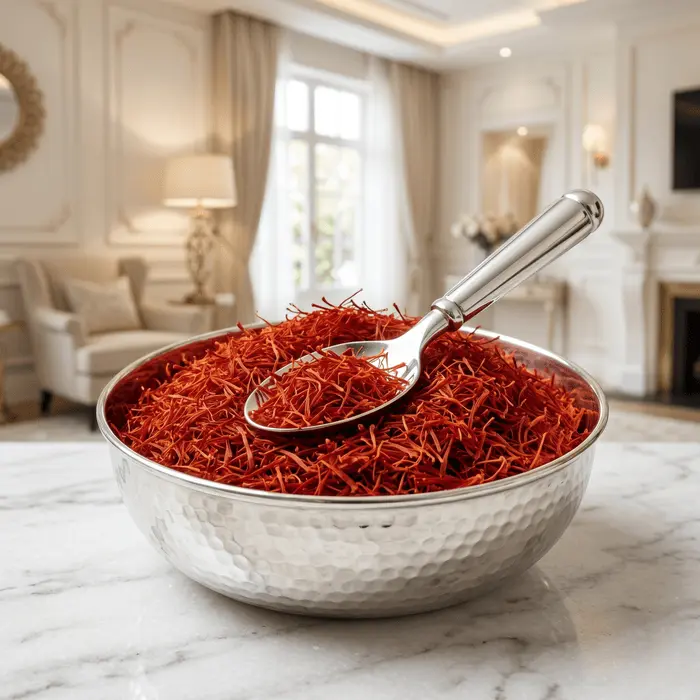
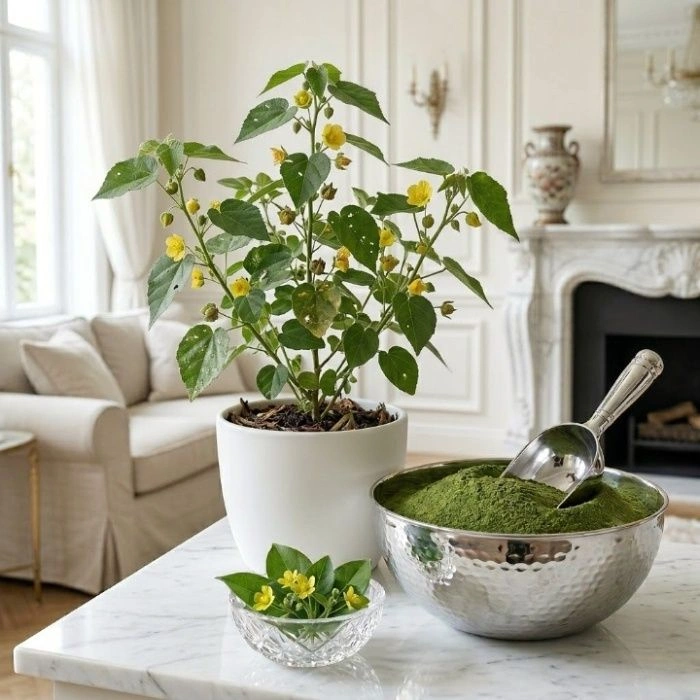
Roselle Powder is a botanical ingredient prepared from carefully selected dried calyces of Hibiscus sabdariffa, a plant belonging to the Malvaceae family. The material is recognized for its deep red to purple colour, naturally tart flavour and presence of naturally occurring anthocyanins, flavonoids, polyphenols and organic acids.
The dried calyces are cleaned, processed and finely ground to produce a botanical powder suitable for commercial formulation. Its distinctive sensory and visual characteristics have created opportunities across food, beverage, herbal, Ayurvedic, nutraceutical, pharmaceutical, cosmetic and personal-care product development.
For international B2B buyers, this India-origin botanical can be considered for commercial manufacturing, bulk ingredient procurement, distribution and customized formulation requirements. Buyers can specify quantity, particle size, packaging, technical parameters and destination-market needs according to their intended application.
Botanical Source and Terminology Used Across Global Markets
The botanical name associated with the product is Hibiscus sabdariffa, while the plant belongs to the Malvaceae family. The commercially processed portion is primarily the dried calyx or flower sepal.
Different countries and industries may use different terminology when sourcing this botanical material. Common commercial search terms include Hibiscus sabdariffa Powder, Hibiscus Powder, Roselle Flower Powder, Dried Roselle Powder, Gudhal Powder, Carcade Powder, Jamaican Sorrel Powder, Roselle Calyx Powder and Roselle Herbal Powder.
Using the scientific name together with the plant part is useful during international procurement because common names can differ between suppliers and markets. A professional purchase specification can therefore identify the botanical as Hibiscus sabdariffa, specify dried calyces as the plant part and mention the required powder characteristics.
The botanical is cultivated in tropical and subtropical regions, including India and other producing areas. Its calyces are commercially relevant sources of anthocyanins, organic acids and other naturally occurring plant compounds.
Physical Profile Relevant to Formulators
The finished material generally presents a deep red, reddish-purple or purple appearance. This characteristic colour is associated with naturally occurring anthocyanin pigments found in the calyces.
The sensory profile is distinctly tart and sour, with a refreshing character. This feature is particularly relevant to beverage and herbal tea developers, where the natural flavour can become part of the finished product profile.
The powder can also demonstrate colour variation according to the pH of the surrounding formulation. This property may be of interest to developers investigating naturally derived colour systems.
For commercial manufacturing, particle size can be an important technical parameter. Fine grinding and sieving allow the finished material to be prepared according to an agreed mesh requirement where applicable.
From Selected Calyces to Finished Botanical Powder
The preparation of the ingredient begins with suitable dried calyces. The raw material undergoes selection and inspection before entering the processing stage.
The general preparation sequence includes selection, cleaning, removal of foreign matter, sorting, grading, controlled drying where required, grinding, sieving and quality inspection. Protective packaging is then used for commercial handling.
- Selection of appropriate calyces
- Cleaning of botanical material
- Removal of foreign matter
- Sorting and grading
- Controlled drying where required
- Grinding into powder
- Sieving for particle-size consistency
- Quality inspection
- Protective commercial packaging
Processing requirements can vary according to the buyer's application. A food manufacturer may require one particle size, while a cosmetic, nutraceutical or herbal-product producer may request another.
Food Manufacturing Opportunities with Roselle
Roselle Powder for Food and Beverage Industry applications cover a wide range of commercial products where botanical flavour, tartness and naturally derived colour are desirable.
Potential applications include herbal tea blends, wellness drinks, fruit beverages, juices, squashes, syrups, jams, jellies, sauces, candies, sweets, bakery preparations, salad dressings and garnishing applications.
Food manufacturers may incorporate the botanical into blended recipes alongside fruit ingredients, herbs, spices or other plant materials. Its natural tartness can contribute to the sensory identity of a finished preparation.
The red-purple colour may also support product concepts seeking a botanical visual profile. However, final colour behaviour depends on formulation conditions and should be evaluated during product development.
Beverage Development Based on Natural Tartness
Roselle has a strong connection with beverage development because of its characteristic tart flavour and natural colour. Traditional preparations of the calyces have been associated with refreshing drinks and herbal infusions.
Commercial beverage concepts can include botanical teas, fruit beverages, wellness drinks, juices, syrups, squashes and powdered beverage formulations.
The ingredient may be used alone or combined with other plant and fruit materials to create a particular flavour profile. The natural red-purple appearance can also contribute to the visual identity of a beverage.
Formulators should evaluate flavour strength, colour response, dispersion or solubility, processing conditions and stability within the complete recipe.
Herbal and Traditional Formulation Opportunities
Roselle Powder for Ayurvedic Products can be considered for botanical blends, traditional herbal preparations, wellness beverages, herbal tea mixtures and other plant-based formulations.
The botanical has a history of traditional use in different regions, while scientific literature has investigated its phytochemical profile and biological properties. The calyces contain anthocyanins, polyphenols and organic acids that have attracted research interest.
Herbal manufacturers can evaluate the powdered botanical as one component of a broader formulation. Potential formats include dry herbal mixtures, tea blends, capsules, tablets and herbal beverage preparations, subject to applicable formulation and regulatory requirements.
Nutraceutical Ingredient Potential
Roselle Powder for Nutraceutical Products is relevant to manufacturers developing botanical supplements, wellness beverages, capsules, tablets and powdered formulations.
The calyces contain several groups of naturally occurring plant constituents, including anthocyanins, flavonoids, organic acids, polyphenols, pectin, polysaccharides and dietary fibre.
Specific compounds associated with the plant include Delphinidin-3-sambubioside, Cyanidin-3-sambubioside, Quercetin, Luteolin and Kaempferol.
Organic acids identified in the botanical include Citric acid, Malic acid, Tartaric acid and Hibiscus acid. Vitamin C and vitamin A are also reported, together with minerals including calcium, potassium, magnesium, iron and phosphorus.
Cosmetic and Personal-Care Product Development
Roselle Powder for Cosmetic and Personal Care applications include botanical face packs, herbal masks, skincare blends, soaps, shampoos and hair-care formulations.
The naturally occurring colour and plant-based composition make the material relevant to manufacturers developing botanical-oriented personal-care products.
It may be incorporated into dry masks, cleansing preparations, herbal blends and other cosmetic concepts. Formulators can assess the material according to particle size, colour, moisture, odour and compatibility with the remaining formulation ingredients.
Because cosmetic formulations can differ significantly in pH and processing conditions, developers should conduct compatibility and stability testing before commercial production.
Natural Red-Purple Colour Characteristics
The intense red-purple appearance is one of the most recognizable characteristics of Roselle calyces. Anthocyanins are naturally occurring pigments associated with this colour.
Their presence has attracted research interest for applications involving plant-derived colour systems. The visible colour of anthocyanin-containing materials can change under different pH conditions.
Temperature, light, oxygen and the surrounding formulation can also influence colour stability. Consequently, food, beverage and cosmetic developers should conduct application-specific testing before selecting the botanical as a primary colour contributor.
Naturally Occurring Compounds in the Botanical Material
Anthocyanin Profile
Delphinidin-3-sambubioside and Cyanidin-3-sambubioside are among the anthocyanins associated with the calyces. These pigments contribute to the characteristic red-purple colour and are widely researched for antioxidant-related properties.
Flavonoid Components
Quercetin, Luteolin and Kaempferol are among the flavonoids identified in the supplied product information. These naturally occurring compounds have attracted scientific interest across food, nutraceutical and botanical research.
Organic Acids and Other Constituents
Citric acid, Malic acid, Tartaric acid and Hibiscus acid contribute to the chemical profile associated with the calyces and their tart sensory character.
Polyphenols, pectin, polysaccharides and dietary fibre are also identified. Vitamins and minerals contribute additional nutritional characteristics.
Traditional Properties and Scientific Research
The botanical is traditionally associated with antioxidant, anti-inflammatory, antimicrobial, antifungal and natural diuretic properties.
Scientific studies have investigated Roselle in relation to antioxidant activity, blood-pressure parameters, lipid metabolism, inflammatory processes, antimicrobial effects, liver-related activity, metabolic parameters and blood-sugar-related areas.
Some clinical research has reported changes in systolic and diastolic blood-pressure measurements, while other research has examined cholesterol and triglyceride parameters. Laboratory and animal investigations have explored additional biological effects.
However, more extensive and long-term human studies are required to fully establish therapeutic applications. Therefore, these findings should be understood as areas of traditional use and scientific investigation rather than guaranteed therapeutic outcomes.
Quality Parameters for International B2B Procurement
A consistent technical specification is important when purchasing botanical powder for commercial manufacturing. Relevant parameters can include:
- Botanical identity
- Plant part
- Appearance
- Colour
- Odour
- Taste
- Moisture
- Particle size
- Mesh
- Foreign matter
- Microbiological parameters
- Heavy metals
- Pesticide residues
- Packaging specifications
The required limits can vary according to the buyer's application and destination market. For recurring international orders, maintaining an agreed specification can support greater consistency between purchasing cycles.
Commercial Bulk Procurement from India
Bulk Roselle Powder is intended for commercial buyers requiring larger quantities for manufacturing, distribution or formulation.
A Roselle Powder Bulk Supplier can discuss requirements such as quantity, particle size, packaging, destination and technical specifications.
For importers and distributors, Roselle Powder Wholesale Supplier arrangements may be suitable when the material is purchased for onward commercial distribution or manufacturing use.
Companies sourcing Wholesale Roselle Powder can provide expected order quantities and packaging preferences during the initial procurement discussion.
International B2B Supply from an India-Based Manufacturer
A Roselle Powder B2B Exporter supports professional buyers who require commercial botanical material rather than consumer retail packs.
The product can be considered by importers, wholesalers, distributors, herbal manufacturers, nutraceutical businesses, food companies, beverage producers, cosmetic manufacturers and private-label organizations.
As a Roselle Powder Manufacturer, the focus is on preparation and supply of botanical material for commercial applications.
A Roselle Powder Supplier can work with buyers who provide specifications related to quantity, application, mesh, packaging and destination.
For businesses looking for a Roselle Powder B2B Manufacturer and Exporter, the procurement process can be organized around product identity, technical requirements, commercial volume and international shipment considerations.
India-Origin Botanical Supply for Overseas Buyers
Roselle Powder India sourcing is relevant to international companies seeking an India-origin botanical ingredient for commercial manufacturing.
For buyers specifically searching for a Roselle Powder Manufacturer in India, the product can be evaluated according to botanical identity, plant part, quality parameters, particle size and packaging requirements.
A Roselle Powder Supplier from India can support overseas procurement where the buyer requires commercial quantities prepared for international shipment.
The India-based export model is focused on international B2B requirements, including bulk purchasing, customized specifications and destination-specific procurement discussions.
Export Requirements for the United States and Europe
For American importers, Roselle Powder Export to USA procurement can be discussed around required quantity, application, packaging, technical specification and documentation.
British businesses can evaluate Roselle Powder Export to UK requirements according to their intended product category and applicable import considerations.
European sourcing can be addressed through Roselle Powder Export to Europe, with specifications established according to the buyer's manufacturing and regulatory needs.
For German importers and manufacturers, Roselle Powder Export to Germany requirements can include product specifications, commercial quantity, packaging and applicable documentation.
Destination-market requirements should be confirmed by the buyer before shipment because import regulations can vary according to application and product classification.
Supply Opportunities for UAE, Australia and South Korea
Middle Eastern importers can discuss Roselle Powder Export to UAE requirements according to commercial volume, packaging, application and documentation.
Australian businesses seeking India-origin botanical material can evaluate Roselle Powder Export to Australia based on their product-development and import requirements.
For Korean buyers, Roselle Powder Export to South Korea can be considered for commercial procurement where the buyer requires suitable technical specifications and export-oriented packing.
Private-Label and OEM Supply Programs
International brands may require botanical ingredients for products sold under their own branding.
Roselle Powder Private Label programs can be considered for businesses developing branded food, beverage, herbal, nutraceutical or cosmetic products.
Companies looking for a Roselle Powder OEM Supplier can communicate requirements such as packaging format, quantity, particle size, labeling and destination.
Customized supply can be discussed according to the buyer's technical and commercial requirements. Any customized specification should be finalized before production.
Export Packaging for Commercial Shipments
Packaging plays an important role in protecting powdered botanical material during transportation and storage.
The material should be protected from moisture, excessive heat, direct sunlight and strong external odours. Airtight packaging can help minimize environmental exposure.
Depending on the order, packaging can be selected according to quantity, transportation conditions, destination and buyer requirements.
Where appropriate, moisture-control solutions, vacuum packaging or nitrogen-flushed packaging may be considered.
Documentation Considerations for Overseas Buyers
International buyers may require technical and quality documentation depending on their destination, application and import process.
Documentation should be considered according to the destination and transaction rather than assuming an identical document package for every international order.
Buyers can communicate their documentation requirements during the enquiry stage so that the commercial supply can be evaluated accordingly.
Storage Conditions for Maintaining Botanical Quality
After receipt, the powder should be stored in an appropriate clean and dry environment.
- Keep the material tightly sealed.
- Protect it from moisture.
- Avoid direct sunlight.
- Keep away from excessive heat.
- Prevent exposure to strong external odours.
- Use clean and dry utensils after opening.
- Maintain appropriate warehouse hygiene.
- Use moisture-control measures where suitable.
Proper storage helps preserve the physical characteristics, colour and sensory profile of the botanical material.
Shelf-Life and Batch Condition Monitoring
The supplied product information gives a general shelf-life range of approximately 12–24 months under suitable storage conditions. After opening, best quality may generally be maintained for approximately 6–12 months depending on packaging, handling and environmental exposure.
Potential deterioration indicators include unusual odour, noticeable discoloration, excessive lumps, mould growth, insect contamination or significant changes in texture.
Shelf-life performance can depend on moisture exposure, packaging quality, temperature, light and warehouse conditions. Buyers should therefore follow the agreed specification and storage recommendations applicable to the particular batch.
Information Required for an International Purchase Enquiry
International buyers can provide several details when requesting commercial supply:
- Required quantity
- Intended application
- Preferred mesh
- Particle-size requirement
- Packaging preference
- Private-label requirement
- Destination country
- Technical specification
- Documentation requirement
- Expected shipment schedule
- Recurring or one-time purchasing requirement
Providing this information at the beginning of the procurement process helps establish a clear understanding of the required botanical material.
Frequently Asked Questions for Global Buyers
What is the botanical name of Roselle?
The botanical name is Hibiscus sabdariffa, belonging to the Malvaceae family.
Which plant part is used?
The material is prepared primarily from dried calyces or flower sepals.
What is the natural colour?
The powder generally ranges from deep red to purple due to naturally occurring plant pigments.
Does the material have a tart flavour?
Yes. The calyces are naturally associated with a sour, tart and refreshing sensory profile.
Can it be used in herbal tea?
Yes. The dried calyces are traditionally used in herbal tea and beverage preparations.
Which industries can use this botanical?
Potential industries include food, beverages, herbal products, nutraceuticals, pharmaceuticals, cosmetics and personal care.
Does it contain anthocyanins?
Yes. The supplied product information identifies anthocyanins including Delphinidin-3-sambubioside and Cyanidin-3-sambubioside.
Is the colour affected by pH?
Yes. The natural colour is pH-dependent, meaning formulation conditions can influence the visible colour.
What should an international buyer specify?
Quantity, application, mesh, packaging, destination and technical requirements are useful details for commercial procurement.
What are the general storage requirements?
The material should be protected from moisture, direct sunlight, excessive heat and strong external odours and kept in suitable airtight packaging.
What is the general shelf-life?
The supplied product information indicates approximately 12–24 months under suitable storage conditions.
Is the botanical associated with health research?
Yes. Research has examined antioxidant activity and several other biological areas, although additional long-term human research is required to establish therapeutic applications.
India-to-Global Procurement of Roselle Botanical Material
Roselle offers a combination of natural colour, tart sensory characteristics and a diverse phytochemical profile that makes the dried calyx powder relevant to multiple commercial formulation categories.
For international B2B buyers, the material can be evaluated for food and beverage manufacturing, herbal and Ayurvedic preparations, nutraceutical formulations, cosmetic development and other plant-based product concepts.
A clear procurement specification covering botanical identity, plant part, particle size, quality parameters, packaging, quantity and destination requirements can help establish an efficient commercial supply process.
India-origin sourcing provides an option for international importers, distributors, wholesalers and manufacturers seeking botanical raw material for commercial use. The botanical can be evaluated for different overseas markets according to the applicable destination requirements.
The botanical should be selected according to the buyer's intended formulation, technical specification and regulatory requirements. For recurring international procurement, consistent specifications, suitable packaging and proper storage remain important considerations throughout the supply chain.






.webp)


.webp)
.webp)
.webp)
.webp)
.webp)
.webp)
.webp)
.webp)
.webp)
.webp)
.webp)
.webp)