.webp)
Arjun Chhal Powder Manufacturer & Global B2B Botanical Supplier from India
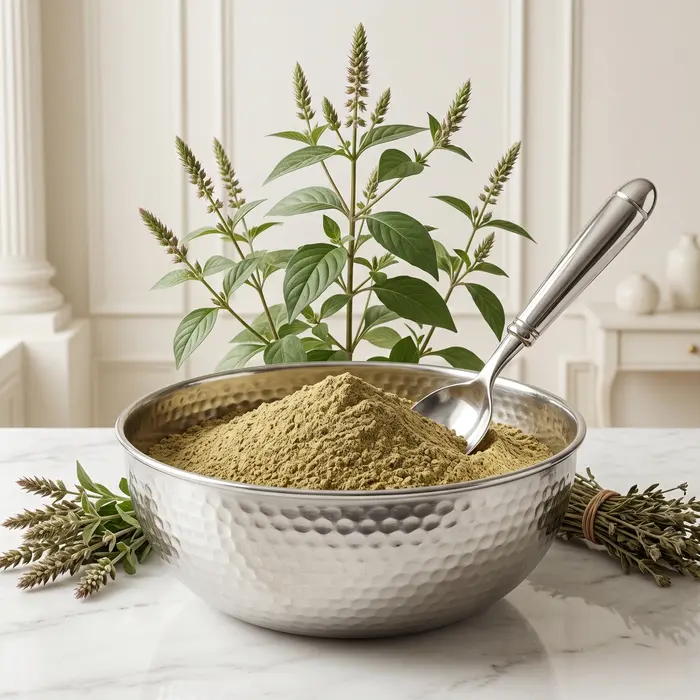
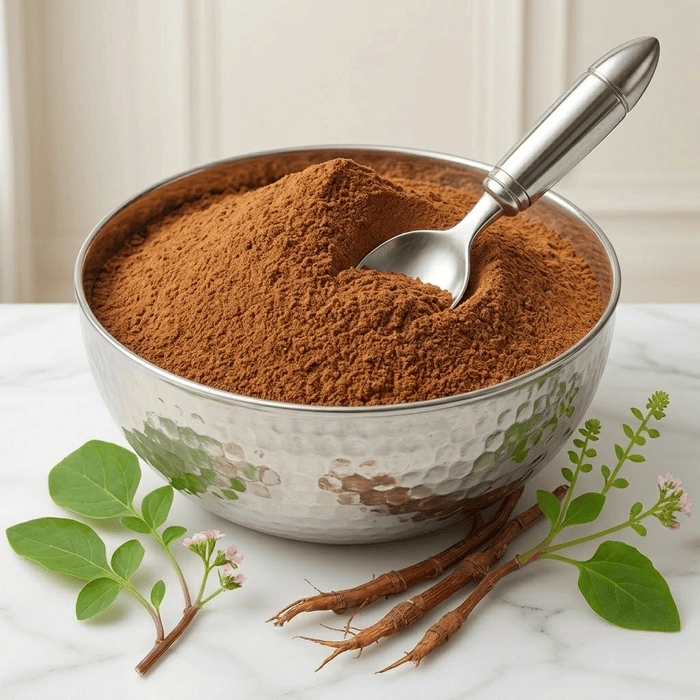
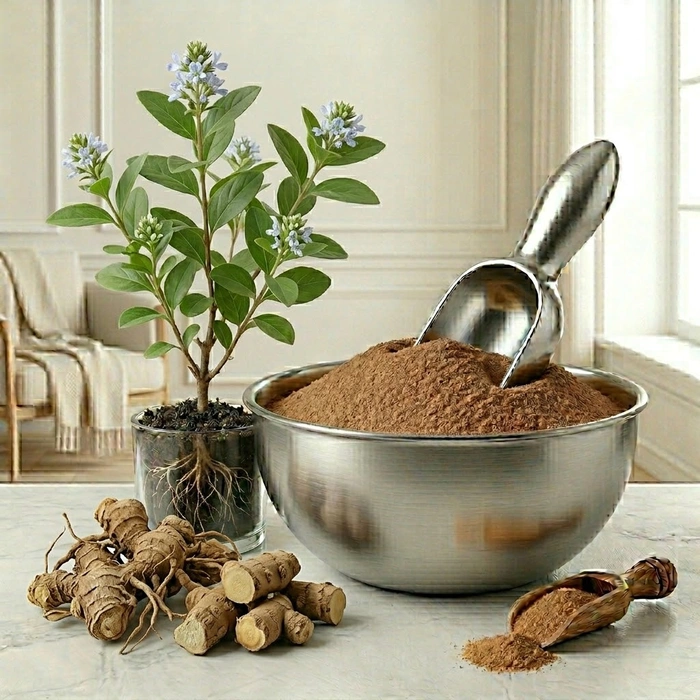
Arjun Chhal Powder is a traditional Indian botanical raw material obtained from the bark of Terminalia arjuna. It belongs to the Combretaceae family and has a long association with traditional Ayurvedic and herbal practices in India. In the international botanical ingredient market, the powdered bark is used by businesses involved in herbal formulations, Ayurvedic preparations, nutraceutical development, wellness products and selected natural personal-care applications.
For overseas procurement, the material can be supplied as a commercial botanical ingredient according to requirements such as quantity, powder grade, particle size, moisture specification, packaging format and destination. This makes it relevant for importers, wholesalers, distributors, formulation companies and manufacturers seeking Indian-origin botanical raw materials for further processing or finished-product development.
The botanical identity of the ingredient is Terminalia arjuna, while the plant part used is bark. Proper identification of species and plant part is important for international buyers because botanical raw materials can vary according to origin, harvesting practices, processing conditions and storage.
Understanding the Indian Bark Botanical
Arjuna Bark Powder is produced from the bark of the Arjuna tree. After suitable raw-material selection, the bark is cleaned, sorted, dried and processed into a powdered form.
International and traditional markets may use several names when referring to this botanical ingredient. The same raw material may appear under traditional, botanical or commercial terminology. These variations can occur according to region, buyer preference and industry usage.
Some commonly encountered terms include Arjun Bark Powder, Arjuna Chhal, Arjuna Bark and Arjun Tree Bark Powder.
For procurement purposes, the scientific identity provides an important reference point. The botanical name is Terminalia arjuna, the family is Combretaceae, and the commercial plant part is bark.
Botanical Specification
| Specification | Information |
|---|---|
| Botanical Name | Terminalia arjuna |
| Family | Combretaceae |
| Plant Part | Bark |
| Product Form | Powder |
| Common Names | Arjun, Arjuna, Arjun Chhal |
| Product Category | Botanical Herb |
Names Used Across International Botanical Markets
Different countries and industries may use different terminology while searching for Terminalia arjuna bark material. The same raw material may therefore appear under traditional, botanical or commercial names.
Some commonly encountered search terms include Terminalia arjuna Powder, Terminalia arjuna Bark Powder, Arjuna Chhal Powder, Arjun Chaal Powder, Arjun Bark Supplier and Arjuna Bark Supplier.
For international B2B sourcing, using the scientific name together with common commercial terminology can help buyers and suppliers establish the correct botanical identity before discussing specifications.
This is especially relevant when importing botanical ingredients because terminology can vary between herbal manufacturers, distributors, traders and formulation companies. A clear product description should always identify the botanical species and plant part.
Traditional Heritage and Modern Ingredient Sourcing
Arjuna bark has been recognized in traditional Indian herbal knowledge for generations. It has historically been incorporated into Ayurvedic preparations and traditional wellness formulations.
Today, manufacturers working with plant-based raw materials may consider this botanical for different formulation categories depending on their product concept and regulatory framework. The powdered format provides a convenient raw material for companies that formulate botanical blends, herbal powders, tablets, capsules and other preparations.
The traditional background of the ingredient is an important part of its commercial identity, but the final application and permitted product claims must be established by the finished-product manufacturer according to the regulations of the target market.
Botanical Composition of Terminalia arjuna Bark
The natural profile of Terminalia arjuna bark has been investigated for various naturally occurring plant compounds. Source material associated with this botanical identifies groups such as tannins, flavonoids, triterpenoids, glycosides and other compounds.
The exact composition of botanical material is not necessarily identical from one batch or source to another. Factors that may influence the natural profile include:
- Geographic origin
- Soil conditions
- Plant age
- Bark collection
- Drying conditions
- Processing method
- Storage environment
For this reason, international buyers requiring consistent commercial raw materials may establish specifications and laboratory-testing parameters before confirming regular supply.
Formulation Opportunities for Herbal Manufacturers
For businesses searching for Ayurvedic Arjun Chhal Powder, the ingredient can serve as a botanical raw material for traditional and herbal product development.
Potential applications include:
- Ayurvedic preparations
- Herbal powders
- Traditional wellness blends
- Botanical mixtures
- Herbal tablets
- Capsules
- Herbal beverages
- Traditional formulations
- Customized herbal preparations
The required particle size can be selected according to the intended manufacturing process. A formulation manufacturer may have different requirements from a distributor or private-label company, which is why product specifications should be discussed before commercial supply.
The final product category, formulation method, permitted claims and recommended use remain the responsibility of the finished-product manufacturer and must comply with destination-market regulations.
Nutraceutical Manufacturing Requirements
Plant-based botanical ingredients are used by nutraceutical companies developing supplements and wellness-oriented formulations. Terminalia arjuna bark powder may be considered as a raw material for suitable botanical product concepts.
Possible product formats include:
- Botanical capsules
- Herbal tablets
- Powdered supplement formulations
- Wellness blends
- Functional botanical preparations
- Botanical drink mixes
- Traditional nutrition products
For international buyers, technical requirements may include powder fineness, moisture limits, packaging specifications, documentation and batch testing.
Manufacturers should determine whether the ingredient is permitted for their intended application in the destination country and ensure that product labelling and claims comply with local regulations.
Herbal Drinks and Botanical Powder Blends
Powdered bark ingredients may also be considered for selected botanical beverage formulations. Botanical Arjun Bark Powder can be evaluated by manufacturers developing herbal drink mixes, traditional botanical beverages and infusion-based concepts.
Potential formulation areas include:
- Herbal beverage blends
- Traditional botanical drinks
- Wellness beverage mixes
- Herbal infusion preparations
- Customized botanical combinations
Particle size can influence handling and incorporation into a formulation. Therefore, beverage manufacturers should communicate their technical requirements clearly when discussing commercial procurement.
The suitability of the material for a particular beverage depends on the recipe, processing conditions and regulatory requirements applicable to the finished product.
Natural Personal-Care Formulation Potential
Botanical bark powders are also considered by some manufacturers developing herbal and natural personal-care products. Depending on the formulation, the ingredient may be incorporated into products such as:
- Herbal face packs
- Botanical masks
- Natural skincare blends
- Herbal cleansing preparations
- Botanical soaps
- Traditional personal-care formulations
For cosmetic manufacturers, raw-material selection is only one part of product development. The finished formulation should be evaluated for safety, stability, compatibility and compliance with the regulations of the intended market.
Manufacturing Route for Consistent Powder
The preparation of a commercial botanical powder requires controlled handling from raw-bark selection through final packaging.
A typical processing sequence includes:
- Selection of suitable Terminalia arjuna bark
- Cleaning and removal of unwanted material
- Sorting and grading
- Controlled drying
- Grinding
- Sieving
- Metal detection
- Laboratory quality evaluation
- Final packing
Processing parameters can be adjusted according to the required specification and buyer application. Proper handling at each stage helps establish a consistent raw-material profile for commercial procurement.
Quality Checks for Export-Oriented Batches
International B2B procurement generally requires more than visual inspection. Buyers may establish a technical specification covering botanical identity, physical characteristics and safety parameters.
Typical areas of evaluation include:
- Botanical identity
- Plant part
- Appearance
- Colour
- Odour
- Moisture
- Particle size
- Foreign matter
- Microbiological parameters
- Heavy metals
- Pesticide residues
These specifications provide a framework for evaluating whether a botanical raw material is suitable for a particular manufacturing application. Purity, moisture, foreign matter, microbiological parameters, heavy metals and pesticide residues can be included in quality evaluation according to the applicable specification.
Bulk Purchasing for Global Manufacturers
Bulk Arjun Chhal Powder is intended for commercial buyers requiring larger quantities of botanical raw material rather than retail-sized purchasing.
Potential buyers include:
- Herbal product manufacturers
- Ayurvedic companies
- Nutraceutical brands
- Botanical distributors
- Importers
- Wholesalers
- Private-label businesses
- Formulation companies
Before ordering, buyers can provide their expected quantity, application, desired powder grade, mesh requirement, packaging preference, destination and documentation needs.
Wholesale Distribution and Import Sourcing
Companies searching for Arjun Chhal Powder Wholesale Supplier services may require material for further distribution, manufacturing or international resale.
Wholesale procurement can involve different specifications depending on the buyer's business model. Important parameters may include order quantity, powder grade, mesh size, packaging format, destination and required documentation.
For recurring international procurement, buyers may also establish consistent technical specifications for future batches.
Indian Origin for International B2B Procurement
The term Arjun Chhal Powder B2B Supplier is particularly relevant to importers and manufacturers searching for commercial botanical sourcing rather than consumer retail products.
An India-based supply chain can provide access to traditional Indian botanical raw materials for international businesses developing herbal, Ayurvedic and plant-based product lines.
Commercial procurement can be structured around bulk quantities, product specifications, packaging requirements and destination-market documentation. This approach is suitable for businesses that require botanical raw material for further manufacturing or distribution.
Direct Indian Manufacturing for Overseas Buyers
Choosing an Arjun Chhal Powder Manufacturer in India can help overseas businesses source Indian-origin botanical raw materials for commercial applications.
Manufacturing and supply requirements may include responsible raw-material sourcing, controlled processing, quality evaluation, bulk quantities, customized specifications and export-oriented packaging.
For buyers, direct communication of technical requirements is important because different applications may require different powder grades, packaging formats and documentation.
International Market Supply from India
The phrase Arjun Chhal Powder Exporter from India represents the international supply side of this botanical ingredient. Export-oriented procurement may involve importers, distributors, wholesalers, herbal manufacturers and private-label businesses.
The international markets covered for this supply include the USA, UK, Europe, Germany, UAE, Australia and South Korea. Each destination may have different import, labelling, documentation and product-use requirements.
United States Import Requirements
Businesses researching Arjun Chhal Powder Export to USA can discuss commercial quantity, product grade, packaging, documentation and intended application before confirming an order.
For herbal and nutraceutical applications, the finished product must comply with applicable requirements in the United States. Buyers may therefore request technical documentation and product information appropriate to their manufacturing process.
The powdered botanical can be evaluated as a raw material for suitable herbal, Ayurvedic and nutraceutical applications rather than being positioned around unsupported therapeutic claims.
UK and European Procurement
Companies seeking Arjun Chhal Powder Export to UK may require defined specifications covering quantity, mesh, packaging, quality parameters and documentation.
For Arjun Chhal Powder Export to Europe, buyers can communicate their intended use, order volume and technical requirements before commercial confirmation.
Businesses considering Arjun Chhal Powder Export to Germany may likewise require clear product specifications and destination-specific documentation.
European procurement can involve detailed technical expectations, making early agreement on quality parameters and packaging important for efficient commercial sourcing.
UAE, Australia and South Korea Supply
International buyers in the Middle East and Asia-Pacific markets may have their own specifications for botanical raw materials.
For Arjun Chhal Powder Export to UAE, buyers can communicate quantity, packaging, application and required documents according to their importing process.
Businesses evaluating Arjun Chhal Powder Export to Australia can define destination-specific technical and documentation requirements before placing a commercial order.
Similarly, companies seeking Arjun Chhal Powder Export to South Korea can provide their desired product specification, quantity and packaging requirements for evaluation.
Bulk export requirements for these markets can be discussed according to buyer application, order volume and destination requirements.
Customized Branding and OEM Development
Businesses developing their own botanical product ranges may require customized supply arrangements. Arjun Chhal Powder Private Label projects can involve bulk raw material combined with customized packaging or project-specific specifications.
Possible requirements include:
- Bulk botanical raw material
- Customized packaging
- Defined mesh size
- Product specifications
- Export-ready packing
- Long-term supply arrangements
An Arjun Chhal Powder OEM Supplier can be relevant for companies developing their own branded herbal or botanical formulations.
Private-label and OEM projects should be finalized according to the finished product, labelling requirements and regulations applicable in the target country.
Packaging for International Transportation
Powdered botanical ingredients require appropriate packaging to protect the material during transportation and storage.
Packaging requirements can be determined by:
- Order volume
- Shipping method
- Destination country
- Storage conditions
- Buyer specifications
For international orders, documentation may include COA, MSDS, TDS, Certificate of Origin or Phytosanitary Certificate depending on the product, transaction and destination requirements.
Storage Practices After Import
After receiving the material, appropriate storage is important for maintaining its physical and botanical quality.
Commercial storage should involve a clean, dry and properly sealed environment. The powder should be protected from excessive moisture, direct sunlight and high temperatures.
- Keep the package tightly closed.
- Avoid humid surroundings.
- Protect from direct sunlight.
- Use clean handling equipment.
- Prevent contact with water.
- Keep away from strong odours.
- Protect against contaminants.
Storage conditions can influence the quality of botanical powders during their intended storage period.
Shelf-Life Considerations for Commercial Buyers
The shelf life of Terminalia arjuna bark powder depends on several factors, including raw-material quality, processing conditions, packaging and storage environment.
For commercial procurement, buyers should follow the shelf-life information and storage recommendations supplied for the relevant batch.
Proper sealing, controlled storage conditions and protection from moisture and contamination can help maintain the product's quality during the stated storage period.
Procurement Information for Overseas Buyers
Businesses looking to source Indian Arjun Bark Powder for manufacturing or distribution should provide clear purchasing information at the beginning of the enquiry.
Useful details include:
- Required quantity
- Intended application
- Desired mesh
- Packaging preference
- Destination country
- Documentation requirements
- Private-label requirements, if applicable
- Sample requirement, if applicable
Providing these details allows the product specification to be evaluated according to the buyer's commercial project.
Frequently Asked Questions About the Botanical
What is the botanical identity?
The botanical identity is Terminalia arjuna, belonging to the Combretaceae family.
Which plant part is processed?
The product is prepared from the bark of Terminalia arjuna.
What names can buyers use when searching for this botanical?
The material may be referred to as Arjun, Arjuna, Arjun Chhal, Arjuna Chhal, Arjun Bark and Arjuna Bark.
Who can purchase this botanical ingredient?
Typical commercial buyers include herbal manufacturers, Ayurvedic companies, nutraceutical businesses, botanical distributors, importers, wholesalers and private-label brands.
Can technical specifications be customized?
Requirements such as mesh size, moisture specifications and export packaging can be discussed according to the buyer's project.
Can samples be requested?
Samples can be requested for evaluation of the botanical material before commercial procurement, subject to the applicable supply process.
India-Origin Botanical Ingredient for International Trade
Arjun Chhal Powder India sourcing is relevant to overseas businesses looking for an Indian botanical raw material for further manufacturing, formulation or distribution. The ingredient combines a clearly defined botanical identity with a traditional Indian background and a powdered commercial format.
Its potential use across herbal, Ayurvedic, nutraceutical, wellness, beverage and selected personal-care formulations makes it suitable for different B2B development projects, subject to formulation suitability and destination-market regulations.
For international buyers, the sourcing process can be based on clearly defined quantity, powder specification, mesh, moisture, packaging, quality parameters and documentation. This creates a practical framework for procurement from India while allowing the finished-product manufacturer to determine the appropriate application.
The product is positioned as an Arjun Chhal Powder Manufacturer supply category for international B2B sourcing, with emphasis on bulk procurement, technical specifications and export-oriented supply rather than retail consumption.







.webp)



.webp)
.webp)
.webp)
.webp)
.webp)
.webp)
.webp)
.webp)
.webp)
.webp)
.webp)
.webp)