Punarnava Roots Powder Manufacturer & Global B2B Exporter from India
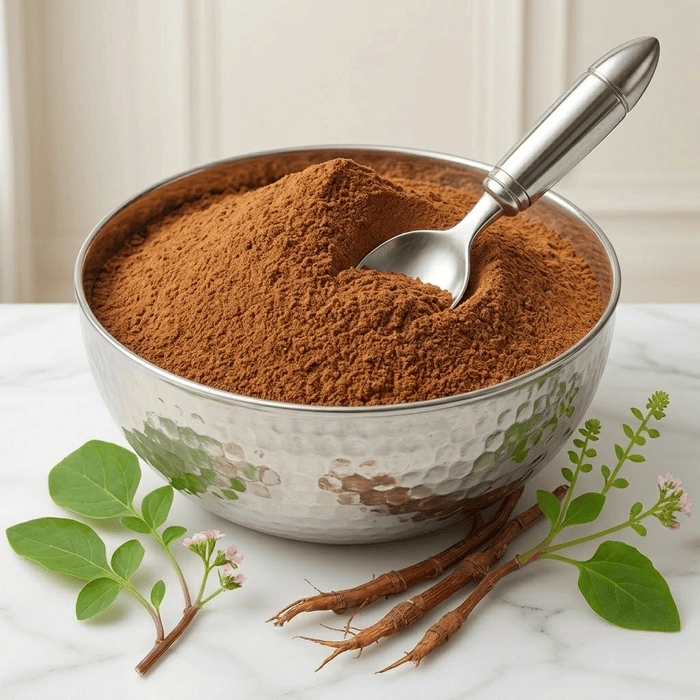
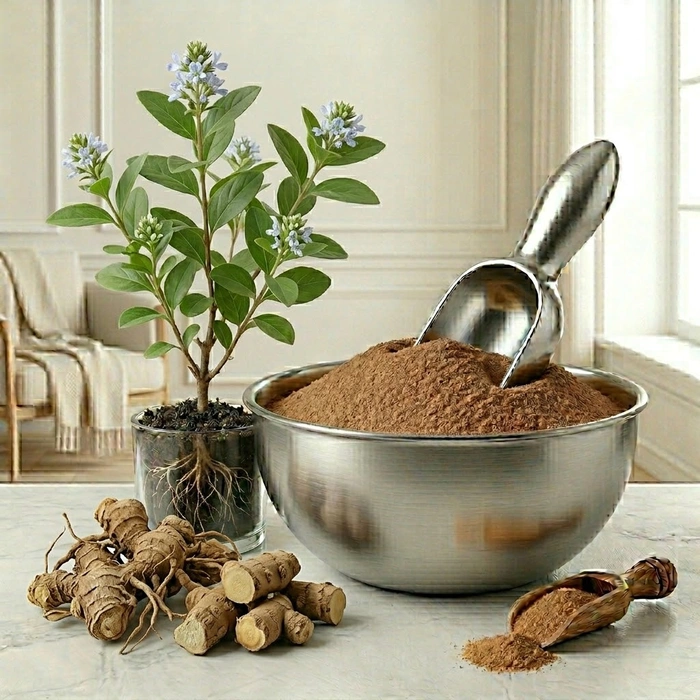
Vardhman Nutrition Co. is an India-based Punarnava Roots Powder Manufacturer, Supplier and Global B2B Exporter supplying India-origin botanical raw materials to international businesses. Prepared from the dried roots of Boerhavia diffusa L., this botanical ingredient is associated with the traditional herbal systems of India and is suitable for commercial product-development requirements.
Punarnava Roots Powder is relevant to Ayurvedic manufacturers, herbal-product companies, nutraceutical businesses, botanical ingredient traders, wholesalers, distributors, private-label organizations and international importers seeking plant-based raw materials from India.
Our supply model is focused on international B2B procurement, commercial quantities and export-oriented requirements. Buyers can discuss botanical specifications, particle characteristics, packaging, documentation and destination-market requirements before placing an order.
The Regenerating Indian Herb Behind the Product
Punarnava is a perennial herb traditionally associated with Indian herbal knowledge. The name is linked with the idea of renewal, reflecting the plant's ability to regenerate under suitable environmental conditions.
The root is an important botanical part used in traditional preparations. Once appropriately collected, cleaned and dried, the root can be processed into a convenient powdered ingredient for herbal and botanical product development.
For international procurement, authentic plant identification is particularly important because common names may sometimes be used for different botanical materials. The supplied product is identified with Boerhavia diffusa L. and its root material.
Botanical Credentials for Commercial Identification
The botanical identity provides an important reference point for importers and manufacturers purchasing this material.
- Botanical Name: Boerhavia diffusa L.
- Family: Nyctaginaceae
- Common Name: Punarnava
- Product Form: Root Powder
- Plant Part: Root
- Botanical Origin: India
- Ingredient Category: Botanical Herbal Raw Material
Boerhavia diffusa is associated with tropical and subtropical regions and has been documented in botanical and scientific literature. Research has examined its morphology, phytochemical composition, traditional significance and authentication.
For B2B purchasing, specifying the botanical name and plant part helps buyers establish a clearer raw-material specification.
Why the Root Is Used as the Commercial Plant Part
Punarnava root develops below the soil and forms an important raw material for traditional herbal preparations. Botanical studies have examined its morphological, anatomical and physicochemical characteristics, making proper identification relevant to quality evaluation.
After drying, the root can be reduced into powder. This format provides manufacturers with a practical ingredient for blending, formulation and further processing.
Compared with whole dried root pieces, powdered material can be easier to incorporate into commercial manufacturing processes where a defined particle form is required.
Physical Character of the Powdered Root
The finished material naturally reflects the characteristics of the original Punarnava root. Colour, aroma, particle size and other physical attributes may vary according to raw-material origin, maturity, drying conditions, grinding and storage.
Commercial buyers may consider the following characteristics when preparing a specification:
- Natural colour
- Characteristic botanical aroma
- Fine or defined particle size
- Powder consistency
- Moisture condition
- Foreign-matter control
- Cleanliness
- Botanical authenticity
- Microbiological quality
- Batch-to-batch consistency
The exact physical specification can be established according to the buyer's intended application.
Phytochemical Spectrum Found in Boerhavia Roots
The root of Boerhavia diffusa contains several naturally occurring phytochemical groups that have attracted scientific and botanical interest.
Reported compounds and constituent groups include alkaloids, rotenoids, flavonoids, sterols, glycosides, phenolic compounds, tannins, triterpenoids, polyphenols, proteins, carbohydrates, amino acids and natural resins.
The root is associated with compounds such as Punarnavine and Boerhavine among the alkaloids. Boeravinone A, B, C, D, E and F represent compounds from the rotenoid group.
Flavonoids reported in the supplied material include Quercetin and Kaempferol. Beta-Sitosterol and Stigmasterol are among the associated sterols, while Punarnavoside is a reported glycoside.
Gallic Acid and Chlorogenic Acid are among the phenolic compounds identified in the supplied information.
Mineral elements associated with the root include:
- Potassium
- Calcium
- Magnesium
- Phosphorus
- Iron
Natural constituent levels can vary according to botanical origin, growing conditions, maturity, collection, drying and processing.
Traditional Ayurvedic Context of Punarnava
Punarnava has an established position in traditional Indian herbal practice. Traditional literature associates the plant with several formulation concepts, while the root has been used as a botanical ingredient in various preparations.
The supplied information describes traditional associations with fluid balance, urinary wellness, liver wellness, digestion, respiratory comfort, joint-related wellness and general rejuvenation.
These traditional associations should not be interpreted as guaranteed therapeutic effects. Modern product manufacturers should evaluate the ingredient according to their formulation objectives, scientific requirements and regulations in the destination market.
Ayurvedic Characteristics Used in Traditional Formulation
Traditional Ayurvedic descriptions associate Punarnava with a combination of taste and formulation characteristics.
The supplied source identifies:
- Rasa: Bitter, Astringent and Sweet
- Guna: Light and Dry
- Virya: Hot
- Vipaka: Sweet
- Traditional Dosha Association: Primarily Kapha and Vata balancing
These traditional classifications can be relevant to manufacturers developing products based on Ayurvedic formulation concepts.
Herbal Formulation Development with Punarnava
Herbal manufacturers can evaluate this botanical root ingredient for suitable traditional and plant-based formulations.
Potential areas include herbal powders, botanical blends, traditional preparations and other wellness-oriented products. Manufacturers may combine the material with other suitable botanical ingredients according to their formulation design.
The final formulation, permitted claims and dosage presentation remain the responsibility of the finished-product manufacturer and must comply with applicable market requirements.
Ayurvedic Product Manufacturing Potential
The long-standing traditional association of Boerhavia diffusa makes its root relevant to Ayurvedic product-development programs.
Manufacturers may evaluate the raw material for appropriate traditional formulations, including classical Ayurvedic preparations where the botanical is specified as an ingredient.
The supplied source references formulations such as Punarnavashtak Kwath, Punarnava Mandur and Chandraprabha Vati in the traditional context. Commercial use should always follow the applicable formulation standards and regulatory requirements.
Nutraceutical and Wellness Product Opportunities
Nutraceutical companies seeking Indian botanical ingredients may consider the powdered root for suitable plant-based product concepts.
Possible development categories include:
- Botanical wellness blends
- Herbal supplement concepts
- Plant-based powdered formulations
- Traditional wellness products
- Botanical beverage concepts
- Functional herbal preparations
- Research-oriented formulations
For international nutraceutical businesses, regulatory status, permitted claims, ingredient classification and labelling requirements should be verified for the destination country.
Botanical Beverage and Herbal Tea Concepts
Punarnava can also be considered by businesses developing herbal beverages and botanical tea products.
The powdered form may be evaluated for suitable blends where the manufacturer requires an India-origin root ingredient. Particle characteristics and formulation compatibility should be assessed according to the beverage or tea manufacturing process.
Cosmetic and Personal-Care Formulation Potential
Plant-derived botanical powders can also be considered in selected personal-care development programs. Punarnava root material may be evaluated by cosmetic and personal-care manufacturers for suitable botanical formulations.
Application-specific compatibility testing is important because natural powders can influence texture, colour, stability and other characteristics of a finished formulation.
Traditional Wellness and Rejuvenation Applications
Punarnava is traditionally described as a rejuvenative botanical and is associated with Rasayana concepts in Ayurveda.
The supplied material also describes traditional associations with vitality, general wellness, digestion, respiratory comfort and healthy fluid balance.
For SEO and responsible commercial communication, these should be presented as traditional-use contexts rather than claims that the ingredient treats or cures a particular disease.
Scientific Research on Boerhavia diffusa
Scientific interest in Boerhavia diffusa includes its phytochemical profile, botanical authentication and biological properties.
Research has investigated areas associated with the plant's traditional reputation, including diuretic activity, antioxidant activity, inflammatory response, liver-related research, kidney-related research, antimicrobial activity and immune-related research.
Some laboratory and preliminary studies have also examined specific compounds and extracts for additional biological effects.
However, evidence from laboratory studies, animal studies or traditional use should not automatically be interpreted as proof of clinical effectiveness in humans. Commercial product claims should therefore be developed according to appropriate evidence and applicable regulations.
Commercial Processing Route for Punarnava Root Powder
A controlled processing approach helps convert dried botanical root material into a practical commercial ingredient.
A general production sequence may involve:
- Selection of appropriate root material
- Botanical identification
- Cleaning
- Removal of unwanted foreign material
- Controlled drying
- Inspection
- Size reduction
- Grinding
- Sieving
- Quality evaluation
- Suitable packaging
Processing parameters may be adapted according to the required particle characteristics and buyer specifications.
Authentication Matters When Buying Punarnava
Correct botanical identification is especially important for international buyers because the common name Punarnava may be associated with different botanical materials in commercial trade.
The supplied source highlights the importance of distinguishing genuine Boerhavia diffusa roots from substitute or adulterant materials.
For this reason, buyers should clearly specify:
- Boerhavia diffusa L.
- Root as the required plant part
- Desired product form
- Physical specifications
- Quality requirements
- Documentation requirements
This creates a clearer procurement specification for the importing business.
Quality Parameters for International Importers
Commercial buyers may evaluate the material according to several quality parameters.
These can include botanical identity, appearance, colour, aroma, moisture, particle size, foreign matter and microbiological quality.
Depending on the destination and intended application, buyers may also request additional testing or documentation.
Batch specifications should be agreed before commercial supply where a particular analytical profile is required.
Punarnava Roots Powder Manufacturer in India for Overseas Buyers
Vardhman Nutrition Co. operates as a Punarnava Roots Powder Manufacturer in India with an international B2B supply focus.
Our approach covers suitable raw-material selection, botanical identification, cleaning, drying, grinding, sieving, quality inspection and commercial packaging.
The product is intended for international businesses purchasing botanical raw materials for manufacturing and further processing rather than domestic retail requirements.
Bulk Punarnava Root Powder Supplier for Commercial Procurement
As a Bulk Punarnava Root Powder Supplier, Vardhman Nutrition Co. supports commercial procurement requirements from international businesses.
Buyers can enquire about quantities suitable for manufacturing, formulation, distribution or further botanical processing.
Commercial enquiries can include required volume, particle specification, intended application, packaging preference and destination country.
Wholesale Punarnava Herbal Powder Supply from India
Businesses searching for a Punarnava Herbal Powder Supplier can discuss wholesale procurement with our export team.
Wholesale requirements may come from importers, botanical distributors, herbal manufacturers, Ayurvedic businesses, nutraceutical companies, private-label organizations and raw-material traders.
Product specifications should be agreed according to the buyer's application before shipment.
Punarnava Botanical Ingredient for B2B Businesses
The ingredient can be relevant to companies searching for a Punarnava Botanical Ingredient Supplier for commercial product development.
Potential B2B customers include:
- Herbal product manufacturers
- Ayurvedic formulation companies
- Nutraceutical manufacturers
- Botanical ingredient traders
- Herbal tea businesses
- Wellness-product companies
- Cosmetic manufacturers
- Private-label organizations
- International importers
- Wholesale distributors
Punarnava Roots Powder Exporter from India
Vardhman Nutrition Co. serves as a Punarnava Roots Powder Exporter from India, supplying India-origin botanical material to international B2B customers.
Our export-oriented approach supports businesses looking for Indian botanical raw materials for commercial manufacturing and distribution.
Destination-market requirements may differ according to product classification, intended use, labelling, import regulations and documentation.
Punarnava Roots Powder Export to USA from India
Companies planning Punarnava Roots Powder Export to USA can enquire about commercial India-origin supply.
US importers may specify quantity, packaging, intended use, quality testing and documentation requirements. The importer should verify all applicable US requirements for the intended application.
Punarnava Roots Powder Export to UK and Europe
Businesses searching for Punarnava Roots Powder Export to UK or Punarnava Roots Powder Export to Europe can discuss international procurement from India.
European buyers may require product documentation, testing information and application-specific compliance details. Requirements should be confirmed before shipment.
Punarnava Roots Powder Export to Germany
For companies seeking Punarnava Roots Powder Export to Germany, Vardhman Nutrition Co. can discuss commercial supply according to the buyer's technical specification.
German and European requirements can vary depending on the intended application, so importers should communicate their requirements during procurement.
Punarnava Roots Powder Export to UAE
Businesses looking for Punarnava Roots Powder Export to UAE can enquire about India-origin commercial supply.
Packaging, documentation, quantity and intended application can be discussed before finalizing the export order.
Punarnava Roots Powder Export to Australia
Companies requiring Punarnava Roots Powder Export to Australia can approach Vardhman Nutrition Co. for commercial sourcing discussions.
Australian buyers can provide destination information, application, quantity and documentation requirements so that the appropriate export specification can be prepared.
Punarnava Roots Powder Export to South Korea
International businesses searching for Punarnava Roots Powder Export to South Korea can discuss India-origin supply for suitable botanical applications.
The buyer should provide destination-specific import and documentation requirements before commercial shipment.
Private-Label Punarnava Root Ingredient Supply
Private-label manufacturers can evaluate the ingredient for suitable botanical product ranges.
Customized procurement discussions may cover:
- Bulk quantity
- Packaging
- Labelling
- Particle size
- Product specification
- Destination
- Documentation
- Intended application
Private-label requirements should be finalized before order confirmation.
Export Packaging and Product Protection
Suitable packaging is important for maintaining powdered botanical material during international transportation.
Packaging should provide appropriate protection from moisture, contamination and unsuitable environmental exposure.
International buyers can discuss packaging formats according to order quantity, storage conditions, transportation requirements and destination.
Storage Practices for Maintaining Product Quality
The powdered root should be kept in a clean, dry and protected environment.
Recommended practices include:
- Store in properly sealed packaging.
- Protect from moisture.
- Avoid direct sunlight.
- Keep away from excessive heat.
- Maintain a clean storage area.
- Protect from contamination.
- Keep away from strong odours.
- Reseal opened packaging properly.
These practices help maintain the physical quality of dried botanical powder during storage.
Shelf-Life Expectations for the Dried Root Powder
Based on the supplied product information, the general shelf-life indication for Punarnava Roots Powder is approximately 18–24 months under suitable storage conditions.
The material should be protected from humidity, excessive heat and direct sunlight. After opening, careful handling and proper resealing are important.
The product should not be used if significant moisture, clumping, mould, unusual odour or abnormal colour changes develop.
India-Origin Botanical Supply for Global Procurement
India has a long-established ecosystem for herbal and botanical raw materials. Traditional knowledge, botanical resources and processing capabilities contribute to the country's role in international plant-based ingredient sourcing.
For overseas businesses, an India-origin supplier can provide access to botanical raw materials for applicable herbal, Ayurvedic, nutraceutical and wellness product-development programs.
Vardhman Nutrition Co. focuses on international B2B requirements and commercial botanical supply from India.
What International Buyers Should Mention in an Enquiry
To receive a more precise commercial response, overseas buyers can provide:
- Required botanical ingredient
- Botanical name
- Plant part
- Required quantity
- Particle-size requirement
- Intended application
- Packaging preference
- Destination country
- Testing requirements
- Documentation requirements
- Private-label requirements, if applicable
Clear specifications help align the product with the buyer's manufacturing and import requirements.
Buy Punarnava Roots Powder in Bulk from India
Businesses searching for Buy Punarnava Roots Powder in Bulk can contact Vardhman Nutrition Co. for international commercial sourcing.
We support enquiries from importers, wholesalers, distributors, Ayurvedic manufacturers, herbal companies, nutraceutical businesses, botanical traders and private-label organizations.
Share your required quantity, destination, application and specifications with our export team to discuss suitable B2B supply arrangements.
Frequently Asked Questions About Punarnava
What is Punarnava Roots Powder?
It is a powdered botanical ingredient prepared from dried roots of Boerhavia diffusa L., belonging to the Nyctaginaceae family.
What is the botanical name of Punarnava?
The botanical name specified for the product is Boerhavia diffusa L.
Which part of the plant is used?
The product is prepared from the root of Boerhavia diffusa.
Is the material available for bulk procurement?
Yes. Commercial quantities can be discussed with Vardhman Nutrition Co. according to buyer requirements.
Who can purchase the product?
International importers, wholesalers, distributors, Ayurvedic manufacturers, herbal businesses, nutraceutical companies, botanical traders and private-label organizations can enquire according to their application.
Does Vardhman Nutrition Co. export Punarnava from India?
Yes. The company focuses on global B2B botanical ingredient supply from India.
Can private-label businesses enquire?
Yes. Private-label requirements involving packaging, quantity, labelling and product specifications can be discussed.
What is the general shelf life?
The supplied information indicates approximately 18–24 months under suitable storage conditions.
Contact Vardhman Nutrition Co. for International Supply
International importers, herbal manufacturers, Ayurvedic businesses, nutraceutical companies, botanical distributors and private-label organizations looking for an Indian Punarnava Root Powder Manufacturer and Exporter can contact Vardhman Nutrition Co. with their commercial requirements.
Please provide your required quantity, destination country, intended application, packaging preference and quality specifications for a detailed B2B sourcing discussion.
Vardhman Nutrition Co.
Manufacturer & Global B2B Exporter of Botanical Herbs from India
Bulk Botanical Ingredients Supply Worldwide
Product Information Disclaimer
The information presented on this page is intended for general botanical, product and commercial reference. Traditional uses and scientific research should not be interpreted as medical advice or as a guarantee that the ingredient can diagnose, treat, cure or prevent any disease. Finished-product manufacturers and importers are responsible for evaluating suitability, regulatory compliance, labelling, permitted claims and applicable requirements in their respective markets.


.webp)


.webp)
.webp)
.webp)
.webp)
.webp)
.webp)
.webp)
.webp)
.webp)
.webp)
.webp)
.webp)
.webp)