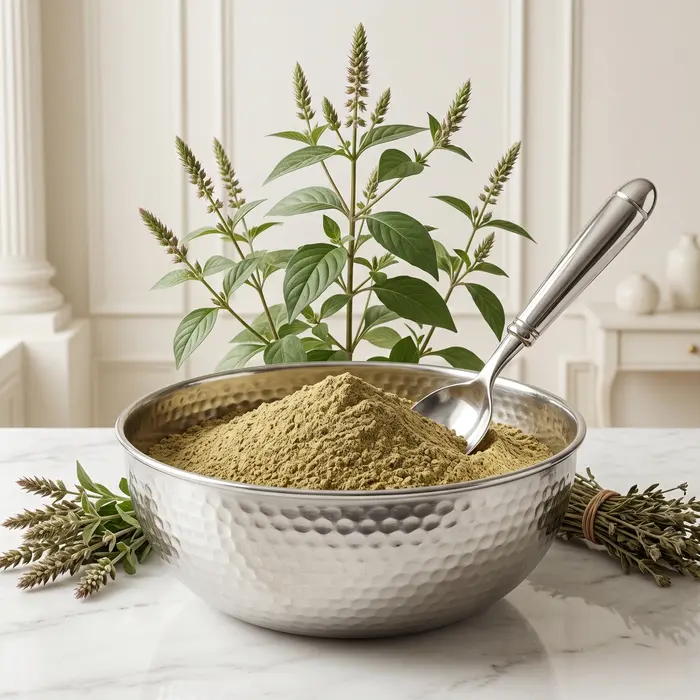
Ashwagandha Root Powder
A Traditional Indian Root Botanical for Modern Formulations
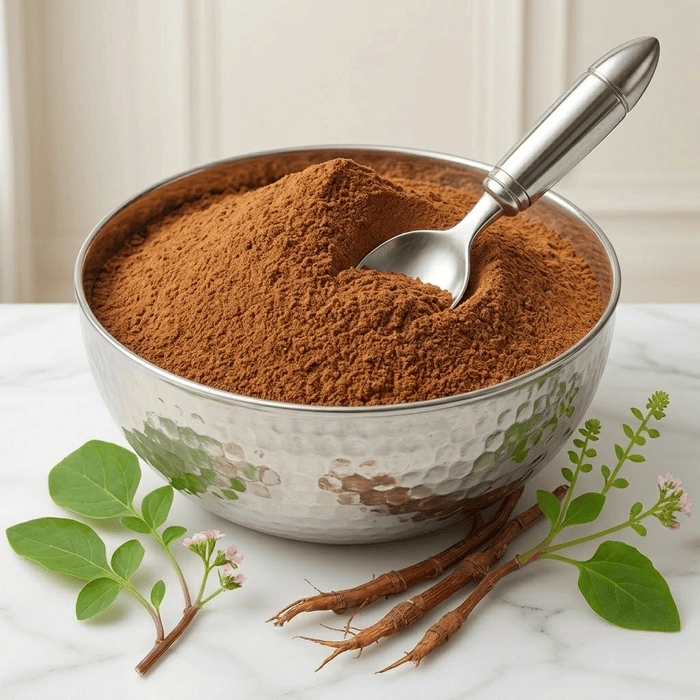
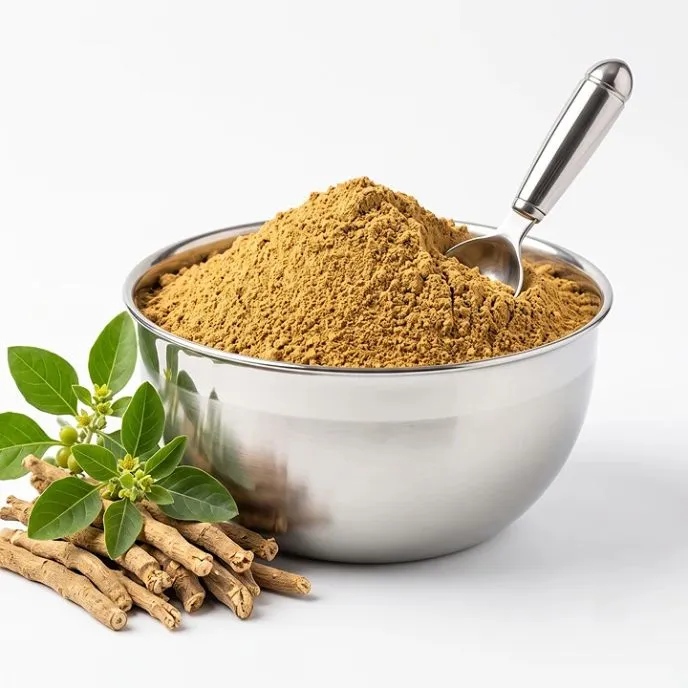
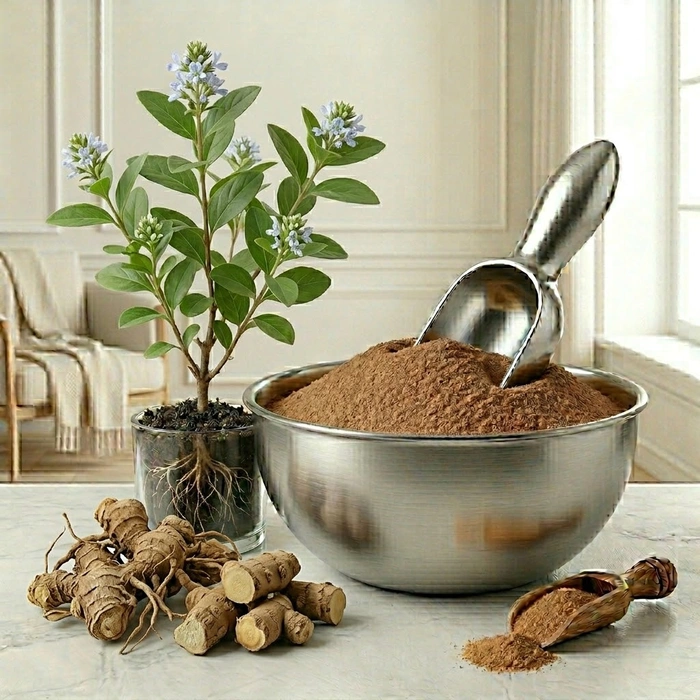
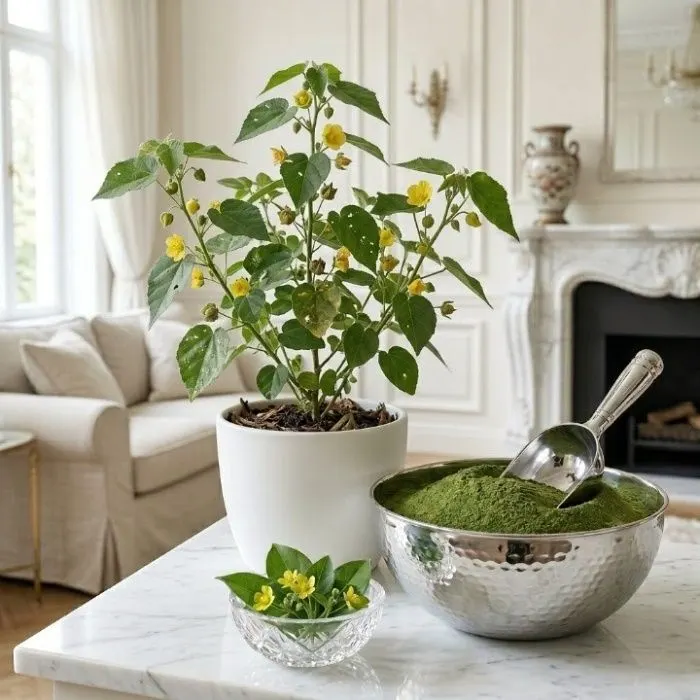
Ashwagandha Root Powder is a plant-based botanical ingredient obtained from the roots of Withania somnifera, a well-known herb associated with Ayurveda and traditional Indian herbal practices. Also known as Indian Ginseng and Winter Cherry, Ashwagandha has become an internationally recognised botanical raw material for herbal, Ayurvedic, nutraceutical, dietary supplement and wellness-oriented product development.
The roots are carefully processed through suitable cleaning, drying and grinding procedures to obtain a convenient powdered form. This makes the botanical easier to handle, formulate, package and transport for commercial applications.
Vardhman Nutrition Co. is an India-based Ashwagandha Root Powder Manufacturer, Supplier and Global B2B Exporter, supplying botanical ingredients to international businesses requiring bulk quantities. Our commercial supply model is intended for importers, distributors, wholesalers, Ayurvedic manufacturers, herbal product companies, nutraceutical businesses, supplement brands, pharmaceutical-related businesses and private-label product developers.
Buyers can discuss quantity, particle characteristics, packaging, documentation and buyer-specific requirements before finalising a commercial supply arrangement.
Understanding the Botanical Source of Ashwagandha
The botanical identity of Ashwagandha is Withania somnifera, belonging to the Solanaceae family. The plant is associated with dry and semi-arid environments and has a long history within Indian traditional herbal systems.
The root is the principal plant part used in many Ashwagandha preparations. After harvesting and suitable post-harvest handling, the roots can be dried and processed into powder for convenient storage, transportation and formulation.
The distinctive botanical identity of Ashwagandha is important for commercial buyers because different plant materials can have different compositions and applications. For this reason, businesses sourcing the ingredient for manufacturing should establish the required botanical identity and quality parameters before regular procurement.
Natural characteristics may differ according to cultivation conditions, soil, plant variety, harvesting stage, drying technique and subsequent handling. Batch-specific analytical information can therefore be useful when a manufacturer requires precise technical or compositional information.
Transformation of Ashwagandha Roots into Powder
Preparing a botanical powder involves several stages designed to transform harvested plant material into a usable ingredient.
A general processing sequence may include:
- Selection of suitable Ashwagandha roots
- Cleaning of harvested roots
- Sorting and grading
- Removal of unwanted material
- Controlled drying
- Grinding or milling
- Sieving according to required fineness
- Physical inspection
- Metal detection
- Quality evaluation where applicable
- Final packaging
The condition of the roots before processing can influence the characteristics of the finished powder. Appropriate cleaning and sorting help remove unwanted material, while controlled drying supports the preparation of a stable powdered ingredient.
Grinding reduces the dried root material into the required form. Sieving can subsequently be used where a particular particle profile is required by the customer.
The processing approach may differ according to the final application and mutually agreed product requirements.
Natural Sensory Profile of the Root Powder
Finished Ashwagandha Root Powder has the natural physical character associated with dried Ashwagandha roots. Its appearance, colour, aroma and texture can vary according to raw material and processing conditions.
During commercial evaluation, buyers may assess:
- Natural appearance
- Colour
- Characteristic aroma
- Taste
- Texture
- Powder consistency
- Fineness
- Particle distribution
- Foreign matter
- Moisture condition
Sensory characteristics can be relevant to manufacturers because powdered botanicals may contribute to the appearance, aroma and taste of the final formulation.
Commercial specifications should be established according to the buyer's application and agreed quality requirements. Where laboratory parameters are required, the applicable product specification and Certificate of Analysis should be used.
Botanical Constituents Naturally Present in Ashwagandha
Ashwagandha roots contain naturally occurring botanical constituents that contribute to the long-standing interest surrounding this plant.
Among the most recognised groups are withanolides, a class of naturally occurring steroidal lactones associated with Withania somnifera.
Other compounds reported in Ashwagandha include:
- Withanolides
- Withaferin-related constituents
- Withanolide-D
- Sitoindosides
- Steroidal lactones
- Alkaloids
- Flavonoids
- Saponins
- Glycosides
- Phenolic compounds
- Tannins
The natural concentration of these constituents is not necessarily identical across all raw materials. Cultivation, harvesting, processing and storage can influence the composition of the finished ingredient.
For buyers requiring a defined level of a particular botanical marker, the requirement should be communicated before procurement. Analytical testing and an agreed specification can then be used to determine the appropriate commercial standard.
Why Withanolides Matter to Ingredient Buyers
Withanolides are an important consideration for businesses working with Ashwagandha-based formulations. These naturally occurring compounds are frequently discussed in scientific literature relating to Withania somnifera.
However, ordinary Ashwagandha Root Powder should not automatically be treated as equivalent to a standardized extract. Root powder is a powdered botanical material, while a standardized extract may be processed to achieve a defined level of selected marker compounds.
This distinction is particularly important for nutraceutical and supplement manufacturers.
If a finished formulation requires a specific withanolide concentration, the buyer should clearly identify whether the requirement is for conventional root powder or a standardized botanical extract.
The applicable specification, analytical report and intended formulation should guide the purchasing decision.
Ashwagandha within Ayurvedic Product Development
Ashwagandha has a prominent place in traditional Ayurveda and has historically been used in various herbal preparations.
Within traditional practice, the root has been associated with concepts such as strength, vitality, nourishment and rejuvenation. It has also been included in formulations designed around general wellbeing and healthy ageing.
Modern businesses can use the botanical identity of Ashwagandha in developing products inspired by traditional Indian herbal knowledge.
Potential formulation categories include:
- Ayurvedic herbal powders
- Traditional botanical blends
- Herbal preparations
- Wellness-oriented formulations
- Botanical nutrition products
- Plant-based combinations
- Herbal drink mixtures
Traditional usage should be distinguished from modern medical claims. Finished products should be developed, labelled and marketed according to the regulations applicable to the target market.
Commercial Potential for Herbal Manufacturers
Ashwagandha Root Powder can be a useful raw material for businesses developing herbal product ranges.
Manufacturers may evaluate it for products such as:
- Herbal powder combinations
- Botanical mixtures
- Traditional-inspired preparations
- Wellness products
- Herbal supplement concepts
- Plant-based nutritional blends
- Botanical beverage formulations
Its powdered form allows manufacturers to combine it with other suitable botanical materials according to their own formulation objectives.
The final formulation should be assessed for sensory characteristics, ingredient compatibility, processing behaviour, stability and regulatory suitability before commercial production.
Nutraceutical Opportunities with Ashwagandha
The nutraceutical sector is an important commercial area for Ashwagandha ingredients. Manufacturers developing botanical and wellness-oriented products may evaluate powdered root as a formulation ingredient.
Potential formats include:
- Nutritional powders
- Botanical blends
- Supplement mixtures
- Herbal sachets
- Capsule products
- Tablet formulations
- Wellness powders
- Functional beverage preparations
- Plant-based nutritional products
The appropriate usage level depends on the manufacturer's formulation design and the technical characteristics of the finished product.
Nutraceutical businesses may evaluate supplier documentation and analytical parameters before approving a raw material for regular production.
Ingredient Possibilities for Supplement Brands
Supplement companies looking for a recognised Indian botanical may evaluate Ashwagandha Root Powder for their product development programmes.
The material can be considered for:
- Powdered supplements
- Capsules
- Tablets
- Sachets
- Botanical blends
- Nutritional mixtures
- Herbal wellness products
- Private-label botanical products
Manufacturers should determine the appropriate serving level, formulation method and product claims according to the intended market and applicable regulations.
For commercial sourcing, buyers can communicate their required quality parameters, particle fineness, packaging configuration and documentation needs to the supplier.
Food and Beverage Formulation Possibilities
Ashwagandha may also be explored by businesses working on plant-based food and beverage concepts.
Potential applications include:
- Botanical beverage mixes
- Herbal drink powders
- Wellness drink formulations
- Nutritional blends
- Plant-based food preparations
- Herbal tea combinations
- Functional nutrition products
The natural flavour and aroma of Ashwagandha should be considered during formulation development. Product developers may combine the powder with compatible ingredients to achieve the desired sensory profile.
Before commercial production, manufacturers should conduct appropriate trials to evaluate taste, stability, processing performance and finished-product characteristics.
Wellness-Oriented Botanical Product Concepts
Growing interest in plant-based ingredients has encouraged businesses to explore traditional botanicals for modern wellness product ranges.
Ashwagandha is particularly relevant to product concepts associated with general vitality, relaxation, stress-management concepts, physical wellness, healthy ageing and plant-based nutrition.
These applications should be understood as product-development opportunities rather than automatic evidence of therapeutic effectiveness.
Any health-related statement associated with a finished product should be supported by appropriate evidence and comply with the regulations governing the destination market.
Applications in Natural Cosmetic Development
Although Ashwagandha is primarily recognised as an Ayurvedic root botanical, its powdered form may also be evaluated by businesses working in natural cosmetics and personal care.
Possible areas of exploration include:
- Herbal face preparations
- Botanical masks
- Natural skincare products
- Plant-based cosmetic blends
- Hair-care formulations
- Botanical personal-care products
The suitability of root powder for a cosmetic product depends on the formulation, particle characteristics, processing method and intended use.
Cosmetic manufacturers should perform suitable formulation compatibility, stability and safety assessments before incorporating the ingredient into commercial products.
Current Scientific Interest in Withania Somnifera
Ashwagandha has attracted scientific attention because of its botanical composition and naturally occurring compounds.
Research has examined different aspects of Withania somnifera, including areas associated with stress, sleep, cognitive function, physical performance, metabolic parameters, reproductive health, antioxidant mechanisms and inflammation-related pathways.
Some human studies have reported promising findings in selected areas. However, research outcomes can vary according to the preparation used, dosage, duration, participant characteristics and study design.
Laboratory and animal findings should also not be treated as equivalent to established human clinical evidence.
For manufacturers, this distinction is important when developing product descriptions, technical literature and marketing claims. Finished commercial products should only carry claims that are appropriately supported and legally permitted in the intended market.
Quality Parameters Considered During Procurement
Quality evaluation plays an important role when purchasing botanical raw materials for commercial manufacturing.
Depending on the application, buyers may establish requirements relating to:
- Botanical identity
- Physical appearance
- Colour
- Aroma
- Taste
- Purity
- Moisture
- Foreign matter
- Particle size
- Mesh characteristics
- Microbiological parameters
- Heavy metals, where applicable
- Pesticide residues, where applicable
- Packaging condition
- Shelf-life requirements
One universal numerical specification should not be assumed for every batch or application. Final technical parameters should be mutually agreed between the buyer and supplier.
Where laboratory testing is required, actual batch results can be reflected in the applicable Certificate of Analysis (COA).
Technical Documents for B2B Buyers
International botanical buyers may require technical and commercial documentation during supplier approval or import procedures.
Depending on the shipment and destination, documents may include:
- Certificate of Analysis (COA)
- Technical Data Sheet (TDS)
- Material Safety Data Sheet (MSDS), where applicable
- Certificate of Origin
- Commercial Invoice
- Packing List
- Shipping documentation
- Phytosanitary documentation, where applicable
The exact documentation package can differ from one country to another. Buyers should therefore communicate their destination and intended application during the enquiry stage.
Bulk Purchasing for International Businesses
Vardhman Nutrition Co. offers Bulk Ashwagandha Root Powder from India for businesses requiring commercial quantities for manufacturing, distribution or further processing.
Our B2B supply model can support:
- Importers
- Wholesalers
- Distributors
- Herbal manufacturers
- Ayurvedic companies
- Nutraceutical producers
- Supplement brands
- Pharmaceutical-related businesses
- Ingredient traders
- Private-label companies
- Contract manufacturers
Commercial procurement can be discussed according to quantity, application, product characteristics, packaging preference and destination.
Wholesale Sourcing for Botanical Ingredient Buyers
Businesses searching for an Ashwagandha Root Powder Wholesale Supplier may require larger quantities for manufacturing, distribution or further processing.
Wholesale requirements can involve different purchasing considerations from retail procurement.
Buyers may discuss:
- Commercial order quantity
- Powder fineness
- Mesh requirement
- Packaging format
- Quality parameters
- Labelling requirements
- Documentation
- Shipping destination
- Regular supply requirements
This information helps the supplier understand the buyer's procurement model and prepare a more suitable commercial proposal.
Adapting the Material to Buyer Requirements
Different applications may require different physical and technical characteristics. A manufacturer producing capsules can have requirements that differ from those of a business using the ingredient in a blended botanical formulation.
Depending on technical feasibility, buyer-specific discussions may cover:
- Particle fineness
- Mesh size
- Moisture requirement
- Packaging configuration
- Bulk quantity
- Labelling
- Documentation
- Application-specific requirements
Final requirements should be agreed before order confirmation. Technical values that depend on laboratory testing should be established through the applicable specification and testing documentation.
Packaging Arrangements for International Delivery
Powdered botanical materials require suitable packaging for storage, handling and international transportation.
The preferred configuration can depend on:
- Order quantity
- Destination country
- Shipping method
- Storage environment
- Intended application
- Buyer's packaging requirements
Suitable packaging can help protect the material during movement through the international supply chain.
International customers can communicate their preferred packaging format during the quotation and procurement process.
Serving Overseas Buyers from India
Vardhman Nutrition Co. follows an export-focused B2B approach for international buyers sourcing botanical ingredients from India.
Our commercial sourcing discussions can support buyers in markets including:
- USA
- UK
- Germany
- Europe
- UAE
- Australia
- South Korea
- Other international destinations
As an Ashwagandha Root Powder Exporter from India, our focus is on commercial quantities, agreed product requirements, packaging, documentation and shipment coordination.
Import conditions and regulatory requirements can differ between countries. Buyers should therefore provide the destination market during the enquiry process.
Private-Label and OEM Supply for Ashwagandha Products
Companies developing their own herbal or wellness brands may explore Private Label Ashwagandha Root Powder and OEM-oriented sourcing.
Depending on the project, commercial discussions may cover:
- Bulk botanical supply
- Product specifications
- Packaging
- Private-label requirements
- Labelling
- Commercial quantities
- Technical documentation
- Export requirements
Private-label development should follow the applicable labelling, safety and regulatory standards of the target market.
Evaluating a Sample Before Regular Procurement
A sample can be useful when a company is evaluating a new botanical ingredient supplier.
Before placing a larger commercial order, buyers may assess:
- Appearance
- Colour
- Aroma
- Texture
- Fineness
- Taste
- Formulation compatibility
Sample evaluation allows the purchasing team and formulation department to compare the material with internal requirements.
For businesses developing new Ashwagandha products, this step can help establish suitability before moving towards regular procurement.
Recommended Conditions for Keeping the Powder
Correct storage conditions are important for powdered botanical ingredients. Ashwagandha Root Powder should generally be protected from environmental conditions that may adversely affect its physical quality.
Recommended practices include:
- Store in a cool and dry environment.
- Protect the material from excessive humidity.
- Keep the package properly sealed.
- Avoid direct sunlight.
- Minimise unnecessary heat exposure.
- Prevent contamination.
- Use clean and dry handling equipment.
- Maintain suitable warehouse hygiene.
- Follow product-specific storage instructions.
Airtight and moisture-resistant packaging can help reduce exposure to environmental conditions. Once opened, the package should be properly resealed after each use.
Factors That Influence Product Stability
The storage life of Ashwagandha Root Powder can depend on several factors rather than one universal period.
- Raw-material condition
- Processing method
- Drying conditions
- Moisture level
- Packaging quality
- Temperature
- Humidity
- Light exposure
- Oxygen exposure
- Warehouse conditions
Potential signs of deterioration may include unusual odour, significant colour changes, moisture accumulation, excessive clumping, visible mould or insect contamination.
Commercial buyers should follow the shelf-life information provided for the applicable product specification and packaging configuration.
Why Businesses Source Ashwagandha from India
India has a long-established connection with Ayurvedic and botanical raw materials. This makes the country an important sourcing location for businesses seeking traditional Indian herbs.
Vardhman Nutrition Co. provides an export-focused option for companies seeking Ashwagandha Root Powder from India.
Our supply approach includes:
- India-based botanical supply
- Global B2B orientation
- Commercial quantity sourcing
- Controlled processing
- Quality evaluation
- Buyer-specific requirements
- Flexible particle and mesh discussions
- Export packaging
- Technical documentation
- Private-label and OEM discussions
- International customer support
Our objective is to build reliable commercial relationships with businesses requiring botanical raw materials for manufacturing, distribution and brand development.
Source Commercial Quantities of Ashwagandha Root Powder
If your business is looking for an Ashwagandha Root Powder Manufacturer in India, Ashwagandha Root Powder Supplier, Ashwagandha Root Powder Exporter or Bulk Ashwagandha Root Powder Supplier, Vardhman Nutrition Co. can discuss your requirement.
Our B2B supply model is suitable for importers, distributors, wholesalers, Ayurvedic manufacturers, herbal companies, nutraceutical businesses, supplement brands, pharmaceutical-related businesses and private-label enterprises.
For a commercial enquiry, buyers can provide:
- Required quantity
- Intended application
- Desired mesh or particle size
- Packaging preference
- Destination country
- Technical requirements
- Documentation requirements
Providing these details helps establish a suitable sourcing arrangement based on the buyer's actual commercial requirement.
Enquire for Ashwagandha Root Powder from India
Vardhman Nutrition Co. welcomes enquiries from international businesses seeking Ashwagandha Root Powder in bulk from India.
Whether the requirement is related to Ayurvedic formulations, herbal products, nutraceutical development, dietary supplements, botanical blends, cosmetic applications, private-label projects or wholesale distribution, buyers can discuss their specific sourcing needs with our team.
Share your required quantity, destination country, intended application and technical requirements for further discussion regarding product samples, bulk supply, packaging, documentation and export arrangements.
Vardhman Nutrition Co.
Ashwagandha Root Powder Manufacturer, Supplier & Global B2B Exporter from India








.webp)



.webp)
.webp)
.webp)
.webp)
.webp)
.webp)
.webp)
.webp)
.webp)
.webp)
.webp)
.webp)
.webp)