
Cassia Tora Seeds Manufacturer & International B2B Exporter from India
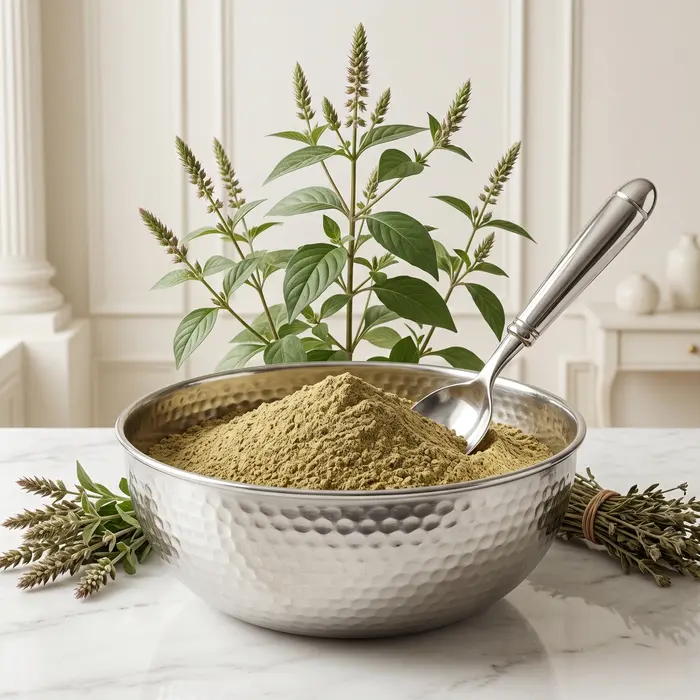
Cassia Tora Seeds are naturally derived botanical seeds obtained from the annual herb scientifically identified as Senna tora, historically known as Cassia tora. The plant belongs to the Fabaceae family and is widely associated with tropical and subtropical regions, including India. It is traditionally known by several regional names such as Chakramard, Chakunda, Pavad, Panwad, Charota and Sindoor.
Vardhman Nutrition Co. is an India-based Cassia Tora Seeds Manufacturer, Cassia Tora Seeds Supplier from India, and Cassia Tora Seeds Exporter from India, serving international B2B customers requiring botanical raw materials for manufacturing, processing, distribution and ingredient development.
Our business is focused on international commercial supply rather than domestic retail. We work with importers, wholesalers, distributors, herbal manufacturers, nutraceutical companies, cosmetic businesses, botanical processors, ingredient traders and other professional buyers.
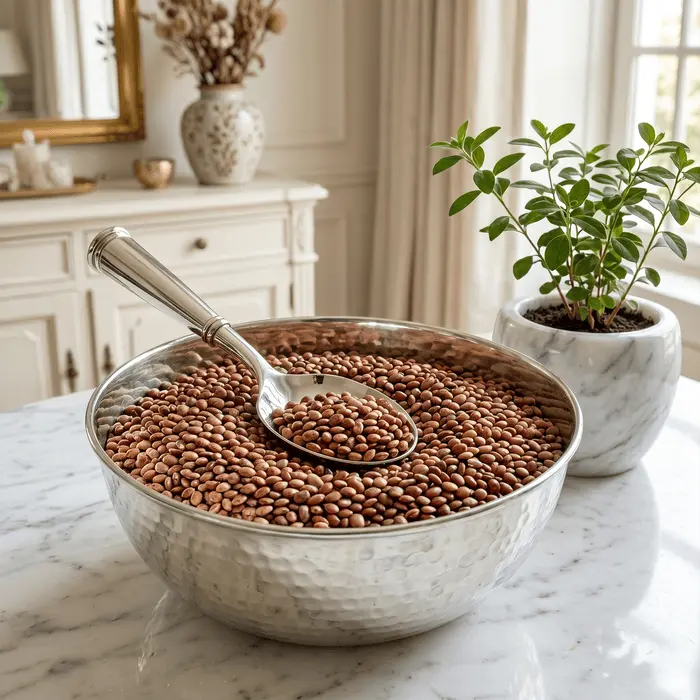
Indian Cassia Tora Seeds can be supplied as whole dried seeds for suitable commercial applications and further processing. Buyers can discuss quantity, physical specifications, packaging requirements, destination country, intended application and documentation before confirming an international order.
Vardhman Nutrition Co. supports export enquiries for markets including the USA, UK, Europe, Germany, UAE, Australia and South Korea, subject to destination-country requirements and shipment feasibility.
Indian-Origin Chakramard Seeds for Commercial Procurement
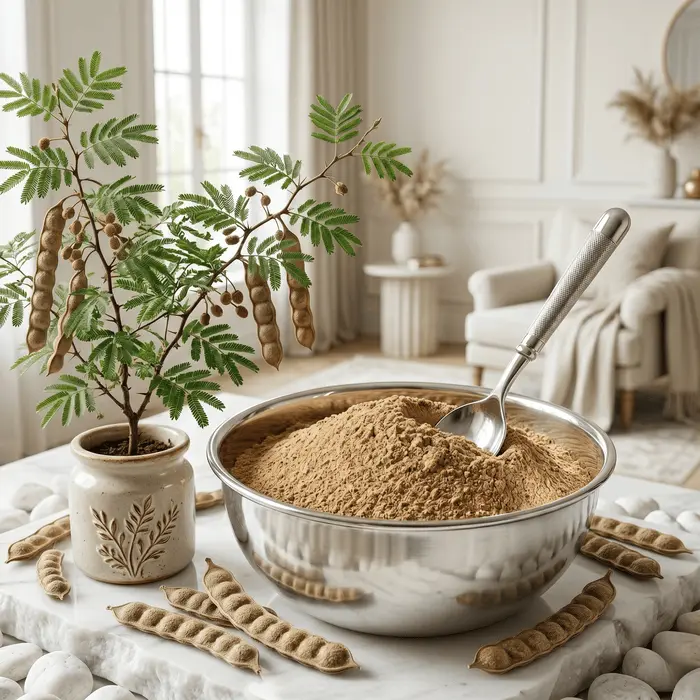
Cassia Tora is an important plant found across various parts of India. Its mature seeds are collected from the pods and prepared as a dry botanical raw material for commercial use.
For international procurement, buyers may encounter different names for the same botanical material. These can include Cassia Tora Seeds, Senna tora Seeds, Cassia Seed, Senna Tora Seeds, Chakramarda Seeds, Charota Seeds, Cassia tora Seeds and Wild Senna Seeds.
Because common names can vary between countries and industries, the scientific name Senna tora is useful when preparing purchase specifications, technical documents and import-related information.
The Indian origin of the material can be relevant to businesses sourcing botanical raw materials directly from an experienced Indian supplier.
Botanical Classification and Seed Identification
The botanical identity of the product is important for professional buyers because different plants can sometimes have similar common names.
Cassia Tora Seeds Product Information
- Product Name: Cassia Tora Seeds
- Botanical Name: Senna tora
- Historical Botanical Name: Cassia tora
- Family: Fabaceae
- Plant Part: Seeds
- Product Form: Whole Dried Seeds
- Origin: India
- Common Names: Chakramard, Chakunda, Pavad, Panwad, Charota
The seeds are naturally firm and may show variations in colour, size and physical characteristics depending on maturity, cultivation conditions, harvesting practices and post-harvest handling.
For international B2B orders, the final product specification can be discussed according to the buyer's manufacturing process and destination-market requirements.
What Makes Cassia Tora Seeds an Industrially Relevant Botanical?
Cassia Tora Seeds have importance beyond traditional herbal use because they contain naturally occurring polysaccharides, including galactomannan, which can be processed into commercially useful cassia gum.
This industrial characteristic has made the seed relevant to businesses involved in ingredient processing and manufacturing.
Potential industrial areas include:
- Cassia gum production
- Food ingredient processing
- Animal nutrition
- Pharmaceutical ingredient development
- Textile processing
- Paper manufacturing
- Mining-related processing
- Botanical ingredient manufacturing
- Natural-product development
The suitability of the seed depends on the processing technology and the technical requirements of the final application.
For this reason, Cassia Tora Seeds for Further Processing can be a practical sourcing option for manufacturers purchasing agricultural botanical material as an input for their own production.
Natural Material Profile of Senna tora Seeds
Whole Cassia Tora Seeds contain naturally occurring plant constituents that contribute to their botanical and industrial profile.
Reported components may include:
- Plant polysaccharides
- Galactomannan
- Proteins
- Carbohydrates
- Dietary fibre
- Fatty components
- Anthraquinone-related compounds
- Flavonoids
- Phenolic compounds
- Tannins
- Saponins
- Sterols
- Other naturally occurring phytochemicals
The seed material can also contain nutritional components such as amino acids and minerals.
Natural composition is not necessarily identical from one batch to another. Factors such as geographical origin, cultivation conditions, maturity, harvesting, drying and storage may influence the characteristics of the raw material.
When a customer requires a specific composition, laboratory parameters or industrial specification, those requirements should be communicated before commercial confirmation.
Cassia Tora Seeds as a Source for Cassia Gum
A major commercial application of Cassia Tora Seeds is their use in cassia gum production.
The seed contains galactomannan, a natural polysaccharide that can be separated and processed into cassia gum. The resulting ingredient is valued for functional characteristics such as thickening, stabilizing, binding and viscosity modification in appropriate formulations.
Processed cassia gum may be relevant to:
- Food manufacturing
- Pet-food formulations
- Animal nutrition
- Pharmaceutical applications
- Textile processing
- Paper manufacturing
- Industrial formulations
Businesses involved in cassia gum manufacturing can therefore consider Bulk Cassia Tora Seeds as a botanical and agricultural raw material for processing.
The final quality of cassia gum depends on the seed material, processing technology and applicable product specifications.
Role in Food Ingredient Manufacturing
Cassia Tora-derived galactomannan has relevance in food technology because of its functional properties after suitable processing.
Processed cassia gum may be considered in applications involving:
- Sauces
- Dairy formulations
- Bakery products
- Processed foods
- Texture modification
- Thickening systems
- Stabilizing formulations
However, whole seeds and processed cassia gum are different commercial materials and should not be treated as interchangeable products.
Food manufacturers should evaluate the appropriate processed ingredient according to formulation requirements, permitted applications, specifications and destination-market regulations.
Opportunities for Herbal Product Manufacturers
Cassia Tora has a history of traditional use in Indian herbal systems. The seeds are recognized as a botanical raw material and may be considered by companies involved in traditional herbal preparations.
Commercial applications may include:
- Herbal formulations
- Botanical preparations
- Traditional plant-based products
- Herbal ingredient trading
- Natural-product development
- Botanical raw-material distribution
Traditional references may associate Cassia Tora with digestive and cleansing applications and other areas of traditional herbal practice. Such traditional descriptions should not be treated as guaranteed medical results.
Finished products must be developed and marketed according to the regulatory requirements of the intended country.
Cassia Tora Seeds for Nutraceutical Formulation
The international nutraceutical sector continues to evaluate plant-based materials for botanical ingredient development. Cassia Tora Seeds for Nutraceutical Industry applications may involve further processing rather than direct consumer use of whole seeds.
Professional nutraceutical buyers may evaluate the material for:
- Botanical identity
- Physical appearance
- Moisture
- Foreign matter
- Cleanliness
- Microbiological parameters
- Processing requirements
- Packaging
- Country of origin
A buyer's technical specification should be established according to the intended finished product.
Vardhman Nutrition Co. can discuss commercial requirements with nutraceutical manufacturers and botanical ingredient companies seeking Cassia Tora Seeds Supplier from India.
Cosmetic and Personal-Care Ingredient Development
Natural botanical materials are widely explored by cosmetic and personal-care manufacturers. Cassia Tora Seeds may be purchased as a raw material for further processing into ingredients suitable for selected formulations.
Potential commercial users include:
- Cosmetic manufacturers
- Herbal cosmetic brands
- Personal-care companies
- Botanical ingredient processors
- Natural-product manufacturers
- Private-label businesses
Businesses looking for a Cassia Tora Seeds Exporter from India for cosmetic-related ingredient development can provide their intended application and technical requirements.
The final suitability of the raw material should be established through appropriate formulation testing.
Pharmaceutical and Traditional Formulation Supply
Cassia Tora has a history of traditional use, making the botanical material relevant to certain herbal manufacturing businesses.
Whole seeds may be considered for further processing into suitable botanical materials used in:
- Herbal powders
- Botanical blends
- Traditional formulations
- Capsules
- Tablets
- Extract development
- Research and ingredient processing
Pharmaceutical manufacturers should assess raw materials according to their own quality systems, technical specifications and regulatory requirements.
Any therapeutic claim associated with a finished product should be independently supported and comply with the laws of the intended market.
Agricultural and Processing Characteristics
Cassia Tora is considered a relatively adaptable plant and is associated with tropical and subtropical growing conditions.
The plant can grow under comparatively challenging agricultural conditions and has relevance as a naturally occurring botanical resource.
From a commercial sourcing perspective, these characteristics support the availability of seed material for businesses involved in botanical and industrial processing.
However, raw-material quality remains dependent on cultivation, harvesting, cleaning, storage and handling practices. Therefore, professional buyers should focus on defined product specifications rather than relying solely on general descriptions of the crop.
Commercial Preparation of Whole Cassia Tora Seeds
Proper post-harvest handling helps maintain the physical condition of the seed material.
A commercial preparation process may include:
- Selection of suitable botanical material
- Harvesting of mature pods
- Separation of seeds
- Removal of unwanted plant material
- Cleaning
- Sorting
- Grading where required
- Drying when necessary
- Quality inspection
- Packaging for shipment
The exact process may vary according to the final application and buyer specification.
As a Cassia Tora Seeds Manufacturer in India, Vardhman Nutrition Co. follows an export-oriented approach to sourcing, preparation, quality handling and commercial packaging.
Parameters Considered by International Buyers
B2B buyers generally require clear product information before approving botanical raw materials.
Depending on the application, technical considerations may include:
- Botanical identification
- Plant part
- Physical appearance
- Seed condition
- Cleanliness
- Foreign matter
- Moisture
- Odour
- Microbiological parameters
- Packaging condition
- Processing requirements
- Country of origin
For industrial applications such as cassia gum production, buyers may also have specific requirements related to seed quality and processing suitability.
Exact acceptance criteria should be agreed before order confirmation.
Bulk Cassia Tora Seeds for Global Buyers
Vardhman Nutrition Co. supplies Bulk Cassia Tora Seeds for international B2B procurement.
Our commercial supply can be relevant to:
- Importers
- Wholesalers
- Distributors
- Herbal manufacturers
- Nutraceutical businesses
- Cosmetic companies
- Botanical processors
- Ingredient traders
- Private-label businesses
- Industrial manufacturers
Companies searching for a Bulk Cassia Tora Seeds Supplier can share their expected quantity, product specification, packaging preference and destination country.
The supply arrangement can then be evaluated according to the buyer's requirements.
Cassia Tora Seeds Wholesale Procurement
As a Cassia Tora Seeds Wholesale Supplier, Vardhman Nutrition Co. focuses on commercial quantities for professional buyers.
International procurement teams may search using terms such as:
- Cassia Tora Seeds Wholesale
- Cassia Tora Seeds Bulk Supplier
- Cassia Seed Wholesale Supplier
- Indian Cassia Tora Seeds Supplier
- Cassia Tora Seeds Wholesale Exporter
- Bulk Cassia Tora Seeds Supplier from India
Wholesale sourcing is particularly relevant to businesses purchasing raw material for manufacturing, distribution or further processing.
Cassia Tora Seeds B2B Manufacturer and Export Partner
Businesses searching for a Cassia Tora Seeds B2B Supplier, Cassia Tora Seeds B2B Manufacturer, or Cassia Tora Seeds B2B Exporter from India can discuss their commercial requirements with Vardhman Nutrition Co.
Our B2B approach can cover:
- Bulk procurement
- Wholesale orders
- Export packaging
- Regular sourcing
- Customized specifications
- Further-processing requirements
- Private-label requirements
- Shipment documentation
- Destination-specific requirements
This makes the company suitable for businesses seeking a long-term India-based botanical sourcing partner.
International Markets Served from India
Vardhman Nutrition Co. supports international enquiries for Indian botanical raw materials.
Cassia Tora Seeds Export to USA
US importers and ingredient businesses can enquire about Cassia Tora Seeds Export to USA for suitable commercial applications. Buyers should verify applicable US import and regulatory requirements according to the intended use.
Cassia Tora Seeds Export to UK
Businesses looking for Cassia Tora Seeds Export to UK can discuss quantity, packaging, technical requirements and documentation for commercial procurement.
Cassia Tora Seeds Export to Europe
European importers can enquire about Cassia Tora Seeds Export to Europe for manufacturing, processing and ingredient-development requirements, subject to applicable regulations.
Cassia Tora Seeds Export to Germany
German businesses searching for Cassia Tora Seeds Export to Germany can communicate their required product specifications, volume and documentation requirements.
Cassia Tora Seeds Export to UAE
For Cassia Tora Seeds Export to UAE, importers and distributors can discuss bulk supply, packaging, shipment and technical requirements.
Cassia Tora Seeds Export to Australia
Australian buyers can enquire for Cassia Tora Seeds Export to Australia according to their intended application and import specifications.
Cassia Tora Seeds Export to South Korea
South Korean businesses seeking Indian botanical raw materials can discuss Cassia Tora Seeds Export to South Korea based on their product requirements and applicable import conditions.
Private Label, Customized and OEM Requirements
Businesses creating their own botanical ingredient brands may require private-label sourcing.
Cassia Tora Seeds Private Label requirements can be evaluated according to:
- Target market
- Product form
- Quantity
- Packaging
- Label requirements
- Technical specification
- Destination country
Potential customers include herbal brands, botanical ingredient companies, nutraceutical businesses, cosmetic companies, natural-product distributors and international wholesalers.
Customized and OEM requirements can be discussed according to the product format and buyer's intended application.
Packaging for International Transportation
Suitable packaging is important for protecting dried botanical seeds during storage and transportation.
Packaging requirements may depend on:
- Order quantity
- Product grade
- Shipping method
- Destination
- Storage duration
- Buyer preference
- Regulatory considerations
Protective packaging helps reduce exposure to moisture, contamination and unsuitable external conditions.
International buyers can specify their preferred packaging format when submitting a quotation request.
Storage Conditions for Dried Cassia Tora Seeds
Whole dried seeds should generally be stored in a clean, dry and suitable warehouse environment.
Recommended considerations include:
- Keep away from excessive moisture.
- Protect from direct sunlight.
- Avoid excessive heat.
- Use suitable protective packaging.
- Protect against contamination.
- Keep away from strong-smelling substances.
- Minimize unnecessary opening of packages.
- Maintain appropriate warehouse hygiene.
- Conduct periodic quality checks.
The exact storage conditions should follow the applicable product specification and packaging instructions.
Shelf-Life and Product Integrity
Shelf life can vary according to raw-material quality, moisture level, packaging, storage conditions and handling.
| Product Form | Indicative Shelf Life |
|---|---|
| Whole Cassia Tora Seeds | 2–3 Years |
| Seeds in Normal Household Storage | 1–2 Years |
| Cassia Tora Seed Powder | 6–12 Months |
| Cassia Gum | 24 Months or More |
| Cassia Tora Extracts | 12–24 Months |
| Oil-Based Products | 12–18 Months |
These periods should be treated as general reference information rather than a universal guarantee. Actual shelf life should be confirmed from the applicable product specification and batch documentation.
Possible Signs of Deterioration
Buyers and warehouse operators should check for:
- Moldy or rotten odour
- Unusual colour changes
- Excess moisture
- Stickiness
- Visible insect infestation
- Unusual stale smell
- Significant physical deterioration
Any questionable material should be assessed through the applicable quality-control procedure.
Why International Buyers Source from India
India has a broad range of agricultural, herbal and botanical raw materials. Direct sourcing from an India-based manufacturer and exporter can provide international businesses with access to origin-based botanical ingredients.
For buyers seeking Indian Cassia Tora Seeds, commercial discussions can include product identity, quantity, packaging, specifications, documentation and destination requirements.
Vardhman Nutrition Co. focuses on international B2B supply and aims to support professional buyers with product-specific procurement discussions.
Buy Cassia Tora Seeds in Bulk from India
If your business is looking to Buy Cassia Tora Seeds in Bulk, Vardhman Nutrition Co. welcomes enquiries from international buyers.
Our commercial customers may include importers, wholesalers, distributors, herbal manufacturers, nutraceutical companies, cosmetic businesses, botanical processors and industrial ingredient companies.
For a quotation, please provide:
- Required quantity
- Product specification
- Intended application
- Packaging preference
- Destination country
- Processing requirement
- Private-label requirement, if applicable
- Documentation requirement
- Shipping preference
Providing complete information helps our team evaluate the requirement and discuss suitable B2B supply options.
Frequently Asked Questions for Cassia Tora Seeds Buyers
What is the botanical name of Cassia Tora?
The currently classified botanical name is Senna tora. The plant has historically been known as Cassia tora.
What are Cassia Tora Seeds used for?
They are used as botanical raw material for suitable herbal applications and, importantly, for further processing such as cassia gum production.
What is the difference between Cassia Tora Seeds and Cassia Gum?
Cassia Tora Seeds are the whole seed material obtained from Senna tora. Cassia gum is a processed ingredient derived from the seed's galactomannan-rich material.
Can I purchase Cassia Tora Seeds in bulk from India?
Yes. Vardhman Nutrition Co. supplies bulk quantities for international B2B buyers according to commercial requirements.
Are Indian Cassia Tora Seeds available for export?
Yes. Vardhman Nutrition Co. operates as a Cassia Tora Seeds Exporter from India for international commercial procurement.
Who purchases Cassia Tora Seeds?
Importers, wholesalers, distributors, herbal manufacturers, nutraceutical companies, cosmetic businesses, botanical processors, ingredient traders and industrial manufacturers can purchase the material according to their requirements.
Can Cassia Tora Seeds be supplied for cassia gum processing?
Yes. Whole seeds may be sourced by manufacturers involved in cassia gum production and other seed-processing operations.
Do you offer private-label Cassia Tora Seeds?
Private-label and customized commercial requirements can be discussed according to quantity, packaging, labeling and destination-market requirements.
Which countries can be supplied?
Export enquiries can be discussed for the USA, UK, Europe, Germany, UAE, Australia and South Korea, subject to applicable import requirements and shipment feasibility.
Contact Us for Cassia Tora Seeds Bulk Supply & Export from India
If you are searching for a reliable Cassia Tora Seeds Manufacturer in India, Cassia Tora Seeds Supplier from India, Cassia Tora Seeds Exporter from India, Bulk Cassia Tora Seeds Supplier, Cassia Tora Seeds Wholesale Supplier, Cassia Tora Seeds B2B Supplier, or Cassia Tora Seeds B2B Exporter from India, contact Vardhman Nutrition Co. for your international sourcing requirement.
We supply Cassia Tora Seeds, Indian Cassia Tora Seeds, Senna tora Seeds, Cassia Seed, Senna Tora Seeds, Chakramarda Seeds, Charota Seeds and Cassia tora Seeds for suitable commercial applications.
For a bulk quotation, international buyers can share their required quantity, specification, intended application, packaging preference, destination country and documentation requirements.
Vardhman Nutrition Co. focuses on Cassia Tora Seeds Bulk Supply, Wholesale Procurement, B2B Export, Private Label, OEM and International Sourcing from India.
Product Information Disclaimer
Cassia Tora has a history of traditional use in Indian herbal practices, while scientific research has examined various naturally occurring compounds and biological activities associated with the plant.
The information provided on this page is intended for botanical, industrial, formulation and commercial sourcing purposes. Traditional uses and research findings should not be interpreted as guaranteed medical or therapeutic outcomes.
Finished-product claims, dosage, labeling, permitted applications and marketing statements should be independently evaluated and must comply with the laws and regulations applicable to the intended market.
Product specifications, composition, shelf life, packaging and documentation should be confirmed according to the relevant product grade and batch-specific requirements.

.webp)




.webp)
.webp)
.webp)
.webp)
.webp)
.webp)
.webp)
.webp)
.webp)
.webp)
.webp)
.webp)

.webp)