
Kalaunji Seeds Manufacturer & Global B2B Exporter from India
Vardhman Nutrition Co. is an India-based Kalaunji Seeds manufacturer and global B2B exporter, supplying India-origin whole seed material to international buyers. Kalaunji is botanically identified as Nigella sativa L. and is commercially recognized by names such as Kalonji, Black Cumin, Black Seed and Nigella Seed. The seed is the principal plant part used for culinary, botanical and commercial applications.
Our India-origin seed material is intended for international importers, spice companies, food processors, herbal manufacturers, nutraceutical businesses, wholesalers, distributors, botanical ingredient traders, private-label companies and product-development organizations requiring commercial quantities.
For overseas procurement, a clear specification helps establish the exact requirement. Buyers can define botanical identity, seed form, purity, moisture, foreign matter, seed characteristics, packaging, testing parameters, quantity and destination market before commercial confirmation.
The Story Behind India-Origin Nigella
Kalaunji comes from an annual flowering plant belonging to the Ranunculaceae family. The plant produces small, dark, angular seeds with a characteristic aromatic profile and pungent, slightly bitter flavour.
The seed has a long-standing role in regional culinary traditions and is also associated with traditional Indian systems including Ayurveda, Unani and Siddha. Kew's Medicinal Plant Names Services records Nigella sativa L. and associates the seed with multiple Indian medicinal sources, while ICAR-Indian Institute of Spices Research recognizes Nigella as a seed spice.
This combination of culinary relevance and botanical recognition makes the raw material suitable for several commercial sectors, depending on the intended application and applicable regulations.
Product Identity for Global Procurement Teams
For international buyers, precise identification is an important part of raw-material purchasing.
Common Name: Kalaunji / Kalonji
English Names: Black Cumin / Black Seed / Nigella Seed
Botanical Name: Nigella sativa L.
Family: Ranunculaceae
Plant Part: Seeds
Product Form: Whole Seeds
Category: Botanical Herb / Seed Spice
Origin: India
The supplied source confirms Nigella sativa L. as the botanical identity and seeds as the relevant plant part. It also notes that the Ayurvedic, Unani and Siddha Pharmacopoeias associate Kalaunji with this botanical identity.
Using the botanical name together with the plant part is particularly useful in international trade because vernacular names can vary between regions.
What Makes the Seed Visually Distinct?
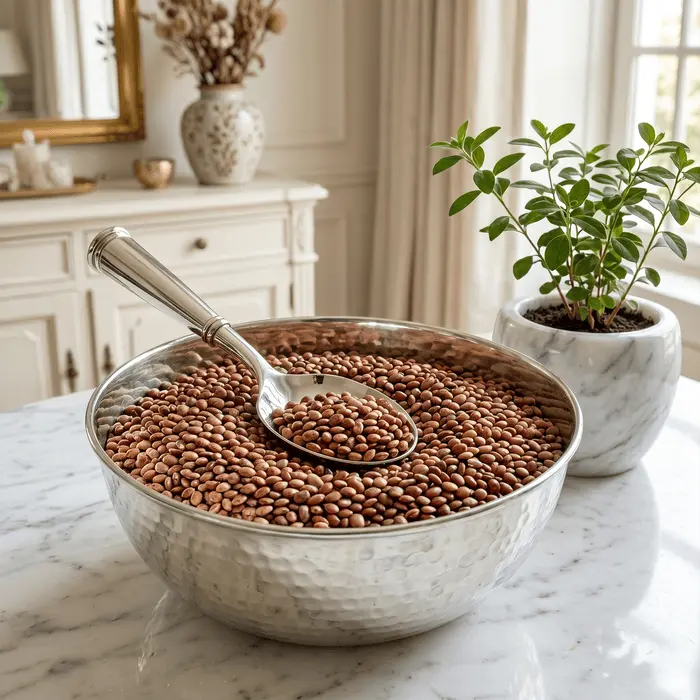
Whole Nigella seeds are naturally small, dark and angular. They have a characteristic aroma and a pungent, mildly bitter taste.
The appearance and sensory profile can vary naturally according to agricultural and post-harvest factors. Variety, geographic origin, soil and growing conditions, maturity at harvest, drying, handling and storage may influence the final characteristics.
For commercial buyers, suitable specifications can therefore be established around:
- Appearance
- Natural colour
- Aroma
- Seed size
- Purity
- Moisture
- Foreign matter
- Admixture
- General cleanliness
Such parameters allow importers and manufacturers to establish a practical acceptance standard before shipment.
Culinary Heritage of Black Seed
Kalaunji has been used as a traditional spice across South Asian, Middle Eastern and North African food cultures.
Its distinctive flavour makes it suitable for many recipes and commercial food preparations. ICAR-Indian Institute of Spices Research documents its use in pickles, breads, curries and spice blends, including the Bengali five-spice mixture known as panch phoron.
Food manufacturers may incorporate whole seeds into recipes where the characteristic taste and appearance are desirable.
Potential culinary categories include:
- Pickles
- Bakery products
- Bread toppings
- Curry preparations
- Vegetable dishes
- Seasoning mixtures
- Spice blends
- Traditional foods
- Specialty culinary products
The final application should always be assessed according to the food regulations and labeling requirements of the destination country.
Commercial Ingredient for Spice Manufacturers
Spice manufacturers can consider Bulk Kalaunji Seeds for blending, seasoning and further food processing.
The whole-seed format provides flexibility for businesses that want to retain the natural appearance of the seed in finished products or use it as a raw material for subsequent processing.
Commercial spice businesses may evaluate the material according to:
- Seed purity
- Moisture
- Foreign matter
- Seed size
- Aroma
- Colour
- Packaging
- Batch requirements
Clear specifications can help importers maintain consistency across manufacturing cycles.
Role in Pickle and Preserved Food Manufacturing
Kalaunji is traditionally associated with pickle preparations and can be used as a whole seed spice in suitable commercial recipes.
Its characteristic aroma and flavour can contribute to the sensory profile of selected preserved-food products.
Manufacturers may purchase the seeds in commercial quantities for processing, blending or direct incorporation into recipes, subject to their internal quality standards and destination-market food requirements.
Use in Bakery and Specialty Food Products
Whole Nigella seeds are commonly used on or within selected bakery products.
Potential applications include:
- Bread
- Naan
- Kulcha
- Biscuits
- Savoury baked products
- Specialty bakery formulations
- Seed-based toppings
For industrial food production, manufacturers can establish requirements for seed size, cleanliness, moisture and packaging according to their production process.
Culinary Blending and Seasoning Opportunities
The distinctive flavour of Kalaunji allows it to be incorporated into selected seasoning combinations.
Spice blenders may combine it with other permitted culinary ingredients to develop regional or specialty blends.
Its use in panch phoron demonstrates its established place in traditional spice combinations.
Commercial buyers can specify whether the material is intended for whole-seed blending, seasoning manufacture, retail-food processing or further industrial use.
Botanical Applications Beyond Food
Nigella sativa is also documented in traditional medicinal systems. This has created commercial interest among herbal and botanical product developers.
Businesses may evaluate the seed for:
- Traditional herbal preparations
- Botanical blends
- Nutraceutical development
- Wellness formulations
- Research projects
- Further processing
- Private-label products
Traditional applications should remain separate from unsupported medical claims. Finished products must be formulated and marketed according to the laws applicable in the destination country.
Phytochemical Composition of Nigella
Nigella seeds contain naturally occurring phytochemicals that have attracted scientific interest.
The supplied research references identify thymoquinone among the compounds associated with the seed, together with nigellidine and other reported constituents.
The phytochemical composition of agricultural raw material is not necessarily identical from one batch to another. Geographic origin, growing conditions, maturity, harvesting, drying, storage and processing can all influence the natural composition.
Therefore, buyers requiring a defined marker profile should communicate their analytical requirements before procurement.
A conventional whole-seed ingredient should also be distinguished from an extract or concentrated derivative because the manufacturing process and specifications are different.
Thymoquinone and Scientific Attention
Thymoquinone is one of the naturally occurring compounds that has contributed to scientific interest in Nigella sativa.
Research has investigated this compound and other seed constituents in areas involving antioxidant activity, inflammatory pathways, metabolic parameters, cardiovascular factors, respiratory conditions and other biological processes.
However, research findings should be interpreted according to the type and quality of evidence available. Laboratory and animal studies do not automatically establish the same outcomes in humans.
For commercial product development, manufacturers should conduct appropriate scientific, safety and regulatory assessments before using research findings in product claims.
Traditional Wellness Context
Kalaunji has historically been used in traditional household and herbal practices.
Traditional preparations have included use in contexts related to digestion, seasonal discomfort and general wellness. Such historical usage provides information about the cultural importance of the botanical but should not be treated as proof of a guaranteed therapeutic effect.
Businesses developing finished products should distinguish between traditional-use information, scientific research and approved commercial claims.
Metabolic and Cardiovascular Research Interest
Scientific studies have investigated Nigella sativa in relation to blood glucose, insulin sensitivity, lipid parameters and cardiovascular factors.
These areas have contributed to the botanical's presence in nutraceutical research and product-development discussions.
The available evidence varies by study type and application. For this reason, commercial communication should avoid presenting preliminary research as established medical treatment.
Nutraceutical businesses should determine their own formulation, dosage, safety, substantiation and regulatory strategy.
Antioxidant and Inflammatory Research
Seed-derived constituents have been investigated for antioxidant and inflammation-related properties.
Research interest in thymoquinone and other phytochemicals has contributed to studies examining oxidative stress and inflammatory pathways.
These findings may be relevant to research organizations and product developers evaluating botanical ingredients, but they do not by themselves establish a therapeutic claim for conventional whole seeds.
Respiratory and Allergy-Related Research
Nigella sativa has also been examined in research involving respiratory and allergy-related areas.
Some studies have explored respiratory function and allergic responses, while traditional use has included preparations associated with seasonal respiratory discomfort.
Because evidence differs between traditional use, laboratory investigations and human studies, manufacturers should evaluate the scientific literature carefully before developing product claims.
Skin and Hair Product Development
Nigella-derived materials are also relevant to selected personal-care and cosmetic development projects.
Potential areas include:
- Hair oils
- Shampoos
- Conditioners
- Botanical serums
- Herbal soaps
- Skin-care formulations
- Personal-care blends
The whole seed can also serve as a raw material for further processing where the manufacturer requires a seed-derived ingredient.
Cosmetic suitability should be established through formulation testing and relevant safety assessment.
Nutraceutical Manufacturing Opportunities
Nutraceutical companies may evaluate Nigella seeds as a botanical raw material for suitable product concepts.
Potential formats can include:
- Herbal powders
- Capsules
- Tablets
- Nutritional blends
- Botanical supplements
- Functional formulations
- Wellness products
- Research preparations
The final finished product must be assessed according to its intended use, formulation, labeling and destination-market requirements.
Pharmaceutical and Herbal Product Development
Businesses working with traditional herbal products may investigate Nigella sativa as a raw botanical ingredient.
The source material identifies the seed's presence in Ayurvedic, Unani and Siddha medicinal traditions.
Potential development areas may include traditional herbal preparations, botanical blends and research-oriented formulations.
Any pharmaceutical or medicinal application must be evaluated under the applicable regulatory framework rather than relying solely on traditional-use descriptions.
Natural Oil and Further-Processing Potential
Whole Kalaunji seeds can serve as a raw material for further botanical processing.
Depending on the buyer's project, seed material may be evaluated for oil-related processing or other ingredient-development applications.
For such projects, the buyer may need to define additional parameters concerning:
- Seed quality
- Moisture
- Purity
- Storage history
- Processing suitability
- Packaging
- Analytical testing
A conventional whole-seed product should be clearly distinguished from an extracted or processed derivative.
Quality Assessment Before Commercial Purchase
Quality evaluation is an important part of international seed procurement.
Depending on the intended use, a buyer specification may cover:
- Botanical identity
- Plant part
- Product form
- Geographic origin
- Appearance
- Colour
- Aroma
- Seed size
- Purity
- Moisture
- Foreign matter
- Admixture
- Microbiological parameters
- Heavy metals
- Pesticide residues
- Buyer-specific analytical requirements
Acceptance limits should be agreed according to the intended application and destination-market requirements.
Handling of the Raw Seed Material
A commercial handling process may involve multiple stages designed to maintain the identity and physical quality of the material.
A general sequence can include:
Raw Material Selection → Cleaning → Inspection → Sorting → Quality Evaluation → Packing
Additional processing can be incorporated when required by a specific buyer specification.
Careful handling is particularly important for international shipments because the product may experience extended transportation and storage conditions.
Kalaunji Seeds Manufacturer in India
Vardhman Nutrition Co. supplies India-origin seed material for international B2B requirements.
As a Kalaunji Seeds Manufacturer in India, the company focuses on commercial raw-material handling, product identification, cleanliness, quality requirements and export-oriented packaging.
International buyers can communicate their required quantity, seed specifications, testing parameters and destination before commercial confirmation.
This B2B approach is designed for businesses rather than consumer retail requirements.
Bulk Kalaunji Seeds Supplier from India
As a Bulk Kalaunji Seeds Supplier, Vardhman Nutrition Co. supports commercial buyers requiring larger quantities from India.
Potential customers include:
- Spice importers
- Food ingredient distributors
- Food processors
- Herbal manufacturers
- Nutraceutical companies
- Botanical ingredient traders
- Wholesalers
- Distributors
- Private-label businesses
- Product-development companies
Quantity, packaging, quality parameters and destination can be discussed according to the buyer's requirement.
Kalaunji Seeds Wholesale Supplier for Global Buyers
Businesses searching for a Kalaunji Seeds Wholesale Supplier can approach Vardhman Nutrition Co. for India-origin commercial procurement.
Wholesale supply can support companies involved in manufacturing, distribution, spice processing, herbal formulation, nutraceutical development and further processing.
Our focus is international B2B supply rather than domestic retail sales.
Global Kalaunji Seeds Exporter from India
Vardhman Nutrition Co. operates as a Kalaunji Seeds Exporter from India, supplying India-origin seed material to international commercial buyers.
Export enquiries may come from the USA, UK, Europe, Germany, UAE, Australia, South Korea and other destinations.
Because import requirements differ between countries, buyers should confirm applicable requirements for food ingredients, spices, botanical materials, testing, documentation, labeling and customs clearance.
Kalaunji Seeds Export to USA from India
Businesses requiring Kalaunji Seeds Export to USA can communicate their required quantity, product specification, intended application and packaging preference.
Depending on the final use, importers may request information regarding botanical identity, purity, moisture, foreign matter, microbiological parameters, pesticide residues, heavy metals and supporting documents.
The importer remains responsible for confirming compliance with applicable United States requirements for the intended application.
Kalaunji Seeds Export to UK from India
Companies searching for Kalaunji Seeds Export to UK can provide their commercial and technical specifications for review.
Requirements may differ according to whether the material is intended for food, spice, botanical, nutraceutical or another permitted category.
Clear information about origin, seed identity, quality and packaging can help establish an appropriate procurement specification.
Kalaunji Seeds Export to Europe from India
Businesses looking for Kalaunji Seeds Export to Europe can discuss their desired quantity and technical requirements with an India-based B2B supplier.
European buyers may require documentation and testing based on the intended application and applicable regulations.
A clear product specification can include botanical name, plant part, product form, origin, purity, moisture, packaging and destination.
Kalaunji Seeds Export to Germany from India
Companies seeking Kalaunji Seeds Export to Germany can provide their intended application, quantity and quality requirements before procurement.
German buyers may establish specific standards for food ingredients, spices or botanical raw materials according to the final product category.
Documentation and testing should be agreed before shipment where required.
Kalaunji Seeds Export to UAE from India
Businesses searching for Kalaunji Seeds Export to UAE can enquire about India-origin commercial supply.
Buyers can provide their required quantity, purity, seed characteristics, packaging preference, testing parameters and destination information.
This helps create a clear procurement specification for international shipment.
Kalaunji Seeds Export to Australia and South Korea from India
Companies interested in Kalaunji Seeds Export to Australia can communicate their commercial requirements, intended application and quality parameters.
Similarly, businesses seeking Kalaunji Seeds Export to South Korea can provide their desired quantity, packaging, testing and documentation requirements.
Destination-specific import rules should be verified by the buyer before shipment.
Customized and Private-Label Commercial Requirements
Businesses developing their own spice, food, botanical or nutraceutical ranges may require customized raw-material sourcing.
A Private Label Kalaunji Seeds requirement can involve discussions about:
- Botanical identity
- Whole-seed quality
- Purity
- Seed size
- Moisture
- Packaging
- Quantity
- Testing
- Documentation
- Destination market
Customized arrangements remain subject to product feasibility and mutually agreed specifications.
Export Packaging for Commercial Shipments
Packaging plays an important role in protecting whole seeds during transportation and storage.
Commercial packaging should help reduce exposure to:
- Moisture
- Humidity
- Heat
- Direct sunlight
- Contamination
- Insects
- Unwanted odours
Packaging format can be discussed according to shipment quantity, transportation conditions, storage environment and destination.
Final quantity, labeling and packing specifications should be confirmed before dispatch.
Storage Practices for Maintaining Seed Quality
Whole Kalaunji should generally be kept in a clean, dry and suitable storage environment.
Recommended practices include:
- Keep containers properly sealed.
- Protect the material from moisture.
- Avoid direct sunlight.
- Minimize excessive heat.
- Prevent contamination.
- Protect against insects.
- Follow product-specific storage instructions.
The supplied source notes that cooler, controlled conditions can support longer storage, while ground seed generally has a shorter stability period than whole seeds.
For this reason, businesses requiring longer storage may prefer whole-seed procurement when suitable for their manufacturing process.
Shelf-Life Considerations for Whole Nigella
The practical shelf life of whole Nigella seeds depends on initial quality, moisture, packaging, temperature, humidity and storage conditions.
Under suitable storage, whole seeds may retain acceptable physical and sensory quality for an extended period. Controlled storage and protective packaging can help reduce deterioration.
Common indicators of declining quality may include:
- Loss of characteristic aroma
- Stale or rancid odour
- Colour changes
- Moisture absorption
- Mold
- Insect infestation
Buyers should follow the batch-specific shelf-life information and storage conditions provided with the commercial supply.
Why International Businesses Source Kalaunji from India?
India has an established spice and botanical ingredient sector. ICAR-Indian Institute of Spices Research recognizes Nigella as a seed spice and documents its importance in culinary traditions.
For international businesses, sourcing from an India-based exporter can provide access to India-origin seed material for food, spice, botanical and other permitted commercial applications.
Vardhman Nutrition Co. focuses on:
- India-origin botanical raw materials
- International B2B procurement
- Commercial quantities
- Product-specific specifications
- Export-oriented packaging
- Clear botanical identification
- Buyer-focused communication
International Buyer Specification
Overseas procurement becomes easier when the buyer provides a complete product reference.
A suitable commercial specification can include:
Nigella sativa L. + Seeds + Whole Seeds + India Origin + Quantity + Purity + Moisture + Seed Size + Testing + Packaging + Destination
Buyers requiring specific analytical parameters should communicate those requirements before commercial confirmation.
This approach helps both parties establish a clear understanding of the required raw material.
Who Can Source Kalaunji in Commercial Quantities?
The product can be considered by businesses involved in several commercial sectors.
Potential B2B customers include:
- International spice importers
- Food manufacturers
- Ingredient distributors
- Herbal product companies
- Nutraceutical manufacturers
- Botanical ingredient traders
- Wholesalers
- Distributors
- Private-label businesses
- Further-processing companies
- Research and development organizations
The appropriate specification depends on the buyer's intended application.
Buy Kalaunji Seeds in Bulk from India
Businesses looking to Buy Kalaunji Seeds in Bulk can contact Vardhman Nutrition Co. with their commercial requirements.
To receive a suitable supply discussion, buyers can share:
- Required quantity
- Product specification
- Intended application
- Purity requirement
- Seed-size preference
- Moisture requirement
- Packaging preference
- Testing parameters
- Documentation requirements
- Destination country
Our team can review the requirement and discuss suitable India-origin B2B supply options.
Frequently Asked Questions About Kalaunji
What is Kalaunji?
Kalaunji is the common name for the seeds of Nigella sativa L., a seed spice belonging to the Ranunculaceae family.
What is another name for Kalaunji?
Common trade and culinary names include Kalonji, Black Cumin, Black Seed and Nigella Seed.
What is the botanical name?
The botanical name is Nigella sativa L.
Which plant part is used?
The seeds are the relevant commercial plant part.
Is Kalaunji the same as Black Cumin?
Kalaunji is commonly called Black Cumin in English trade and culinary contexts. It should not be confused with common cumin, which is a different plant.
What is the difference between Kalaunji and common cumin?
Kalaunji comes from Nigella sativa, whereas common cumin comes from Cuminum cyminum. They are different botanical species and different seed spices.
What does Kalaunji taste like?
The whole seed has a characteristic aromatic profile with a pungent and slightly bitter flavour.
Where is Kalaunji used?
It is widely used in food and spice applications such as pickles, breads, curries and spice blends. It is also relevant to selected botanical and herbal product-development projects.
What compound is associated with Nigella seeds?
Thymoquinone is one of the naturally occurring phytochemicals associated with Nigella sativa seeds.
Can businesses purchase the seeds in bulk?
Yes. Vardhman Nutrition Co. supplies India-origin seed-based raw materials for international B2B procurement.
Can buyers request customized specifications?
Yes. Buyers can communicate quantity, purity, seed characteristics, testing parameters, packaging and destination requirements.
Does Vardhman Nutrition Co. export from India?
Yes. The company focuses on international B2B export of India-origin botanical and seed-based raw materials.
Contact Vardhman Nutrition Co. for Global Supply
If your business is looking for an India-origin Kalaunji Seeds supplier, Black Seed supplier, Kalonji bulk supplier, Nigella Seed exporter, or a reliable botanical raw-material partner for international procurement, Vardhman Nutrition Co. can discuss your requirement.
We work with international importers, wholesalers, distributors, spice businesses, food manufacturers, herbal companies, nutraceutical organizations, botanical ingredient traders and private-label businesses.
Please share:
- Required quantity
- Intended application
- Product specification
- Purity requirement
- Seed characteristics
- Packaging preference
- Testing requirements
- Documentation needs
- Destination country
Vardhman Nutrition Co. can review the commercial requirement and discuss suitable India-origin supply options.
Vardhman Nutrition Co.
Manufacturer & Global B2B Exporter of Botanical Herbs from India
Bulk Botanical Ingredients Supply Worldwide
Product Information Disclaimer
The information presented on this page is intended for general botanical, commercial and product-development purposes. Traditional uses and scientific research should not be interpreted as guaranteed therapeutic effects or medical advice.
Research involving Nigella sativa may include laboratory, animal and human studies with different levels of evidence. Scientific findings should therefore be evaluated according to their methodology, limitations and relevance to the intended finished product.
Finished food, nutraceutical, cosmetic, herbal or other products containing Kalaunji should be formulated, labeled and marketed according to the laws and regulations applicable in the destination country.
Buyers and manufacturers are responsible for confirming product suitability, safety, permitted applications, testing requirements, import conditions and commercial claims before using the raw material.








.webp)



.webp)
.webp)
.webp)
.webp)
.webp)
.webp)
.webp)
.webp)
.webp)
.webp)
.webp)
.webp)
.webp)