.webp)
Licorice Root Powder from India for Global Botanical Ingredient Sourcing
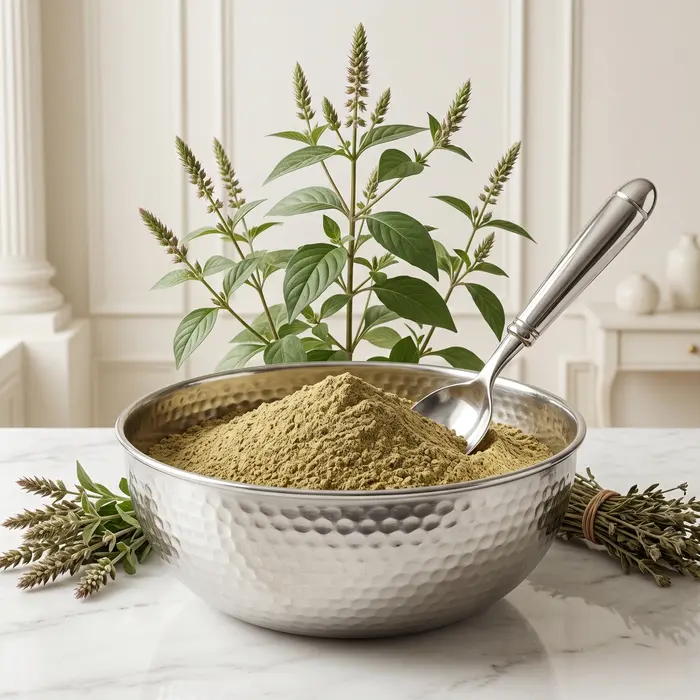
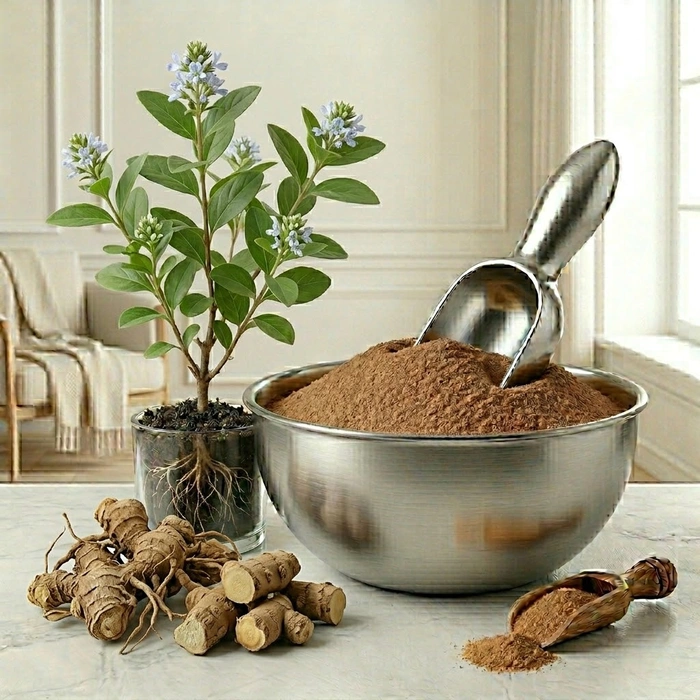
Licorice Root Powder is a widely recognized botanical ingredient obtained from the dried roots of Glycyrrhiza glabra. Known in India as Mulethi, Jethimadh and Yashtimadhu, this naturally sweet root has a long history of use in traditional herbal systems and modern botanical formulations.
Vardhman Nutrition Co. is an India-based Licorice Root Powder Manufacturer, Supplier and Exporter, providing India-origin botanical ingredients to international B2B buyers. The product is suitable for businesses involved in herbal products, food formulations, nutraceuticals, pharmaceuticals, cosmetics, oral care and other botanical applications.
Our focus is on bulk commercial supply for importers, wholesalers, distributors, manufacturers and private-label businesses seeking a reliable Licorice Root Powder Supplier from India.
Understanding the Botanical Behind Mulethi Powder
The botanical identity of this ingredient is Glycyrrhiza glabra, a perennial herb belonging to the Fabaceae family. The root is the commercially important plant part and is processed into a fine powder for convenient use in different formulations.
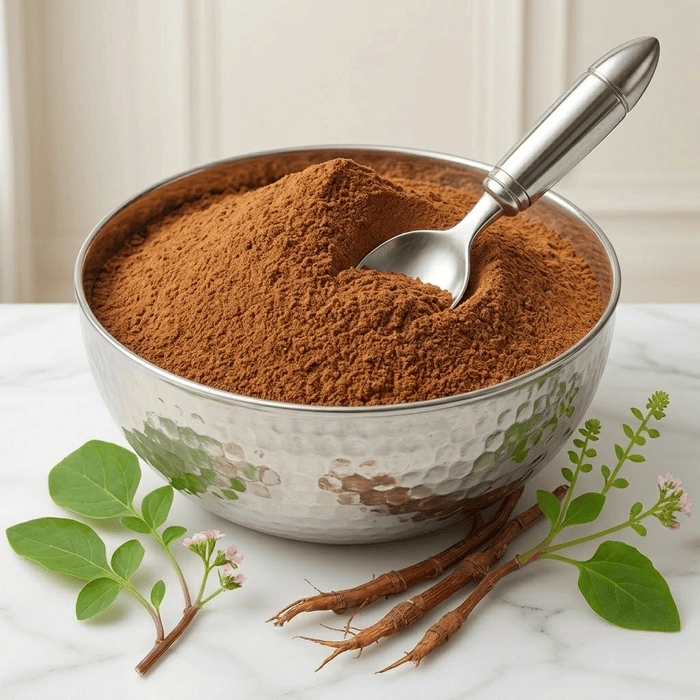
The finished material may naturally show shades ranging from light yellow and golden brown to darker brown. Colour and aroma can vary according to raw-material characteristics and processing conditions.
Mulethi Powder is also searched internationally under terms such as:
- Licorice Root Powder
- Mulethi Powder
- Jethimadh Powder
- Yashtimadhu Powder
- Glycyrrhiza glabra Powder
- Glycyrrhiza glabra Root Powder
- Licorice Herbal Powder
- Licorice Botanical Ingredient
For commercial sourcing, buyers should confirm botanical identity, plant part, particle size, moisture and other required specifications before procurement.
Why Glycyrrhizin Makes Licorice Distinctive
One of the most notable characteristics of Licorice Root is its naturally sweet taste. This sweetness is primarily associated with glycyrrhizin, an important naturally occurring constituent of the root.
The supplied product information describes glycyrrhizin as approximately 30–50 times sweeter than ordinary sugar. This distinctive characteristic makes the botanical useful in selected food, beverage, herbal tea and oral-care formulations where a recognizable herbal flavour profile is required.
Besides glycyrrhizin, Licorice Root contains a variety of naturally occurring phytochemicals, including flavonoids, saponins, phenolic compounds and other constituents.
Processing Route for Commercial-Grade Root Powder
Consistent botanical ingredients require careful handling from raw-material selection through final packing. Licorice roots intended for powder production can pass through controlled stages such as cleaning, sorting, grading, drying, cutting, grinding and sieving.
A typical processing sequence may include:
- Selection of suitable dried roots
- Cleaning and removal of unwanted material
- Sorting and grading
- Controlled drying where required
- Cutting into suitable sizes
- Grinding into powder
- Sieving for particle-size consistency
- Metal detection where applicable
- Laboratory quality evaluation
- Final packaging
This controlled approach helps produce a botanical material suitable for commercial manufacturing and formulation.
As an Indian Licorice Root Powder Manufacturer, Vardhman Nutrition Co. can discuss buyer-specific requirements such as mesh size, moisture limits, packaging format and intended application.
Where This Botanical Ingredient Fits in Product Manufacturing
Licorice Root Powder has applications across several industries because of its characteristic taste and naturally occurring constituents.
Food and Beverage Formulations
Licorice Root Powder for Food Applications can be used in selected products where botanical flavouring or natural sweetness is desired.
Potential applications include:
- Candies
- Chocolates
- Toffees
- Chewing gums
- Bakery products
- Herbal beverages
- Health drinks
- Herbal tea blends
- Traditional beverage preparations
Manufacturers should establish appropriate inclusion levels and labelling requirements according to the regulations of their target market.
Herbal Tea and Botanical Blends
Mulethi Powder can be incorporated into herbal tea blends and traditional botanical beverages. Its naturally sweet profile can complement other herbs and contribute to the overall flavour of a formulation.
It may be considered by manufacturers producing herbal infusions, botanical tea products, wellness beverages and traditional herbal drinks.
Pharmaceutical and Herbal Preparations
Licorice Powder for Pharmaceutical Applications is used as a botanical raw material in selected herbal and pharmaceutical formulations.
Potential product formats include:
- Cough syrups
- Lozenges
- Throat-care preparations
- Digestive-health products
- Herbal formulations
- Traditional botanical preparations
Finished products must be formulated and labelled according to the applicable requirements of the destination market.
Nutraceutical and Wellness Products
Nutraceutical manufacturers can incorporate Glycyrrhiza glabra Root Powder into selected botanical formulations.
Possible formats include:
- Botanical powder blends
- Capsules
- Tablets
- Herbal supplements
- Wellness formulations
- Traditional herbal products
The final formulation, dosage and product claims depend on the intended market and applicable regulations.
Cosmetic and Skin-Care Manufacturing
Licorice Root is also relevant to cosmetic manufacturers developing botanical skin-care products.
Potential applications include:
- Face masks
- Creams
- Lotions
- Herbal skin-care blends
- Skin-brightening formulations
- Lip-care products
- Beauty formulations
Naturally occurring compounds such as glabridin have been investigated in relation to pigmentation and skin appearance. Finished cosmetic claims should be supported by suitable evidence and comply with local regulations.
Oral and Personal-Care Products
The characteristic flavour of licorice makes it relevant to selected oral-care and personal-care formulations.
- Toothpaste
- Mouthwash
- Herbal oral-care products
- Lip-care formulations
- Botanical personal-care products
Natural Constituents Found in Glycyrrhiza glabra
Licorice Root has a diverse phytochemical profile. Important naturally occurring constituents include:
Major Compounds
- Glycyrrhizin
- Glycyrrhetinic Acid
Flavonoids
- Liquiritin
- Isoliquiritin
- Isoliquiritigenin
- Glabridin
- Glabrene
Other Constituents
- Triterpene saponins
- Coumarins
- Tannins
- Phenolic compounds
- Polysaccharides
- Sterols
- Essential oils
- Isoflavones
The root also contains naturally occurring minerals and nutrients such as calcium, potassium, magnesium, phosphorus, iron and zinc, along with carbohydrates, natural sugars and amino acids.
The precise composition may vary according to raw-material quality, cultivation, harvesting, processing and storage conditions.
Traditional Herbal Significance of Yashtimadhu
Yashtimadhu has been used traditionally in Ayurveda, Unani and other herbal systems. Traditional applications have associated Licorice Root with soothing, expectorant, antioxidant and anti-inflammatory properties, among others.
Research has investigated constituents such as glycyrrhizin and glabridin for areas including antioxidant activity, inflammatory pathways, digestive health, liver-related applications and skin-related research.
These properties should be understood as traditional or research-associated characteristics rather than guaranteed medical outcomes.
Product Quality Parameters for Importers
International buyers often require detailed specifications before approving a botanical ingredient. Depending on the application, a buyer may request information relating to:
- Botanical identity
- Plant part
- Appearance
- Colour
- Aroma
- Taste
- Particle size
- Mesh
- Moisture
- Foreign matter
- Microbiological parameters
- Heavy metals where applicable
- Pesticide residues where applicable
- Glycyrrhizin content where specified
Vardhman Nutrition Co. supports product-specific quality evaluation and can discuss technical requirements with commercial buyers before order confirmation.
Bulk Procurement for International Businesses
Businesses searching for a Bulk Licorice Root Powder Supplier can source the ingredient for manufacturing, distribution or further formulation.
Commercial supply may be suitable for:
- Importers
- Ingredient distributors
- Wholesalers
- Food manufacturers
- Pharmaceutical companies
- Nutraceutical brands
- Cosmetic manufacturers
- Herbal-product companies
- Oral-care manufacturers
- Private-label businesses
Quantity, mesh, packaging and technical requirements can be discussed according to the buyer's procurement needs.
Wholesale Mulethi Powder Supply from India
For businesses purchasing larger quantities, Licorice Root Powder Wholesale supply can provide a practical sourcing option for regular manufacturing or distribution.
A wholesale enquiry may include:
- Bulk quantity
- Required mesh
- Moisture specification
- Packaging preference
- Intended application
- Destination country
- Technical documentation
- Buyer-specific quality requirements
Vardhman Nutrition Co. focuses on international B2B sourcing rather than retail distribution.
Export Supply for USA, UK and European Buyers
Vardhman Nutrition Co. supplies India-origin botanical ingredients for international markets.
USA
Businesses searching for Licorice Root Powder Exporter from India for USA Buyers can enquire about bulk quantities, specifications, packaging and relevant documentation.
UK
UK importers can source Licorice Root Powder from India for suitable food, herbal, nutraceutical, pharmaceutical and cosmetic applications.
Europe and Germany
European buyers can enquire about Indian Licorice Root Powder Supplier services for commercial botanical sourcing. Germany-focused buyers can discuss requirements for Glycyrrhiza glabra root material, packaging and destination-specific documentation.
UAE
For Middle Eastern importers, Licorice Root Powder Export to UAE can be discussed according to quantity, application, packaging and import requirements.
Australia
Australian businesses can enquire about Licorice Root Powder Exporter from India for commercial botanical ingredient requirements.
South Korea
South Korean importers and manufacturers can discuss bulk Mulethi Powder Export from India according to their specifications and intended use.
Private Label and Customized Botanical Supply
Private-label companies can source Licorice Root Powder for their own branded product ranges. Customized commercial supply can be discussed around packaging, product specifications and buyer requirements.
Potential sourcing arrangements include:
- Private-label supply
- Custom packaging
- Customized mesh
- Contract supply
- OEM botanical ingredient supply
- Bulk ingredient sourcing
Packaging and labelling should be finalized according to the requirements of the destination market.
Documentation for International Shipments
Depending on the product specification, order and destination, commercial buyers may request supporting documents such as:
- Certificate of Analysis (COA)
- Technical Data Sheet (TDS)
- Material Safety Data Sheet (MSDS), where applicable
- Certificate of Origin
- Phytosanitary documentation where applicable
- GC-MS reports where applicable
- Buyer-specific technical documents
Documentation requirements can vary by country and application, so buyers should communicate their requirements before shipment.
Maintaining Quality During Storage
Licorice Root Powder should be protected from environmental conditions that can affect powdered botanical materials.
- Keep the material in a dry environment.
- Protect it from high humidity.
- Store approximately between 15°C and 25°C under suitable conditions.
- Use airtight packaging.
- Avoid direct sunlight.
- Protect against excessive heat.
- Keep away from strong-smelling materials.
- Use clean and dry handling equipment.
- Reseal the package after opening.
Light-protective packaging may provide additional protection where appropriate.
Shelf-Life Considerations for Bulk Buyers
Shelf life depends on raw-material quality, processing, packaging and storage conditions.
- Normal storage: approximately 24–36 months
- Commercial packaging: approximately 12–24 months
- Ideal conditions: approximately 2–3 years
Actual shelf life should always be confirmed through the applicable batch specification and manufacturer's documentation.
Responsible Use and Regulatory Considerations
Licorice contains glycyrrhizin, and excessive or prolonged intake may be associated with increased blood pressure, water retention, low potassium levels and pseudoaldosteronism.
Therefore, manufacturers using this ingredient in finished products should consider the applicable regulations, formulation requirements and professional guidance for the intended market.
Product information and traditional properties should not be presented as guaranteed medical claims.
Your India-Based Source for Licorice Root Ingredients
Vardhman Nutrition Co. is an India-based manufacturer and global B2B exporter of Essential Oils, Cold Pressed Virgin Seed Oils and Botanical Herbs.
For buyers searching for an Indian Licorice Root Powder Manufacturer, Licorice Root Powder Supplier from India, Bulk Mulethi Powder Supplier, or Glycyrrhiza glabra Root Powder Exporter, the company provides an India-based sourcing option for international commercial requirements.
Our approach is built around product specifications, bulk requirements, export packaging, technical documentation and long-term B2B supply relationships.
Enquire for Bulk Licorice Root Powder from India
If your business requires Licorice Root Powder in bulk, you can share your required quantity, mesh size, packaging preference, intended application and destination country.
Vardhman Nutrition Co. supports international importers, wholesalers, distributors, manufacturers and private-label businesses looking for Licorice Root Powder Manufacturer in India, Licorice Root Powder Supplier from India and Licorice Root Powder Exporter from India.
For commercial sourcing of Mulethi Powder, Jethimadh Powder, Yashtimadhu Powder or Glycyrrhiza glabra Root Powder, contact Vardhman Nutrition Co. with your product specifications and export requirements.

.webp)

.webp)
.webp)
.webp)
.webp)
.webp)
.webp)
.webp)
.webp)
.webp)
.webp)
.webp)
.webp)
.webp)