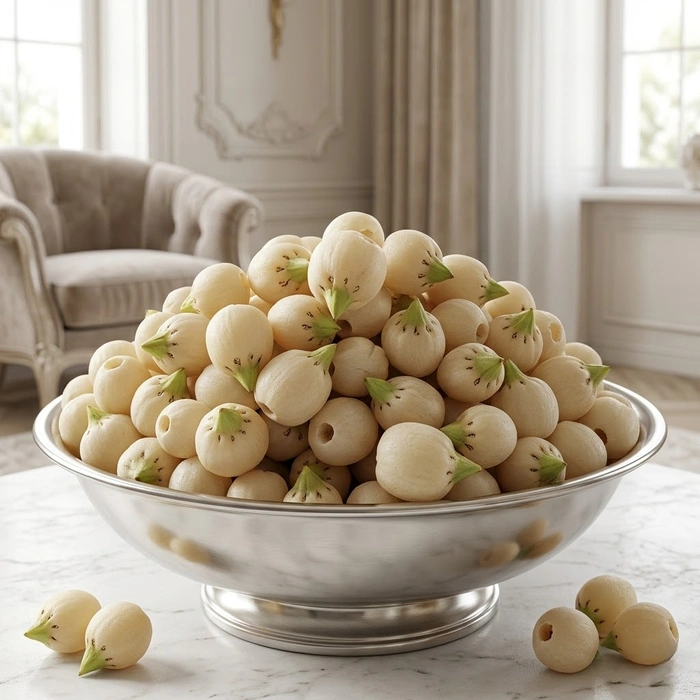
Mahua Flower Manufacturer & Global B2B Exporter from India
Vardhman Nutrition Co. is an India-based Mahua Flower Manufacturer, Supplier and Global B2B Exporter, supplying Indian-origin botanical ingredients to international importers, wholesalers, distributors, food ingredient businesses, herbal manufacturers, nutraceutical companies, cosmetic manufacturers, botanical processors and private-label businesses.
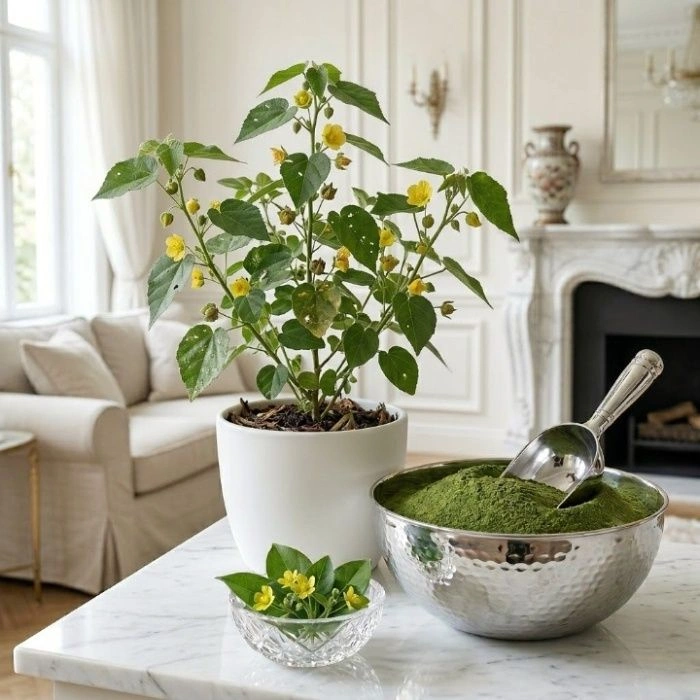
Mahua Flower is the naturally sweet and aromatic blossom of the Mahua tree, botanically identified as Madhuca longifolia. The flowers are traditionally collected during the seasonal flowering period and prepared through suitable cleaning, drying, sorting and handling practices for commercial use.
Because of its natural sweetness, distinctive aroma and botanical characteristics, Dried Mahua Flower is relevant to selected food, beverage, herbal, botanical and further-processing applications.
Vardhman Nutrition Co. focuses on international B2B procurement rather than domestic retail supply. Businesses looking for Mahua Flower from India can discuss commercial quantities, specifications, packaging, intended application and destination requirements.
Our export-oriented supply can support buyers in the USA, UK, Europe, Germany, UAE, Australia and South Korea, subject to applicable destination-country regulations and product-use requirements.
Indian Mahua Blossom for Overseas Buyers
India is an important source of herbs, flowers, seeds and other botanical raw materials. Mahua is a traditional Indian tree with significant importance in rural and forest-based economies.
The flowers are generally collected during the flowering season and subsequently dried for storage and commercial handling. Proper post-harvest management helps maintain their natural characteristics.
International buyers may search for this botanical ingredient using several terms, including:
- Mahua Flower
- Mahua Flowers
- Dried Mahua Flower
- Dried Mahua Flowers
- Indian Mahua Flower
- Madhuca Flower
- Madhuca longifolia Flower
- Mahua Blossom
- Mahua Dried Flower
- Indian Mahua Flowers
- Mahua Botanical Ingredient
These variations are useful for companies searching for an Indian Mahua Flower Supplier or Mahua Flower Exporter from India.
Botanical Identity and Flower Characteristics
Mahua belongs to the Sapotaceae family, and the flowers are the plant part supplied under this product category.
Product Identification
- Botanical Name: Madhuca longifolia
- Common Name: Mahua
- Plant Part: Flower
- Family: Sapotaceae
- Origin: India
- Product Form: Dried Flowers
Mahua flowers are naturally sweet and aromatic. Their colour, texture, aroma and overall appearance may vary depending on geographical origin, maturity, harvesting conditions, drying practices and storage.
For international B2B procurement, buyers requiring a defined botanical identity or specific physical characteristics should communicate those requirements before ordering.
Natural Sweetness of Dried Mahua Flowers
One of the distinctive characteristics of Mahua flowers is their naturally sweet profile.
The blossoms contain naturally occurring sugars and carbohydrates, contributing to their traditional culinary relevance. The nutritional and botanical composition may vary between batches because agricultural raw materials are influenced by growing conditions, maturity and post-harvest handling.
Reported components can include:
- Glucose
- Fructose
- Sucrose
- Maltose
- Other natural sugars
- Plant carbohydrates
- Protein
- Amino acids
- Phenolic compounds
- Flavonoids
- Tannins
- Saponins
- Triterpenoids
- Glycosides
- Alkaloids
Mineral elements reported in Mahua material can include calcium, phosphorus, iron, magnesium, potassium and copper.
These components should be understood as part of the botanical composition rather than as guaranteed nutritional concentrations. Buyers requiring analytical values should specify testing requirements for commercial procurement.
Traditional Food Uses of Mahua Flower
Mahua flowers have longstanding culinary and traditional importance in India.
Mahua Flower for food applications may be evaluated by manufacturers developing suitable products where the ingredient is permitted under applicable regulations.
Traditional preparations can include:
- Halwa
- Kheer
- Laddoo
- Roti
- Regional sweet preparations
- Botanical food blends
- Traditional culinary products
The natural sweetness of the dried blossoms makes them relevant to selected food concepts and plant-based formulations.
Food manufacturers should evaluate flavour, sweetness, moisture, appearance and other technical characteristics according to their formulation requirements.
Mahua Flower for Beverage and Botanical Preparations
Dried Mahua Flowers have also been associated with traditional beverage preparation.
Mahua Flower for beverage applications may be considered by businesses developing suitable botanical drink concepts, traditional beverages and other permitted formulations.
Potential areas include:
- Botanical beverage preparations
- Traditional drinks
- Fermented beverage concepts
- Plant-based beverage formulations
- Botanical blends
- Further-processing applications
Commercial beverage use must comply with the food, beverage and product regulations applicable in the destination market.
Herbal and Botanical Formulation Potential
Mahua has a long history of traditional use in Indian communities and traditional healthcare practices.
Mahua Flower for herbal products may be considered as a botanical raw material by:
- Herbal manufacturers
- Botanical product companies
- Traditional formulation businesses
- Herbal ingredient distributors
- Botanical processors
- Plant-based product developers
The final application should be established by the manufacturer according to the intended formulation, target market and regulatory framework.
Traditional uses should not automatically be presented as clinically established medical benefits.
Mahua Flower for Nutraceutical Product Development
International nutraceutical businesses increasingly evaluate plant-derived materials for botanical product development.
Mahua Flower for nutraceutical applications may be considered where its use is suitable and permitted.
Potential commercial users include:
- Nutraceutical manufacturers
- Botanical supplement companies
- Herbal wellness brands
- Ingredient formulators
- Private-label businesses
- Botanical ingredient distributors
Commercial buyers may request details relating to:
- Botanical identity
- Plant part
- Product form
- Appearance
- Colour
- Aroma
- Moisture
- Foreign matter
- Processing information
- Packaging
- Country of origin
- Microbiological requirements
Product suitability should be assessed according to the final formulation and destination-country regulations.
Cosmetic and Personal-Care Possibilities
Mahua-derived botanical materials may also be explored by cosmetic and personal-care businesses.
Mahua Flower for cosmetic applications can be considered for suitable botanical preparations, extracts or formulation research depending on the intended use.
Potential users include:
- Cosmetic manufacturers
- Natural beauty brands
- Herbal personal-care companies
- Botanical ingredient processors
- Private-label manufacturers
- Product-development businesses
Possible areas of exploration include plant-based skin-care preparations, botanical blends and other personal-care concepts.
The finished formulation should be evaluated for stability, compatibility, safety and regulatory compliance.
Traditional Properties and Scientific Research
Mahua flowers and other parts of the tree have been associated with various traditional uses. Scientific studies have also investigated different components of Mahua.
Research interest has included:
- Antioxidant activity
- Antimicrobial activity
- Anti-inflammatory potential
- Liver-related protective effects in experimental models
- Blood-sugar-related research
- Wound-healing studies
- Phytochemical investigations
- Cosmetic applications
- Nutritional characteristics
- Industrial applications
Laboratory and preclinical findings should not be interpreted as proof of guaranteed therapeutic effects in humans.
For responsible commercial communication, traditional use and research interest should be clearly distinguished from clinically established health claims.
From Seasonal Collection to Dried Commercial Material
The quality of dried flowers depends significantly on suitable post-harvest handling.
A commercial preparation sequence may include:
- Selection of suitable flowers
- Seasonal collection
- Removal of unwanted material
- Cleaning
- Controlled drying
- Sorting
- Physical quality inspection
- Batch identification
- Packaging
- Controlled storage
The precise process can vary according to the intended application and buyer specification.
Proper drying is especially important because excessive moisture can negatively affect storage stability and physical condition.
Quality Requirements for International Procurement
International buyers may establish product specifications before placing an order.
Commercial evaluation can include:
- Botanical identification
- Plant-part verification
- Natural colour
- Appearance
- Characteristic aroma
- Moisture
- Foreign matter
- Cleanliness
- Physical condition
- Packaging integrity
- Country of origin
- Batch information
Buyers requiring specific technical parameters should communicate them during the enquiry stage.
Clear specifications help both parties establish expectations regarding the material to be supplied.
Bulk Mahua Flower Supplier from India
Vardhman Nutrition Co. supplies Mahua Flower in bulk from India for international B2B procurement.
Our commercial supply model is suitable for:
- Importers
- Wholesalers
- Distributors
- Food ingredient companies
- Herbal manufacturers
- Nutraceutical businesses
- Cosmetic manufacturers
- Botanical ingredient traders
- Private-label companies
- Product-development businesses
Companies searching for a Bulk Mahua Flower Supplier can provide their required quantity, specification, packaging preference, intended application and destination country.
Mahua Flower Wholesale Supply
As a Mahua Flower Wholesale Supplier from India, Vardhman Nutrition Co. supports commercial businesses requiring larger quantities of Indian botanical material.
Wholesale sourcing may be suitable for:
- Ingredient distributors
- Food businesses
- Herbal product manufacturers
- Nutraceutical companies
- Botanical processors
- Private-label businesses
- International traders
Relevant commercial search terms include:
- Mahua Flower Wholesale Supplier
- Mahua Flower Bulk Supplier
- Dried Mahua Flower Supplier from India
- Indian Mahua Flower Supplier
- Mahua Flower Wholesale Exporter
- Bulk Dried Mahua Flowers
- Madhuca Flower Supplier from India
- Mahua Botanical Ingredient Supplier
Commercial terms depend on quantity, specification, packaging and destination.
Mahua Flower B2B Supply for Global Businesses
Vardhman Nutrition Co. operates as a Mahua Flower B2B Supplier and Mahua Flower B2B Exporter from India, supporting international companies seeking Indian-origin botanical ingredients.
Our B2B model is designed around:
- Bulk procurement
- Wholesale orders
- Regular sourcing
- Export packaging
- Product-specific specifications
- Botanical ingredient supply
- Private-label requirements
- Further-processing projects
The commercial supply process is intended for businesses rather than individual retail consumers.
Mahua Flower Export from India
India has an established botanical sourcing environment with a wide range of flowers, herbs, seeds and plant-derived ingredients.
Vardhman Nutrition Co. supports Mahua Flower Export from India according to commercial requirements and applicable destination-country regulations.
Mahua Flower Export to USA
US importers, food ingredient businesses, herbal manufacturers and botanical distributors can enquire about Mahua Flower Export to USA according to their intended application and import requirements.
Mahua Flower Export to UK
Businesses searching for Mahua Flower Export to UK can discuss quantity, specifications, packaging and documentation requirements.
Mahua Flower Export to Europe
European buyers can explore Indian-origin Dried Mahua Flower for suitable food, botanical and other permitted applications, subject to applicable regulations.
Mahua Flower Export to Germany
German importers searching for a Mahua Flower Supplier from India can discuss product identity, quantity, packaging and intended application.
Mahua Flower Export to UAE
UAE importers, wholesalers and distributors can enquire about Bulk Mahua Flower from India for suitable commercial applications.
Mahua Flower Export to Australia
Australian businesses can explore Indian Mahua Flower according to technical specifications and local import requirements.
Mahua Flower Export to South Korea
South Korean buyers can discuss Indian-origin Mahua Flower supply according to quantity, packaging, botanical requirements and intended use.
All international shipments remain subject to applicable import regulations, documentation and product-use requirements.
Private Label Mahua Flower Supply
Businesses developing their own botanical or natural-product brands may require customized sourcing.
Mahua Flower Private Label requirements can be discussed according to:
- Target market
- Product grade
- Packaging format
- Label information
- Order quantity
- Destination country
- Intended application
Private-label sourcing may be suitable for herbal brands, food businesses, nutraceutical companies, botanical product developers and international distributors.
Export Packaging and Storage
Suitable packaging helps protect dried flowers during international transportation and storage.
Packaging can be selected according to:
- Order quantity
- Destination
- Shipping method
- Storage duration
- Buyer preference
- Intended application
The material should generally be stored in a clean, dry environment away from direct sunlight, excessive moisture, contamination, insects and strong-smelling substances.
Suitable airtight or moisture-protective packaging may be considered for commercial storage and export transportation.
Shelf-Life Considerations
The storage period of Mahua Flower depends on drying quality, moisture content, packaging, temperature, humidity and handling conditions.
| Product Condition | Typical Storage Consideration |
|---|---|
| Fresh Mahua Flowers | Approximately 2–5 days at room temperature |
| Refrigerated Fresh Flowers | Approximately 7–10 days |
| Dried Mahua Flowers | Approximately 6–12 months |
| Airtight Protective Storage | Up to approximately 12–18 months |
Actual shelf life should be confirmed according to batch-specific documentation and recommended storage conditions.
Possible Signs of Deterioration
Quality should be reviewed if the material develops:
- Unpleasant odour
- Abnormal colour changes
- Mold
- Insect infestation
- Excessive softness
- Stickiness
- Moisture-related changes
Regular inspection and proper stock rotation can help maintain product integrity.
Why International Buyers Source Mahua from India
Indian-origin Mahua Flower offers an established botanical sourcing option for international businesses seeking dried flowers with natural sweetness and traditional significance.
Important commercial considerations include:
- Indian botanical origin
- Seasonal flower collection
- Bulk availability
- B2B supply
- Product-specific procurement
- Export packaging
- International communication
- Customized requirements
- Wholesale sourcing
- Further-processing possibilities
Vardhman Nutrition Co. focuses on connecting Indian botanical sourcing with the requirements of international businesses.
Why Choose Vardhman Nutrition Co.?
When sourcing Mahua Flower from India, international buyers can work with an export-focused botanical supplier.
Our commercial approach includes:
- India-based botanical sourcing
- Bulk Mahua Flower supply
- International B2B procurement
- Wholesale commercial orders
- Product-specific requirements
- Packaging coordination
- Export-oriented handling
- International buyer communication
- Customized sourcing discussions
- Private-label opportunities
- Long-term commercial relationships
Our objective is to serve businesses searching for a dependable Mahua Flower Manufacturer and Exporter from India.
Buy Mahua Flower in Bulk from India
If your business is looking to Buy Mahua Flower in Bulk from India, Vardhman Nutrition Co. welcomes international B2B enquiries.
For a commercial quotation, buyers can provide:
- Required quantity
- Product specification
- Botanical requirements
- Intended application
- Packaging preference
- Destination country
- Documentation requirements
- Shipping preference
- Private-label requirements
Providing these details helps establish a clear procurement requirement before commercial discussion.
Mahua Flower FAQs for Importers
What is Mahua Flower?
Mahua Flower is the blossom of the Mahua tree, botanically identified as Madhuca longifolia. The commercial material is generally supplied in dried form.
What are the common names for Mahua Flower?
Common terms include Mahua Flower, Mahua Flowers, Dried Mahua Flower, Madhuca Flower and Madhuca longifolia Flower.
Can I buy Mahua Flower in bulk from India?
Yes. Vardhman Nutrition Co. supplies Bulk Mahua Flower from India for international B2B procurement.
Who can purchase Mahua Flower wholesale?
Importers, wholesalers, distributors, food ingredient businesses, herbal manufacturers, nutraceutical companies, cosmetic businesses and botanical ingredient traders can enquire about commercial supply.
Is Dried Mahua Flower available for export?
Yes. International buyers can enquire about Dried Mahua Flower Supplier from India requirements according to quantity, specifications, packaging and destination.
Can Mahua Flower be used in food products?
Dried Mahua Flowers have traditional food applications and may be evaluated for suitable commercial food products where permitted by applicable regulations.
Can Mahua Flower be supplied for private-label projects?
Private-label sourcing can be discussed according to product requirements, quantity, packaging, target market and destination.
Which countries can source Mahua Flower from India?
Commercial enquiries can be considered from the USA, UK, Europe, Germany, UAE, Australia and South Korea, subject to destination-specific requirements.
How should Dried Mahua Flower be stored?
It should generally be kept in clean, dry, protective packaging away from direct sunlight, moisture, insects, contamination and unsuitable environmental conditions.
What details are required for a quotation?
Buyers should provide quantity, product specification, intended application, packaging preference and destination country.
Contact Us for Mahua Flower Bulk Export from India
Looking for a reliable Mahua Flower Manufacturer in India, Mahua Flower Supplier from India, or Mahua Flower Exporter from India?
Vardhman Nutrition Co. welcomes enquiries from international importers, wholesalers, distributors, food ingredient businesses, herbal manufacturers, nutraceutical companies, cosmetic manufacturers, botanical processors, private-label companies and international ingredient traders.
We can discuss requirements for:
- Mahua Flower Bulk Supply
- Mahua Flower Wholesale
- Dried Mahua Flower Supply
- Indian Mahua Flower Export
- Mahua Flower B2B Procurement
- Private Label Mahua Flower
- Customized Packaging
- International Botanical Ingredient Supply
- Further-Processing Requirements
For a commercial enquiry, share your required quantity, product specification, intended application, packaging preference and destination country.
Product Information Disclaimer
The information presented on this page is intended for general botanical and commercial reference. Traditional uses and scientific research findings should not be interpreted as guaranteed therapeutic effects. The suitability of Mahua Flower for food, beverage, nutraceutical, cosmetic, herbal or other finished products depends on the formulation, intended use and regulations applicable in the destination market.
Buyers should conduct appropriate technical, quality and regulatory evaluations before commercial use. Product specifications, botanical identity, storage conditions and shelf life should be confirmed according to applicable batch documentation and commercial requirements.








.webp)
.webp)
.webp)
.webp)
.webp)
.webp)
.webp)
.webp)
.webp)
.webp)
.webp)
.webp)
.webp)
.webp)