Moringa Leaf Powder
Naturally Green Moringa Ingredient for International Bulk Trade
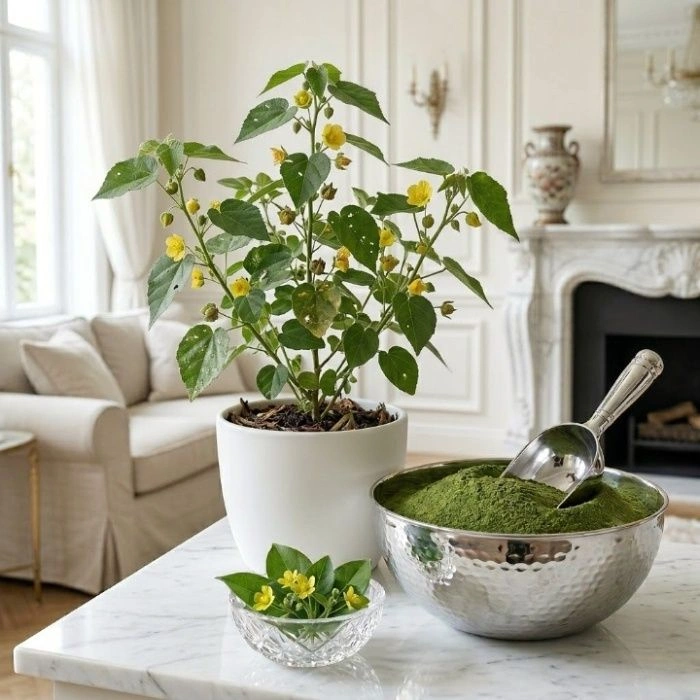
Moringa Leaf Powder is a plant-based botanical ingredient prepared from the leaves of Moringa oleifera, a tree widely associated with the Indian subcontinent. Commonly known as Moringa, Drumstick Tree or Sehjan, the plant has gained worldwide recognition for its versatile nutritional and botanical applications.
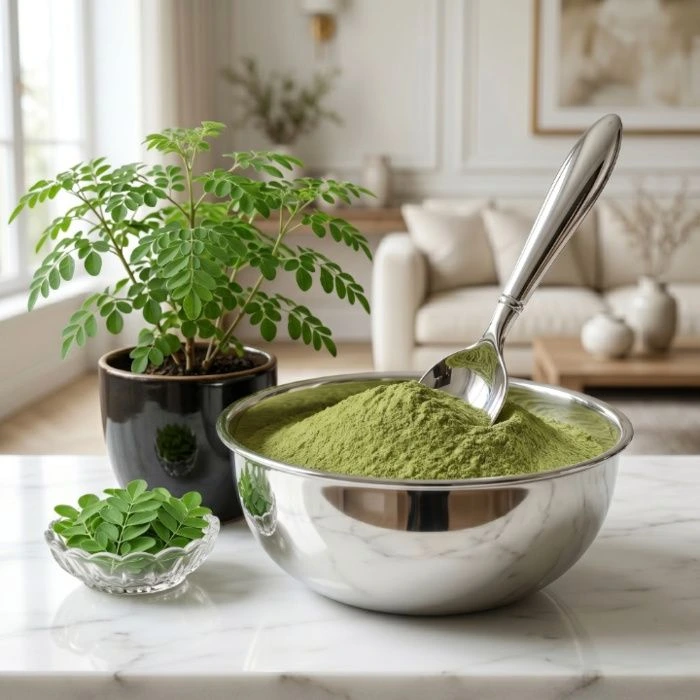
Fresh Moringa leaves are carefully selected, cleaned, dried and finely milled to produce a convenient powdered ingredient. The finished material retains the characteristic green appearance and herbal profile associated with Moringa leaves and can be incorporated into a variety of food, nutraceutical, herbal, cosmetic and wellness formulations.
Vardhman Nutrition Co. is an India-based Moringa Leaf Powder Manufacturer, Supplier and Global B2B Exporter, providing bulk botanical ingredients for international businesses. Our supply model is designed for importers, ingredient distributors, wholesalers, food processors, nutraceutical manufacturers, supplement brands, herbal businesses, cosmetic companies and private-label enterprises.
Commercial buyers can discuss their required quantity, quality parameters, particle fineness, packaging format, documentation and destination before placing an order.
Moringa Oleifera as a Versatile Botanical Resource
Moringa oleifera is a fast-growing plant cultivated in tropical and subtropical regions. Different parts of the tree have traditionally been used for food and botanical purposes, including leaves, pods and seeds.
Among these plant parts, the leaves are particularly popular because they can be processed into a dried powder that is convenient for commercial formulation. Once moisture is reduced and the leaves are milled, the resulting material becomes easier to store, transport and incorporate into manufactured products.
The botanical nature of the raw material also makes it relevant to businesses developing plant-based and natural product ranges.
For commercial sourcing, the botanical identity of the raw material is an important quality consideration. Buyers can establish suitable specifications according to their intended application and target market.
From Harvested Leaves to Usable Powder
The quality of a powdered botanical begins with the condition of the raw material. Moringa leaves therefore require suitable handling from selection through final packaging.
A typical preparation sequence may involve:
- Selection of suitable leaves
- Cleaning of harvested material
- Sorting and removal of unwanted matter
- Grading where required
- Controlled drying
- Milling or grinding
- Sieving
- Physical inspection
- Quality evaluation
- Final packaging
Drying is an important stage because excessive heat or unsuitable environmental exposure may influence the natural colour and aroma of the leaves.
After drying, milling converts the leaf material into a fine powder. Sieving can then be used to obtain the required particle characteristics for a particular commercial application.
The exact processing approach may vary according to the product specification, desired fineness and buyer requirements.
Appearance, Aroma and Physical Character
Finished Moringa Leaf Powder is generally recognised by its natural green colour and characteristic herbal aroma. The texture can vary according to milling and sieving conditions.
For commercial procurement, physical attributes may be evaluated through parameters such as:
- Appearance
- Colour
- Aroma
- Taste
- Texture
- Fineness
- Particle size
- Purity
- Foreign matter
- Moisture
These characteristics can be important for manufacturers because the ingredient may directly influence the appearance, flavour or texture of a finished formulation.
Natural variation can occur due to cultivation, harvesting stage, drying conditions, processing and storage. For this reason, agreed product specifications are useful when establishing a regular supply programme.
Naturally Occurring Nutritional Constituents
Moringa leaves contain a broad range of naturally occurring nutritional components. Their composition is one of the main reasons the plant has become popular within the nutritional and botanical ingredient sectors.
The leaf material is associated with:
- Plant-based protein
- Dietary fibre
- Vitamins
- Minerals
- Carotenoids
- Polyphenols
- Flavonoids
- Chlorophyll
- Other naturally occurring phytochemicals
The nutritional profile is not necessarily identical from one source to another. Cultivation practices, soil conditions, plant variety, harvesting stage, drying method and storage can all influence the final composition.
For industrial use, manufacturers should refer to product-specific analytical information when determining nutritional values for finished-product development.
Vitamins Found in Moringa Leaves
Moringa leaves are recognised as a source of several naturally occurring vitamins.
The nutritional profile may include:
- Vitamin A-related carotenoid compounds
- Vitamin C
- Vitamin E
- Vitamin K
- Vitamin B1
- Vitamin B2
- Vitamin B3
- Vitamin B6
These nutrients contribute to the overall nutritional interest surrounding Moringa as a plant-based ingredient.
However, actual concentrations may vary depending on agricultural and processing conditions. Therefore, commercial buyers should use batch-specific or specification-based analytical information when precise nutritional declarations are required.
Mineral Contribution of the Leaf Material
Moringa leaves are also associated with naturally occurring mineral constituents.
These may include:
- Calcium
- Iron
- Potassium
- Magnesium
- Phosphorus
- Zinc
- Selenium
The presence of these naturally occurring minerals contributes to the nutritional value associated with Moringa leaves.
For food and supplement manufacturers, the appropriate nutritional declaration should be based on applicable laboratory analysis and regulatory requirements rather than generalized values.
Plant Protein and Botanical Compounds
Moringa leaves contain plant-based protein along with various amino acids and other naturally occurring compounds.
The leaves are also known for phytochemical constituents such as quercetin, kaempferol, chlorogenic acid, polyphenols and flavonoids. Glucosinolates and isothiocyanate-related compounds have also been associated with Moringa research.
These compounds contribute to the continuing scientific interest in the plant.
Moringa is therefore relevant not only as a nutritional raw material but also as a botanical ingredient for businesses developing natural and plant-based product concepts.
Moringa Powder in Food Product Formulation
The powdered form of Moringa allows food manufacturers to incorporate the ingredient into selected formulations without handling fresh leaves.
Potential commercial applications include:
- Smoothie mixes
- Juice and beverage powders
- Nutrition blends
- Cereal products
- Bakery preparations
- Energy bars
- Nutrition bars
- Herbal food mixes
- Plant-based food products
- Functional food preparations
- Soup and savoury formulations
The natural green colour can be a useful feature in products where Moringa is intended to remain visually identifiable.
Manufacturers should conduct formulation trials before determining the final inclusion rate because the flavour, aroma and colour contribution may differ between recipes.
Opportunities for Beverage Manufacturers
Moringa Leaf Powder can be considered for businesses developing powdered beverage mixes and plant-based nutritional drinks.
Potential formats include:
- Herbal beverage powders
- Smoothie blends
- Nutrition drinks
- Green beverage mixes
- Plant-based drink formulations
- Wellness-oriented beverage products
Because Moringa has a distinctive herbal character, formulation developers may combine it with other compatible ingredients to achieve their desired flavour and sensory profile.
The final product should be evaluated for taste, stability, appearance and regulatory suitability before commercial launch.
Use in Nutritional and Functional Foods
Food businesses seeking plant-based ingredients may evaluate Moringa as part of nutritional and functional food concepts.
The powder can be incorporated into products designed around botanical ingredients, plant-based nutrition or fibre-containing formulations.
Potential opportunities include:
- Nutritional mixes
- Functional food blends
- Plant-based nutrition products
- Health-oriented food preparations
- Herbal food products
- Nutrition bars
- Powdered food blends
The suitability of the material depends on the finished product's formulation, processing method and intended market.
Moringa for Nutraceutical Product Manufacturers
The nutraceutical sector represents an important commercial application for Moringa Leaf Powder.
Manufacturers can evaluate the ingredient for various product formats, including:
- Nutritional powders
- Supplement blends
- Fibre and botanical mixtures
- Sachet products
- Herbal formulations
- Wellness powders
- Plant-based nutrition products
- Nutritional beverages
For supplier qualification, nutraceutical businesses may review botanical identity, purity, moisture, microbiological parameters, heavy metals, pesticide residues and other applicable quality characteristics.
Finished-product claims should always be supported by suitable evidence and comply with the regulations applicable to the destination market.
Moringa for Herbal Product Development
Moringa has a long history of traditional use as a food and botanical plant. Modern manufacturers continue to explore the dried leaves as a raw material for herbal and plant-based products.
The powdered material may be considered for:
- Botanical blends
- Herbal preparations
- Traditional-inspired products
- Plant-based wellness formulations
- Herbal beverage mixtures
- Botanical nutrition products
Its versatility allows manufacturers to develop different product concepts while retaining the natural identity of the plant.
Cosmetic and Personal-Care Product Possibilities
Moringa-derived botanical material may also be evaluated by cosmetic and personal-care manufacturers.
Potential applications include:
- Botanical face preparations
- Herbal masks
- Natural skincare products
- Plant-based cosmetic blends
- Hair-care formulations
- Botanical personal-care products
The suitability of Moringa powder for a cosmetic formulation depends on the product's intended use, processing method, formulation compatibility and regulatory requirements.
Cosmetic manufacturers should perform appropriate formulation and stability testing before commercial production.
Research Interest in Moringa
Moringa has been the subject of research relating to its nutritional composition and naturally occurring phytochemicals.
Scientific investigations have explored areas including antioxidant activity, inflammation-related mechanisms, microbial activity, metabolic parameters, nutritional applications and liver-related effects.
Some research has indicated potentially interesting biological activity associated with compounds present in Moringa leaves. However, evidence differs considerably between laboratory studies, animal research and human investigations.
For this reason, Moringa Leaf Powder should not be presented as a replacement for medical treatment. Any health-related statement used in a finished commercial product should be based on appropriate evidence and permitted under the regulations of the intended market.
Quality Evaluation for International Buyers
Quality consistency is an important factor for companies importing botanical ingredients from India.
Before approving a supplier, buyers may establish specifications covering:
- Botanical identity
- Appearance
- Natural green colour
- Aroma
- Taste
- Purity
- Moisture
- Foreign matter
- Particle size
- Mesh characteristics
- Microbiological parameters
- Heavy metals where applicable
- Pesticide residue requirements where applicable
- Packaging integrity
- Shelf-life requirements
The exact specification should be established according to the intended application and buyer's internal quality standards.
Bulk Supply for Commercial Manufacturing
Vardhman Nutrition Co. provides Bulk Moringa Leaf Powder for businesses requiring commercial quantities from India.
Our B2B supply model can serve:
- Importers
- Ingredient distributors
- Wholesalers
- Food manufacturers
- Nutraceutical companies
- Supplement brands
- Herbal businesses
- Cosmetic manufacturers
- Ingredient traders
- Private-label companies
Buyers can share their required volume, intended application, technical parameters, packaging preference and destination country to begin a sourcing discussion.
Wholesale Moringa Ingredient Supply
Businesses looking for a Moringa Leaf Powder Wholesale Supplier can source commercial quantities for further manufacturing or distribution.
Wholesale procurement may be suitable for companies that purchase botanical ingredients in larger quantities rather than retail packs.
Supply discussions may cover:
- Order volume
- Product specification
- Mesh size
- Particle fineness
- Moisture requirements
- Packaging format
- Labelling
- Documentation
- Shipping destination
This allows the purchasing arrangement to be aligned with the buyer's actual business requirement.
Tailored Specifications for Manufacturing Needs
Different industries may require different physical and technical characteristics. A food manufacturer may have requirements that differ from a supplement producer or cosmetic formulator.
Potential buyer-specific parameters can include:
- Particle fineness
- Mesh size
- Moisture level
- Purity
- Packaging
- Bulk quantity
- Labelling
- Documentation
- Other agreed quality parameters
Customized supply remains subject to technical feasibility and the specifications agreed between the buyer and supplier.
Export Packaging for International Transportation
Moringa Leaf Powder requires suitable packaging during storage and international transportation to help protect the powdered botanical material.
Packaging requirements may depend on:
- Order volume
- Destination country
- Transportation method
- Warehouse conditions
- Intended application
- Buyer's packaging specifications
Appropriate packing also supports easier handling during loading, unloading, warehousing and further distribution.
Technical and Commercial Export Documents
International buyers may require documentation for supplier approval, import clearance, internal quality control and product evaluation.
Depending on the shipment and destination, documentation may include:
- Certificate of Analysis (COA)
- Technical Data Sheet (TDS)
- Material Safety Data Sheet (MSDS), where applicable
- Certificate of Origin
- Commercial Invoice
- Packing List
- Shipping documents
- Phytosanitary documentation where applicable
The required documents can vary according to the destination market and buyer's regulatory or commercial requirements.
Moringa Leaf Powder Export from India
Vardhman Nutrition Co. operates an export-oriented B2B model for international businesses seeking botanical ingredients from India.
Our commercial enquiries can include buyers from:
- USA
- UK
- Germany
- Europe
- UAE
- Australia
- South Korea
- Other international destinations
As a Moringa Leaf Powder Exporter from India, we focus on bulk sourcing requirements involving product specifications, packaging, documentation and international shipment coordination.
Buyers should provide their destination country and intended application because import requirements can vary between markets.
Private-Label and OEM Supply Solutions
Businesses creating their own botanical, nutritional or wellness brands may explore Private Label Moringa Leaf Powder and OEM-oriented sourcing.
Depending on the project, discussions may include:
- Bulk ingredient supply
- Product specifications
- Packaging format
- Private-label requirements
- Labelling
- Commercial quantities
- Technical documents
- Export requirements
Private-label products should be developed according to the applicable regulations and labelling standards of the target market.
Sample Review Before a Large Order
Companies qualifying a new supplier may prefer to examine a sample before committing to a commercial shipment.
Sample evaluation can allow buyers to review:
- Appearance
- Colour
- Aroma
- Texture
- Fineness
- Taste
- Formulation compatibility
A sample-based evaluation can help manufacturers compare the material against their internal requirements before moving towards regular procurement.
Storage Practices for Powdered Moringa
Proper storage is important for maintaining the quality and natural characteristics of powdered botanical material.
Recommended practices include:
- Store in a cool and dry place
- Protect from humidity
- Keep packaging properly sealed
- Avoid direct sunlight
- Minimize exposure to heat
- Protect from contaminants
- Use clean and dry handling equipment
- Maintain suitable warehouse hygiene
Opened packaging should be closed securely after use to reduce unnecessary exposure to air and moisture.
Factors Influencing Storage Life
The shelf life of Moringa Leaf Powder depends on several factors, including:
- Raw-material quality
- Processing conditions
- Drying method
- Packaging quality
- Temperature
- Humidity
- Light exposure
- Oxygen exposure
- Warehouse conditions
Possible signs of quality deterioration can include significant colour changes, unusual odour, moisture accumulation, clumping, mould or insect contamination.
Commercial buyers should follow the shelf-life information associated with the supplied product specification and maintain appropriate storage conditions throughout the distribution chain.
Why International Buyers Choose an Indian Moringa Supplier
India provides an established sourcing environment for botanical ingredients, and Moringa is one of the country's widely recognised plant-based raw materials.
Vardhman Nutrition Co. offers an export-focused sourcing option built around:
- India-based manufacturing and supply
- Global B2B orientation
- Bulk commercial quantities
- Botanical ingredient handling
- Controlled processing
- Quality evaluation
- Buyer-specific specifications
- Mesh and moisture requirements
- Export packaging
- Technical documentation
- Private-label and OEM discussions
- International buyer support
Our objective is to establish practical and dependable sourcing relationships with businesses requiring Moringa ingredients for manufacturing, distribution and brand development.
Source Bulk Moringa Leaf Powder from India
If your company is searching for a Moringa Leaf Powder Manufacturer in India, Moringa Leaf Powder Supplier, Moringa Leaf Powder Exporter or Bulk Moringa Leaf Powder Supplier, Vardhman Nutrition Co. can discuss your requirement.
Our B2B supply model is suitable for importers, distributors, wholesalers, food processors, nutraceutical companies, supplement brands, herbal businesses, cosmetic manufacturers and private-label enterprises.
For a sourcing enquiry, buyers can provide:
- Required quantity
- Desired particle or mesh size
- Intended application
- Packaging preference
- Destination country
- Technical specifications
- Documentation requirements
Providing these details helps establish a more suitable commercial supply arrangement.
Request a Moringa Leaf Powder Bulk Quotation
Vardhman Nutrition Co. welcomes enquiries from international businesses looking to source Moringa Leaf Powder in bulk from India.
Whether you require botanical material for food manufacturing, nutraceutical development, herbal products, cosmetic applications, private-label projects or wholesale distribution, our team can discuss the relevant commercial requirements.
Share your required quantity, destination country, application and specifications for further discussion regarding bulk supply, samples, documentation and export arrangements.
Vardhman Nutrition Co.
Moringa Leaf Powder Manufacturer, Supplier & Global B2B Exporter from India
.webp)



.webp)
.webp)
.webp)
.webp)
.webp)
.webp)
.webp)
.webp)
.webp)
.webp)
.webp)
.webp)
.webp)