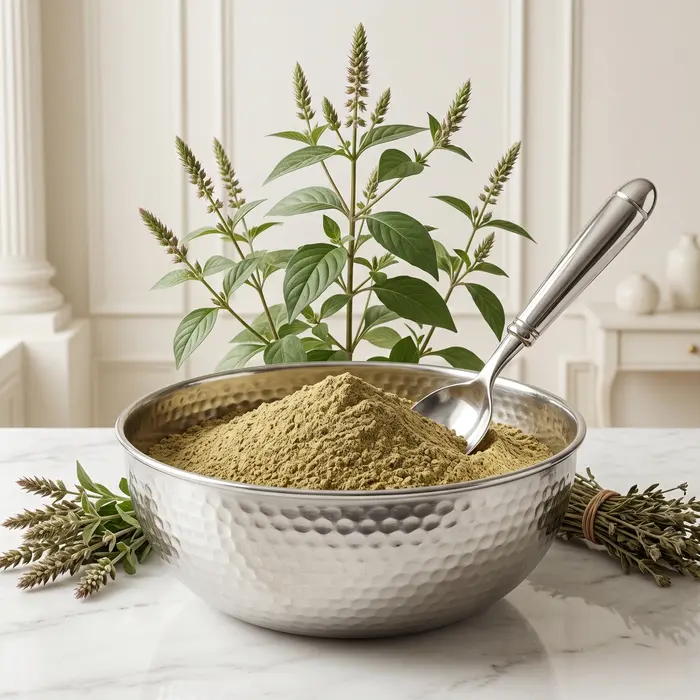
Neem Leaves Powder Manufacturer in India for International B2B Supply
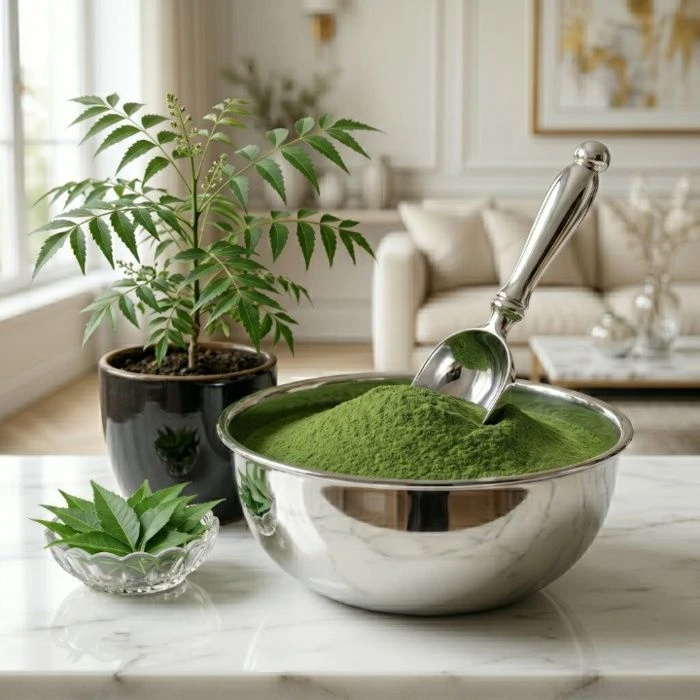
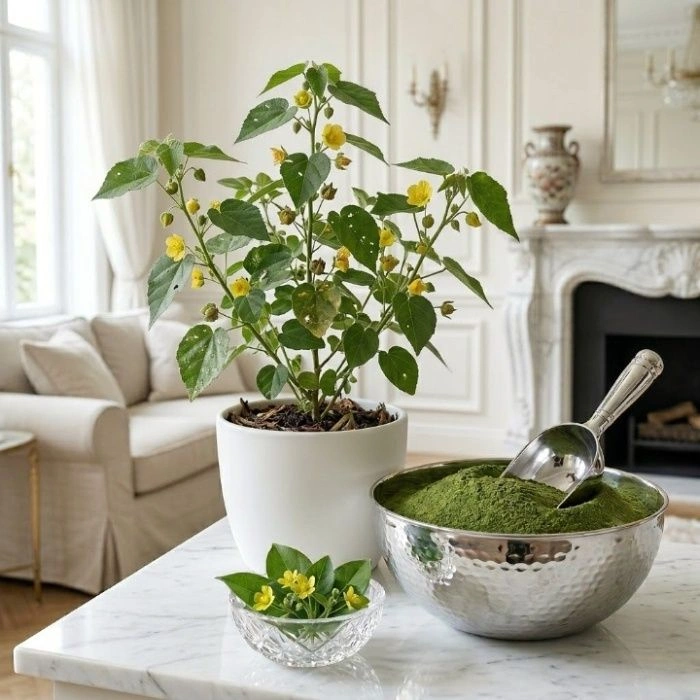
Neem Leaves Powder is a botanical ingredient prepared from the carefully selected, dried leaves of Azadirachta indica, a well-known tree belonging to the Meliaceae family. Neem has a long association with traditional Indian botanical knowledge and is widely recognized as a plant-based raw material for herbal, Ayurvedic, cosmetic, personal-care, nutraceutical and further-processing applications.
Vardhman Nutrition Co. is an India-based Neem Leaves Powder Manufacturer in India, Neem Leaves Powder Supplier from India, and international B2B exporter serving commercial buyers requiring Indian-origin botanical ingredients. Our supply approach is focused on bulk procurement, wholesale requirements, formulation industries, ingredient businesses, distributors and international customers rather than domestic retail supply.
Indian Neem Leaves Powder can be supplied for businesses involved in herbal product manufacturing, Ayurvedic product development, cosmetic formulation, personal care, nutraceutical applications, botanical processing and private-label product development.
International buyers from the USA, UK, Europe, Germany, UAE, Australia and South Korea can discuss their required product grade, quantity, particle size, packaging, intended application and destination-country requirements.
Indian Neem Leaf Material for Global Botanical Procurement
Indian Neem Leaves Powder is obtained from selected Neem leaves that are cleaned, dried and processed into a convenient powdered form. The product provides manufacturers and ingredient companies with dried leaf material that can be incorporated into suitable formulations or used as an intermediate for further processing.
The leaf portion is important when purchasing Neem as a botanical ingredient because different plant parts have different commercial identities and applications. Therefore, buyers should clearly specify that they require Neem Leaves Powder when communicating their procurement requirements.
The product may be known in different markets as Neem Leaf Powder, Indian Neem Leaf Powder, Dried Neem Leaf Powder, Neem Herbal Powder, Neem Green Leaf Powder, Neem Patta Powder, Azadirachta indica Leaf Powder, Neem Botanical Powder, Natural Neem Leaf Powder, or Indian Neem Powder.
This terminology allows international buyers, formulators and ingredient distributors to identify the same leaf-origin botanical material according to their market terminology.
Neem Leaves Powder: Product Identity and Commercial Form
Neem Leaves Powder is a dried and finely processed botanical powder made exclusively from Neem leaves. The commercial form is convenient for manufacturers that require powdered botanical raw material instead of whole dried leaves.
Product Identification
- Product Name: Neem Leaves Powder
- Botanical Name: Azadirachta indica
- Family: Meliaceae
- Plant Part: Leaves
- Product Form: Dried Leaf Powder
- Origin: India
- Common Names: Neem, Indian Neem, Margosa
A Neem Leaf Powder Supplier from India should provide clear botanical and plant-part identification so that international buyers can confirm that the material corresponds with their product specification.
For manufacturers, this distinction is particularly important when the final formulation requires a leaf-derived botanical ingredient. Product specifications can be established according to intended application, particle size, packaging requirements and destination-market expectations.
Botanical Credentials of Azadirachta indica
Azadirachta indica is a widely recognized tree of the Indian subcontinent and is associated with tropical and subtropical growing regions. Neem has been used in traditional Indian practices for generations, giving the plant an established identity within botanical and herbal ingredient markets.
The quality and physical characteristics of dried Neem leaves can vary depending on cultivation conditions, leaf maturity, harvesting practices, drying conditions and post-harvest handling.
Once processed into powder, characteristics such as colour, aroma, texture and particle size can also depend on the selected processing method.
For international B2B procurement, botanical identity should therefore be considered together with the required grade and technical specifications.
Naturally Occurring Components in Neem Leaf Powder
Neem leaves contain a variety of naturally occurring plant compounds. Their composition is not necessarily identical from one growing region or batch to another because botanical materials are influenced by environmental and processing factors.
Neem leaf material is associated with naturally occurring:
- Flavonoids
- Polyphenolic compounds
- Tannins
- Terpenoids
- Limonoid-related constituents
- Glycosides
- Proteins
- Carbohydrates
- Minerals
- Other phytochemicals
These naturally occurring components contribute to the botanical identity and commercial interest of Neem leaves.
However, the exact analytical profile can vary according to geographical origin, environmental conditions, plant maturity, harvesting methods, drying practices and processing. Buyers requiring a particular specification or standardized botanical material should communicate their technical requirements before commercial procurement.
From Fresh Leaves to Commercial Botanical Powder
The preparation of Dried Neem Leaf Powder requires suitable post-harvest handling to maintain the identity and usability of the botanical raw material.
A typical commercial preparation may involve several stages:
- Selection of suitable Neem leaves
- Harvesting of botanical material
- Removal of damaged or unsuitable leaves
- Cleaning and sorting
- Controlled drying
- Moisture management
- Grinding of dried leaves
- Sieving according to particle-size requirements
- Quality inspection
- Export-oriented packaging
The processing approach may be adjusted according to the intended grade and buyer requirements.
As a Neem Leaves Powder Manufacturer and Exporter, Vardhman Nutrition Co. focuses on preparing Indian-origin botanical leaf material for international B2B procurement.
Traditional Indian Background and Ayurvedic Product Development
Neem has a longstanding association with traditional Indian herbal knowledge and Ayurvedic practices. Because of this established botanical identity, Neem leaf material is used by businesses involved in traditional and plant-based product development.
Neem Leaves Powder for Ayurvedic Products can serve as a botanical raw material for suitable preparations developed according to the manufacturer's formulation and regulatory requirements.
Potential commercial users include:
- Ayurvedic manufacturers
- Herbal formulation companies
- Traditional wellness brands
- Botanical ingredient processors
- Herbal raw-material distributors
- Plant-based product manufacturers
The suitability of Neem leaf powder for a finished Ayurvedic or traditional product depends on the intended formulation, applicable regulations and product category.
Herbal Formulation Opportunities Using Neem Leaf Material
Neem leaf material can be considered by companies developing herbal and botanical formulations. Its powdered format makes it convenient for blending with other suitable botanical ingredients or using it as a raw material for further processing.
Neem Leaves Powder for Herbal Formulations may be relevant to manufacturers producing:
- Herbal powder blends
- Botanical preparations
- Traditional herbal products
- Herbal extracts
- Plant-based formulations
- Botanical ingredient combinations
- Wellness-oriented products
A Neem Herbal Powder Supplier can support manufacturers that require dried leaf material for formulation and processing.
International manufacturers should establish their own formulation specifications and verify regulatory suitability before using the ingredient in finished products.
Cosmetic Manufacturing with Indian Neem Leaf Powder
The natural and botanical personal-care sector has created demand for plant-derived ingredients that can be incorporated into suitable cosmetic formulations.
Neem Leaves Powder for Cosmetic Industry applications may be considered by manufacturers developing botanical personal-care products.
Potential users include:
- Herbal cosmetic manufacturers
- Natural beauty brands
- Personal-care companies
- Botanical ingredient processors
- Skin-care manufacturers
- Private-label businesses
Depending on the final formulation, Neem leaf powder may be incorporated into botanical masks, cleansing powders, herbal blends and other suitable cosmetic preparations.
For international markets, the finished cosmetic product must comply with the applicable cosmetic, safety, labeling and regulatory requirements of the destination country.
Skin-Care Formulation Possibilities
Neem has a long history of association with traditional Indian personal-care practices. This background makes the dried leaf material relevant to businesses developing botanical skin-care concepts.
Neem Leaves Powder for Skin Care may be considered for suitable formulations such as:
- Herbal face packs
- Botanical masks
- Cleansing powders
- Natural skin-care blends
- Herbal body-care preparations
- Botanical personal-care products
Particle size, purity, colour and processing characteristics can influence how a powder performs in a finished formulation. Therefore, cosmetic manufacturers should communicate their technical requirements before ordering commercial quantities.
A Natural Neem Leaf Powder Supplier can assist international buyers by discussing product specifications suitable for their intended manufacturing process.
Hair-Care and Scalp-Care Applications
Neem leaf material is also associated with traditional herbal hair-care practices. Manufacturers developing botanical hair products may consider the powdered leaf as a plant-based raw material for suitable formulations.
Neem Leaves Powder for Hair Care can be considered for:
- Herbal hair packs
- Botanical hair powders
- Herbal shampoo formulations
- Scalp-care products
- Hair-care blends
- Natural personal-care formulations
Manufacturers can specify their preferred particle size and product characteristics according to their formulation process.
A Neem Green Leaf Powder Supplier can support businesses seeking Indian-origin botanical material for hair-care and personal-care development.
Nutraceutical Ingredient Procurement
The international nutraceutical industry continues to explore botanical ingredients for plant-based product development. Neem leaf powder may be considered as a raw material for suitable nutraceutical formulations, depending on the intended application and destination-market regulations.
Neem Leaves Powder for Nutraceutical Industry procurement may require detailed technical information regarding:
- Botanical identity
- Plant part
- Appearance
- Colour
- Particle size
- Moisture
- Foreign matter
- Microbiological parameters
- Processing method
- Country of origin
- Packaging
A Neem Botanical Powder Supplier should be able to discuss the buyer's technical expectations before commercial procurement.
The suitability of the material for a particular nutraceutical product must be evaluated by the finished-product manufacturer according to formulation requirements and applicable regulations.
Neem Leaf Powder for Further Processing
Many international companies purchase botanical powders as intermediate raw materials for their own manufacturing operations.
Neem Leaves Powder for Further Processing may be relevant to businesses involved in:
- Botanical extraction
- Powder blending
- Herbal formulation
- Ingredient development
- Research and development
- Cosmetic formulation
- Ayurvedic manufacturing
- Natural-product development
This makes Indian-origin Neem leaf material suitable for businesses that need a flexible botanical input for their own production systems.
For such applications, buyers may specify particle size, moisture, purity, packaging and other technical parameters before placing an order.
Bulk Procurement for Importers and Ingredient Businesses
Vardhman Nutrition Co. supplies Bulk Neem Leaves Powder Supplier requirements for international commercial customers. Our B2B model is intended for companies requiring larger quantities for manufacturing, formulation, distribution or further processing.
Potential customers include:
- Importers
- Wholesalers
- Distributors
- Ayurvedic manufacturers
- Herbal companies
- Nutraceutical businesses
- Cosmetic manufacturers
- Personal-care brands
- Botanical ingredient processors
- Private-label companies
- International ingredient traders
Businesses looking for a Bulk Neem Leaves Powder Supplier can share their required quantity, specification, packaging preference, application and destination country for commercial discussion.
Wholesale Sourcing from an India-Based Supplier
International businesses searching for Neem Leaves Powder Wholesale Supplier services can source Indian-origin botanical material for commercial manufacturing and distribution.
Vardhman Nutrition Co. provides Neem Leaves Powder Wholesale supply for B2B buyers requiring commercial quantities.
Related procurement terminology may include:
- Neem Leaves Powder Wholesale Supplier
- Neem Leaves Powder Bulk Supplier
- Neem Leaf Powder Supplier from India
- Indian Neem Leaf Powder Supplier
- Dried Neem Leaf Powder Supplier
- Neem Herbal Powder Supplier
- Azadirachta indica Leaf Powder Supplier
- Natural Neem Leaf Powder Supplier
- Botanical Leaf Powder Supplier from India
- Herbal Leaf Powder Exporter from India
These terms represent different search patterns used by international ingredient buyers when looking for Indian botanical materials.
Neem Leaves Powder Manufacturer and Exporter from India
India is an established source of botanical and herbal raw materials, and Neem is one of the plants strongly associated with Indian traditional botanical knowledge.
Vardhman Nutrition Co. operates as a Neem Leaves Powder Exporter from India, supplying Indian-origin dried leaf powder for international B2B procurement.
Businesses searching for a Neem Leaves Powder Manufacturer in India can discuss their product specifications, quantity, particle size, packaging and destination.
Our commercial positioning is focused on international supply, supporting importers and manufacturing businesses rather than domestic retail customers.
The company can also serve as a Neem Leaf Powder Exporter from India for buyers seeking Indian-origin botanical material for suitable commercial applications.
International Supply Routes for Global Buyers
Vardhman Nutrition Co. supports international enquiries for Indian Neem leaf powder according to product specifications and destination requirements.
United States
Neem Leaves Powder Export to USA enquiries can be considered from importers, herbal manufacturers, cosmetic companies and botanical ingredient distributors. Buyers can provide their required grade, quantity, packaging and intended application.
United Kingdom
Businesses seeking Neem Leaves Powder Export to UK can discuss commercial requirements for herbal, botanical, cosmetic and personal-care applications, subject to applicable market regulations.
Europe
For Neem Leaves Powder Export to Europe, buyers can communicate their specifications, packaging requirements, intended use and destination country before commercial discussions.
Germany
Companies looking for Neem Leaves Powder Export to Germany can enquire regarding Indian-origin botanical powder based on their required grade, particle size, packaging and application.
UAE
Neem Leaves Powder Export to UAE enquiries may come from importers, wholesalers, distributors and manufacturing companies requiring bulk Indian botanical material.
Australia
Businesses seeking Neem Leaves Powder Export to Australia can discuss requirements according to their intended application and applicable import regulations.
South Korea
For Neem Leaves Powder Export to South Korea, buyers can provide technical specifications, commercial quantity, packaging preferences and destination requirements for evaluation.
B2B Supply for Importers, Wholesalers and Distributors
Neem Leaves Powder B2B Supplier requirements generally involve commercial quantities and clearly defined specifications.
Our Neem Leaves Powder B2B Exporter approach is designed around international business requirements such as:
- Bulk procurement
- Wholesale orders
- Regular sourcing
- Export packaging
- Customized specifications
- Botanical ingredient supply
- Private-label requirements
- Further-processing needs
Commercial terms can vary according to quantity, grade, packaging, destination and other buyer-specific requirements.
For international businesses, clearly communicating specifications at the enquiry stage helps create a more efficient procurement discussion.
Private-Label and OEM Opportunities
Businesses developing their own botanical, herbal or natural-product brands may require customized sourcing arrangements.
Neem Leaves Powder Private Label requirements can be discussed according to:
- Target market
- Packaging format
- Label information
- Product grade
- Order quantity
- Destination country
Private-label sourcing may be suitable for:
- Herbal brands
- Ayurvedic businesses
- Cosmetic companies
- Natural personal-care brands
- Nutraceutical businesses
- Botanical ingredient distributors
Vardhman Nutrition Co. can discuss Neem Leaves Powder OEM Supplier requirements according to the proposed product format and buyer specifications.
Commercial Specifications for International Buyers
International buyers commonly require detailed product information before approving botanical raw materials.
For Neem leaf powder procurement, specifications may include:
- Botanical identification
- Plant-part verification
- Appearance
- Colour
- Aroma
- Particle size
- Moisture
- Foreign matter
- Microbiological parameters
- Packaging integrity
- Country of origin
- Intended application
A buyer may also specify a preferred mesh or particle-size range according to the final manufacturing process.
Technical requirements should be agreed before order confirmation so that the supplied material aligns with the buyer's intended commercial application.
Packaging Planning for International Shipments
Export packaging plays an important role in maintaining the condition of powdered botanical material during handling, storage and transportation.
Packaging requirements may depend on:
- Order volume
- Destination country
- Shipping method
- Buyer preference
- Storage conditions
- Regulatory requirements
Vardhman Nutrition Co. can discuss export-oriented packaging options according to commercial order requirements.
International buyers should communicate their preferred packaging format at the quotation stage, particularly when they have specific warehouse, transportation or regulatory requirements.
Storage and Handling of Neem Leaves Powder
Neem leaf powder should generally be stored in a clean, dry and well-ventilated environment.
The product should be protected from:
- Excess moisture
- Direct sunlight
- Contamination
- Excessive heat
- Unsuitable storage conditions
Proper handling can help maintain the physical integrity of the powder during its intended storage period.
After receipt, buyers should follow the storage recommendations applicable to the supplied grade and packaging configuration.
Keeping packaging properly closed and protecting the material from environmental exposure is important for commercial botanical ingredient storage.
Quality Review Before Commercial Dispatch
Quality consistency is an important consideration for businesses purchasing botanical leaf powders for manufacturing.
A commercial quality review may consider botanical identity, plant-part verification, appearance, colour, aroma, particle size, moisture, foreign matter, microbiological parameters and packaging integrity.
The required specification can vary according to the buyer's application.
For example, a cosmetic manufacturer may have different particle-size or appearance requirements from a company purchasing material for further processing.
Therefore, international buyers should communicate their technical requirements before order confirmation.
Who Can Source Indian Neem Leaf Powder?
The commercial customer base for Indian Neem leaf powder can include businesses across several industries.
Potential buyers include:
- Herbal product manufacturers
- Ayurvedic companies
- Nutraceutical businesses
- Cosmetic manufacturers
- Personal-care brands
- Botanical ingredient distributors
- Importers
- Wholesalers
- Ingredient traders
- Private-label companies
- Further-processing businesses
A Neem Leaves Powder for International Buyers supply model is particularly relevant to companies seeking Indian-origin botanical material for manufacturing or distribution.
Why Indian-Origin Neem Leaves Powder Is Relevant for B2B Buyers
Indian botanical ingredients are widely recognized in international herbal and natural-product supply chains. Neem has a strong botanical identity connected with India, while its dried leaf powder format provides convenience for commercial formulation and further processing.
For international procurement, buyers may value:
- Clear botanical identification
- Defined plant part
- Indian origin
- Commercial bulk availability
- Product-specific specifications
- Export-oriented packaging
- B2B communication
- Customized procurement discussions
- Private-label possibilities
- Long-term sourcing potential
Vardhman Nutrition Co. focuses on connecting Indian botanical supply with international commercial requirements.
Vardhman Nutrition Co. as an India-to-World Supply Partner
Vardhman Nutrition Co. is focused on supplying Indian botanical ingredients to international B2B customers.
Our approach to Neem leaf powder supply is based on:
- India-based botanical sourcing
- Commercial B2B supply
- Bulk export capability
- Export-oriented packaging
- Product-specific procurement support
- Quality-conscious handling
- International buyer communication
- Customized requirement discussions
- Private-label sourcing options
- Long-term business-oriented supply
Businesses searching for a Neem Leaves Powder Manufacturer and Exporter can contact Vardhman Nutrition Co. with their commercial requirements.
Neem Leaves Powder Wholesale Exporter for International Businesses
A Neem Leaves Powder Wholesale Exporter supports businesses that require commercial quantities rather than small retail packs.
International procurement can be planned around:
- Required quantity
- Product grade
- Particle size
- Packaging
- Destination
- Intended application
- Shipping preference
- Private-label requirements
This approach allows importers and manufacturers to communicate their requirements clearly before commercial supply.
For businesses searching for Neem Leaves Powder Bulk Export, Indian-origin material can be evaluated according to the technical and commercial specifications required for the destination market.
How to Start a Commercial Neem Leaf Powder Enquiry
International buyers can make the procurement process more efficient by providing complete information with their initial enquiry.
Please share:
- Required quantity
- Desired product specification
- Preferred particle size
- Packaging requirement
- Destination country
- Intended application
- Private-label requirement, if applicable
- Shipping preference
Based on these details, the requirement can be reviewed for commercial discussion.
This enquiry structure is useful for importers, wholesalers, distributors, manufacturers and ingredient businesses seeking a reliable Indian botanical supplier.
Neem Leaves Powder Buyer FAQs
What is Neem Leaves Powder?
Neem Leaves Powder is a dried botanical powder prepared from the leaves of Azadirachta indica, commonly known as Neem or Indian Neem.
What is the botanical name of Neem leaf?
The botanical name is Azadirachta indica, belonging to the Meliaceae family.
Which plant part is used?
This product is prepared specifically from Neem leaves. Buyers should clearly mention the plant part when placing a commercial enquiry.
Is Indian Neem Leaf Powder available for bulk procurement?
Yes. Vardhman Nutrition Co. focuses on bulk B2B supply for importers, wholesalers, distributors, manufacturers and botanical ingredient businesses.
Who can purchase Neem Herbal Powder?
Herbal companies, Ayurvedic manufacturers, cosmetic businesses, nutraceutical companies, personal-care brands, botanical processors, importers, wholesalers and distributors can enquire for commercial sourcing.
Can Neem Leaves Powder be used for cosmetic formulations?
It may be considered as a botanical raw material for suitable cosmetic and personal-care formulations, subject to the finished product's formulation and applicable regulations.
Can Neem Leaves Powder be used for hair-care products?
Neem leaf powder may be considered for suitable hair-care, scalp-care, herbal hair-pack and botanical powder formulations.
Is private-label supply available?
Neem Leaves Powder Private Label requirements can be discussed according to packaging, labeling, target market, quantity and buyer specifications.
Can buyers request a specific particle size?
Yes. Buyers can communicate their desired particle size or mesh requirement during the procurement discussion.
Does Vardhman Nutrition Co. supply internationally?
Yes. The company focuses on international B2B supply of Indian-origin botanical ingredients and supports enquiries from overseas buyers.
International Neem Leaves Powder Supply from India
For companies seeking Indian-origin botanical ingredients, Neem Leaves Powder provides a convenient dried-leaf format for suitable herbal, Ayurvedic, cosmetic, personal-care, nutraceutical and further-processing applications.
Vardhman Nutrition Co. supports international businesses looking for:
Neem Leaves Powder Manufacturer in India, Neem Leaves Powder Supplier from India, Neem Leaves Powder Exporter from India, Neem Leaves Powder Wholesale Supplier, Bulk Neem Leaves Powder Supplier, Neem Leaves Powder B2B Supplier, Neem Leaves Powder B2B Exporter, Indian Neem Leaves Powder, Neem Leaf Powder Supplier from India, Neem Leaf Powder Exporter from India, Azadirachta indica Leaf Powder Supplier, Azadirachta indica Leaf Powder Exporter, Dried Neem Leaf Powder Supplier, Natural Neem Leaf Powder Supplier, Indian Neem Leaf Powder Exporter, Neem Herbal Powder Supplier, Neem Green Leaf Powder Supplier, Neem Botanical Powder Supplier, Botanical Leaf Powder Supplier from India, Herbal Leaf Powder Exporter from India, Neem Leaves Powder for Ayurvedic Products, Neem Leaves Powder for Herbal Formulations, Neem Leaves Powder for Nutraceutical Industry, Neem Leaves Powder for Cosmetic Industry, Neem Leaves Powder for Skin Care, Neem Leaves Powder for Hair Care, Neem Leaves Powder for Personal Care, Neem Leaves Powder for Further Processing, Neem Leaves Powder Private Label, Neem Leaves Powder OEM Supplier, Neem Leaves Powder for International Buyers, and Neem Leaves Powder Wholesale Exporter.
For bulk procurement, buyers can share their quantity, product specification, particle size, packaging preference, intended application and destination country.
Vardhman Nutrition Co. welcomes enquiries from international importers, wholesalers, distributors, manufacturers, formulation companies, private-label businesses and botanical ingredient buyers seeking Indian-origin Neem leaf powder for commercial applications.
Contact Vardhman Nutrition Co. for B2B Neem Leaf Powder Supply
If you are looking for a Neem Leaves Powder Manufacturer in India, Neem Leaves Powder Supplier from India, or Neem Leaves Powder Exporter from India, Vardhman Nutrition Co. welcomes international B2B enquiries.
For quotation and commercial discussion, please provide:
- Required quantity
- Product specification
- Particle-size requirement
- Packaging preference
- Destination country
- Intended application
- Private-label requirement, if applicable
Our team can review your requirement and discuss suitable options for international procurement and export supply.
Product Information Disclaimer
The information provided on this page describes Neem leaf powder as a botanical raw material and its potential commercial applications. Traditional uses and botanical associations should not be interpreted as medical claims or guarantees of therapeutic effects.
The suitability of Neem leaf powder for any finished food, nutraceutical, cosmetic, Ayurvedic, herbal or other product depends on the formulation, intended use, labeling requirements and regulations applicable in the destination market.
International buyers are responsible for evaluating regulatory compliance and product suitability for their own applications. Specific quality parameters, analytical composition, packaging and commercial specifications should be confirmed according to the applicable batch and buyer requirements.
.webp)



.webp)
.webp)
.webp)
.webp)
.webp)
.webp)
.webp)
.webp)
.webp)
.webp)
.webp)
.webp)
.webp)