
Psyllium Husk
Psyllium Husk is a natural fibre ingredient obtained from the outer covering of the seeds of Plantago ovata. Also known as Isabgol Husk, Ispaghula Husk and Psyllium Seed Husk, it is valued for its dietary fibre content, water-absorbing capacity and functional characteristics.
Premium Indian Isabgol for International B2B Sourcing
Vardhman Nutrition Co. is a Psyllium Husk Manufacturer, Supplier and Global B2B Exporter from India, offering bulk ingredient solutions for international buyers.
Our Bulk Psyllium Husk supply is suitable for importers, wholesalers, distributors, food manufacturers, nutraceutical companies, pharmaceutical businesses, supplement brands and private-label companies.
We follow an export-focused B2B supply model that allows buyers to discuss product specifications, quantity, packaging and destination requirements before commercial procurement.
Plantago Ovata – Botanical Source of Psyllium
The botanical source of Psyllium Husk is Plantago ovata. The husk represents the outer layer surrounding the seed and is separated through controlled processing.
Indian-origin Psyllium is an established ingredient category in international trade. For businesses purchasing natural fibre materials, botanical identity, physical characteristics, purity and consistency are important considerations when selecting a long-term Psyllium Husk Supplier.
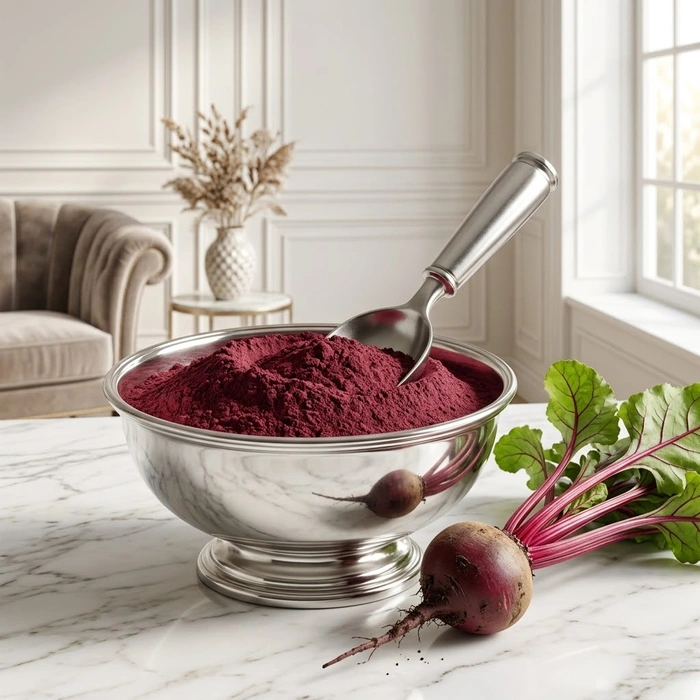
The finished material generally has a light cream to off-white appearance with a mild natural odour and is suitable for different formulation concepts.
Functional Characteristics of This Natural Fibre
A key feature of Psyllium Husk is its ability to absorb water and expand, producing a soft gel-like consistency. This characteristic gives the ingredient functional value in various formulation systems.
Depending on the application, it may contribute to:
- Dietary fibre enrichment
- Water binding
- Moisture retention
- Binding and structure
- Texture modification
- Consistency development
- Bulk formation
- Fibre-focused product development
Actual formulation performance depends on particle characteristics, processing conditions, recipe composition and intended application.
Processing Route from Seed to Finished Husk
Commercial Isabgol Husk undergoes controlled processing before being prepared for bulk supply. Proper handling is important because the material is lightweight and interacts readily with moisture.
- Selection of suitable Plantago ovata raw material
- Cleaning and removal of unwanted material
- Sorting and separation
- Separation of husk from seed
- Grading
- Sieving and particle classification
- Physical quality assessment
- Final inspection
- Suitable bulk packing
Natural Fibre Composition
Psyllium Husk is primarily recognised for its naturally occurring dietary fibre. Its fibre profile includes soluble and insoluble fractions along with natural mucilage and other naturally present components.
It may contain:
- Soluble dietary fibre
- Insoluble fibre fractions
- Natural mucilage
- Arabinoxylan-type components
- Small quantities of protein
- Naturally occurring carbohydrates
- Minor lipid fractions
- Naturally occurring mineral constituents
Analytical values can vary according to raw material, processing conditions and product specification.
Food Industry Applications of Psyllium Husk
Psyllium Husk can be evaluated across different food manufacturing applications where dietary fibre and functional properties are required.
Fibre-Enriched Foods
Food manufacturers may incorporate the ingredient into fibre-focused formulations designed to increase the dietary fibre contribution of finished products.
Bakery Manufacturing
It can be considered for bread, biscuits, baking mixes and related bakery products. Its water-binding characteristics may be useful in recipes where moisture management and structure are important.
Gluten-Free Product Development
Psyllium Husk for gluten-free formulations can be evaluated where binding, structure and moisture management are required without conventional gluten-containing ingredients.
Cereal and Nutrition Products
Breakfast cereals, nutrition bars, fibre blends and related products may use Psyllium as part of a fibre-oriented formulation system.
Nutraceutical Ingredient Opportunities
The nutraceutical sector is another important application area for Psyllium Seed Husk. Manufacturers may evaluate the ingredient for fibre powders, blends, sachets and other nutritional product formats.
- Fibre powders
- Fibre blends
- Supplement mixes
- Sachet formulations
- Nutrition products
- Wellness-oriented formulations
Buyers may assess purity, appearance, moisture, particle characteristics, microbiological parameters and documentation during supplier qualification.
Pharmaceutical Formulation Use
Psyllium-based ingredients are relevant to selected pharmaceutical and healthcare-product formulations where bulk-forming fibre characteristics are required.
Pharmaceutical buyers may place particular emphasis on raw-material specifications, documentation, quality parameters and regulatory suitability. Requirements should therefore be established before commercial supply.
Important Quality Parameters for Buyers
International buyers generally evaluate a natural ingredient against a defined specification before approving it for regular procurement.
- Botanical identity
- Physical appearance
- Colour
- Purity
- Foreign matter
- Moisture
- Particle characteristics
- Swelling characteristics where applicable
- Microbiological parameters
- Heavy metals where applicable
- Pesticide residue requirements where applicable
- Packaging integrity
Bulk Psyllium Husk for Wholesale Procurement
Vardhman Nutrition Co. supplies Bulk Psyllium Husk for international B2B procurement from India.
Potential customers include:
- Importers
- International distributors
- Ingredient wholesalers
- Food-processing companies
- Nutraceutical manufacturers
- Pharmaceutical businesses
- Supplement brands
- Private-label companies
- Ingredient trading companies
Commercial orders can be discussed according to quantity, specification, packaging preference and shipping destination.
Buyer-Specific Product Requirements
Different industries may require different physical or commercial characteristics. International customers can therefore discuss their specific requirements before placing a bulk order.
- Purity
- Particle size
- Fineness
- Packing quantity
- Bulk order size
- Labelling
- Product identification
- Technical documentation
- Shipment requirements
Export Packaging for International Shipments
Proper packaging is an important part of international Psyllium Husk Export because the material should be protected from excessive moisture and contamination during transportation and storage.
Packaging requirements can be discussed according to order volume, destination country, transportation method and buyer specifications.
Documents Available for B2B Export Requirements
Depending on the destination and transaction, international buyers may require technical and commercial documents such as:
- Certificate of Analysis (COA)
- Technical Data Sheet (TDS)
- Material Safety Data Sheet (MSDS), where applicable
- Certificate of Origin
- Commercial Invoice
- Packing List
- Shipping documents
- Phytosanitary documentation, where applicable
Documentation requirements should be confirmed according to the buyer's country and intended application.
Global Markets for Indian Psyllium Supply
Vardhman Nutrition Co. follows an export-focused business model for international buyers sourcing natural ingredients from India.
Our international B2B enquiries can include markets such as USA, UK, Germany, Europe, UAE, Australia and South Korea, along with other global destinations.
Import requirements, documentation and product specifications may differ by country, so buyers are encouraged to provide their destination and application details when requesting a quotation.
Private Label and OEM Ingredient Supply
Businesses developing their own brands can explore Private Label Psyllium Husk and OEM-oriented sourcing requirements.
Commercial discussions may cover bulk ingredient supply, packaging format, labelling requirements, order quantities, technical information, documentation and export shipment requirements.
Sample Evaluation for New Buyers
International companies qualifying a new supplier may prefer to evaluate a sample before moving to a larger purchase.
Sample evaluation can allow buyers to assess physical appearance, handling characteristics, formulation compatibility and other internal quality requirements.
Storage and Handling Recommendations
Psyllium Husk should be stored under suitable conditions because moisture can influence its physical characteristics.
- Keep in a dry environment
- Store in properly sealed packaging
- Protect from direct sunlight
- Keep away from excessive heat
- Protect from steam and water
- Keep away from strong odours
- Maintain clean warehouse conditions
Opened packaging should be resealed properly to minimise unnecessary exposure to atmospheric moisture.
Maintaining Product Quality During Storage
The shelf life of Isabgol Husk depends on factors such as product specification, packaging, storage conditions and handling. Maintaining a clean, dry and controlled warehouse environment can help preserve the ingredient during its specified storage period.
Buyers should follow the batch-specific shelf-life information and storage instructions supplied with the product.
Why Source Psyllium Husk from Vardhman Nutrition Co.?
Vardhman Nutrition Co. provides an India-based sourcing option for businesses seeking Psyllium Husk for international B2B applications.
- Indian-origin natural ingredient supply
- Bulk commercial quantities
- Export-focused B2B operations
- Controlled product handling
- Quality evaluation
- Buyer-specific specifications
- Suitable export packaging
- Technical documentation
- Private-label and OEM requirements
- International buyer support
Frequently Asked Questions About Psyllium Husk
What is Psyllium Husk?
Psyllium Husk is the natural outer covering of the seeds of Plantago ovata. It is also known as Isabgol Husk, Psyllium Seed Husk and Ispaghula Husk.
Do you supply Psyllium Husk in bulk from India?
Yes. Vardhman Nutrition Co. supplies Bulk Psyllium Husk from India for international importers, wholesalers, distributors and manufacturing companies.
Which industries use Psyllium Husk?
Psyllium Husk can be evaluated for food processing, bakery, gluten-free products, nutraceuticals, dietary supplements and selected pharmaceutical formulations.
Can Psyllium Husk specifications be customized?
Buyer-specific requirements related to purity, particle characteristics, packaging, quantity, labelling and technical documentation can be discussed.
Do you export Isabgol Husk internationally?
Yes. Vardhman Nutrition Co. follows an export-focused B2B supply model for international buyers. Destination-specific requirements can be discussed before order confirmation.
Can Psyllium Husk be supplied for private-label products?
Psyllium Husk can be considered for private-label and OEM-oriented product development, subject to applicable packaging, labelling and target-market requirements.
Buy Psyllium Husk in Bulk from India
If you are looking for a Psyllium Husk Manufacturer in India, Isabgol Husk Supplier, Bulk Psyllium Husk Exporter or wholesale Psyllium Husk B2B supplier, Vardhman Nutrition Co. can discuss your commercial requirement.
International buyers can share their required quantity, product specification, packaging preference and destination country to receive further information regarding bulk sourcing.
Vardhman Nutrition Co.
Psyllium Husk Manufacturer & Global B2B Exporter from India
For product specifications, samples, documentation and bulk quotation, contact us with your commercial requirement.
.webp)




.webp)
.webp)
.webp)
.webp)
.webp)
.webp)
.webp)
.webp)
.webp)
.webp)
.webp)
.webp)

.webp)