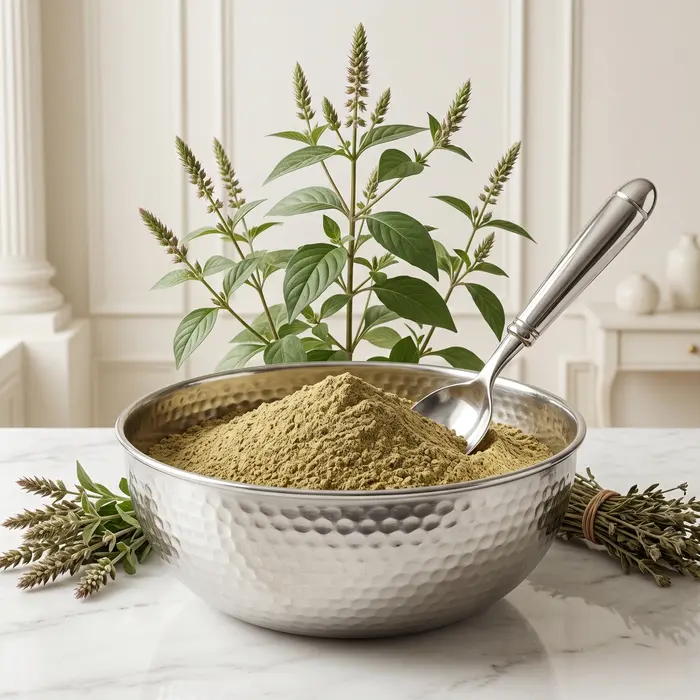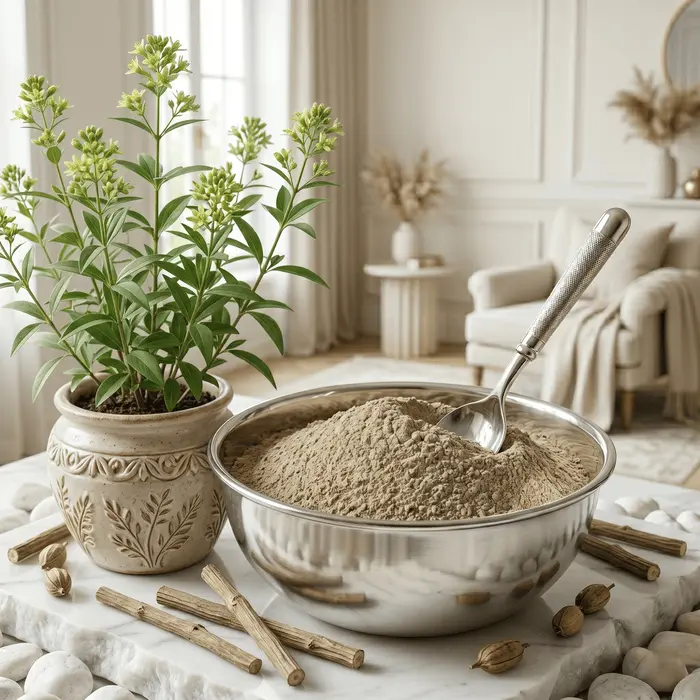
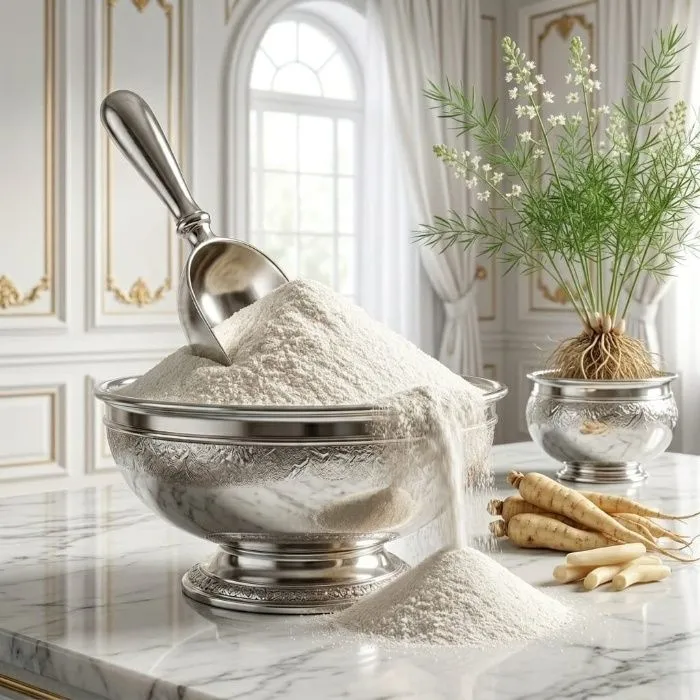
Shatavari Root Powder Manufacturer and Exporter in India
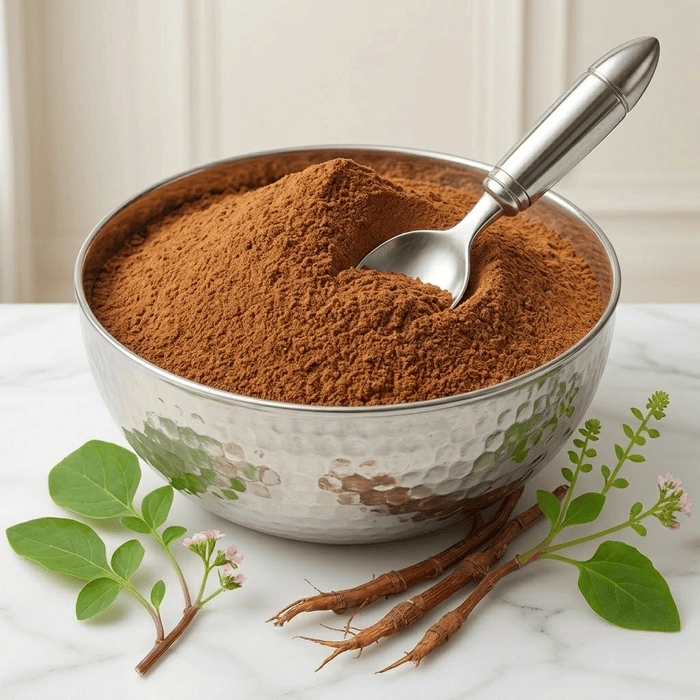
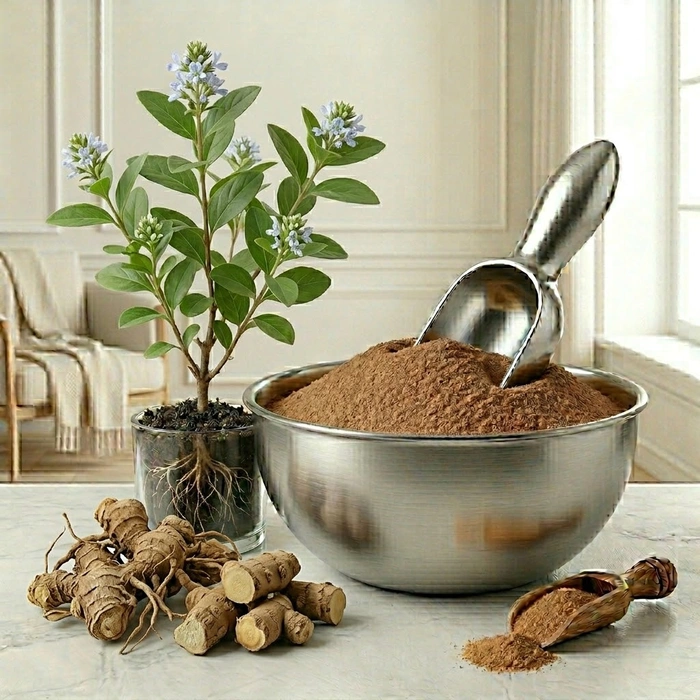
Shatavari Root Powder is a botanical ingredient prepared from the dried roots of Asparagus racemosus, a plant traditionally associated with Ayurveda and Indian herbal practices. The powdered root is used as a botanical raw material in selected herbal, Ayurvedic, nutraceutical, wellness and other permitted formulations.
Vardhman Nutrition Co. is an India-based Shatavari Root Powder Manufacturer, Supplier and Global B2B Exporter, serving international buyers looking for India-origin botanical ingredients in commercial quantities. The company supports enquiries from importers, wholesalers, distributors, nutraceutical businesses, pharmaceutical companies, herbal brands, cosmetic manufacturers and private-label businesses.
For overseas procurement, buyers can discuss quantity, particle size, mesh, packaging, technical specifications and export documentation according to their individual requirements.
Understanding the Shatavari Botanical Raw Material
Shatavari is scientifically known as Asparagus racemosus and belongs to the Asparagaceae family. The root is the principal plant part used to prepare this botanical powder.
Product identity:
- Product Name: Shatavari Root Powder
- Botanical Name: Asparagus racemosus
- Common Names: Shatavari, Satavari, Shatavar, Asparagus Root
- Botanical Family: Asparagaceae
- Plant Part: Root
- Form: Dried Root Powder
- Origin: India
The natural appearance of the finished powder may vary depending on raw-material characteristics and processing conditions. Cream, beige, light brown or similar natural botanical shades may occur.
For B2B procurement, accurate botanical identification is important because manufacturers need to confirm the correct plant species, plant part, form and applicable technical specifications before incorporating the ingredient into their finished products.
Traditional Importance of Asparagus racemosus in India
Shatavari has a long history of association with Ayurveda and traditional herbal practices in India. Its root has traditionally been used in various herbal preparations and wellness-oriented formulations.
The established recognition of this botanical within Indian herbal traditions has also created interest among manufacturers developing botanical product ranges for international markets.
For commercial applications, however, traditional use should be distinguished from modern health claims. Finished-product manufacturers are responsible for ensuring that formulation, dosage, labelling and marketing statements comply with the regulations of the destination country.
Ingredient Potential for Modern Botanical Formulation
Shatavari Root Powder can be evaluated as a plant-derived raw material for manufacturers working with botanical formulations. Its powdered form provides flexibility for incorporation into different product formats, depending on formulation requirements and regulatory permissions.
Potential applications include:
- Herbal powder blends
- Botanical supplements
- Capsules
- Tablets
- Ayurvedic preparations
- Traditional herbal products
- Wellness formulations
- Botanical combinations
Nutraceutical and herbal manufacturers may assess the raw material for botanical identity, sensory characteristics, particle size, moisture and other quality parameters before production.
For international markets, product claims and intended uses should always be established according to the applicable regulations governing the finished product.
Shatavari for Nutraceutical Product Manufacturers
The nutraceutical sector uses a broad range of botanical ingredients in capsules, tablets, powders and formulated blends. Shatavari may be considered by manufacturers seeking an India-origin botanical ingredient for suitable wellness-oriented product development.
Commercial buyers can evaluate the material according to their desired application and technical requirements. Particle size, mesh, moisture and documentation may be discussed during the procurement process.
This makes Shatavari Root Powder Supplier from India an important search requirement for businesses seeking botanical raw materials for further manufacturing rather than retail consumption.
Vardhman Nutrition Co. supports B2B enquiries involving commercial quantities and buyer-specific requirements.
Opportunities in Herbal and Ayurvedic Manufacturing
Because of its traditional association with Ayurveda, Shatavari Root Powder can be considered for selected Ayurvedic and herbal product formulations.
Potential manufacturing categories include:
- Ayurvedic formulations
- Herbal preparations
- Traditional botanical products
- Herbal powder combinations
- Wellness formulations
- Botanical blends
Manufacturers should conduct their own formulation evaluation before using the ingredient in a finished commercial product. Suitability depends on the final product design, applicable regulations and the technical specification required by the buyer.
Women’s Wellness Formulation Applications
Shatavari is traditionally associated with women's wellness in Ayurveda. This traditional background has contributed to its use as an ingredient in selected botanical product concepts.
Depending on market regulations, manufacturers may evaluate Shatavari for:
- Women's wellness powder blends
- Botanical capsules
- Herbal tablets
- Traditional wellness formulations
- Botanical supplement combinations
Any health or therapeutic statement used on a finished product must be appropriately supported and comply with the regulatory requirements of the destination market.
The ingredient itself should therefore be positioned as a botanical raw material, while finished-product claims remain the responsibility of the manufacturer and brand owner.
Botanical Beverage and Herbal Tea Development
Shatavari Root Powder may also be evaluated for selected herbal tea and botanical wellness blend applications where its sensory and technical characteristics are suitable.
Before commercial production, formulators may consider:
- Taste profile
- Particle size
- Solubility
- Compatibility with other permitted ingredients
- Processing conditions
- Applicable food regulations
This allows international manufacturers to assess the ingredient according to their specific product concept rather than relying on a one-size-fits-all specification.
Cosmetic and Personal-Care Ingredient Considerations
Botanical raw materials are used in various cosmetic and personal-care formulations. Shatavari Root Powder may be evaluated by manufacturers developing suitable plant-based or herbal-oriented products.
Cosmetic formulators should assess ingredient compatibility, processing conditions, stability and destination-market requirements before commercial use.
For B2B procurement, the intended application should be communicated at the enquiry stage so that the required product specifications and documentation can be discussed appropriately.
Phytochemical Characteristics of Shatavari Root
The roots of Asparagus racemosus contain naturally occurring botanical constituents that have been investigated in traditional and scientific contexts.
Reported constituent groups include:
- Steroidal saponins
- Shatavarins
- Polyphenolic compounds
- Flavonoids
- Alkaloids
- Naturally occurring vitamins and minerals
- Other plant-derived phytochemicals
The composition of botanical raw material can vary according to geographical origin, cultivation, harvesting, drying, storage and processing conditions. Buyers requiring technical information can discuss suitable batch-specific analytical documentation with the supplier.
Controlled Preparation from Dried Roots
Producing a consistent botanical powder requires appropriate handling of the raw material from selection through final packaging.
Typical processing may include:
- Selection of suitable roots
- Cleaning
- Sorting and grading
- Controlled drying
- Cutting where required
- Grinding
- Sieving
- Foreign-matter control
- Laboratory quality evaluation
- Final packaging
Processing parameters can be adjusted according to the intended application and buyer specification. The objective is to provide a uniform dried root powder suitable for further formulation and manufacturing.
Commercial Quality Parameters for Global Buyers
International buyers generally require clear technical information before approving a botanical ingredient for commercial procurement.
Depending on the application, Shatavari Root Powder specifications may include:
- Botanical identity
- Plant part
- Appearance
- Colour
- Aroma
- Taste
- Particle size
- Mesh
- Moisture
- Foreign matter
- Microbiological parameters
- Heavy metals where applicable
- Pesticide residue requirements where applicable
- Botanical marker compounds where specified
Vardhman Nutrition Co. supports product-focused quality evaluation and documentation according to customer requirements. Buyers can communicate their required specification before placing an order so that the relevant commercial requirements can be evaluated.
Bulk Procurement from an Indian Source
Vardhman Nutrition Co. provides Bulk Shatavari Root Powder for professional buyers requiring commercial quantities. The company focuses on export-oriented B2B supply for businesses sourcing botanical ingredients from India.
The product may be relevant to:
- Importers
- International wholesalers
- Botanical ingredient distributors
- Nutraceutical manufacturers
- Pharmaceutical companies
- Herbal businesses
- Ayurvedic product manufacturers
- Cosmetic companies
- Private-label businesses
Quantity, packaging, mesh size and technical specifications can be discussed according to individual procurement requirements.
Wholesale Shatavari Powder for International Trade
Businesses looking for a Shatavari Root Powder Wholesale Supplier can discuss regular procurement, bulk shipments, customized mesh requirements, moisture specifications, export packaging and technical documentation.
A dependable wholesale arrangement can be useful for importers and distributors supplying botanical ingredients to manufacturers in their respective markets.
Vardhman Nutrition Co. provides an India-based B2B sourcing option for buyers seeking Shatavari Powder Supplier in India, Shatavari Root Powder Wholesale Supplier from India and commercial botanical ingredient supply.
India-Origin Supply for Overseas Markets
Vardhman Nutrition Co. operates as a Shatavari Root Powder Exporter from India, supporting international B2B enquiries for India-origin botanical material.
Export enquiries can originate from markets including:
- USA
- UK
- Europe
- Germany
- UAE
- Australia
- South Korea
- Other international destinations
International buyers can provide the destination country, required quantity, packaging preference and technical specifications so that their commercial requirements can be evaluated before shipment.
Relevant search terms for international procurement include Shatavari Root Powder Manufacturer in India, Shatavari Root Powder Exporter from India, Indian Shatavari Root Powder Supplier, Bulk Shatavari Root Powder Exporter from India, Shatavari Root Powder B2B Exporter from India and Asparagus racemosus Root Powder Supplier from India.
Private Label, OEM and Customized Requirements
Private-label businesses can source botanical ingredients for their own branded product ranges. Shatavari Root Powder may be considered for suitable private-label herbal, Ayurvedic and botanical product concepts.
Commercial discussions may cover:
- Private-label supply
- Customized packaging
- Customized product requirements
- Contract supply
- OEM botanical ingredient supply
- Buyer-specific specifications
Packaging and labelling requirements should be finalized according to the destination country and applicable regulations.
Export Documentation for Shatavari Powder
For international shipments, documentation can vary according to destination, product application and importer requirements.
Depending on the order, available documentation may include:
- Certificate of Analysis (COA)
- Technical Data Sheet (TDS)
- Material Safety Data Sheet (MSDS), where applicable
- Certificate of Origin
- Phytosanitary documentation, where applicable
- Buyer-specific documentation
International buyers should communicate their documentation requirements during the enquiry stage to support smoother commercial planning.
Proper Handling During Storage and Distribution
Suitable storage conditions help maintain the quality and integrity of powdered botanical ingredients during warehousing and transportation.
Shatavari Root Powder should generally be stored in a cool and dry environment and protected from:
- Excessive humidity
- Direct sunlight
- Excessive heat
- Strong-smelling substances
Clean, airtight packaging and dry handling equipment are recommended. Packaging should also be properly resealed after opening.
Actual storage instructions should follow the applicable batch-specific product documentation.
Why International Buyers Source from Vardhman Nutrition Co.
Vardhman Nutrition Co. is an India-based manufacturer and global B2B exporter of Essential Oils, Cold Pressed Virgin Seed Oils and Botanical Herbs. Established in 2018, the company supplies natural ingredients to importers, distributors, private-label businesses, cosmetic manufacturers, nutraceutical companies and pharmaceutical businesses worldwide.
The company identifies itself as an ISO 9001:2015 certified organization and focuses on quality management across production and packaging processes.
For buyers seeking a Shatavari Root Powder Manufacturer, Shatavari Root Powder Supplier or Shatavari Root Powder Exporter from India, Vardhman Nutrition Co. provides an India-based B2B sourcing option for commercial botanical requirements.
Frequently Asked Questions About Shatavari Root Powder
What is Shatavari Root Powder?
It is a dried botanical powder prepared from the roots of Asparagus racemosus, a plant traditionally associated with Ayurveda and Indian herbal practices.
What is the scientific name of Shatavari?
The botanical name is Asparagus racemosus, belonging to the Asparagaceae family.
Which plant part is used?
The root is used to prepare Shatavari Root Powder.
Do you supply Shatavari Powder in bulk?
Yes. Vardhman Nutrition Co. supports commercial bulk requirements for international B2B buyers.
Can buyers request a specific mesh size?
Yes. Mesh or particle-size requirements can be discussed according to the buyer's intended application and technical specification.
Do you export Shatavari Root Powder from India?
Yes. Vardhman Nutrition Co. supplies India-origin Shatavari Root Powder for international B2B enquiries and export requirements.
Which countries can import the product?
Enquiries are supported from the USA, UK, Europe, Germany, UAE, Australia, South Korea and other international destinations.
Can private-label businesses source the ingredient?
Yes. Private-label and customized supply requirements can be discussed according to product, packaging and destination-market specifications.
Request a Commercial Quotation
International buyers looking for Shatavari Root Powder B2B Supplier, Bulk Shatavari Root Powder Supplier, Shatavari Root Powder Wholesale, Shatavari Root Powder Manufacturer in India or Shatavari Root Powder Exporter from India can contact Vardhman Nutrition Co. for commercial sourcing discussions.
For a quotation, buyers should share:
- Required quantity
- Preferred mesh or particle size
- Packaging requirement
- Intended application
- Destination country
- Technical specification
- Documentation requirements
Vardhman Nutrition Co. supports international importers, wholesalers, distributors, manufacturers and private-label businesses seeking India-origin Shatavari Root Powder for commercial applications.
Contact Vardhman Nutrition Co. to discuss your Shatavari Root Powder sourcing requirements from India.
Product Information Disclaimer
Shatavari is traditionally associated with Ayurveda and herbal practices. Traditional-use information should not be interpreted as a guaranteed medical or therapeutic outcome. Finished-product manufacturers and importers are responsible for formulation, dosage, labelling, marketing claims and regulatory compliance in their respective markets.







.webp)



.webp)
.webp)
.webp)
.webp)
.webp)
.webp)
.webp)
.webp)
.webp)
.webp)
.webp)
.webp)
.webp)