
Botanical Name : Acacia concinna
Condition: Authentic, Clean and Sorted
Form : Powder
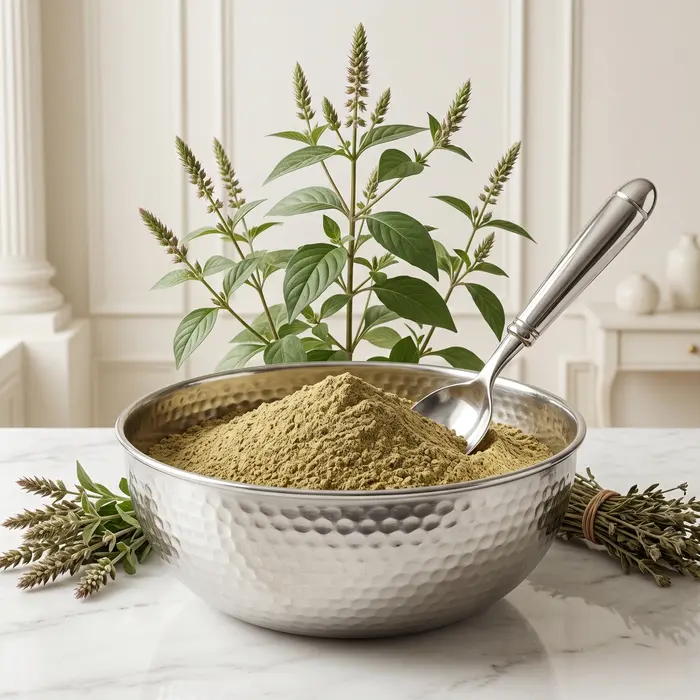
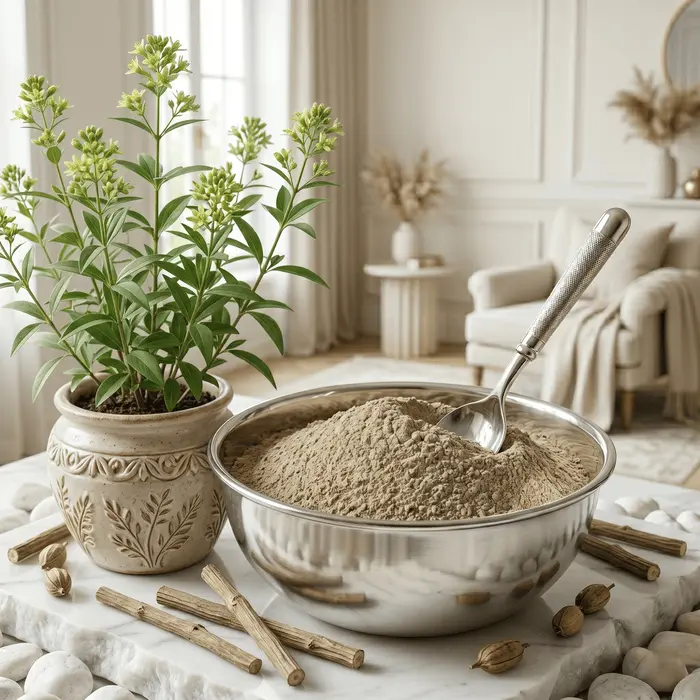
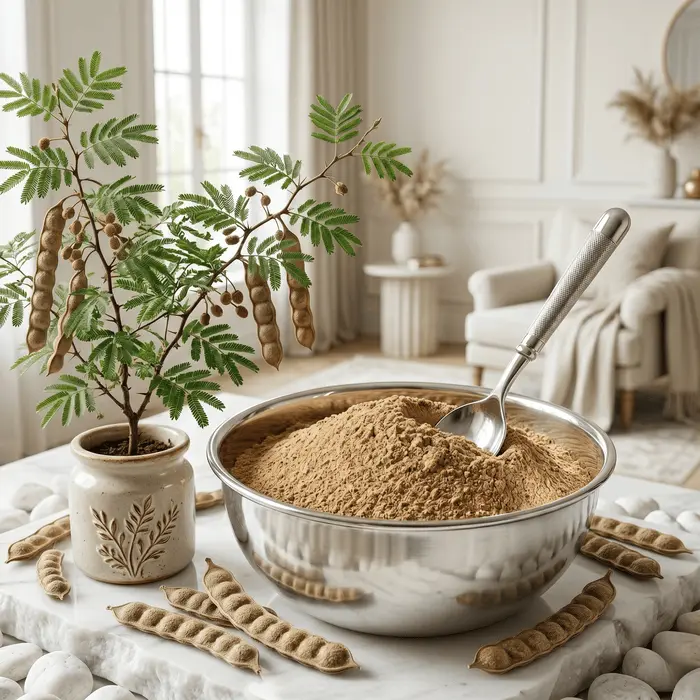
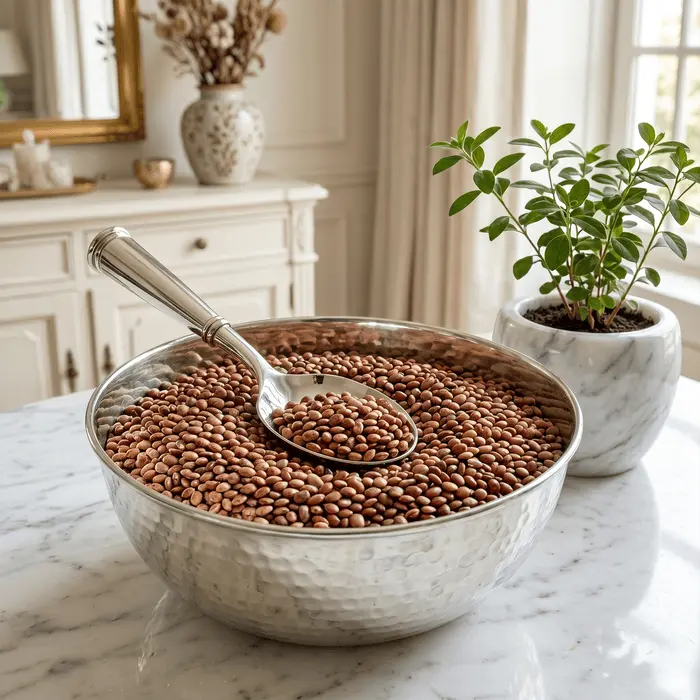
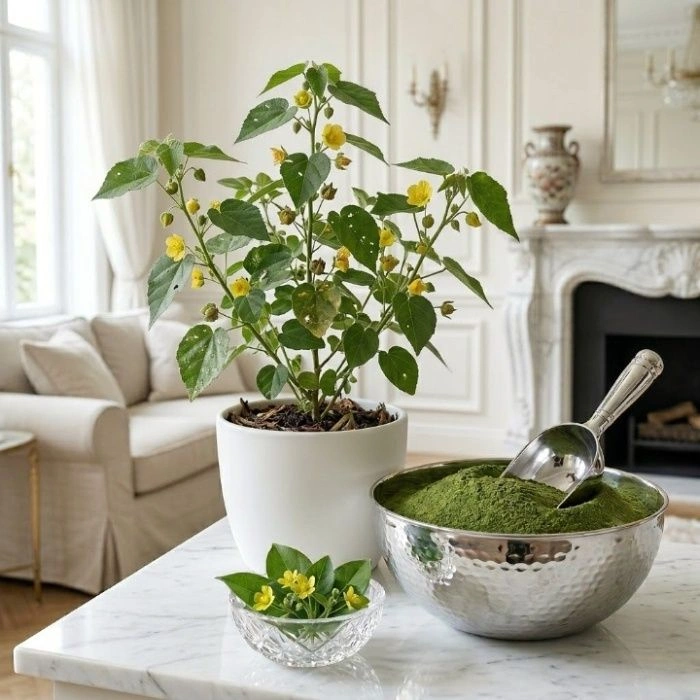
Shikakai Powder is a botanical ingredient prepared from the dried pods of Acacia concinna, a plant traditionally associated with natural hair cleansing and herbal personal care practices. Known for its naturally occurring saponins, Shikakai has long been used in Indian hair-care traditions as a plant-based cleansing material. Today, the ingredient has gained commercial relevance among manufacturers developing herbal shampoos, hair masks, scalp-care preparations, cleansing powders, soaps, natural personal-care products and botanical formulations.
Vardhman Nutrition Co. supplies Shikakai Powder from India for bulk B2B requirements, wholesale procurement and international export. The ingredient can be considered by importers, distributors, cosmetic manufacturers, herbal product companies, Ayurvedic businesses, private-label brands and personal-care formulators looking for an India-origin botanical raw material.
Shikakai is particularly valued in formulation concepts where manufacturers want to incorporate traditional botanical ingredients into modern cleansing and grooming products. Its naturally present saponins contribute cleansing characteristics, while its botanical profile makes it suitable for blending with other herbs used in hair and scalp care.
The botanical identity of Shikakai is closely connected with Acacia concinna, a member of the Fabaceae family. The plant is traditionally found across parts of India and other regions of South and Southeast Asia. The mature pods are the principal botanical material used for preparing Shikakai Powder.
After harvesting, suitable pods are selected and dried under controlled conditions. The dried material is then cleaned and processed into a powder of appropriate fineness. Processing practices are important because botanical raw materials can naturally vary according to cultivation conditions, maturity, harvesting period, drying methods and storage.
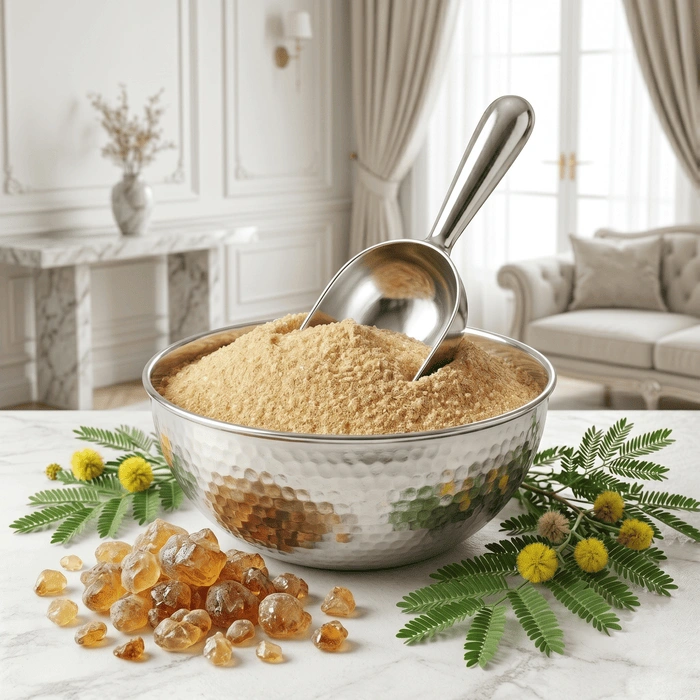
The resulting powder generally has a natural brown to brownish appearance and a characteristic herbal aroma. Its sensory profile may vary according to the botanical material and processing conditions. For commercial applications, the final characteristics should be evaluated against the requirements agreed between the buyer and supplier.
One of the most commercially interesting characteristics of Shikakai is its naturally occurring saponin content. Saponins are plant compounds known for their surface-active properties and are traditionally associated with the cleansing action of several botanical materials.
When Shikakai Powder is combined with water, its natural constituents can contribute to a mild cleansing effect and limited lather. This characteristic has made Shikakai an established ingredient in traditional hair-washing preparations and an interesting material for contemporary botanical cleansing concepts.
Alongside saponins, Shikakai naturally contains other phytochemical groups, including tannins, flavonoids, phenolic compounds, glycosides and additional plant constituents. The exact composition can vary according to the botanical source and processing conditions. Therefore, commercial buyers should rely on the applicable product documentation and agreed specifications when evaluating a particular lot.
The modern personal-care market has created growing interest in ingredients with recognizable botanical identities and established traditional histories. Shikakai fits naturally into this category because its use is strongly associated with Indian herbal hair-care practices.
For manufacturers, its value is not limited to one finished-product category. The powdered botanical can be incorporated into different formulation concepts depending on particle size, processing requirements, blending compatibility and the intended application.
It may be considered for traditional-style hair powders, rinse-off products, cleansing masks, herbal shampoo systems and other personal-care concepts. Formulators can also combine it with complementary botanicals such as Amla, Reetha, Neem and Brahmi, subject to their formulation objectives.
Shikakai has a long association with traditional Indian hair hygiene. The dried botanical material was historically prepared with water and used as a cleansing preparation for the scalp and hair. Its naturally occurring saponins helped provide a cleansing effect without relying on conventional synthetic surfactants.
Traditional use also includes combining Shikakai with other botanical ingredients to create personalized herbal hair-care preparations. Such combinations have contributed to the continuing recognition of Shikakai within Ayurveda-inspired and natural personal-care markets.
For commercial manufacturers, this traditional identity can provide a useful botanical positioning element when developing products intended for consumers interested in herbal and plant-based personal care.
Herbal shampoo remains one of the most relevant commercial applications for Shikakai Powder. Manufacturers can explore the ingredient in powder-based or appropriately processed liquid formulation systems, depending on their manufacturing technology.
Shikakai can be incorporated into formulation concepts intended for cleansing the scalp and hair while maintaining a botanical positioning. Depending on the final formula, it may be combined with other plant materials that support cleansing, conditioning or sensory objectives.
For commercial development, formulators should assess compatibility, dispersion, microbial requirements, viscosity impact, fragrance interaction, color contribution and stability within the finished formulation. The appropriate inclusion level should be determined through formulation trials rather than assumed solely from traditional use.
Shikakai Powder is also suitable for concepts involving herbal hair masks, botanical hair packs and dry hair-care blends. Powder-based formulations offer manufacturers an opportunity to create products that are mixed with water or another suitable medium before application.
Such products may be positioned around traditional hair-care rituals and natural botanical grooming. Shikakai can be combined with other plant powders to develop differentiated blends for cleansing, conditioning and scalp-care routines.
For private-label businesses, these concepts can provide opportunities to create customized botanical hair-care ranges with different combinations, packaging formats and market positioning.
Maintaining a clean scalp is an important part of regular hair-care routines. Shikakai is traditionally used for scalp cleansing and may therefore be considered in botanical products designed around scalp hygiene.
Manufacturers developing scalp-care products can evaluate Shikakai alongside other herbal ingredients according to the desired product concept. Its natural cleansing profile can complement formulations intended to remove accumulated dirt, excess oil and residue from the scalp and hair.
Claims relating to dandruff, itching, hair fall or specific scalp conditions should be supported by suitable product-level evidence and should comply with the regulations applicable to the intended market.
The potential use of Shikakai extends beyond conventional shampoo development. Because of its botanical cleansing characteristics, it may be evaluated for selected natural cleansing and personal-care formulations.
Possible product concepts include herbal cleansing powders, botanical soaps, face-cleansing preparations, natural body-care products and other rinse-off applications. Suitability depends on the finished formulation, intended use and regulatory requirements.
The ingredient can also contribute to the botanical identity of products marketed around traditional Indian herbs and plant-based personal care.
Shikakai Powder may be considered in selected cosmetic applications where a botanical powder is required as part of a cleansing or herbal formulation concept. Traditional use includes facial cleansing and herbal cleansing preparations.
Cosmetic formulators can evaluate its compatibility with other botanical powders, clays and plant-derived ingredients. Particle size and dispersion are particularly important when the material is intended for topical formulations.
Finished products should undergo appropriate safety, stability and compatibility testing. Traditional use should not automatically be interpreted as proof of a specific cosmetic or therapeutic effect.
The natural composition of Shikakai includes several groups of plant constituents. Saponins are among the most notable because of their relationship with the cleansing characteristics traditionally associated with the pods.
Other reported constituents include tannins, flavonoids, phenolic compounds, glycosides, alkaloid-related compounds, terpenoid constituents and polyphenolic substances. The botanical material may also contain naturally occurring minerals and other nutritional components.
These constituents contribute to the scientific and commercial interest surrounding Acacia concinna. However, the concentration of individual compounds should not be assumed to be identical across all batches. Where standardized constituent levels are required, they should be established through appropriate analytical testing and included in the agreed product specification.
Shikakai and its botanical constituents have attracted scientific interest because of their cleansing properties and phytochemical composition. Research has explored areas including antioxidant activity and antimicrobial characteristics of plant-derived compounds, along with their possible relevance to cosmetic and personal-care applications.
Much of the available evidence concerning specific biological activities may come from laboratory, experimental or preliminary research. Such findings should therefore be interpreted carefully and should not be presented as established clinical outcomes for a commercial Shikakai Powder product.
For manufacturers, the most practical approach is to evaluate the raw material according to its intended formulation purpose, applicable quality requirements and regulatory framework in the target market.
When selecting Shikakai Powder for manufacturing, buyers generally consider several characteristics beyond botanical identity. These can include visual appearance, aroma, powder fineness, cleanliness, moisture-related condition, foreign matter control and overall batch consistency.
The preferred characteristics can differ according to the finished product. A manufacturer producing a dry herbal hair pack may have different requirements from a company developing an extract, shampoo or cosmetic formulation.
For this reason, buyer-specific specifications can be discussed before commercial production. Where analytical parameters are required, testing and documentation should correspond to the agreed purchasing specification.
Quality management begins with the selection and handling of botanical material and continues through drying, cleaning, grinding, packing and storage. Consistent processing practices help reduce unnecessary variation in the finished powder.
For B2B procurement, documentation can play an important role in evaluating a raw material. Depending on the buyer's requirement and shipment, relevant technical documentation may include a Certificate of Analysis (COA), Technical Data Sheet (TDS), Material Safety Data Sheet (MSDS) and other applicable commercial or export documents.
Any specific laboratory values, microbiological limits or other technical parameters should be confirmed against the applicable batch and agreed specification rather than assumed as universal characteristics of Shikakai Powder.
Commercial buyers often require Shikakai in quantities suitable for repeated manufacturing rather than small consumer packs. Bulk Shikakai Powder can therefore be relevant to manufacturers, importers, distributors, wholesalers and private-label businesses.
Bulk procurement allows businesses to source a consistent botanical raw material for their own production or downstream distribution. Depending on the buyer's requirements, discussions can cover quantity, packaging, particle size, documentation, destination market and other purchasing parameters.
For international businesses, establishing clear specifications before placing regular orders can help create a more predictable procurement process.
Wholesale buyers may use Shikakai Powder as one ingredient within a larger range of Indian botanical raw materials. Distributors serving cosmetic, Ayurvedic, herbal and personal-care manufacturers can include Shikakai among their botanical offerings.
Its established association with hair care gives the ingredient a recognizable commercial identity, particularly in markets where consumers and manufacturers show interest in traditional Indian botanicals.
Wholesale procurement should be planned around expected consumption, storage capability, packaging preferences and market demand.
Different businesses may require different forms of supply. A cosmetic manufacturer may prioritize fine powder and consistent appearance, while another buyer may require a specific packing configuration or documentation package.
Customized Shikakai Powder supply can therefore be discussed according to the buyer's intended application. Requirements may involve particle size, packaging format, order quantity, documentation or other mutually agreed technical conditions.
Customization should always be finalized before production or dispatch so that the supplied material corresponds with the commercial requirement.
Packaging is an important consideration when botanical powders are transported over long distances. Suitable packaging helps protect the material from moisture, contamination, handling exposure and environmental conditions during storage and transit.
For export shipments, packaging can be planned according to order size, destination, transportation method and buyer requirements. Commercial packs should be properly sealed and clearly identified to support warehouse handling and traceability.
Packaging requirements for international shipments can be discussed with the buyer before dispatch to ensure alignment with receiving and storage procedures.
India is recognized as an important source of traditional botanical ingredients, and Shikakai represents one of the plant materials associated with India's herbal hair-care heritage. International buyers seeking India-origin botanical ingredients can consider Shikakai for their own manufacturing or distribution programs.
Vardhman Nutrition Co. supplies Shikakai Powder for global B2B procurement, serving businesses interested in importing botanical raw materials from India.
Potential buyer markets include the USA, UK, Germany, Europe, UAE, Australia and South Korea, along with other regions where herbal cosmetics, natural personal care and botanical products have commercial demand.
International procurement involves more than supplying the physical ingredient. Buyers may require commercial information, technical documentation, packaging details and shipment-related documents to support their import process.
Documentation requirements can vary according to the destination country, buyer category and shipment terms. Therefore, the applicable documents should be confirmed before dispatch rather than treated as identical for every market.
Clear communication regarding product identity, quantity, packaging, destination and documentation helps create a smoother B2B export process.
The growing market for herbal and botanical personal care has created opportunities for private-label Shikakai products. Brands can develop their own product concepts around traditional hair-care ingredients while working with a suitable raw-material supplier.
Shikakai can form part of private-label product lines such as herbal hair powders, botanical cleansing blends, shampoo concepts, hair masks and other personal-care products.
Private-label businesses should establish their own finished-product formulation, claims, packaging, labeling and regulatory requirements according to the market in which the product will be sold.
OEM-oriented businesses can also consider Shikakai as a raw material for developing customized herbal product ranges. Depending on the manufacturing arrangement, the buyer may specify the desired botanical combination, powder characteristics, packaging or other requirements.
For brands entering the natural personal-care segment, sourcing the botanical ingredient in commercial quantities can support the development of differentiated products built around traditional Indian herbs.
All finished-product claims and labeling should be independently reviewed for compliance with the laws applicable to the destination market.
A sample evaluation is a practical step for buyers who are sourcing a botanical ingredient for the first time. Before moving to regular procurement, manufacturers can assess the powder in relation to their own production process.
Evaluation may include appearance, aroma, particle characteristics, dispersion, formulation compatibility and performance within the intended application. Buyers can also compare the sample with their internal requirements and agreed specifications.
Sample approval can help reduce uncertainty before committing to larger commercial quantities.
Botanical powders should be protected from excessive moisture, direct sunlight, heat and contamination. Shikakai Powder should preferably be stored in a clean, dry and tightly closed container appropriate for the intended application.
Storage areas should be well maintained and protected from strong odors because dry botanical powders can be affected by unsuitable environmental conditions. A clean dispensing practice should also be followed after opening the package.
For best preservation, buyers should follow the storage recommendations supplied with the particular batch and packaging configuration.
Visual and sensory inspection can help identify possible deterioration during storage. Unusual odor, excessive moisture-related clumping, visible mold, insect activity or significant changes in appearance may indicate that the material requires further evaluation.
Exposure to humidity, heat and unsuitable packaging can accelerate quality deterioration. Proper warehouse management and sealed packaging are therefore important for maintaining the condition of botanical powders throughout their intended storage period.
For businesses using Shikakai regularly, procurement should be approached as a long-term supply program rather than a one-time purchase. Buyers can establish clear requirements covering botanical identity, quality expectations, packaging, documentation and commercial quantities.
Regular communication between the buyer and supplier can help maintain consistency as purchasing volumes increase. Where specific analytical or physical parameters are essential, these should be documented clearly before repeat orders are placed.
This approach can be especially useful for cosmetic manufacturers, herbal companies, distributors and international importers managing multiple botanical ingredients.
Shikakai represents an interesting connection between traditional Indian hair-care knowledge and modern botanical product development. Its established cleansing use, recognizable botanical identity and naturally occurring saponins make it relevant to manufacturers exploring plant-based personal-care concepts.
From herbal hair powders and shampoo formulations to botanical cleansing products and private-label personal-care ranges, the ingredient can be evaluated across a range of applications.
Its commercial suitability ultimately depends on the finished formulation, buyer specifications, regulatory requirements and intended market.
Vardhman Nutrition Co. provides Shikakai Powder for businesses seeking an India-based source for botanical raw materials. The company focuses on B2B bulk supply and global export rather than domestic consumer retail.
Our approach is designed around the requirements of importers, wholesalers, distributors, cosmetic manufacturers, herbal businesses, nutraceutical companies, Ayurvedic product manufacturers and private-label brands.
Buyers can discuss their required quantity, intended application, packaging preference, documentation needs and destination market before placing a commercial order.
Specific commercial and technical conditions should be confirmed according to each buyer's requirements and order.
Shikakai Powder can be relevant to a wide range of professional buyers, including:
Businesses can evaluate the ingredient according to their own technical, commercial and regulatory requirements before initiating regular procurement.
The versatility of Shikakai makes it relevant to several product-development categories. Hair-care manufacturers may use it as part of herbal cleansing concepts, while cosmetic businesses can explore its role in botanical personal-care preparations.
Its traditional positioning also makes it useful for companies developing products inspired by Indian herbal practices. Combining Shikakai with other botanicals can create differentiated formulations, provided the resulting blend meets the technical and safety requirements of the intended application.
The ingredient should be selected based on the finished product objective rather than simply relying on its traditional reputation.
Shikakai is traditionally associated with hair cleansing, scalp hygiene, softness and botanical conditioning. Research interest has also examined various phytochemical properties of Acacia concinna.
However, commercial product communication should distinguish between traditional use, formulation functionality and scientifically established claims. Specific therapeutic claims should only be made where appropriate evidence and regulatory approval support them.
This approach helps manufacturers develop responsible product descriptions for different international markets.
For businesses seeking to expand their herbal ingredient portfolio, Shikakai offers a recognizable Indian botanical with a strong association with traditional hair care. Its powder form makes it convenient for a variety of dry blends and formulation-development programs.
Manufacturers can evaluate the ingredient according to their desired product format, processing method and market positioning. From traditional herbal hair powders to contemporary personal-care products, Shikakai can be incorporated into different concepts after appropriate formulation testing.
Businesses looking for an India-based Shikakai Powder manufacturer, supplier or global B2B exporter can discuss their sourcing requirements with Vardhman Nutrition Co.
Whether the requirement is for a trial quantity, wholesale procurement, recurring bulk supply, private-label development or export distribution, buyers can share their expected quantity, application, packaging preference and destination country.
The product can be evaluated according to the buyer's agreed requirements before commercial procurement.
If you are an importer, distributor, cosmetic manufacturer, herbal company, private-label brand or wholesale buyer looking for Shikakai Powder from India, contact Vardhman Nutrition Co. with your purchasing requirements.
Share details such as required quantity, preferred packaging, intended application, destination country and documentation requirements. Our team can review the requirement and discuss the appropriate supply arrangement for your business.
Vardhman Nutrition Co. – India-based Manufacturer & Global B2B Exporter of Botanical Ingredients.







.webp)




.webp)
.webp)
.webp)
.webp)
.webp)
.webp)
.webp)
.webp)
.webp)
.webp)
.webp)
.webp)
.webp)