.webp)
Vidharikand Powder Manufacturer & Global B2B Exporter from India
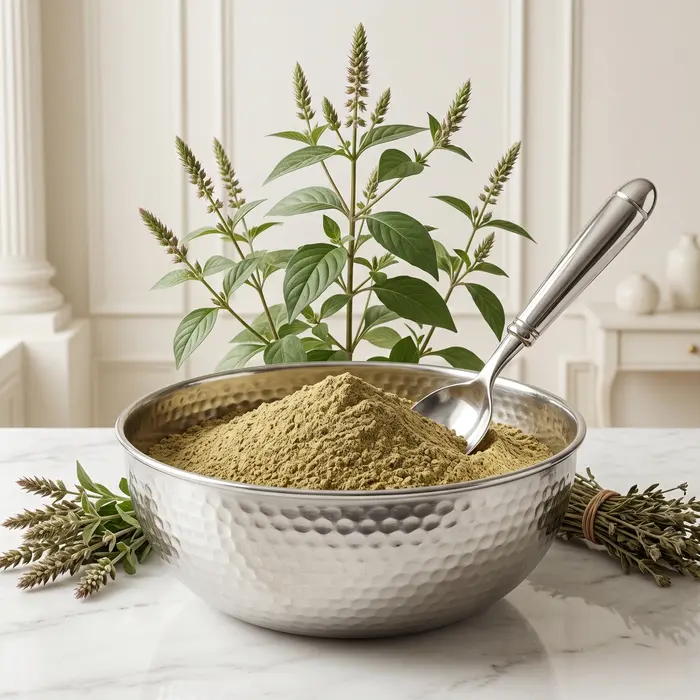
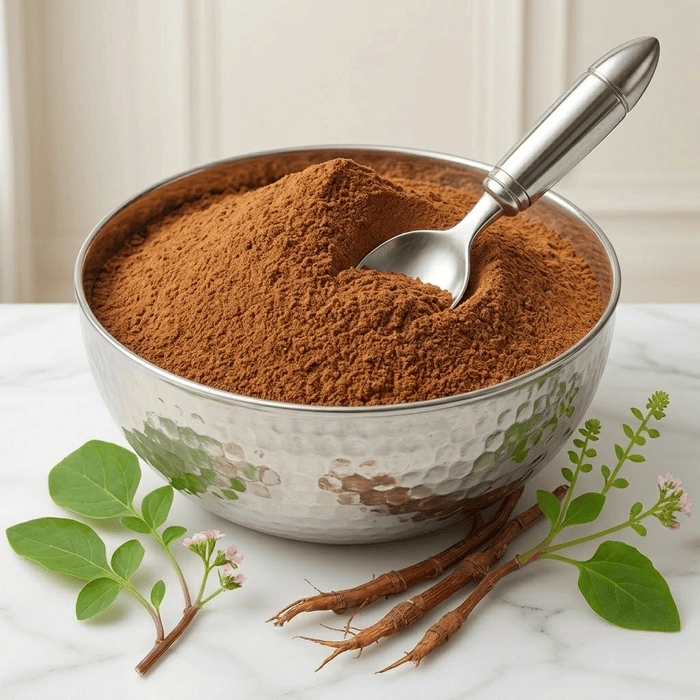
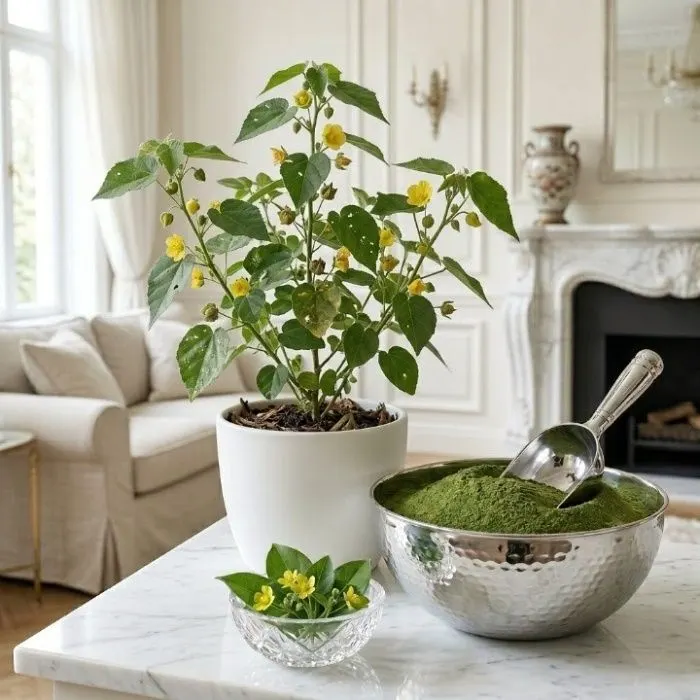
Vardhman Nutrition Co. is an India-based manufacturer and global B2B exporter of India-origin botanical ingredients, supplying Vidharikand for international commercial requirements. Botanically identified as Pueraria tuberosa, this traditional Indian herb belongs to the Fabaceae family and develops distinctive underground tubers that serve as the principal botanical material.
Our India-origin product is intended for international importers, herbal manufacturers, nutraceutical companies, wholesalers, distributors, botanical ingredient businesses, private-label companies and other commercial buyers. The dried tuber material can be processed into a convenient powder form for suitable formulation, blending and further botanical processing.
For overseas procurement, accurate botanical identification is important. Buyers can specify Pueraria tuberosa, tuber as the plant part, powder form, required quantity, quality parameters, packaging preference and destination country while discussing a commercial requirement.
The Tuberous Botanical Behind Indian Kudzu
Vidharikand comes from a perennial climbing botanical that develops large underground tubers. These underground structures distinguish the material from ordinary leafy or stem-based herbal ingredients.
The tubers are traditionally valued in Indian herbal practices and can be harvested, cleaned, dried and processed into a powdered raw material. The resulting ingredient can provide manufacturers with a dry botanical input that is easier to weigh, blend, transport and incorporate into suitable formulations.
The product is associated with several traditional names. In commercial documentation, using the botanical identity together with the plant part provides greater clarity for international buyers.
Botanical Identification for Overseas Procurement
Botanical Name: Pueraria tuberosa
Family: Fabaceae
Common Names: Vidharikand, Vidarikand
Ayurvedic Name: Vidarikand
Hindi Names: Vidarikand, Bilaikand
English Name: Indian Kudzu
Trade Name: Vidari / Kudzu
Plant Part: Tubers
Product Form: Botanical Powder
Origin: India
Government medicinal-plant information identifies Pueraria tuberosa with Vidharikand and recognizes the tubers as the principal material used. This identity can be incorporated into purchase specifications and product documentation for international B2B sourcing.
How the Underground Tuber Becomes a Dry Ingredient
The preparation of the botanical material involves several handling stages. Suitable tubers are selected before cleaning and drying. Once the raw material reaches an appropriate condition, it can be inspected and reduced into powder through grinding and sieving.
A general commercial sequence may be represented as:
Tuber Selection → Cleaning → Drying → Inspection → Grinding → Sieving → Quality Evaluation → Packaging
Processing parameters may vary according to the characteristics of the raw material and the agreed customer specification.
Powder fineness can be an important consideration for manufacturers because different applications may require different particle profiles. Buyers should therefore communicate their technical requirements before order confirmation.
Physical Characteristics of the Powdered Tuber
The dried tuber produces a natural botanical powder with characteristics influenced by raw-material origin, maturity, drying conditions, milling and storage.
Commercial buyers may evaluate:
- Natural appearance
- Colour
- Characteristic odour
- Texture
- Moisture level
- Particle size
- Foreign-matter control
- General cleanliness
A consistent raw-material specification helps manufacturers maintain predictable handling during blending and formulation.
The physical appearance of botanical powder can naturally vary between batches. For this reason, acceptance criteria should be mutually agreed rather than relying only on a general visual description.
Phytochemical Profile of Pueraria tuberosa
Research associated with Pueraria tuberosa has identified several naturally occurring phytochemicals. Among the reported compounds are puerarin, daidzein, genistein and genistin.
The tuber is also associated with broader groups of naturally occurring constituents, including isoflavonoids, flavonoids, glycosides, sterols, saponins, tannins, phenolic compounds, triterpenoids and polysaccharides.
Nutritional components reported in connection with the botanical include starch, proteins, amino acids and naturally occurring minerals.
The composition of plant-derived raw material can vary according to geographic origin, maturity, cultivation conditions, harvesting, drying, storage and processing. Consequently, a conventional botanical powder should not automatically be regarded as a standardized extract.
Where a customer requires a defined marker-compound level, the analytical requirement should be communicated separately.
Puerarin and Other Naturally Occurring Compounds
Puerarin is one of the compounds reported in research concerning Pueraria tuberosa. Other isoflavonoid-related constituents have also attracted scientific interest.
These naturally occurring compounds contribute to the phytochemical profile of the botanical and are relevant when manufacturers are evaluating raw materials for research or formulation development.
A whole tuber powder contains the naturally occurring material in its processed botanical form. It should therefore be distinguished from an extract manufactured to achieve a defined concentration of selected compounds.
For B2B procurement, this distinction is important because powder and standardized extract specifications can differ substantially.
Traditional Place of Vidari in Indian Herbal Practice
Vidarikand has a long association with Ayurveda and traditional Indian herbal preparations. The tuber has traditionally been described in connection with nourishing, strengthening and rejuvenation-oriented formulations.
Traditional applications may include formulations developed around:
- General nourishment
- Vitality
- Strength
- Rejuvenation
- Traditional wellness
- Reproductive wellness
- Lactation-related preparations
- Botanical nutrition
These traditional descriptions provide historical context rather than a guarantee of modern therapeutic effectiveness.
Manufacturers should evaluate the ingredient according to the intended finished product, applicable safety requirements and destination-market regulations.
Formulation Opportunities for Herbal Businesses
Businesses producing traditional herbal products can evaluate the tuber powder as an ingredient for appropriately formulated preparations.
Potential product-development formats include:
- Herbal powders
- Traditional preparations
- Capsules
- Tablets
- Herbal tonics
- Botanical blends
- Nutraceutical products
- Wellness formulations
- Research materials
The suitability of the raw material depends on formulation objectives, dosage form, technical specifications and regulatory classification.
For commercial development, manufacturers should conduct their own formulation assessment before finalizing the ingredient's application.
Nourishing and Rejuvenation-Oriented Product Concepts
The traditional identity of this botanical is strongly connected with nourishment and rejuvenation. This background may make the ingredient relevant to companies developing traditional wellness products.
Manufacturers may evaluate the material in formulations designed around general vitality, nutritional support and traditional rejuvenation concepts.
Any finished-product health statement should be supported by appropriate evidence and must comply with the regulatory framework of the target market.
Men's and Women's Botanical Wellness Development
Traditional herbal literature has associated Vidarikand with formulations intended for both male and female wellness.
The source material describes traditional interest in reproductive support and lactation-related preparations. For modern commercial applications, such uses should be evaluated carefully according to the final product category.
Manufacturers developing products for these categories should determine the appropriate formulation, safety information, labeling and permitted claims before market launch.
Nutraceutical and Dietary Formulation Potential
The presence of naturally occurring phytochemicals, starch, proteins, amino acids and minerals has contributed to interest in this botanical among businesses working with plant-based nutritional products.
Potential development areas may include:
- Botanical supplements
- Nutritional blends
- Herbal nutrition products
- Functional beverage concepts
- Protein blends
- Plant-based wellness formulations
Nutraceutical manufacturers should evaluate the ingredient against their own specifications, intended use and destination-market requirements.
Cosmetic and Personal-Care Possibilities
The botanical nature of the tuber also creates opportunities for selected cosmetic and personal-care formulation concepts.
Manufacturers may evaluate the powder for:
- Botanical face masks
- Herbal creams
- Plant-based lotions
- Traditional skincare concepts
- Rejuvenation-oriented cosmetic formulations
- Botanical personal-care blends
The suitability of the material should be established through formulation testing. Cosmetic claims and labeling should follow the regulations applicable to the destination market.
Scientific Interest in Pueraria tuberosa
Scientific investigations have explored the phytochemical composition and biological properties of Pueraria tuberosa. Research areas described in the supplied material include antioxidant activity, glucose-related studies, reproductive parameters, bone-related research, inflammatory responses and liver and kidney-related investigations.
Research has also examined possible neuroprotective and immunomodulatory activity associated with constituents of the plant.
However, much of the available evidence is based on laboratory and animal studies. Large-scale controlled human clinical evidence remains limited.
Therefore, scientific findings should be treated as research information rather than proof of guaranteed therapeutic outcomes.
Quality Parameters for Commercial Botanical Buying
International buyers generally require a clearly defined specification before purchasing botanical raw materials.
Depending on the intended application, procurement parameters may include:
- Botanical identity
- Plant part
- Origin
- Appearance
- Colour
- Odour
- Moisture
- Particle size
- Foreign matter
- Microbiological parameters
- Heavy metals
- Pesticide residues
- Marker compounds
- Packaging requirements
- Documentation
Where a customer requires a particular puerarin level or another standardized parameter, that specification should be agreed before commercial confirmation.
This is because conventional tuber powder and concentrated botanical extracts are separate product categories.
Vidharikand Powder Manufacturer in India
As a Vidharikand Powder Manufacturer in India, Vardhman Nutrition Co. focuses on India-origin botanical raw-material supply for overseas businesses.
Our processing approach can involve raw-material selection, cleaning, drying, inspection, grinding, sieving, quality evaluation and commercial packaging.
Customers requiring specific powder fineness, analytical parameters or packaging conditions can communicate these details during the enquiry stage.
Bulk Vidharikand Powder Supplier from India
Vardhman Nutrition Co. supports commercial sourcing requirements for businesses looking for an Indian Vidharikand Powder Supplier.
Our B2B customers may include importers, wholesalers, distributors, herbal manufacturers, nutraceutical businesses, botanical ingredient traders, product-development companies and private-label organizations.
Commercial enquiries can include requirements for:
- Bulk quantity
- Powder fineness
- Product specification
- Packaging
- Testing
- Documentation
- Destination
This approach allows the buyer and supplier to establish a clear product reference before an order is finalized.
Wholesale Botanical Supply for Overseas Businesses
Businesses searching for a Vidharikand Powder Wholesale Supplier can approach Vardhman Nutrition Co. for commercial procurement from India.
Wholesale sourcing is designed for companies requiring larger quantities for manufacturing, distribution, further processing or private-label development.
Rather than consumer-sized retail requirements, our focus is on international B2B transactions and buyer-specific specifications.
Vidharikand Powder Exporter from India
Vardhman Nutrition Co. operates as a Vidharikand Powder Exporter from India, supporting international businesses seeking India-origin botanical ingredients.
Export enquiries can originate from:
- USA
- UK
- Europe
- Germany
- UAE
- Australia
- South Korea
- Other international destinations
Import regulations differ between countries. Buyers should therefore verify local requirements for botanical ingredients, documentation, labeling, testing and permitted applications before commercial importation.
Vidharikand Powder Export to USA from India
Businesses searching for Vidharikand Powder Export to USA can provide their desired quantity, specification and intended application.
Depending on the finished product category, importers may request botanical identity, plant-part information, analytical parameters, packaging details and supporting documents.
The importing business is responsible for ensuring that the intended use and marketing comply with applicable US requirements.
Vidharikand Powder Export to UK and Europe from India
Companies interested in Vidharikand Powder Export to UK can discuss their commercial requirements with an India-based supplier.
European businesses seeking Vidharikand Powder Export to Europe may request technical information covering botanical identity, tuber material, powder characteristics, testing, packaging and documentation.
Requirements can vary depending on whether the ingredient is intended for herbal, food, nutraceutical, cosmetic or other permitted applications.
Vidharikand Powder Export to Germany from India
Businesses requiring Vidharikand Powder Export to Germany can submit their required specification, quantity, application and packaging preference.
German importers and manufacturers may establish their own quality and documentation requirements according to the intended use of the raw material.
Clear botanical identification remains important throughout international procurement.
Vidharikand Powder Export to UAE from India
For businesses looking for Vidharikand Powder Export to UAE, Vardhman Nutrition Co. can discuss India-origin bulk requirements.
Buyers can provide quantity, product form, specification, packaging preference, testing requirements and destination information to support commercial evaluation.
Vidharikand Powder Export to Australia and South Korea from India
Businesses interested in Vidharikand Powder Export to Australia can communicate their technical and commercial requirements before procurement.
Likewise, companies searching for Vidharikand Powder Export to South Korea can discuss specifications, quantity, packaging and documentation requirements.
Destination-specific import conditions should be confirmed by the buyer before shipment.
Private-Label and Customized Botanical Procurement
Overseas businesses developing their own herbal ranges may enquire about Private Label Vidharikand Powder supply.
Depending on the project, customization discussions can cover:
- Botanical identity
- Tuber material
- Powder fineness
- Quantity
- Packaging
- Labeling information
- Testing
- Documentation
- Destination market
Customized requirements remain subject to product feasibility and mutually agreed commercial specifications.
Packaging Protection for International Transportation
Packaging should protect dried botanical powder against environmental exposure during storage and transportation.
Important considerations include protection from:
- Moisture
- Humidity
- Direct sunlight
- Excessive heat
- Contamination
- Insects
- Strong external odours
Commercial packing can be discussed according to shipment size, transportation conditions and destination.
The final packaging format and labeling should be agreed before dispatch.
Storage Conditions and Product Stability
The powdered material should generally be kept in a clean, dry and suitable storage environment.
Recommended practices include:
- Use properly sealed packaging.
- Keep away from direct sunlight.
- Minimize moisture exposure.
- Avoid excessive heat.
- Protect against contamination.
- Keep away from strongly scented materials.
- Use clean and dry handling equipment.
- Follow batch-specific storage instructions.
The supplied source indicates an estimated shelf life of approximately 18–24 months under suitable conditions. Once opened, using the material within approximately 6–12 months is preferable when practical.
Signs of deterioration can include abnormal colour, stale odour, lumps, visible moisture, mold or insect infestation.
Why Choose an India-Based Botanical Export Partner?
India has a long history of botanical knowledge and traditional plant utilization. Government medicinal-plant resources identify Pueraria tuberosa with Vidharikand and recognize its tubers as the principal material used.
For international businesses, sourcing from an India-based exporter can provide access to India-origin botanical raw materials for manufacturing and further processing.
Vardhman Nutrition Co. focuses on:
- India-origin botanical ingredients
- International B2B procurement
- Bulk commercial requirements
- Product-specific specifications
- Export-oriented packaging
- Clear botanical identification
- Buyer-focused communication
Purchase Specification for Global Importers
International buyers can simplify procurement by providing a complete product reference.
A useful specification can include:
Pueraria tuberosa + Tubers + Botanical Powder + India Origin + Quantity + Powder Fineness + Testing + Packaging + Destination
This format helps reduce ambiguity and allows the supplier to understand the exact commercial requirement.
Buy Vidharikand Powder in Bulk from India
Businesses looking to Buy Vidharikand Powder in Bulk can contact Vardhman Nutrition Co. with their required quantity and technical specification.
Commercial enquiries are welcome from importers, wholesalers, distributors, herbal manufacturers, nutraceutical companies, botanical businesses, private-label companies and further-processing organizations.
To discuss a requirement, buyers can provide:
- Required quantity
- Product specification
- Intended application
- Powder fineness
- Packaging preference
- Testing parameters
- Documentation requirements
- Destination country
Our team can review the requirement and discuss suitable India-origin B2B supply options.
Frequently Asked Questions
What is Vidharikand?
Vidharikand is the common name associated with Pueraria tuberosa, a tuberous climbing botanical traditionally used in Indian herbal practices.
What is the botanical name?
The botanical name is Pueraria tuberosa.
Which plant part is used?
The tubers are the principal plant material used for Vidharikand preparations.
Is Vidharikand also called Indian Kudzu?
Yes. Indian Kudzu is an English name associated with Pueraria tuberosa.
What compounds are associated with this botanical?
Reported constituents include puerarin, daidzein, genistein, genistin and various other phytochemical groups.
Is conventional powder the same as standardized extract?
No. A whole tuber powder and a concentrated or standardized extract are different products and can have different specifications.
Who can purchase the material commercially?
International importers, wholesalers, distributors, herbal manufacturers, nutraceutical companies, botanical businesses and private-label companies can enquire about commercial supply.
Can the product be exported from India?
Yes. Vardhman Nutrition Co. supplies India-origin botanical ingredients for international B2B requirements, subject to destination-market conditions.
Contact Vardhman Nutrition Co. for International Supply
If your business is searching for an India-based supplier of Vidharikand, Vidarikand Powder, Vidari Powder, Indian Kudzu Powder, Pueraria tuberosa Powder, Pueraria tuberosa Root Powder, Vidharikand Herbal Powder, Vidharikand Botanical Powder, Dried Vidharikand Powder, Indian Vidharikand Powder, Bulk Vidharikand Powder, or a Botanical Ingredient Exporter India, Vardhman Nutrition Co. can discuss your B2B requirement.
We support international commercial enquiries involving quantity, specification, packaging, testing, documentation and destination-market requirements.
Vardhman Nutrition Co.
India-Based Manufacturer & Global B2B Exporter of Botanical Herbs
Bulk Botanical Ingredients Supply Worldwide
Product Information Disclaimer
The information provided on this page is intended for general botanical, commercial and product-development purposes. Traditional uses and scientific research should not be interpreted as guaranteed therapeutic effects or medical advice. Laboratory and preclinical findings do not necessarily establish effectiveness in humans.
Finished products containing Pueraria tuberosa should be formulated, labeled and marketed according to the laws and regulations applicable in the destination country. Buyers and manufacturers are responsible for confirming safety, permitted applications, regulatory requirements and product claims before commercial use.






.webp)




.webp)
.webp)
.webp)
.webp)
.webp)
.webp)
.webp)
.webp)
.webp)
.webp)
.webp)
.webp)
.webp)